 Dwi Wanna
 Nana Wu
 Muslim
 Reynand Wu
 Ammar Sabilarrohman
 Pevita Pearce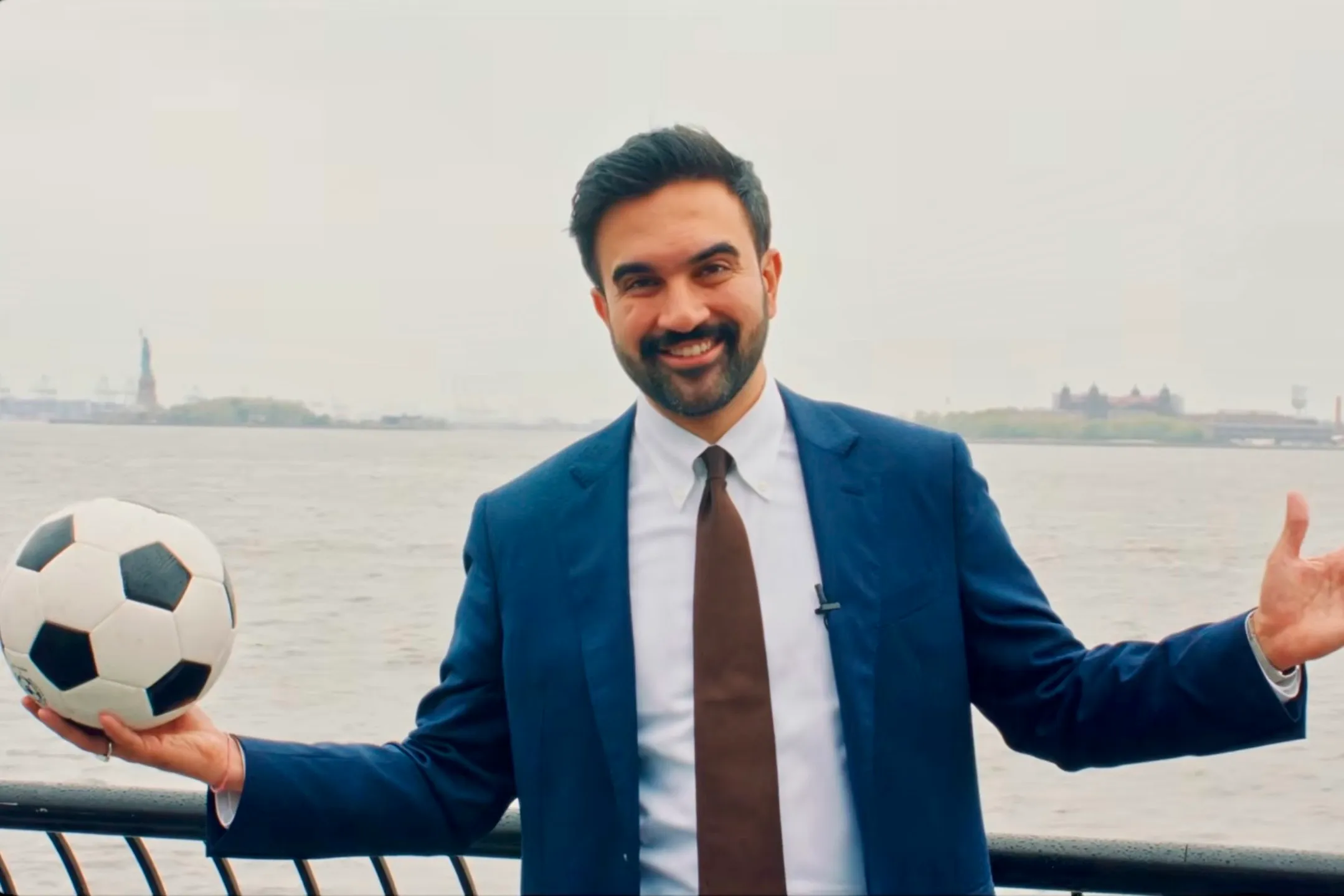
The upcoming FIFA World Cup, hosted jointly by the United States, Canada, and Mexico, represents more than just a sporting spectacle. For American destination marketing organizations (DMOs), the tournament serves as a strategic pivot point—a massive, global stage intended to reverse years of stagnation in international tourism. As the U.S. grapples with the lingering perception challenges fueled by past immigration policies, stringent entry requirements, and polarized political rhetoric, local tourism boards are coalescing around a singular, powerful message: Welcome.
The Core Objective: Reclaiming the American Narrative
For years, the U.S. travel industry has struggled to regain the momentum it enjoyed prior to the mid-2010s. A confluence of factors—including global health crises, complex visa processing delays, and a perception of the U.S. as a difficult or unwelcoming destination—has led to a noticeable slide in inbound travel numbers.
The World Cup offers a unique, captive audience of billions. Destination marketers view the tournament not merely as a logistical challenge of hosting millions of fans, but as a high-stakes branding exercise. The strategy is to utilize the "beautiful game" as a vehicle to showcase the openness, diversity, and cultural vibrancy of American host cities. By positioning these cities as accessible, friendly, and prepared, officials hope to dispel long-standing anxieties and reignite global traveler confidence.
Chronology: A Strategic Pivot
The shift toward this "Welcome" narrative did not happen in a vacuum. It is the result of a deliberate, multi-year planning process.
- 2022–2023: The Planning Phase: As host cities were finalized, DMOs began conducting sentiment analysis. Data consistently showed that while the U.S. remains a "bucket list" destination, potential visitors expressed hesitation regarding the ease of entry and the overall political climate.
- Early 2024: The Messaging Shift: Recognizing that standard advertising campaigns would be insufficient to counteract negative international perceptions, tourism boards pivoted toward localized, human-centric storytelling.
- March 2024: The Strategic Meetings: Across major hubs like New York, Boston, and Philadelphia, leadership teams began internal discussions aimed at crafting a unified, welcoming aesthetic.
- Late 2024: The Campaign Launch: The coordinated rollout of "Welcome" campaigns began. New York City, under the direction of Mayor Zohran Mamdani, launched high-production videos targeting international soccer fans. Simultaneously, organizations like Meet Boston and Visit Philadelphia activated their own localized initiatives, signaling a national trend of "hyper-local hospitality."
Supporting Data: The Need for an Inbound Surge
The economic stakes are significant. Prior to the pandemic, international travel was a primary driver of the U.S. hospitality sector’s growth. However, recent data from the U.S. Travel Association suggests that the recovery of international inbound volume has lagged behind domestic tourism.
- The Visa Bottleneck: Current wait times for B1/B2 visa interviews in key source markets—such as Brazil, India, and Mexico—remain elevated. This has created a "friction barrier" that destination marketers are desperate to lower through advocacy and lobbying efforts.
- Economic Impact Estimates: FIFA estimates that the World Cup could generate upwards of $5 billion in short-term economic activity across the host regions. For cities like Philadelphia and Boston, the projected influx of international visitors represents a potential 15–20% increase in seasonal tourism revenue compared to non-tournament years.
- Sentiment Shifts: Post-campaign surveys from initial pilot programs indicate that when visitors are exposed to "welcoming" messaging, their perception of safety and ease-of-travel in the U.S. increases by approximately 12%.
Official Responses and Tactical Initiatives
The response from municipal leaders has been swift and highly coordinated. Recognizing that the "American image" is often filtered through the lens of federal policy, local officials are taking the lead to provide a warmer, more personal invitation.
The NYC Strategy
New York City Mayor Zohran Mamdani has been at the forefront of this effort. His administration’s recent welcome video is a departure from traditional tourism advertisements. Instead of focusing solely on landmarks, the video centers on the multicultural fabric of the city, emphasizing that "every flag is a New York flag." The message is clear: NYC is a global city, not just a national one.
The "Welcome World" Initiatives
In Boston, the Meet Boston organization launched its "Welcome World" campaign with a distinct focus on the fan experience. The initiative includes multilingual navigation support, fan zones designed for global connectivity, and a city-wide training program for hospitality staff to ensure that "welcoming" isn’t just a marketing slogan, but a tangible experience.
Philadelphia’s Broad Appeal
Visit Philadelphia’s "Philly Welcomes the World" campaign takes a different tack, focusing on the city’s historical role as the "Birthplace of America" while framing that history as a foundation for global inclusivity. By leaning into the city’s walkability and public transit accessibility, Philadelphia is attempting to reduce the "friction" associated with American travel.
Implications: Beyond the Final Whistle
The implications of these campaigns extend far beyond the final match of the 2026 World Cup. If successful, this coordinated effort could create a blueprint for how U.S. cities manage their brand identity in a globalized world.
Rebranding the American Experience
The primary implication is the decoupling of the "American brand" from federal policy. By highlighting local culture, DMOs are effectively creating "safe spaces" for international travelers. If visitors have a positive, seamless experience during the World Cup, the long-term impact on the tourism industry could be transformative. A traveler who feels welcomed during the tournament is exponentially more likely to return for leisure travel in the years to follow.
The Challenge of Sustainability
However, there are risks. If the infrastructure fails to meet the demands of millions of visitors, or if the "welcome" message is contradicted by on-the-ground experiences—such as long wait times at customs or inefficient public transportation—the damage to the U.S. reputation could be exacerbated. The challenge for these cities is to ensure that the marketing is matched by operational excellence.
A New Era of Sports Diplomacy
Finally, the World Cup serves as a test case for "Sports Diplomacy." By leveraging the international passion for soccer, the U.S. is attempting to repair soft-power fractures. If the tournament succeeds in making the U.S. feel like an approachable, global hub, it will have achieved a goal that standard diplomatic channels have struggled to realize for nearly a decade.
Conclusion: The Road Ahead
As the countdown to the World Cup continues, the focus for American destination marketers remains singular. The "Welcome" campaigns represent a necessary evolution in how the United States presents itself to the world. It is a recognition that in a competitive global tourism market, the most valuable asset a destination can have is a genuine, clear, and consistent invitation to the rest of the world.
Whether these campaigns succeed in reversing the slide in international arrivals will depend on the intersection of grand messaging and granular execution. For now, however, the message is being broadcast loud and clear: The stadiums are being built, the infrastructure is being refined, and, most importantly, the doors are being held wide open. The world is invited, and for the first time in a long time, the U.S. tourism industry is working in total harmony to say: We are ready.


 Azzam Bilal Chamdy