
 Layla Zulfa
 Laily UPN
 Neng Nana
 Sagoh
Sagoh Raul Delapena Setiawan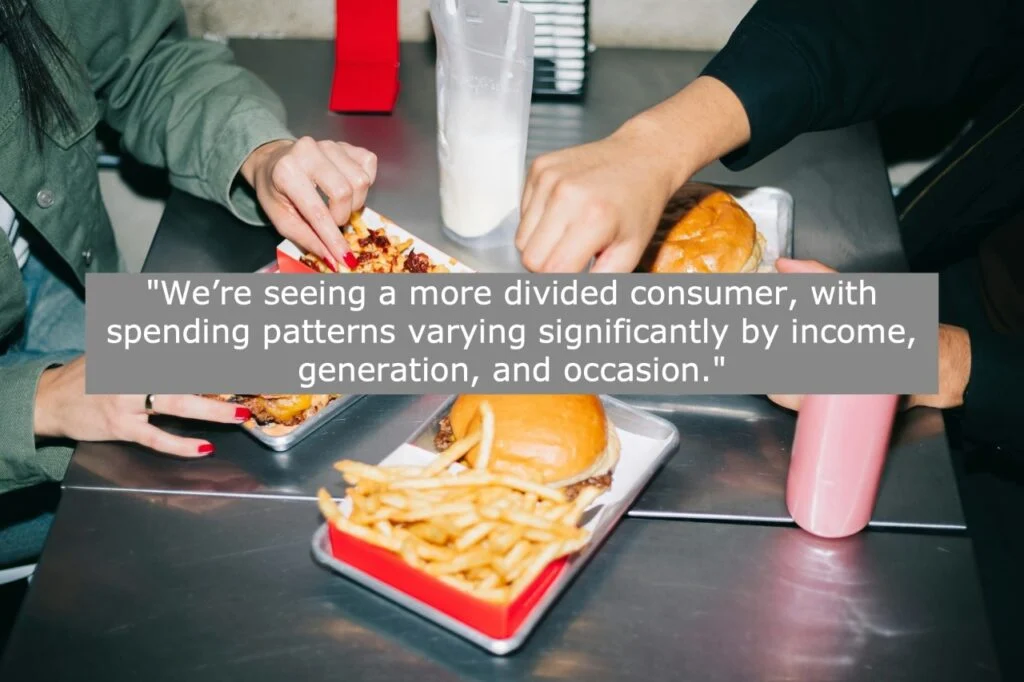
The era of the "average" restaurant guest is rapidly drawing to a close. As the economic landscape shifts, the hospitality industry is witnessing a profound transformation in consumer behavior, driven by a stark and widening income divide. New research from Revenue Management Solutions (RMS) indicates that the "one-size-fits-all" approach to pricing, promotions, and menu development is no longer viable. To survive and thrive in the lead-up to 2027, restaurant operators must pivot toward a highly segmented strategy that reflects the vastly different financial realities of their clientele.
The Bifurcated Consumer: A Tale of Two Budgets
The core of the current industry disruption lies in how different economic strata are interacting with the restaurant sector. The RMS data paints a clear picture of two distinct groups: those who feel the pinch of inflation and economic uncertainty, and those who remain insulated and continue to prioritize dining out.
For households earning $100,000 or more, the restaurant remains a central component of lifestyle. Nearly half (48%) of this demographic reported that they are spending a larger share of their income at restaurants compared to last year. Furthermore, their appetite for convenience is growing, with takeout orders among this high-earning group up 15% year-over-year.
Conversely, households earning under $50,000 have been forced to retreat. This segment has demonstrated a clear pullback, with visits to casual dining establishments and coffee runs down 10% year-over-year. Nearly half of these lower-income households (47% to 48%) have significantly reduced their frequency of visits to fast-casual, casual, and full-service restaurants over the past month. Breakfast, a category often seen as a discretionary habit, has been hit hardest, with 56% of this group cutting back on morning restaurant visits.
A Snapshot of Current Market Pressures
The aggregate industry data reflects the friction caused by these shifting demographics. Recent reports show a 3.5% decline in overall restaurant traffic, contributing to a 0.6% dip in net sales following seven months of growth. This contraction occurs against a backdrop of rising menu prices, which have climbed by 2.6% year-over-year.
Perhaps most concerning to operators is the "items per transaction" metric, which has dipped into negative territory (down 0.4%). This suggests that even those who are still visiting restaurants are spending more cautiously. When consumers decide to cut back, they are often surgically removing specific items from their order to maintain their visit while lowering the total check.
According to the RMS findings, when consumers look to save money, dessert is the first item to go, with 20% of respondents opting to skip it. Appetizers and beverages follow closely, with 15% of diners choosing to forgo these add-ons. Furthermore, 47% of consumers are choosing lower-priced menu items, and 45% are opting for cheaper dining venues altogether.
The Generational Divide: Gen Z vs. The Boomers
The divide is not merely economic; it is also generational. The data reveals a significant divergence in how age groups perceive the value and necessity of restaurant dining.
Gen Z continues to be a driving force for growth. In the second quarter, 45% of Gen Z consumers indicated they were visiting Quick Service Restaurants (QSRs) more frequently, with nearly half (49%) dedicating a larger portion of their disposable income to dining out. Millennials show similar trends, with nearly one in four planning to increase their visits to casual dining establishments.
In stark contrast, the Boomer generation is pulling back. Approximately 35% of Boomers report visiting QSRs less frequently, and 39% are actively reducing their overall restaurant spending. With 43% of this demographic planning to visit casual dining spots less often, operators who rely heavily on an older, traditional customer base may face significant headwinds in the coming year.
Expert Insight: Adapting to the New Reality
Richard Delvallée, Senior VP of Consulting at RMS, emphasizes that while the traffic decline is a serious signal, it should not be misinterpreted as a total rejection of the restaurant experience. "We don’t see the data as evidence that consumers have stopped spending at restaurants," Delvallée explains. "Instead, we’re seeing a more divided consumer, with spending patterns varying significantly by income, generation, and occasion."
For Delvallée, the path forward for 2027 requires a sophisticated understanding of the "check composition." He argues that getting customers through the door is merely the first step. The real challenge—and opportunity—lies in menu engineering.
"Operators can make more informed decisions about menu placement, bundles, and add-on offerings by examining which items consumers continue to purchase and which they are dropping," he says. By analyzing their own proprietary menu data, operators can identify which "attachments" (like appetizers or beverages) are declining and implement strategies to rebuild those purchases through tailored bundles or value-based promotions.
Strategic Implications for 2027
As the industry heads into 2027, the focus must shift from chasing the "average guest" to mastering the art of market segmentation. Here are the key strategic pillars identified by the latest market trends:
1. Value Redefined
Value no longer means just "cheap." For some, value is a lower price point; for others, it is a high-quality experience that justifies the premium. Operators must offer a spectrum of choices. Brands that offer "value" exclusively through discounts risk devaluing their brand, while those that ignore price-sensitive consumers risk losing a massive segment of the market.
2. The Resilience of QSR
While casual and full-service dining are feeling the squeeze, QSR remains the most resilient segment. Even among lower-income households, QSR visits are holding up better than any other category, with only 29% of low-income consumers visiting less often. QSR brands that can lean into their role as a reliable, cost-effective, and convenient option will likely outperform their competitors.
3. The Threat of Grocery Competition
Restaurants are no longer just competing with other restaurants. Grocery stores have become a formidable rival, with 27% of overall respondents stating they are buying meals from grocery retailers more frequently. This "hybrid" approach to dining—where consumers prepare more meals at home—poses a long-term threat to restaurant frequency that operators must address through improved convenience and "occasion-based" marketing.
4. The Drive-Thru Conundrum
The drive-thru remains a vital channel, with 73% of consumers using it at least once a week. However, the cost of transportation, specifically rising gas prices, is influencing how often people choose to leave the house. With gas prices hovering above $4 per gallon in recent cycles, consumer confidence has dipped. Operators must ensure that the "value of the trip" is high enough to justify the fuel consumption. If a customer is going to drive to a location, the brand must ensure the experience is worth the journey.
Conclusion: Preparing for the Long Tail of Uncertainty
There is little evidence to suggest that the current income divide will close in the near future. Factors such as employment volatility, inflation, household debt, and shifting consumer confidence levels will dictate the pace of recovery.
For restaurant operators, the takeaway is clear: the "average" is a ghost. Success in 2027 will belong to those who can effectively segment their audience, understand the unique triggers that drive visits for different demographics, and engineer their menus to offer value to both the budget-conscious and the experience-seeker.
"Getting consumers through the door is only part of the equation," Delvallée concludes. "Winning those guests back comes down to value, and consumers are defining value differently depending on their circumstances. Brands that recognize this and tailor their messaging accordingly will be the ones that navigate this divide successfully."

 Nila Kartika Wati
 Nana
Nana