 Layla Zulfa
 Laily UPN
 Neng Nana
 Sagoh
Sagoh
 Raul Delapena Setiawan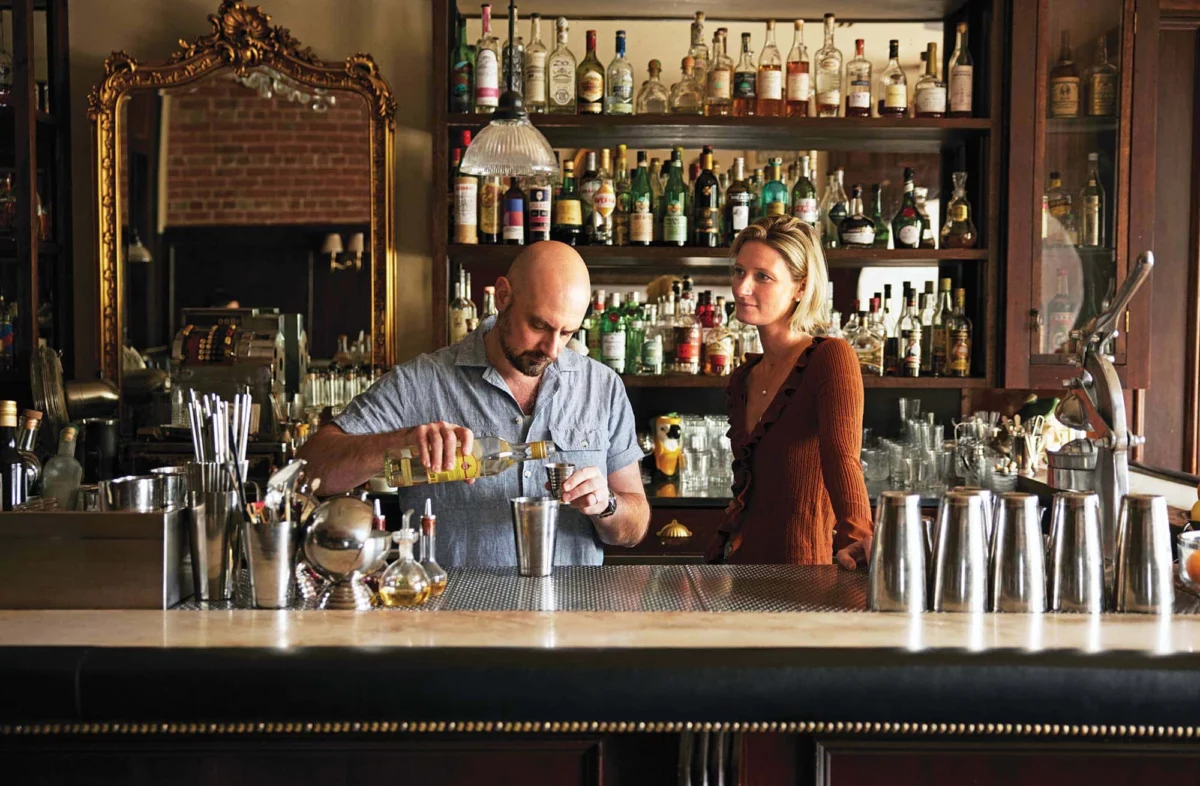
By Emily Saladino
October 14, 2026
The world of mixology is vast, often feeling like a sprawling, unmapped wilderness to the uninitiated. With thousands of established recipes and a history that spans centuries, the prospect of mastering—or even meaningfully understanding—cocktail culture can seem insurmountable. It is this exact challenge that industry veterans Michael and Zara Madrusan sought to address with their monumental new work, The Madrusan Cocktail Companion.
Featuring a staggering 2,800 recipes and contributions from over 100 of the world’s most influential bartenders, the book is not merely a collection of drinks; it is a masterclass in the technical and historical anatomy of the modern bar. By synthesizing decades of experience, the authors have created a roadmap for both the professional bartender and the curious home enthusiast, effectively decoding the complex lineage of the drinks we love today.
The Philosophy of the "Branch"
At the heart of The Madrusan Cocktail Companion is a revolutionary organizational system that Michael Madrusan began developing during his tenure at the legendary New York City institution, Milk & Honey. Rather than organizing drinks alphabetically or by base spirit, the book utilizes a system of "branches."
“It’s similar to the idea of a mother cocktail,” explains Zara Madrusan. “It’s the simplest formulation of a well-known drink that a number of other drinks are based on. It’s a step-by-step understanding of how cocktails fit together.”

This system acts as a structural map. When a reader learns the mechanics of a "mother" drink—such as a Whiskey Sour or a Manhattan—they are suddenly empowered to understand the hundreds of variations that branch off from that original template. For professionals, this is a transformative pedagogical tool; for consumers, it is an entry point into a deeper appreciation of craft. “When bartenders see how many drinks are riffing off of other drinks, it blows their minds,” Zara notes. “It lights a little fire in you to learn more.”
A Chronology of the Modern Craft Movement
To understand the significance of this book, one must look back at the dawn of the 21st century. The early 2000s in New York City represented a "Big Bang" moment for the modern cocktail scene. It was a time of intense, almost academic, exploration.
Michael Madrusan remembers the era with palpable nostalgia. “When I joined Milk & Honey, there was only a small group of bars that cared deeply about quality ingredients and classic cocktails,” he recalls. “The internet wasn’t what it is today. Access to recipes and historical information wasn’t anywhere near as prevalent.”
During this period, knowledge was a form of currency. Rare texts, such as David Embury’s The Fine Art of Mixing Drinks, were treated with reverence. When a bartender managed to secure a copy, it was a major event, shared among a tight-knit community of peers. This scarcity bred a culture of intense collaboration and mutual support rather than competition.
As the years progressed, these pioneers—including names like Sam Ross, Alex Day, and Eric Alperin—began to spread out, carrying the gospel of craft service across the globe. From the launch of The Everleigh in 2011 to the founding of iconic establishments like Death & Co, PDT, and The Varnish, this small, interconnected group laid the foundation for the global cocktail culture we recognize today.
Supporting Data and Collaborative Insight
The breadth of The Madrusan Cocktail Companion is anchored by its collaborative nature. By inviting contributions from industry luminaries like Lynnette Marrero, the creator of the all-female speed bartending competition Speed Rack, the book captures a diverse range of perspectives on what defines a modern classic.
The authors have been careful to address the evolution of the industry. The book features a "By Popular Demand" section, designed for readers who navigate by flavor profile—such as those seeking coffee-forward or tropical-style drinks—rather than by historical lineage. This dual-access approach ensures that the book remains both an academic resource and a practical kitchen companion.
“Defining the branches is an ongoing process,” Zara admits. “New drink styles are evolving all the time. I hope we get to do a second edition one day. I would imagine the branches may even look a little bit different then.”
The Professional Standard: Hospitality as a Craft
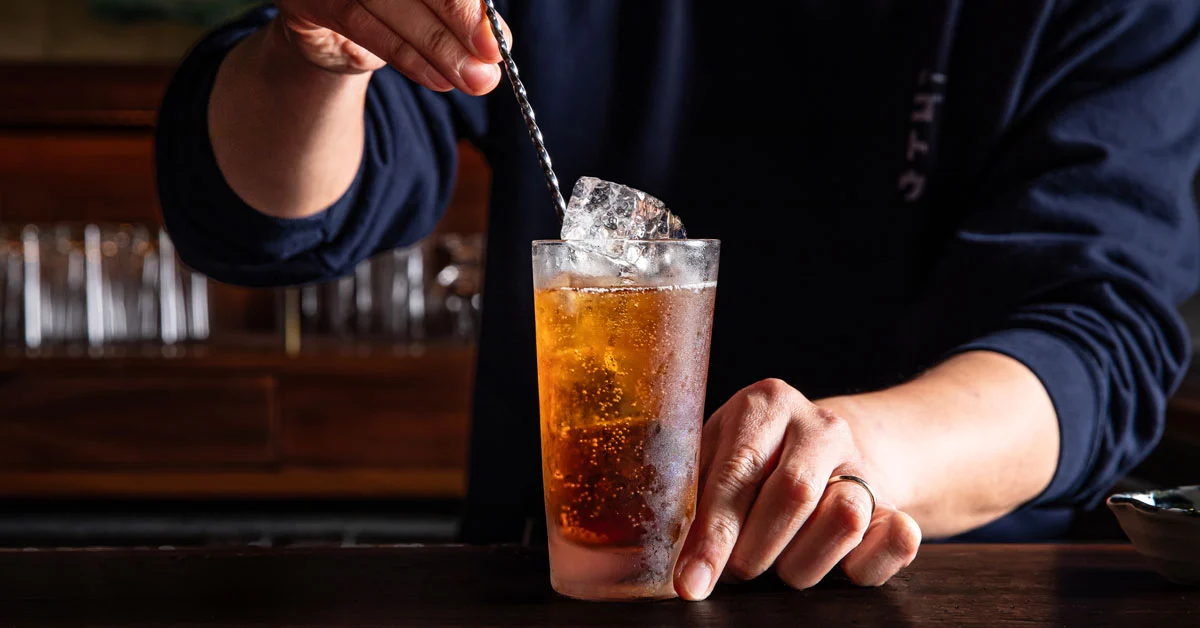
Beyond the recipes, the book delves into the "why" of the service industry. Michael Madrusan emphasizes that the techniques popularized in the early 2000s—such as the "Bartender’s Choice" service model—were never intended to be displays of ego.
“It’s not about showing somebody how much you know,” Michael asserts. “It’s about showing somebody how much you care.” This philosophy of hospitality is a cornerstone of the book. The Madrusans have dedicated significant space to the soft skills of bartending: how to read a room, how to guide a guest through a menu, and how to create an environment where the guest feels truly heard. This emphasis distinguishes The Madrusan Cocktail Companion from simple recipe books, elevating it to a guide on the art of human connection through drink.
Implications: The Future of the Bar
The publication of this book comes at a time when the "cocktail renaissance" has fully matured into a global standard. Today, one can walk into a local pub in almost any city and find a well-executed classic cocktail. This ubiquity is a direct result of the work done by the generation the Madrusans were part of.
However, the authors see this not as an end, but as a continuation. The "tree keeps on growing," as Michael puts it. The implications for the future are clear: as the industry continues to evolve, the focus must remain on the intersection of education, technical precision, and genuine hospitality.
For the reader, the Companion offers more than just a list of ingredients. It offers a way to navigate the history of the drink, the evolution of the technique, and the philosophy of the profession. Whether you are a professional looking to sharpen your knowledge of drink architecture or an enthusiast looking to understand why your favorite Whiskey Sour tastes the way it does, this book provides the context that has been missing from the canon for years.
In an age where information is infinite but often superficial, The Madrusan Cocktail Companion serves as an essential, grounded, and deeply humanizing document. It reminds us that behind every great drink is a history of trial and error, a community of passionate individuals, and, ultimately, a desire to provide a moment of care for the person sitting on the other side of the bar.
As we look toward the next decade of cocktail culture, this work will likely stand as a foundational text—a testament to the idea that, no matter how much technology changes our world, the act of mixing a drink remains one of the most intimate and enduring forms of service.

 Ammar Sabilarrohman