

 Layla Zulfa
 Laily UPN
 Neng Nana
 Sagoh
Sagoh
 Raul Delapena Setiawan
 Evan Lee Salim
For many, the mention of a "Continental Cake"—or, as it is affectionately known in many households, the Italian Rum Cake—evokes a profound sense of nostalgia. It is a staple at birthdays, anniversaries, and family gatherings, particularly within the Greek and Italian communities of Melbourne and Sydney. With its delicate, rum-soaked chiffon sponge, velvety dual-custard filling, and light-as-air Chantilly cream, it is the undisputed centerpiece of any celebratory table.

However, achieving that elusive, professional bakery texture at home has long been considered a daunting task. For those who have tried and failed, the solution has arrived. Following an exhaustive period of development—spanning two months and 27 rigorous test iterations—culinary expert Nick from The Scranline has cracked the code. This comprehensive guide details the precise techniques required to move beyond amateur results and produce a cake that arguably surpasses even the most storied neighborhood bakeries.
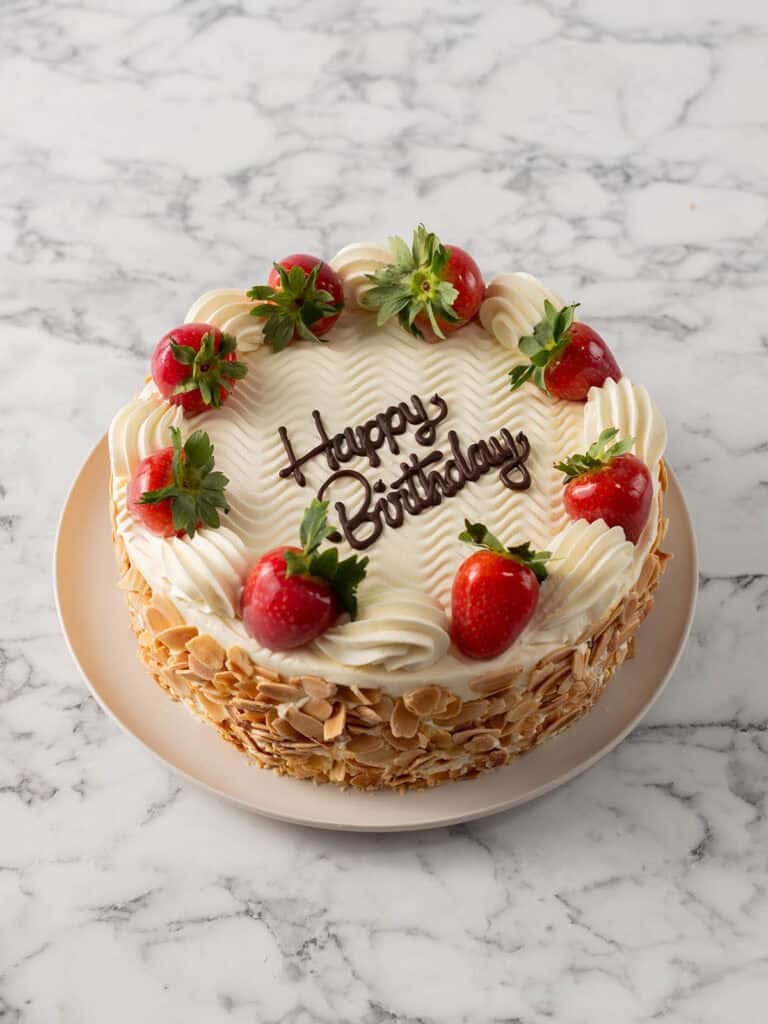
The Anatomy of the Perfect Continental Cake: Breaking Down the Components
To understand why this recipe succeeds where others fall short, one must first deconstruct the components that define a true Continental Cake. The primary struggle for most home bakers is the sponge. Many traditional sponge recipes are either too dry or fail to retain their structural integrity when subjected to the necessary moisture of a rum-infused syrup.
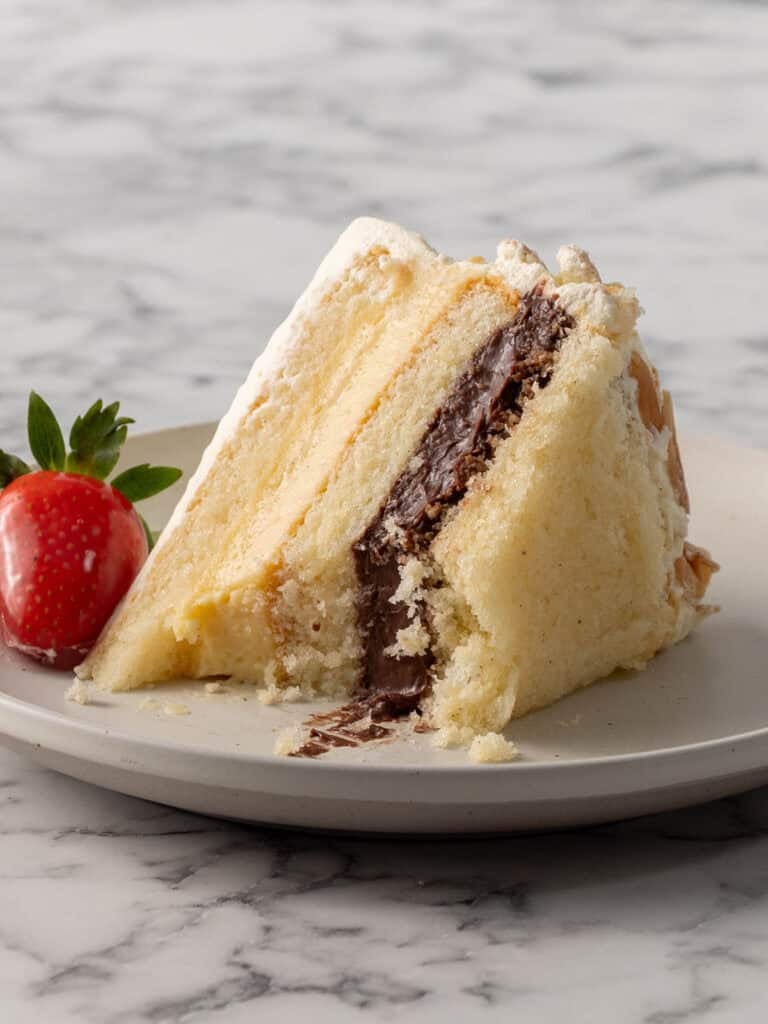
The Chiffon Breakthrough
The solution, discovered during the 17th test of the current recipe, is the transition to a chiffon-based sponge. Chiffon cake is unique in its fat content and aeration method; it provides an incredibly soft, moist crumb that remains "meaty" enough to absorb the syrup without succumbing to a soggy, disintegrated mess. The key, as noted in the development phase, is the whisking speed. By maintaining a medium speed during the meringue process, the baker ensures a multitude of smaller air bubbles, resulting in a cake with a superior, cloud-like lift.
The Dual Custard Strategy
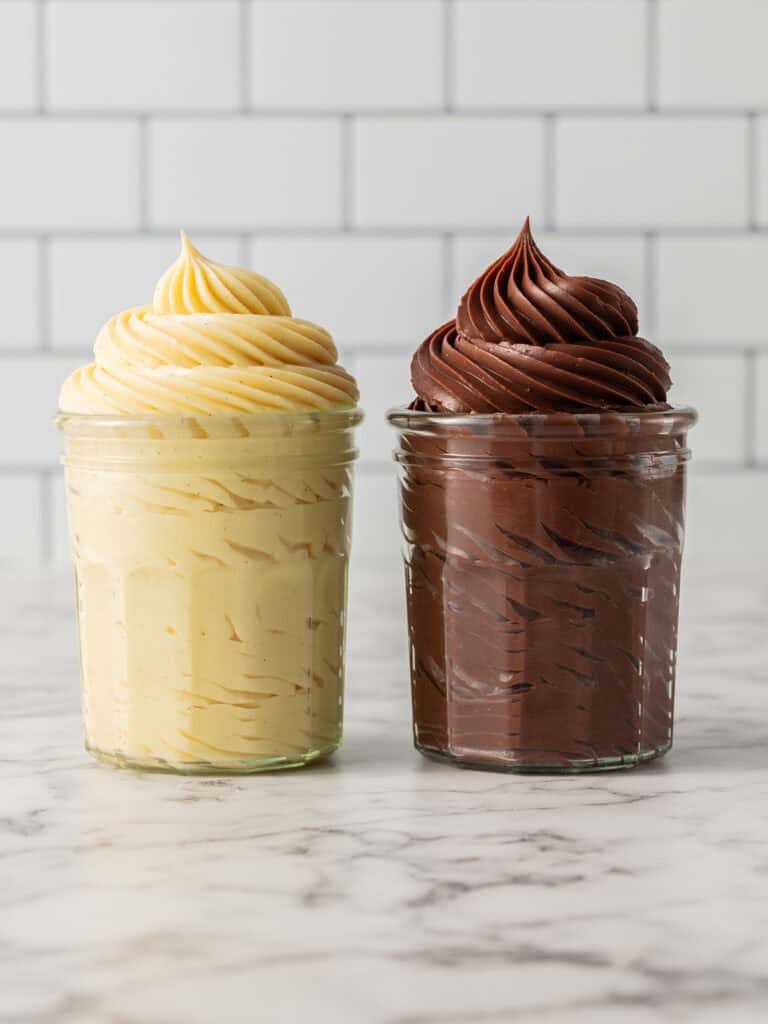
A hallmark of the traditional Italian Rum Cake is the interplay between vanilla and chocolate pastry cream. The common pitfall here is texture. Many recipes yield a custard that is either too runny to support the weight of the layers or too thick to be enjoyable. By utilizing a French pastry cream method—cooked in a single stainless-steel pot and refined with a metal whisk rather than a spatula—one can achieve a perfectly smooth, lump-free consistency. The subsequent step of using an electric hand mixer to whip the chilled custards immediately before assembly ensures they are silky enough to spread evenly, providing that signature bakery mouthfeel.
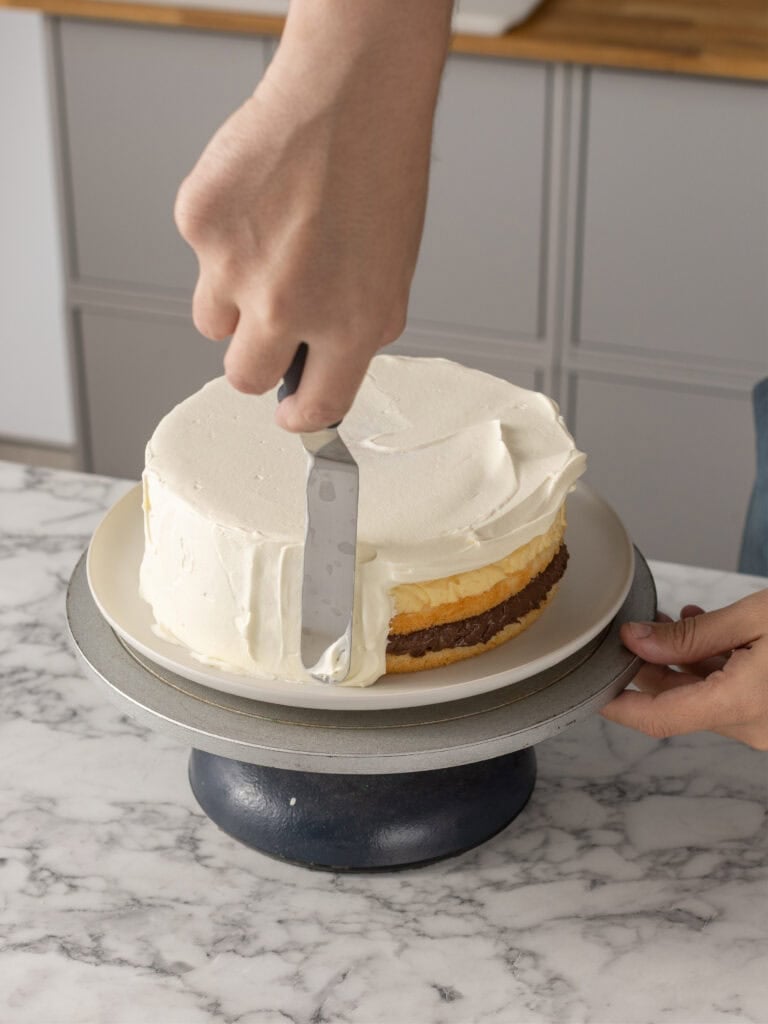
A Two-Day Workflow: Strategy for Success
One of the most common reasons for failure is rushing the process. A professional-grade Continental Cake is a project of patience. While it is theoretically possible to finish the cake in a single day, the required resting times for the custard and the assembly mean that starting early in the morning and finishing late at night is physically taxing and prone to errors.
Day 1: Foundation and Cooling
The first day should be dedicated to the "heavy lifting." This involves:
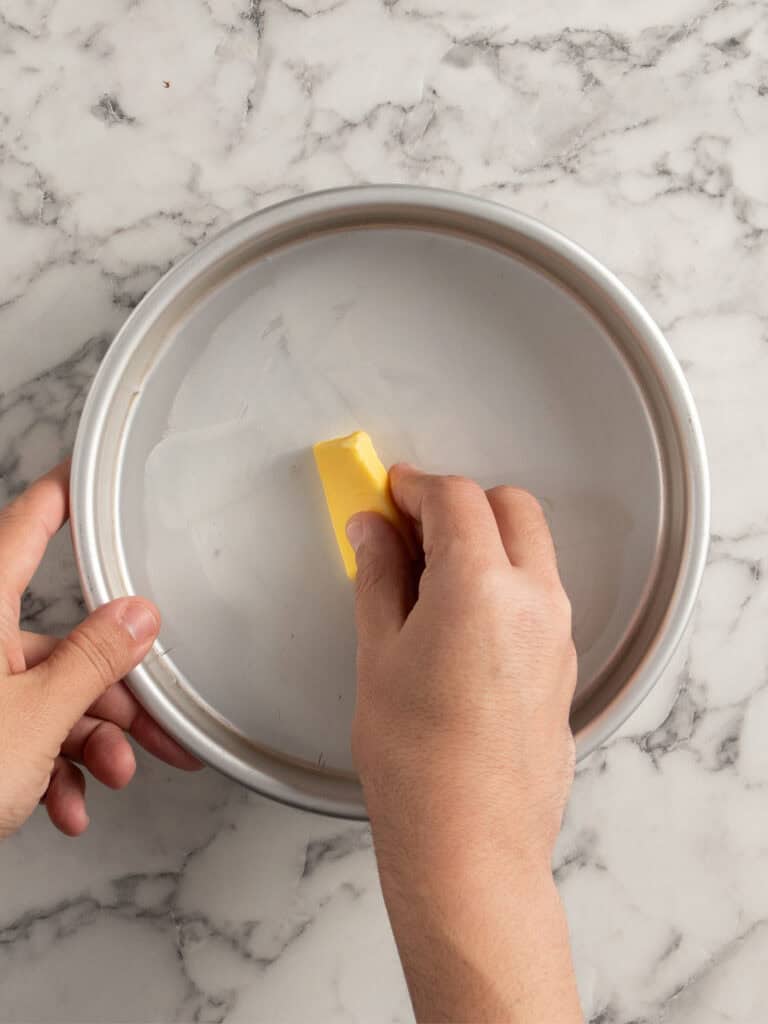
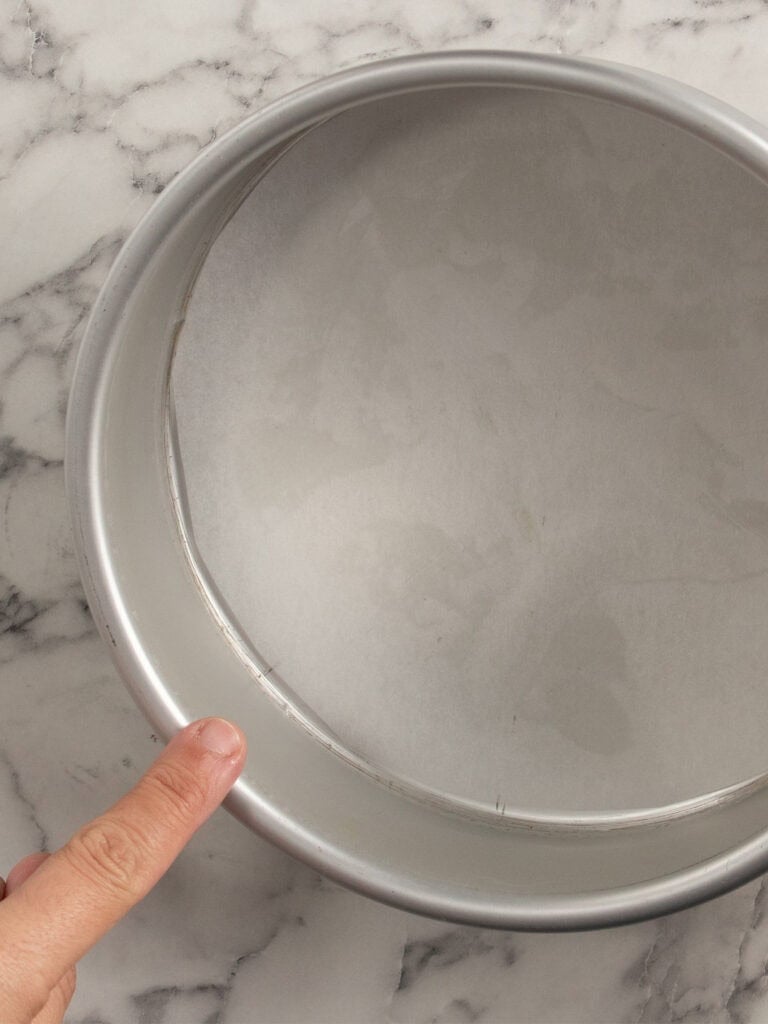
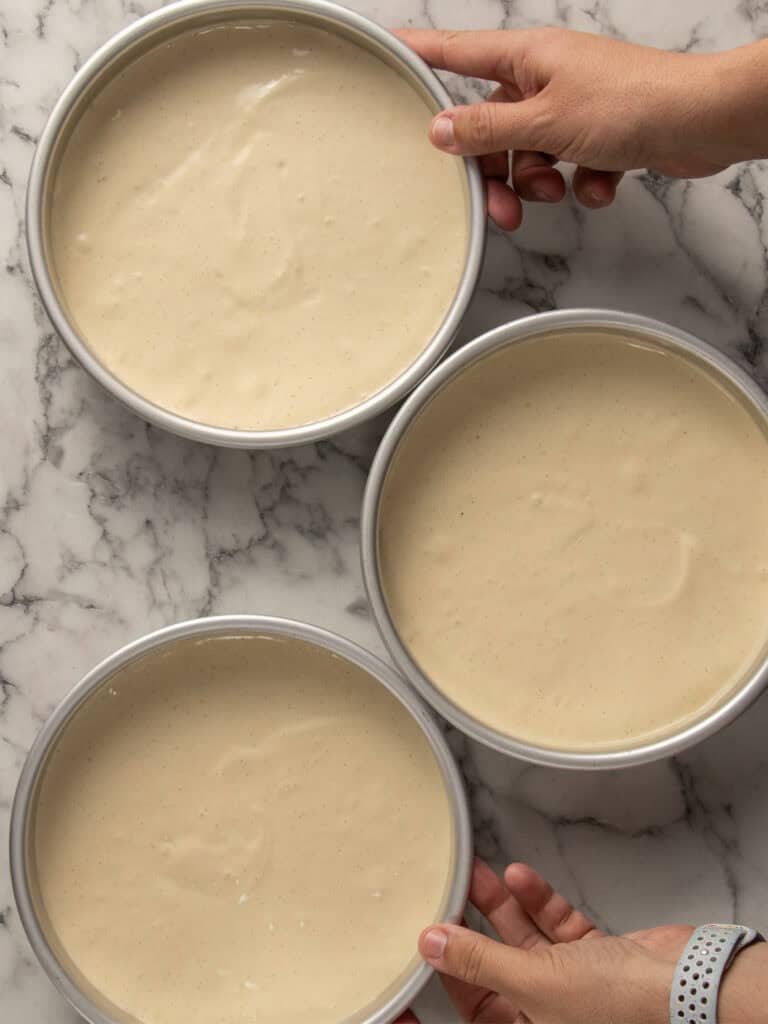
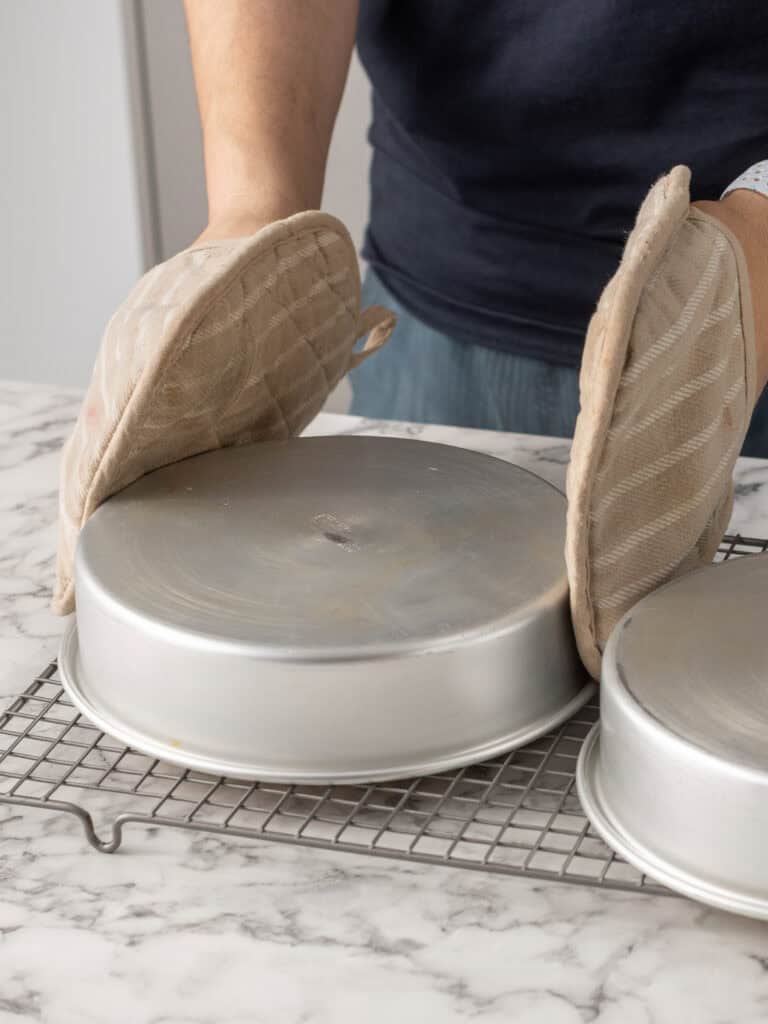
- Baking the Chiffon Layers: Preparing the tins with cold butter rather than oil spray, and lining only the bottoms. This allows the cake to "grip" the sides of the tin as it cools, preventing the common issue of shrinkage and ensuring a perfectly round, uniform sponge.
- Preparing the Pastry Creams: Creating both the vanilla and chocolate custards and allowing them to set properly.
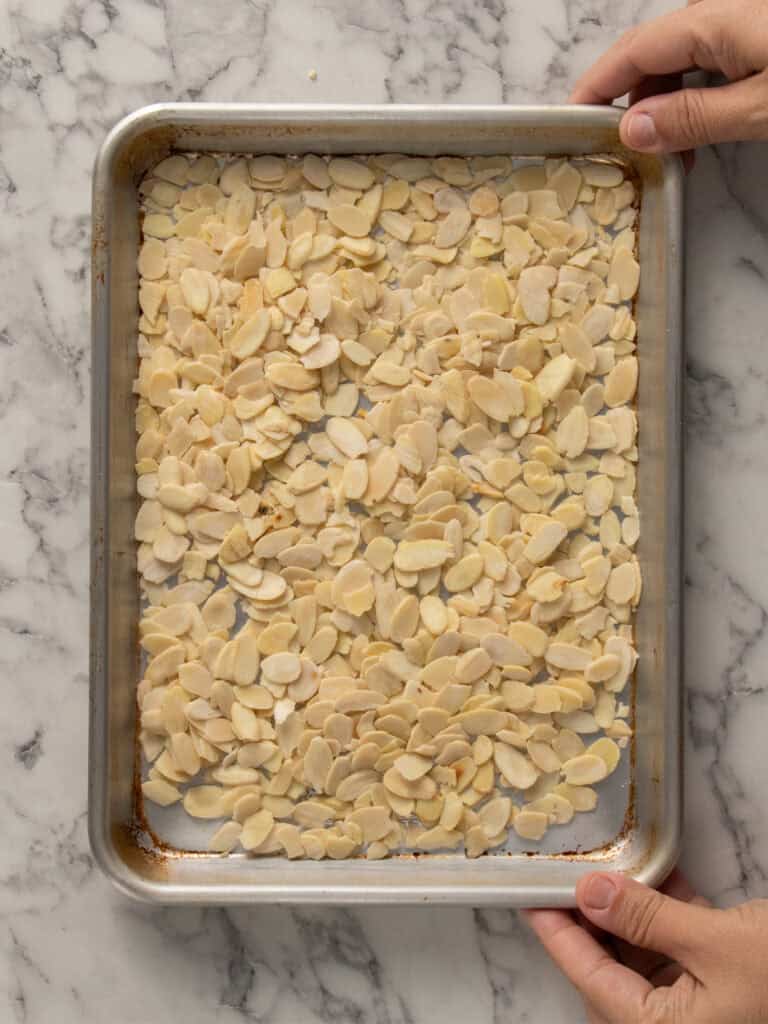
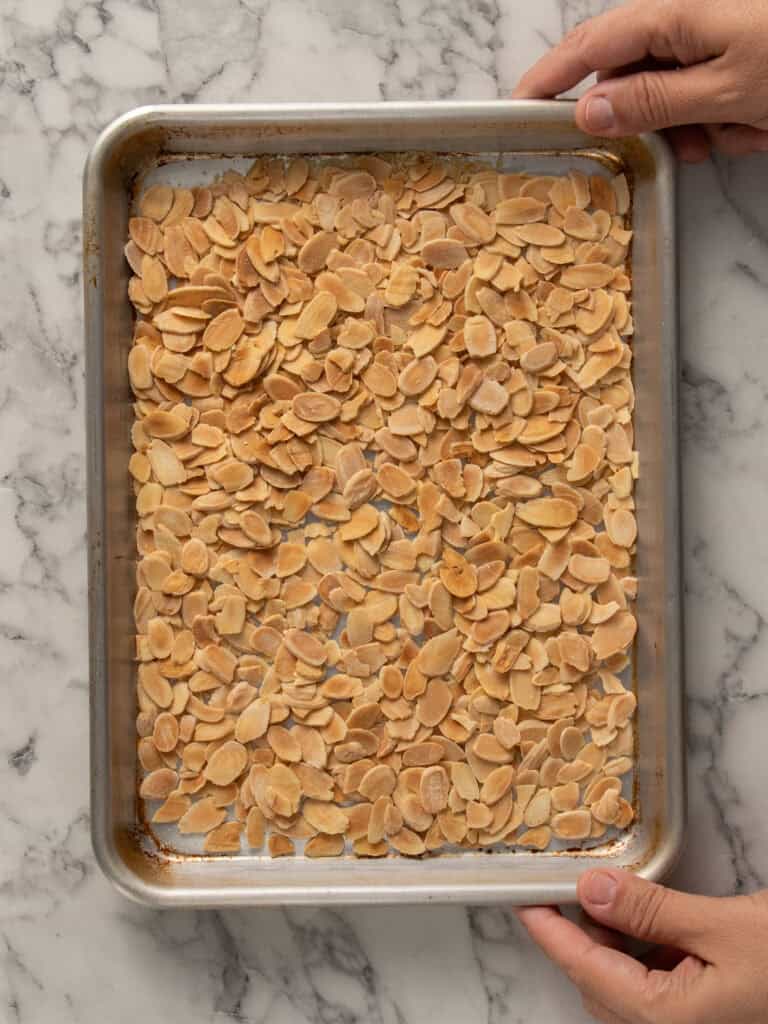
- Toasting the Almonds: Preparing the flaked almonds by lightly roasting them (180°C/340°F for 6–8 minutes) to deepen their nuttiness and enhance their crisp texture.
Day 2: Assembly and Finishing
The second day is reserved for the delicate art of assembly:
- Soaking: Ensuring the syrup-to-sponge ratio is balanced.
- Layering: Assembling the cake and allowing it to rest for at least four hours (or preferably overnight) to ensure the structure is stable before the final frosting.
- Finishing Touches: Applying the Chantilly cream and decorating with glazed strawberries.
The Science of Stability: Why Home-Made Outperforms Bakery "Mock" Cream
A critical differentiator between this recipe and the mass-produced versions found in commercial bakeries is the choice of cream. Most commercial bakeries utilize "mock cream"—a vegetable-fat-based shortening that is highly stable and resistant to heat, allowing cakes to sit on display for extended periods without melting. However, this convenience comes at the cost of flavor and mouthfeel.
In this recipe, the focus is on a high-quality Chantilly cream, stabilized with mascarpone cheese. Mascarpone acts as a natural stabilizer, providing the cream with a structural integrity that prevents it from collapsing or "weeping" in the refrigerator. This allows the home baker to enjoy the rich, dairy-forward taste of real cream while maintaining the stability required for a professional-looking finish.
Professional Techniques for the Finishing Touches
The difference between a "home-baked" appearance and a "bakery-worthy" result often lies in the details.
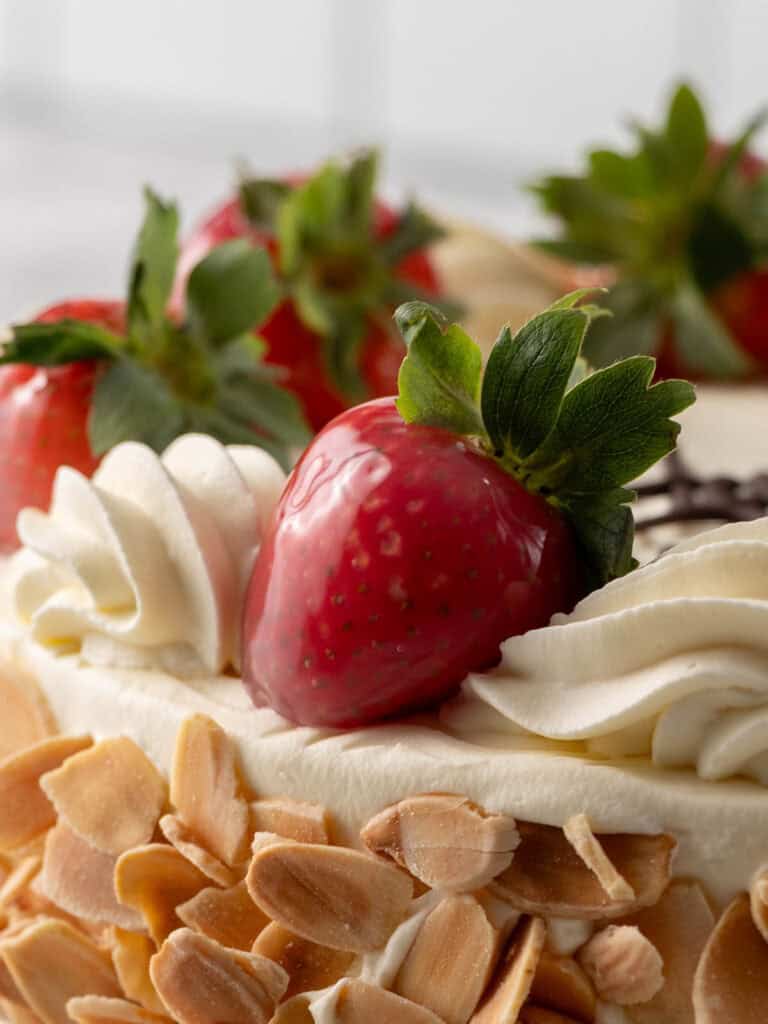
The Strawberry Glaze
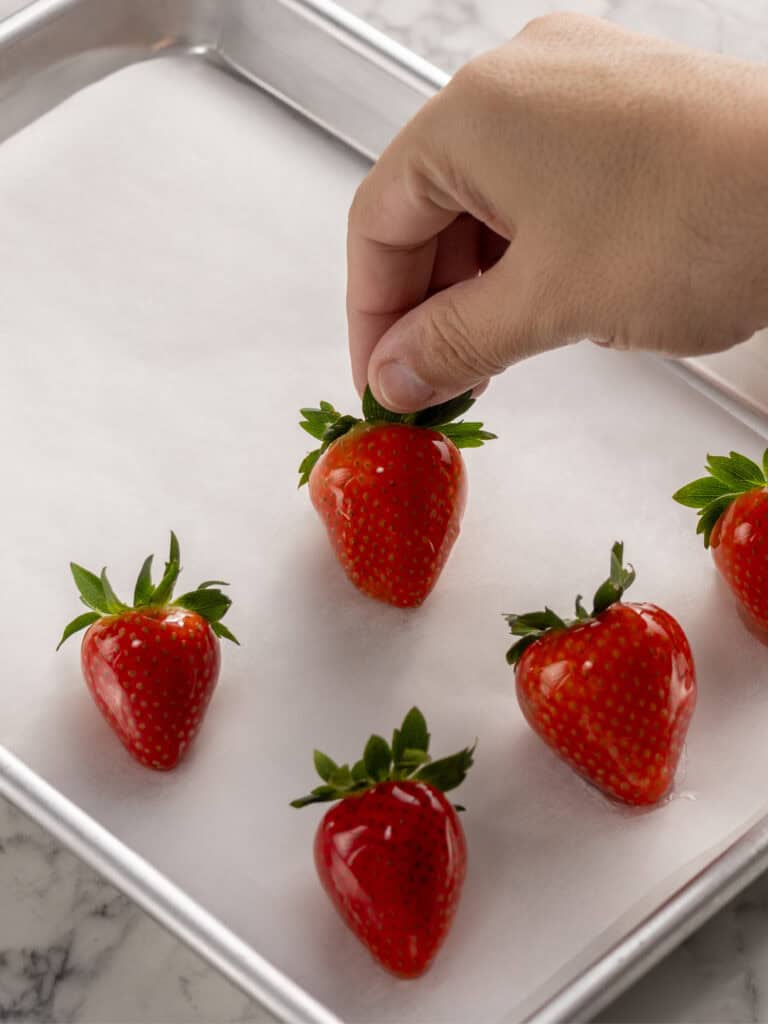
While optional, a clear strawberry glaze provides that glossy, mirror-like finish that catches the light and signals a professional standard. The key, as highlighted in the workflow, is timing. The glaze should be prepared only when the baker is ready to apply it. Making it too far in advance can lead to a lumpy, unworkable texture that ruins the aesthetic of the fruit.
The Art of Piping
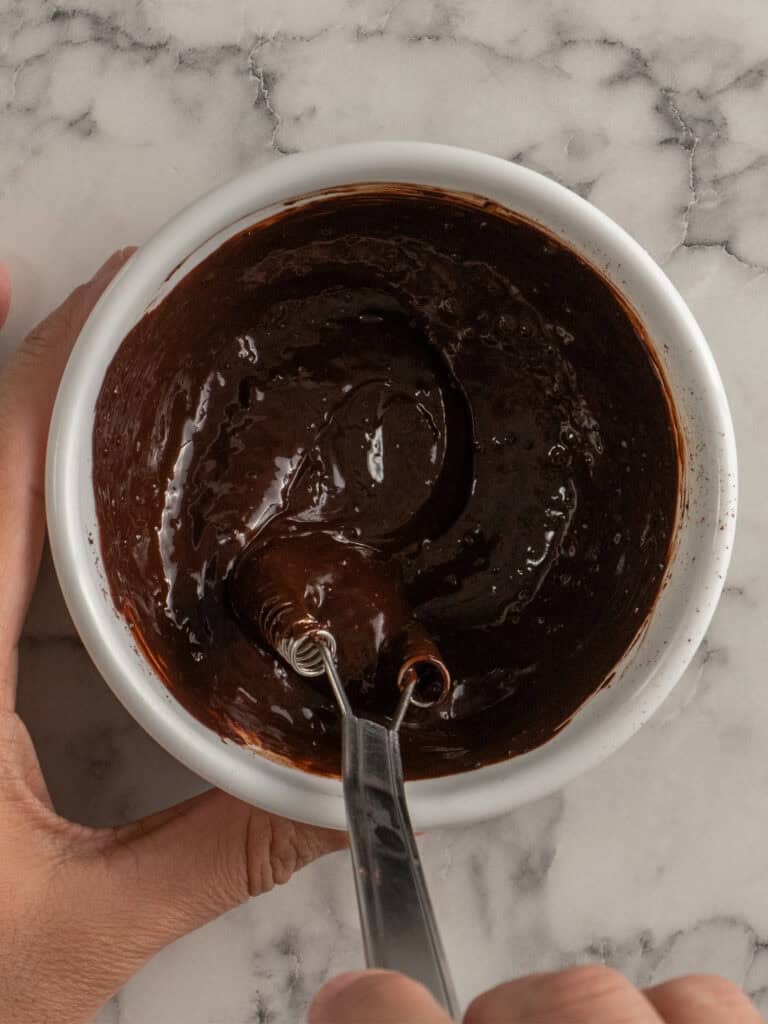
For those looking to add a personalized message, the use of a printable piping template is a game-changer. By placing a guide underneath the parchment paper, the baker can achieve professional-grade script in melted chocolate. Allowing the chocolate to cool slightly before piping ensures the lines remain crisp and do not bleed into the surface of the cake.
Implications for the Home Baker
The release of this recipe has significant implications for the home baking community. It challenges the notion that certain classic desserts are "too complex" to recreate outside of a professional kitchen. By providing a clear, step-by-step roadmap—backed by 27 rounds of scientific testing—it democratizes the creation of high-end patisserie.
Furthermore, it emphasizes the importance of using weight-based measurements rather than volume-based (cup) measurements. In a delicate cake like the Continental, the difference of a few grams of flour or sugar can be the difference between a light, airy sponge and a dense, leaden one. The inclusion of digital scale measurements is not merely a suggestion; it is a fundamental requirement for consistency.

Conclusion: The Joy of the "Wog" Birthday Standard
There is an undeniable cultural weight to this cake. In the context of Australian Mediterranean communities, the presence of a properly made Continental Cake is a marker of effort, care, and celebration. To arrive at a gathering of 50 guests and reveal that the centerpiece was crafted in one’s own kitchen is a feat that commands respect.

By following this disciplined approach—from the chiffon sponge to the mascarpone-stabilized Chantilly—the home baker is not just making a dessert; they are upholding a tradition of excellence. With these refined techniques, the need to rely on commercial bakeries for these celebrations is effectively removed, allowing the baker to reclaim the kitchen as a place of professional-grade artistry. Whether for a wedding, an anniversary, or a simple birthday, the resulting cake is a testament to the fact that with enough testing and attention to detail, perfection is entirely within reach.


 Asep Darmawan