
 Dwi Wanna
 Nana Wu
 Muslim
 Reynand Wu
 Ammar Sabilarrohman
 Lina Hope
In the world of Australian patisserie, few desserts carry the cultural weight and nostalgic reverence of the Continental Cake—often referred to as an Italian Rum Cake. Whether it is a milestone birthday in Melbourne’s northern suburbs or a family gathering in Sydney, this towering masterpiece of chiffon, custard, and cream is the undisputed centerpiece of the table. Yet, for home bakers, it has long remained an intimidating "bakery-only" item.

Nick, the culinary mind behind The Scranline, has set out to demystify this classic. After an exhaustive development process spanning two months and 27 distinct test bakes, he has unveiled a recipe designed to surpass the quality of standard commercial offerings. This is not merely a recipe; it is a technical manual for achieving the elusive, feather-light texture and structural integrity that characterizes the gold standard of Italian-style cakes.
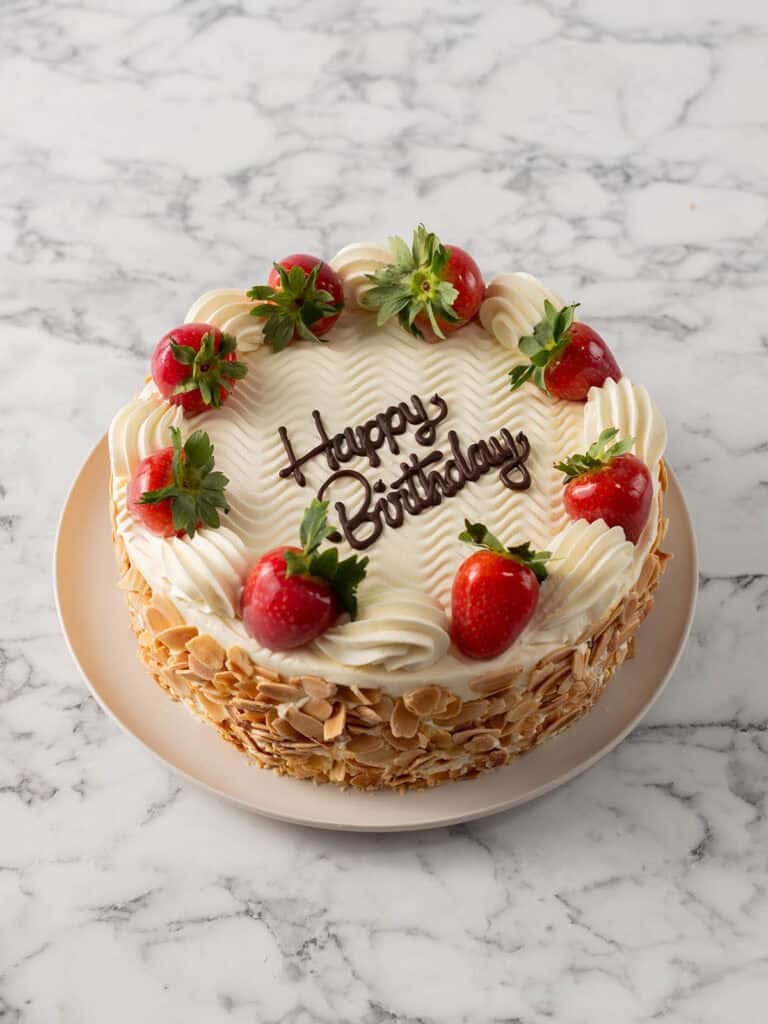
The Anatomy of the Perfect Continental Cake
The Continental Cake is defined by its specific architectural requirements: a sponge that must be soft enough to melt on the tongue but sturdy enough to withstand a generous drenching of rum-infused syrup without collapsing into a soggy mess.
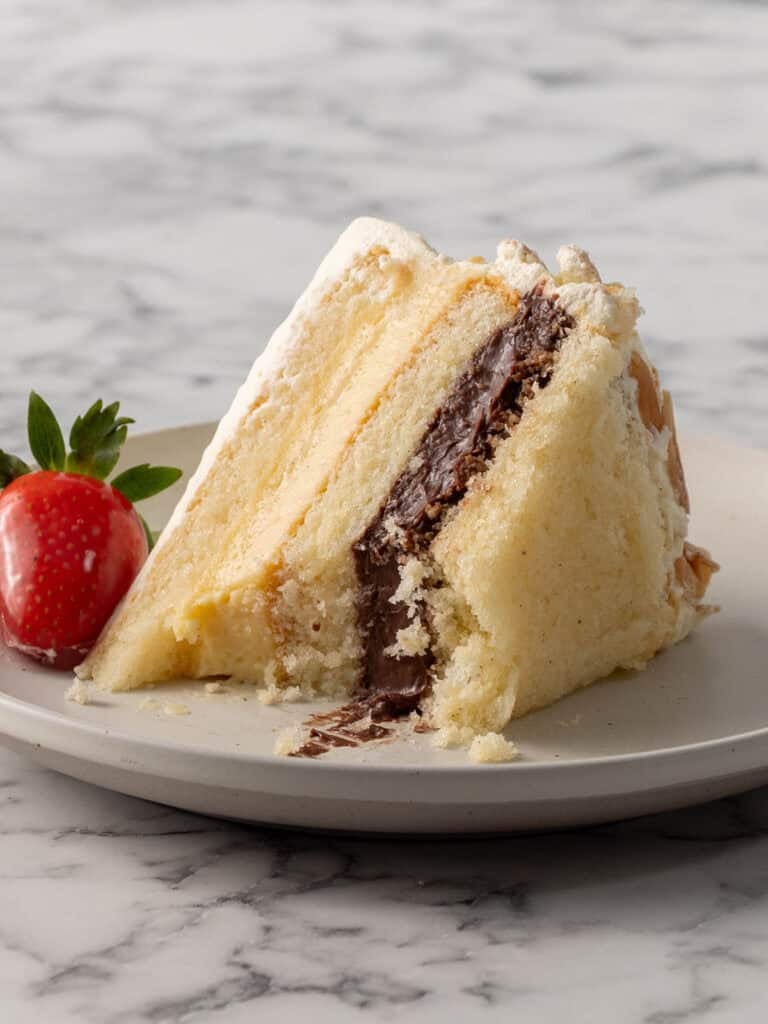
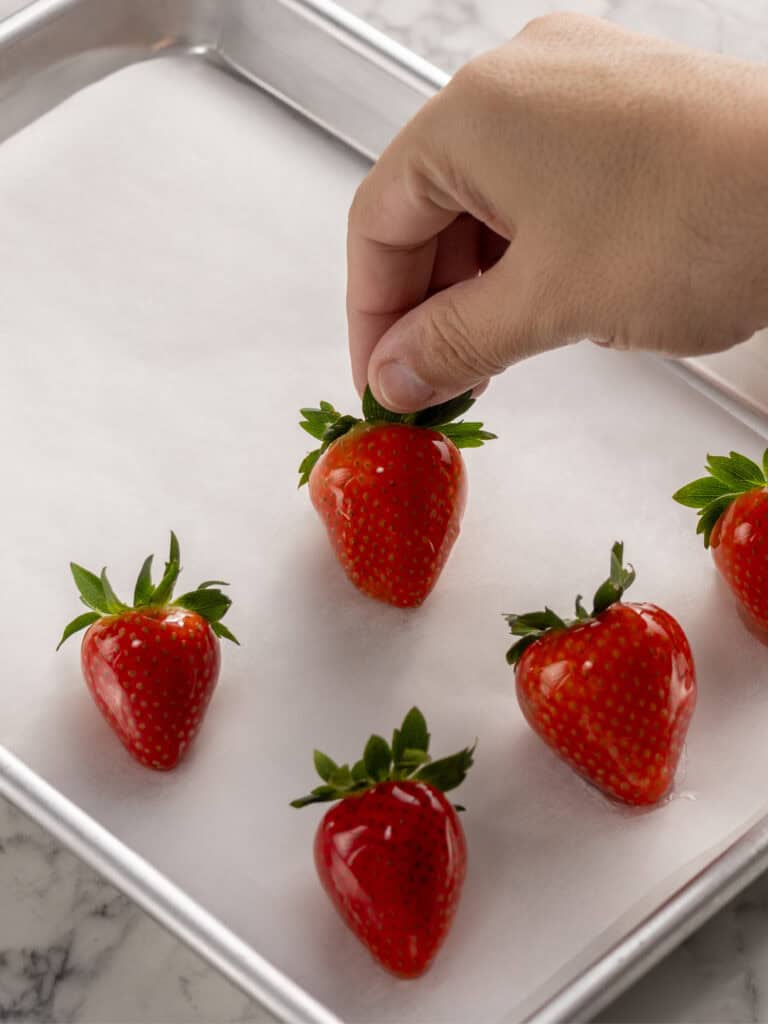
"I agonized over every single part of getting this cake right," says Nick. "From the mirror glaze on the strawberries to the consistency of the custard, every element had to be balanced."
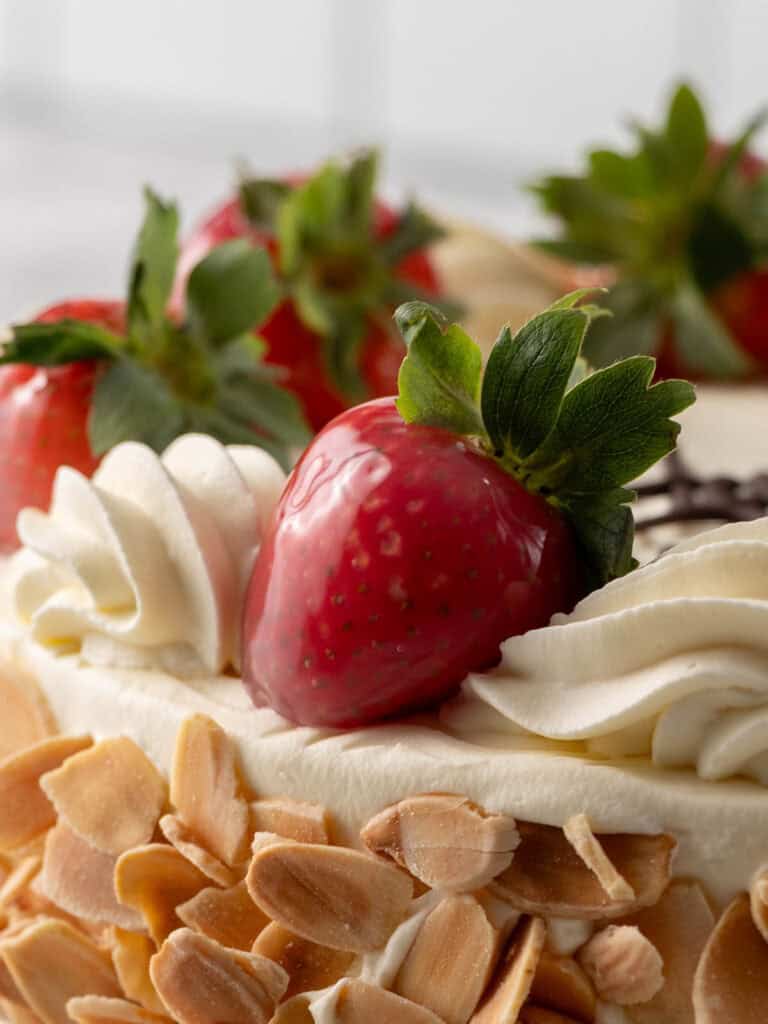
The secret to his breakthrough was moving away from traditional sponge recipes and pivoting to a chiffon base. Test 23 proved to be the turning point. The chiffon sponge offers an "unbelievably soft and fluffy" crumb, providing the necessary aeration to absorb the syrup while maintaining its structural "meatiness."
Chronology of Execution: A Professional Workflow
Achieving bakery-level results requires patience. Nick advises against attempting the assembly in a single day. Instead, he recommends a structured, multi-day workflow to ensure that components like the pastry cream and the chiffon sponge have sufficient time to set and stabilize.
Day 1: Foundations
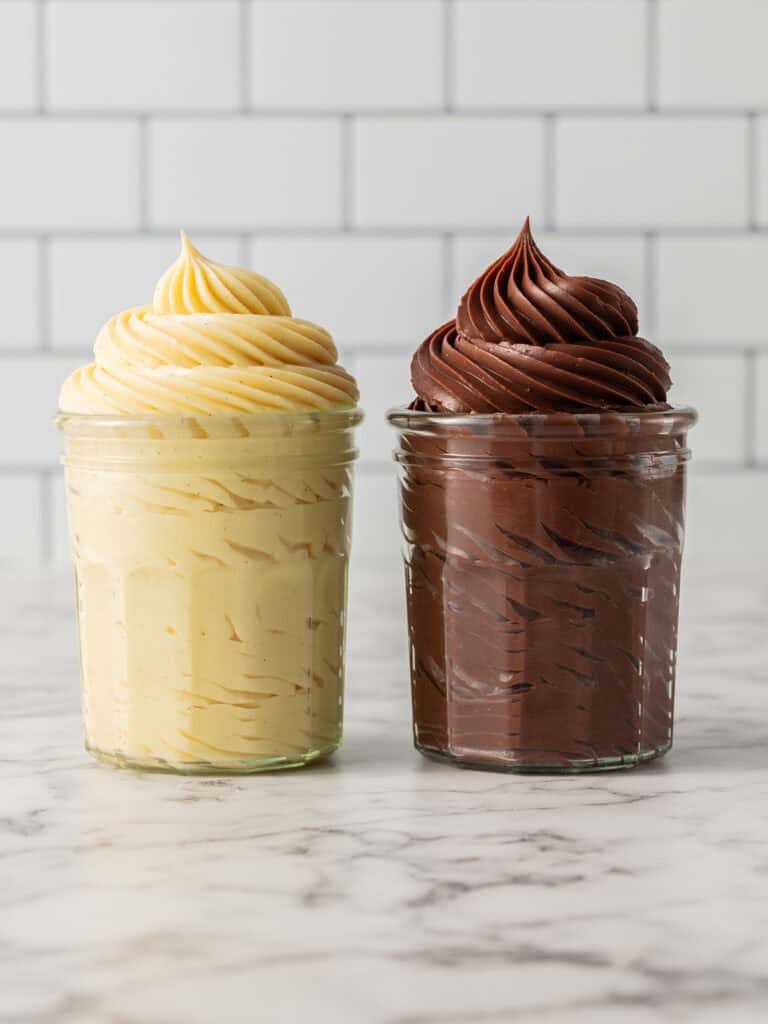
The primary objective of the first day is to prepare the core components. This includes baking the chiffon layers and preparing the pastry cream. For the custard, Nick utilizes a French pastry cream method, which he favors over the Italian variety for its superior stability—a vital trait when supporting the weight of multiple layers.
Day 2: Assembly and Finishing
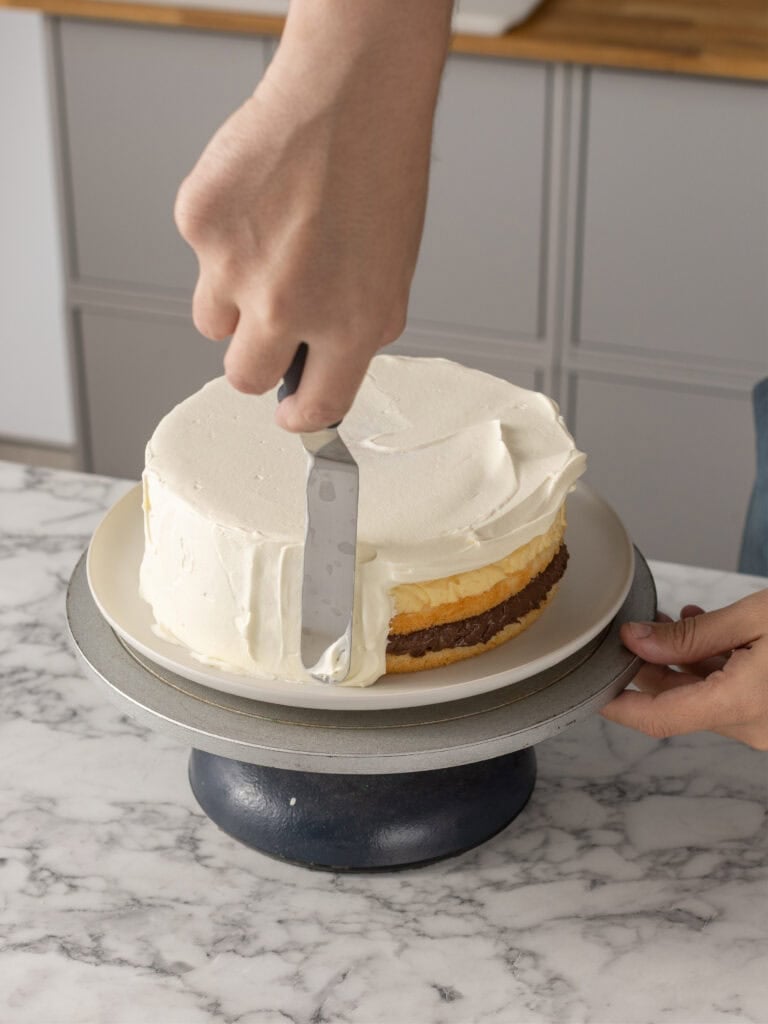
The second day is dedicated to the assembly. This involves layering the soaked sponge with the chilled custards, followed by the application of a stabilized Chantilly cream. By using mascarpone to stabilize the cream, the cake can hold its shape in the refrigerator for days, preventing the "weeping" often seen in commercial cakes that rely on inferior mock creams.
Supporting Data: The Technical Secrets to Success
The distinction between a mediocre home-baked cake and a professional-grade dessert often lies in the technique. Nick’s research highlights several critical "make or break" variables:
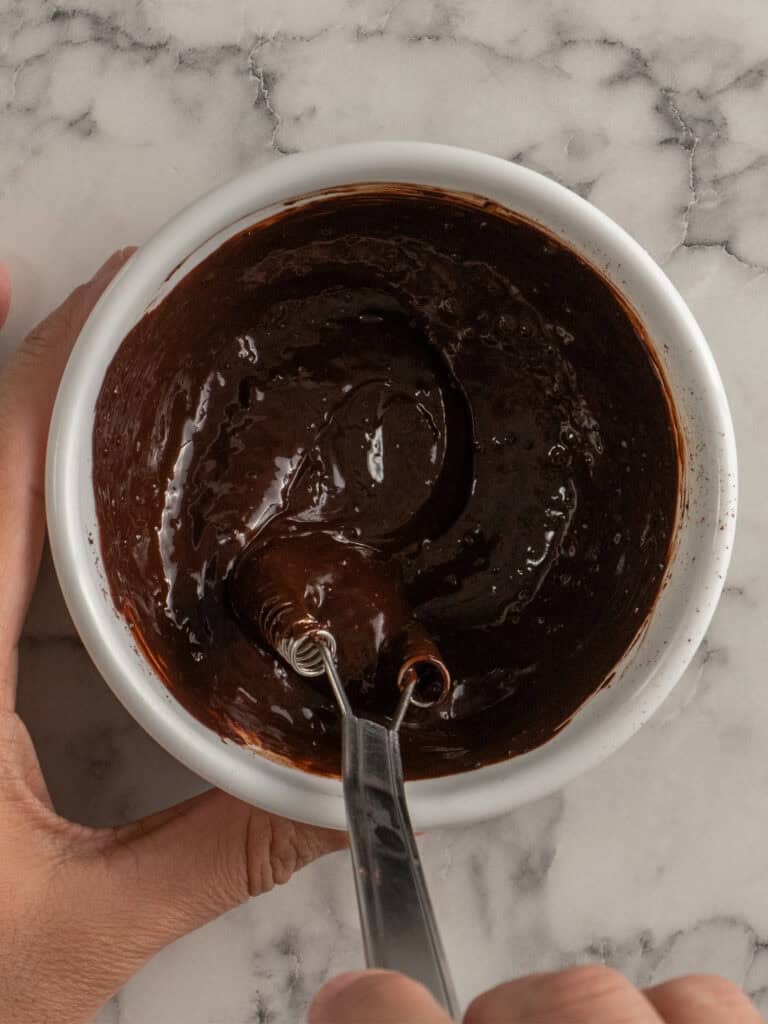
- The Whisking Technique: To achieve the perfectly smooth consistency required for professional pastry cream, a metal whisk and a stainless-steel pot are mandatory. Silicone tools and non-stick surfaces are insufficient for the friction required to emulsify the custard properly.
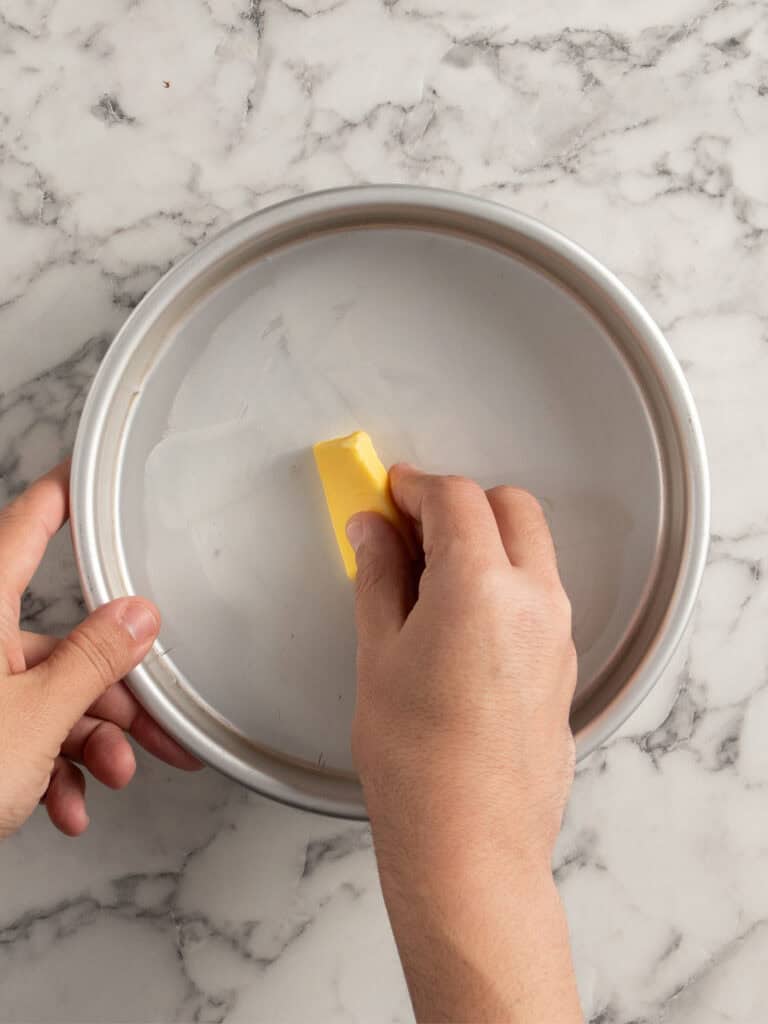
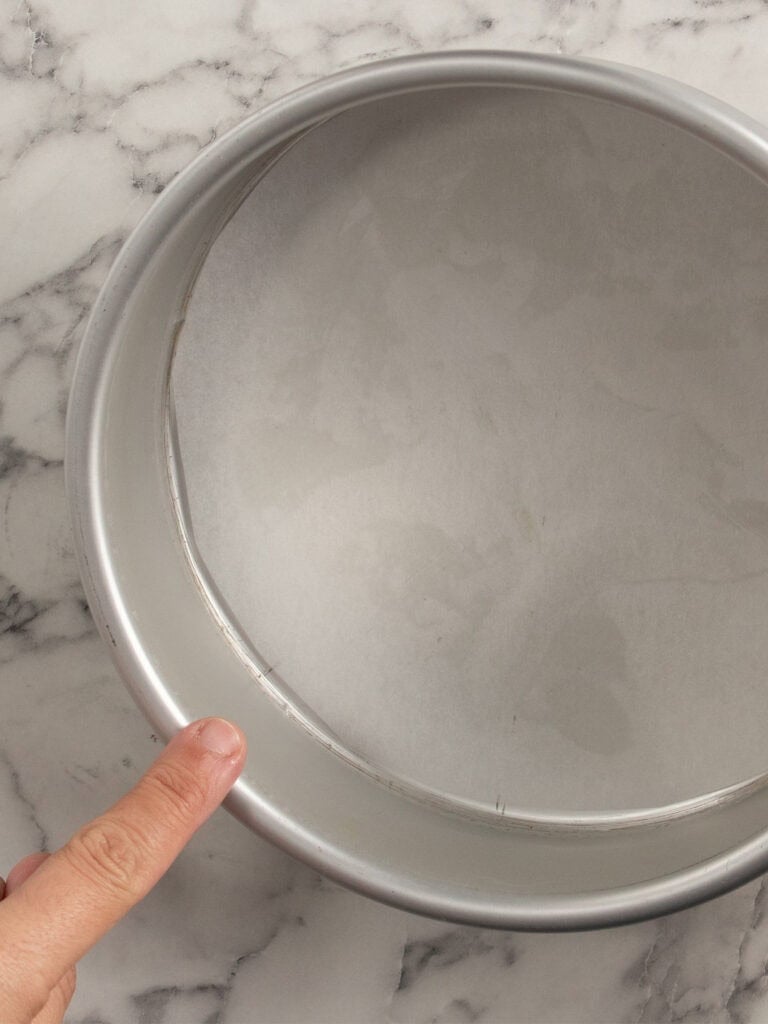
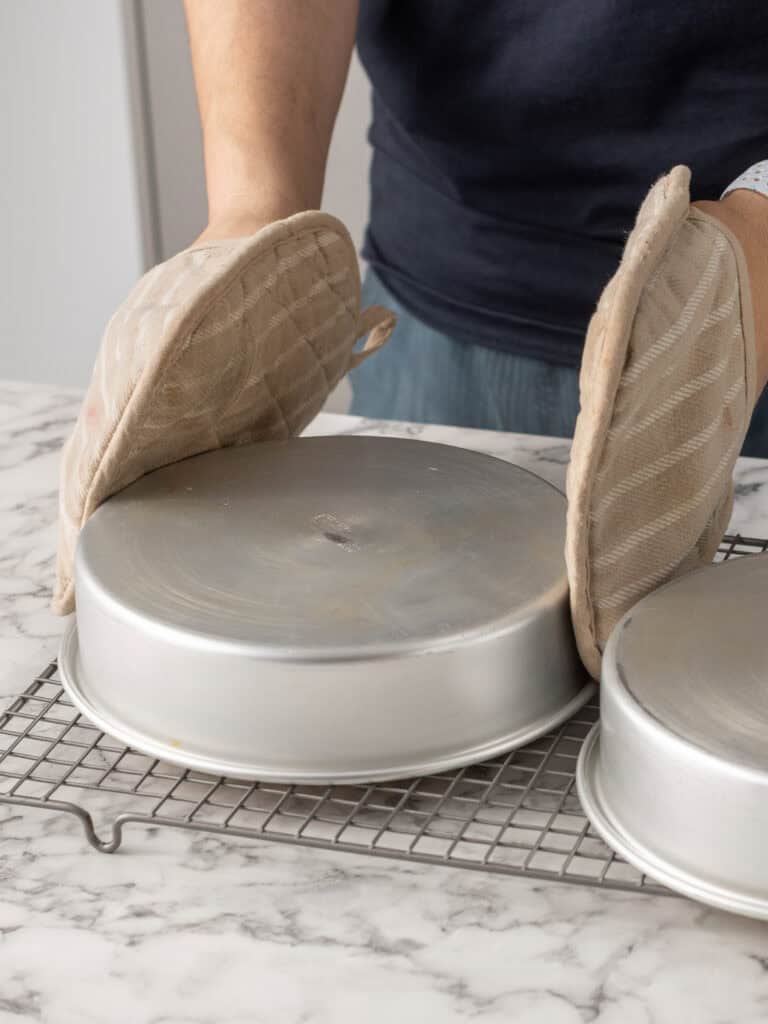
- The Pan Prep: A significant revelation in his testing was the method of greasing cake tins. Rather than oil spray, he recommends rubbing cold butter on the bottom of the tin only. Leaving the sides ungreased allows the chiffon to "climb" the walls of the pan as it bakes, preventing the shrinkage that results in uneven, non-uniform layers.
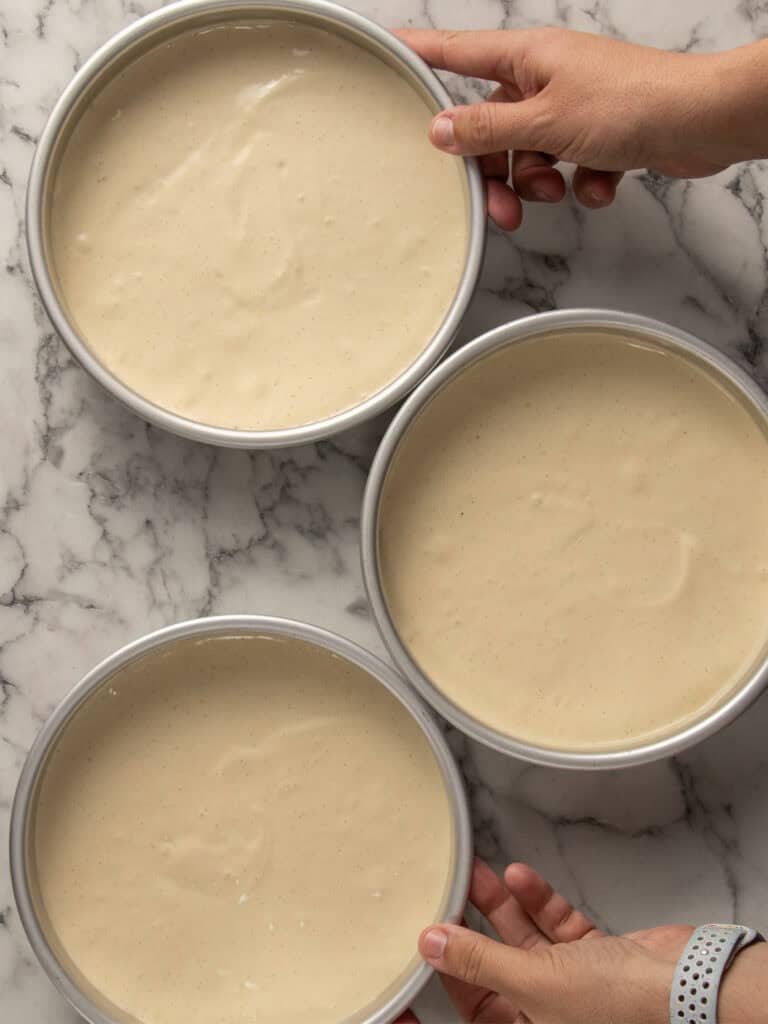
- The Meringue Variable: During the chiffon process, whisking the meringue on a medium speed—rather than high—is essential. This produces smaller, more uniform air bubbles, which results in a tighter, more resilient crumb structure.
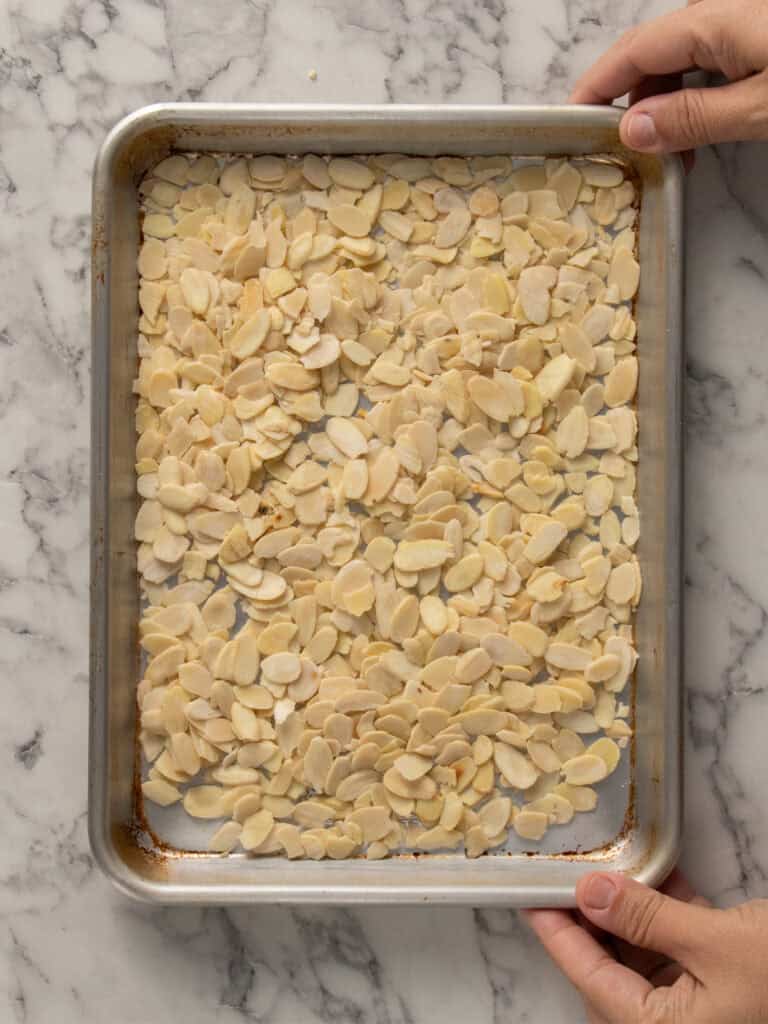
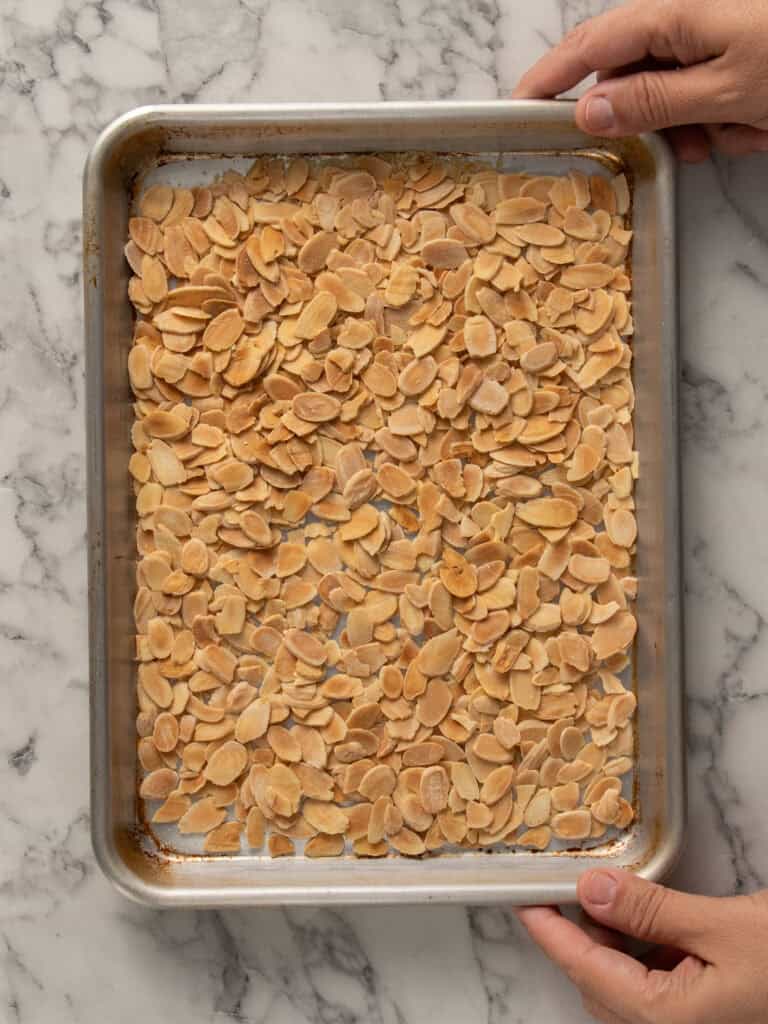
- The Almond Finish: While some bakeries use crushed peanuts, Nick advocates for toasted, flaked almonds. Baking them at a low temperature (150°C fan-forced) for 6–8 minutes unlocks a deep, nutty aroma that contrasts against the sweetness of the Chantilly cream.
Implications for the Home Baker
The primary implication of this recipe is the democratization of high-end patisserie. For decades, the "Continental Cake" was synonymous with commercial bakeries that utilized shelf-stable, synthetic mock creams to maintain structural integrity at room temperature.
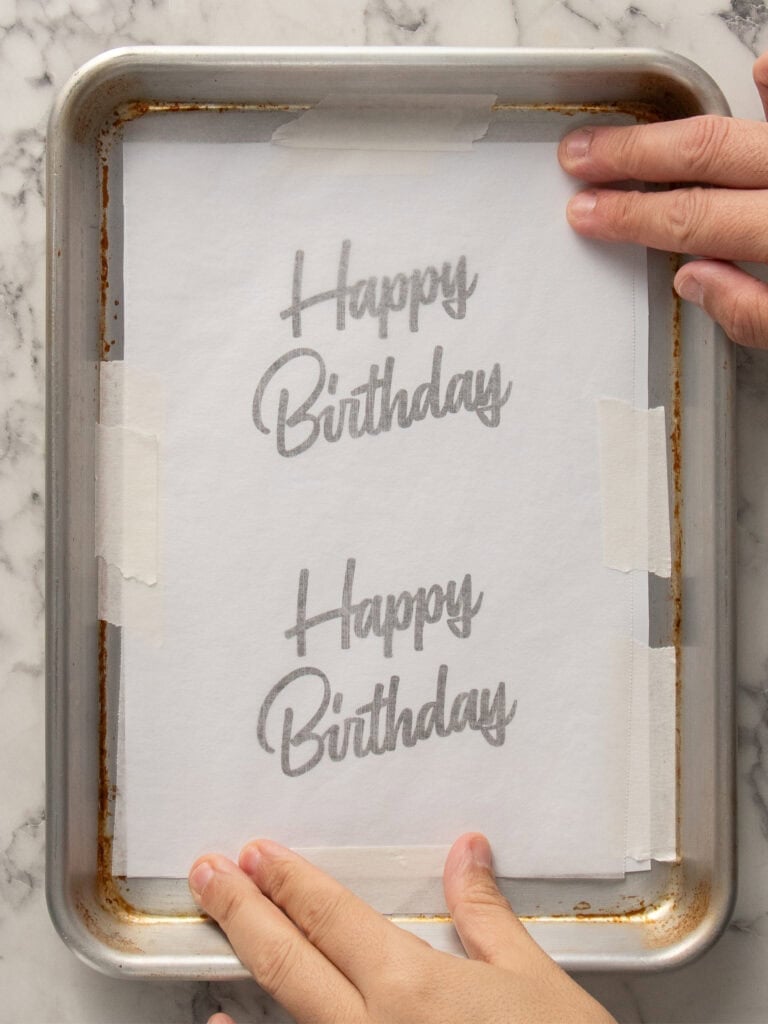
By utilizing real ingredients—heavy cream, mascarpone, and fresh fruit—the home baker is not only creating a product that tastes superior but one that is fundamentally more wholesome. Furthermore, the inclusion of a "bespoke" element, such as piping melted chocolate messages using a printable template, allows for a level of customization that standard bakery cakes simply cannot provide.
"Imagine being in a room of 50 people and they ask where you ordered the cake," Nick notes. "When you tell them you made it yourself, that moment of validation is something you’ll remember for years."
Addressing Common Pitfalls
Through his rigorous testing, Nick has identified the most common failure points for the amateur baker:
- The Underbaked Sponge: If the cake layers pull away from the sides of the tin prematurely, it is almost certainly a sign of underbaking. While the cake may still be edible, the structural integrity of the layers will be compromised during the stacking process.
- The Glaze Lumps: The strawberry glaze is a final, optional touch that provides a professional gloss. However, it must be prepared immediately before use. Making it too far in advance causes it to set, and attempting to reheat or thin it out inevitably leads to a lumpy, unattractive finish.
- The Strawberry Bleed: While the strawberries are the visual highlight of the dessert, they are also a point of failure. The glaze will begin to turn a milky white if left on the cake for too long. For the best presentation, the final decoration should occur no more than two hours before serving.
Final Thoughts: The Emotional Value of Craft
The transition from "consumer" to "creator" is a central theme in this project. While the Continental Cake is a staple of Australian celebrations, it is also a symbol of culinary heritage. By perfecting this recipe, the home baker isn’t just following instructions; they are participating in a tradition.
As Nick concludes, "It’s a little emotional letting go of this recipe after so much testing, but it’s ready to share." For those willing to invest the time—12 hours of total commitment including chilling—the reward is a dessert that serves 20, costs a fraction of a boutique bakery price, and carries the undeniable pride of handmade craftsmanship.
Whether for a birthday, anniversary, or a Sunday afternoon gathering, the ability to recreate this specific taste of home ensures that the Continental Cake remains the undisputed king of the dessert table.


 Azzam Bilal Chamdy
 Sagoh
Sagoh