

 Layla Zulfa
 Laily UPN
 Neng Nana
 Sagoh
Sagoh
 Raul Delapena Setiawan
 Basiran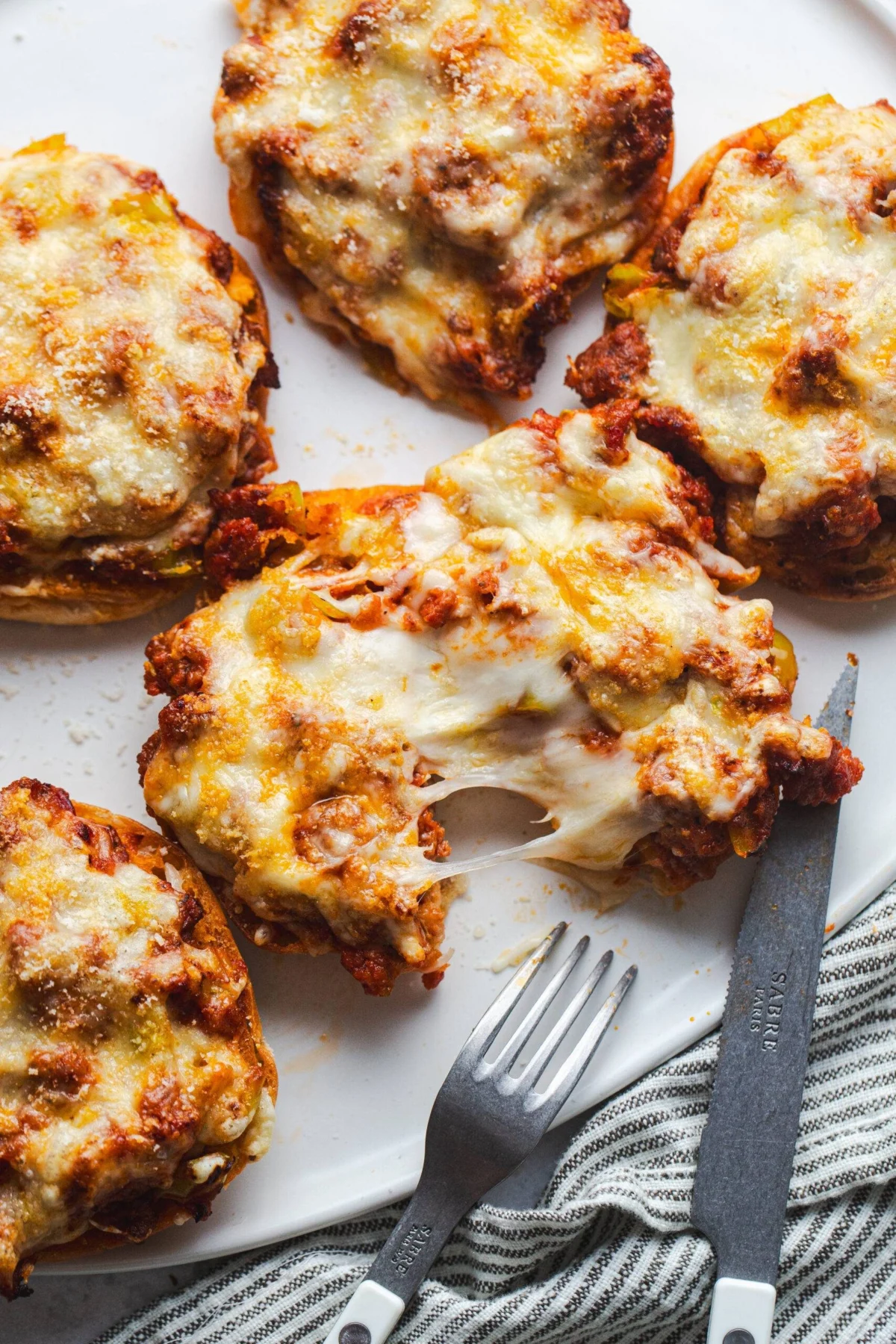
In the landscape of modern home cooking, where complex fermentation, sous-vide techniques, and ingredient-sourcing ethics dominate the conversation, there is a quiet, savory revolution taking place in the kitchens of busy families. It is a return to basics—a nod to the “Midwestern mom” aesthetic of the 1990s—centered around a humble, freezer-friendly icon: the pizza burger.
For many, the pizza burger is more than just a quick meal; it is a cultural artifact of childhood, a staple of family gatherings, and a masterclass in culinary simplicity. Recently, this retro comfort food has seen a surge in popularity, thanks to its seamless integration into the modern demands of meal prepping and the efficiency of the air fryer.
Main Facts: The Anatomy of a Classic
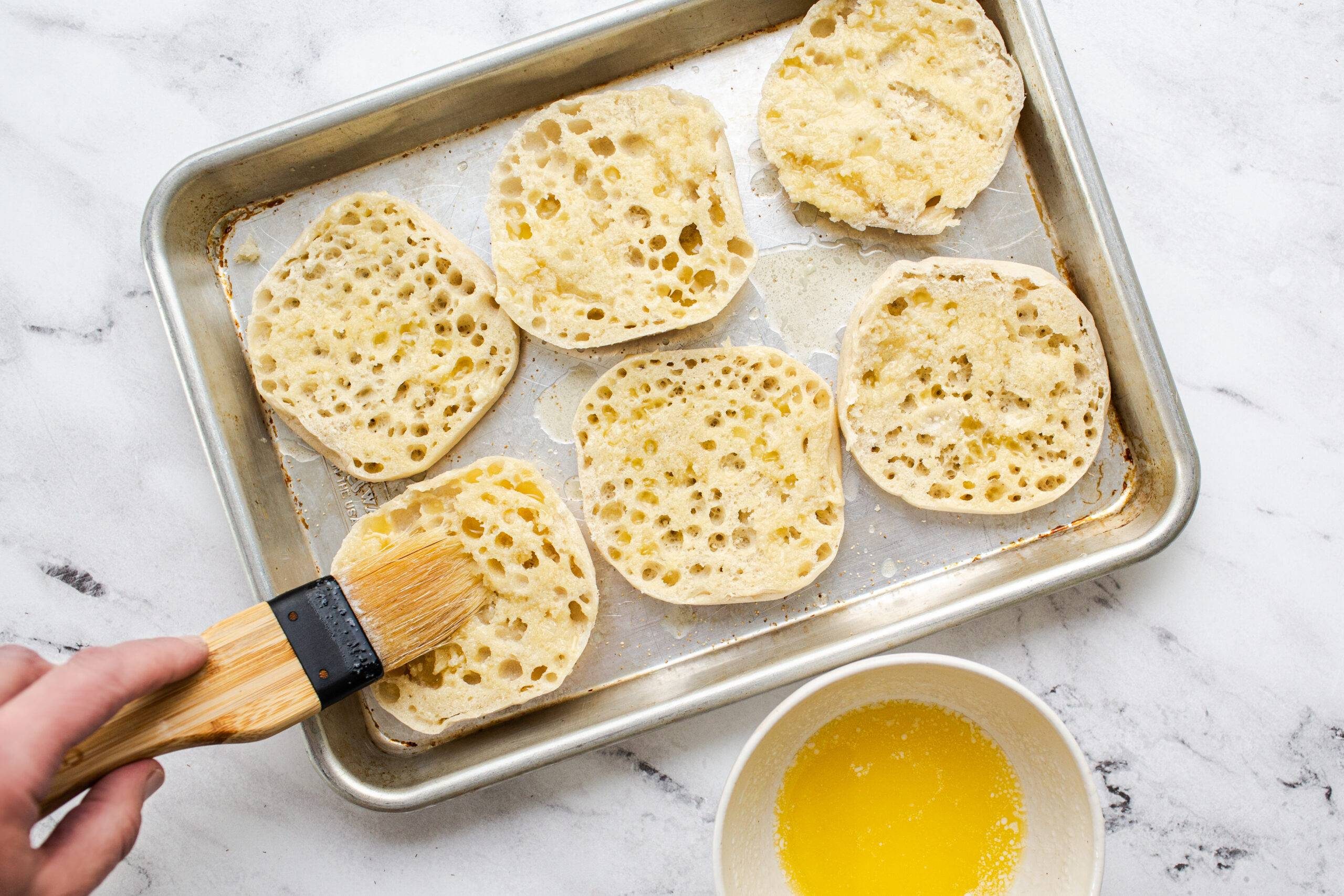
The modern pizza burger is a study in texture and contrast. At its core, the recipe relies on the structural integrity of the English muffin. Unlike traditional hamburger buns, which can become soggy under the weight of savory sauces, the English muffin provides a nooks-and-crannies foundation that toasts beautifully, especially when brushed with garlic butter.
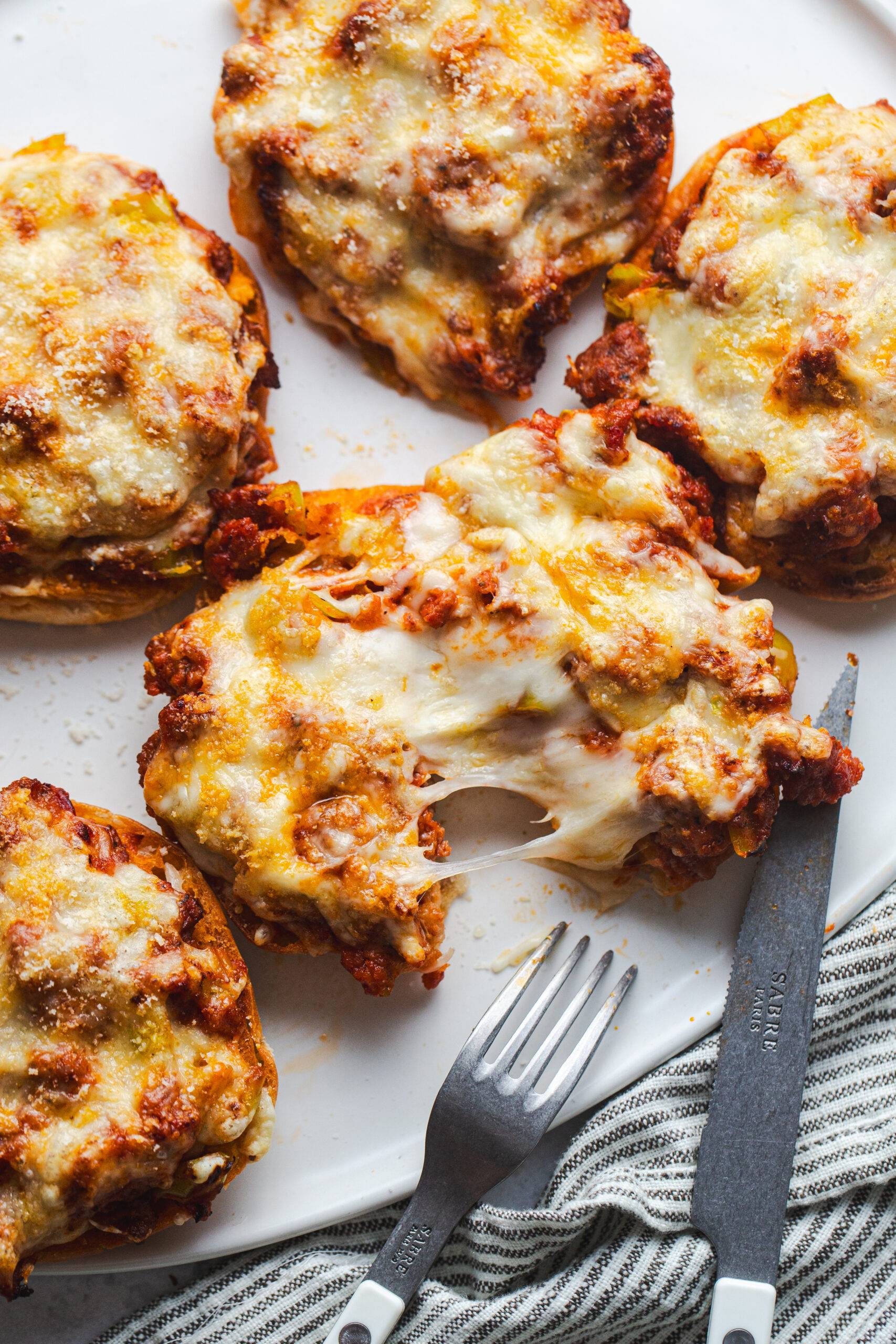
The assembly is straightforward but highly effective:
- The Foundation: A toasted English muffin brushed with a garlic-infused butter glaze.
- The Filling: A savory meat mixture, traditionally ground beef, though contemporary iterations have pivoted toward ground Italian sausage, turkey, or chicken to suit leaner, more flavor-forward profiles.
- The Binding: A rich, herb-forward marinara sauce that ties the protein to the bread.
- The Finish: A layer of melty, browned cheese that seals the deal.
The result is a handheld meal that manages to hit the high notes of a gourmet pizza while maintaining the nostalgic, comforting delivery of a classic diner burger.
Chronology: From Grandma’s Kitchen to the Air Fryer
The trajectory of the pizza burger reflects the evolution of the American domestic kitchen. In the mid-20th century, these open-faced sandwiches were a hallmark of "freezer stash" culture—a practical solution for grandmothers and parents tasked with feeding large families on a budget.

The Formative Years: Initially popularized as a way to extend expensive meats with pasta sauce and cheese, the recipe became a staple in regions across the Midwest. It was designed to be prepared in bulk, frozen, and thawed, serving as an emergency dinner solution for hectic weeknights.
The Digital Resurgence: As food blogging gained momentum in the 2010s, home cooks began documenting these "family favorites," elevating them from secret recipes to public staples. The narrative shifted from mere utility to emotional connection, with many creators framing the recipe as a "collab" between generations—preserving the traditional English muffin base while updating the proteins and flavor profiles.
The Air Fryer Era: The most significant shift in the timeline occurred with the mass adoption of the air fryer. What was once a standard oven-baked dish—often taking 20 minutes to heat through—was transformed into an 8-minute, high-heat process. This technological shift made the pizza burger a viable, instantaneous lunch option, propelling it back into the rotation of modern households.
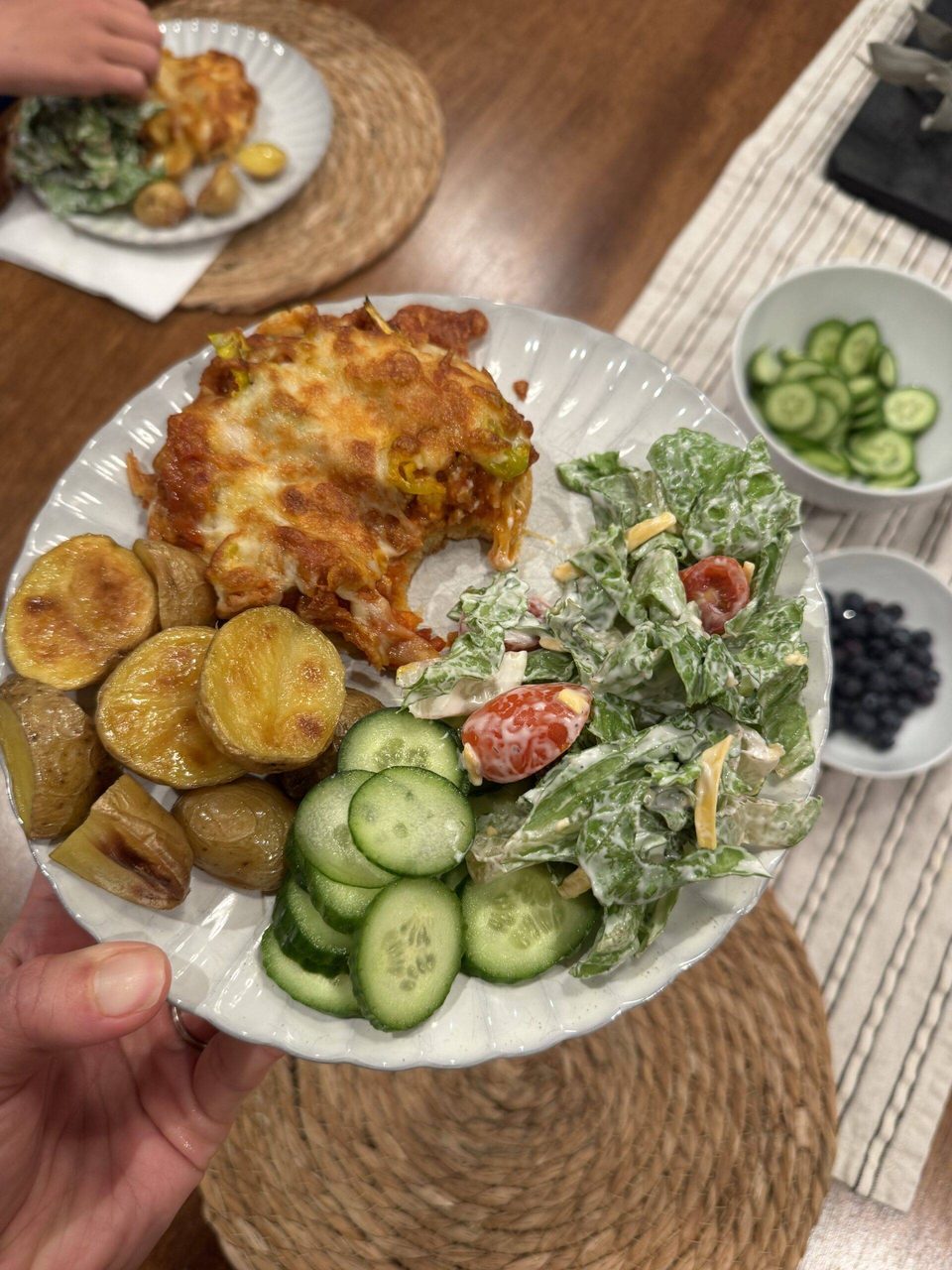
Supporting Data: Why It Works
The popularity of the pizza burger is not merely anecdotal; it is rooted in the psychology of "convenience-based comfort." Market analysts and food bloggers note several key factors that contribute to the enduring success of this dish:
1. The Meal-Prep Efficiency
Modern families are increasingly prioritizing "batchability." Because pizza burgers can be fully assembled and frozen in bulk, they represent a significant reduction in cognitive load during the work week. The ability to pull a frozen, ready-to-heat meal from the freezer at 6:00 PM is a major selling point for time-poor parents.
2. Flavor Customization
The base recipe is highly modular. Culinary data suggests that "customizable" meals have a higher retention rate among families with picky eaters. By swapping ground beef for Italian sausage, or adding pepperoncini for a spicy kick, the home cook can pivot the dish from a mild kid-friendly meal to an adult-oriented savory experience without changing the fundamental process.

3. The Texture Profile
The air fryer’s ability to crisp the edges of the English muffin while keeping the interior soft and the cheese molten addresses the "soggy bread" problem that plagues many other freezer-to-oven meals. The contrast between the crunch of the garlic-buttered muffin and the savory, salty filling provides a satisfying sensory experience that processed frozen foods often lack.
Official Perspectives: The "Midwestern Mom" Ethos
The recent discourse surrounding the pizza burger often features a signature "Midwestern" warmth. Proponents of the dish, including notable culinary voices like Lindsay Ostrom of Pinch of Yum, argue that the appeal lies in the lack of pretense.
"It’s mindlessly easy, loved by my kids, and just fun to make," notes one prominent food creator. This sentiment is echoed across social media platforms, where the dish is frequently presented with an emphasis on "real life" cooking. By acknowledging the chaos of the "end-of-school-year madness," these influencers are framing the pizza burger not as a gourmet masterpiece, but as a reliable, high-quality partner for daily life.
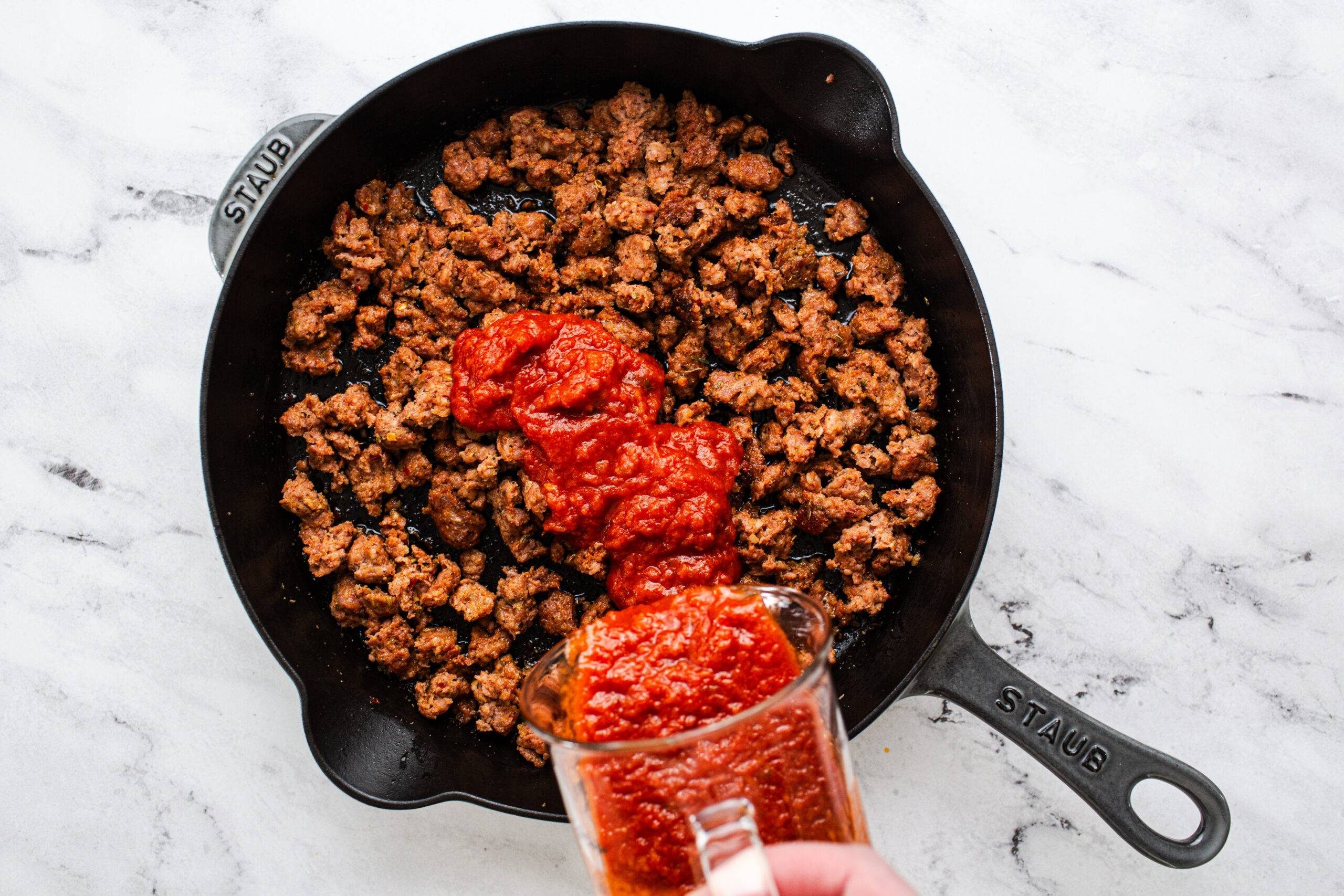
The emphasis is placed on "good ingredients"—the use of high-quality olive oil, fresh Italian herbs, and premium sausages—to elevate a humble dish. This "low-effort, high-reward" philosophy is currently a dominant trend in food media, as consumers look for ways to balance the desire for home-cooked meals with the reality of limited time.
Implications for Future Domestic Cooking
The survival and rise of the pizza burger suggest a shift in how we define "success" in the kitchen. For decades, the industry pushed the narrative that home cooking should be an aspirational, time-intensive pursuit. The modern consumer, however, is pushing back.
The Return of the "Staple"
We are witnessing a decline in the interest of complex, one-off culinary projects in favor of "evergreen" recipes. The implication here is that home cooks are prioritizing recipes that can be mastered, repeated, and integrated into a sustainable lifestyle. The pizza burger is a prime example of this: once you learn the technique, it becomes an automated part of your routine.
The Role of Technology
The reliance on air fryers and convection-based countertop appliances has permanently altered how we approach freezer-to-table meals. We are likely to see more recipes designed specifically for the unique environment of the air fryer—focusing on speed, browning, and individual portions rather than large-format roasting.
The Emotional Connection
Finally, the enduring nature of the pizza burger proves that food is inherently tied to memory. Even as we upgrade the ingredients—using better sausage, artisan breads, or artisanal cheeses—the core experience remains grounded in the traditions passed down from grandmothers and parents. In a world of increasing digital disconnection, the act of making a recipe that connects a cook to their childhood is a powerful motivator for home cooking.
Conclusion
The pizza burger is more than a quick meal; it is a testament to the fact that the best food is often the food that brings us the most comfort. As it continues to be updated for the modern kitchen, it remains a pillar of reliable, accessible, and delicious cooking. Whether you are prepping for a busy week or simply looking for a nostalgic bite, the pizza burger stands ready to be transformed by your own creative touch. It is, quite simply, a moment—one that is worth repeating.


 Asep Darmawan
 Evan Lee Salim