
 Dwi Wanna
 Nana Wu
 Muslim
 Reynand Wu
 Ammar Sabilarrohman
 Nana Muazin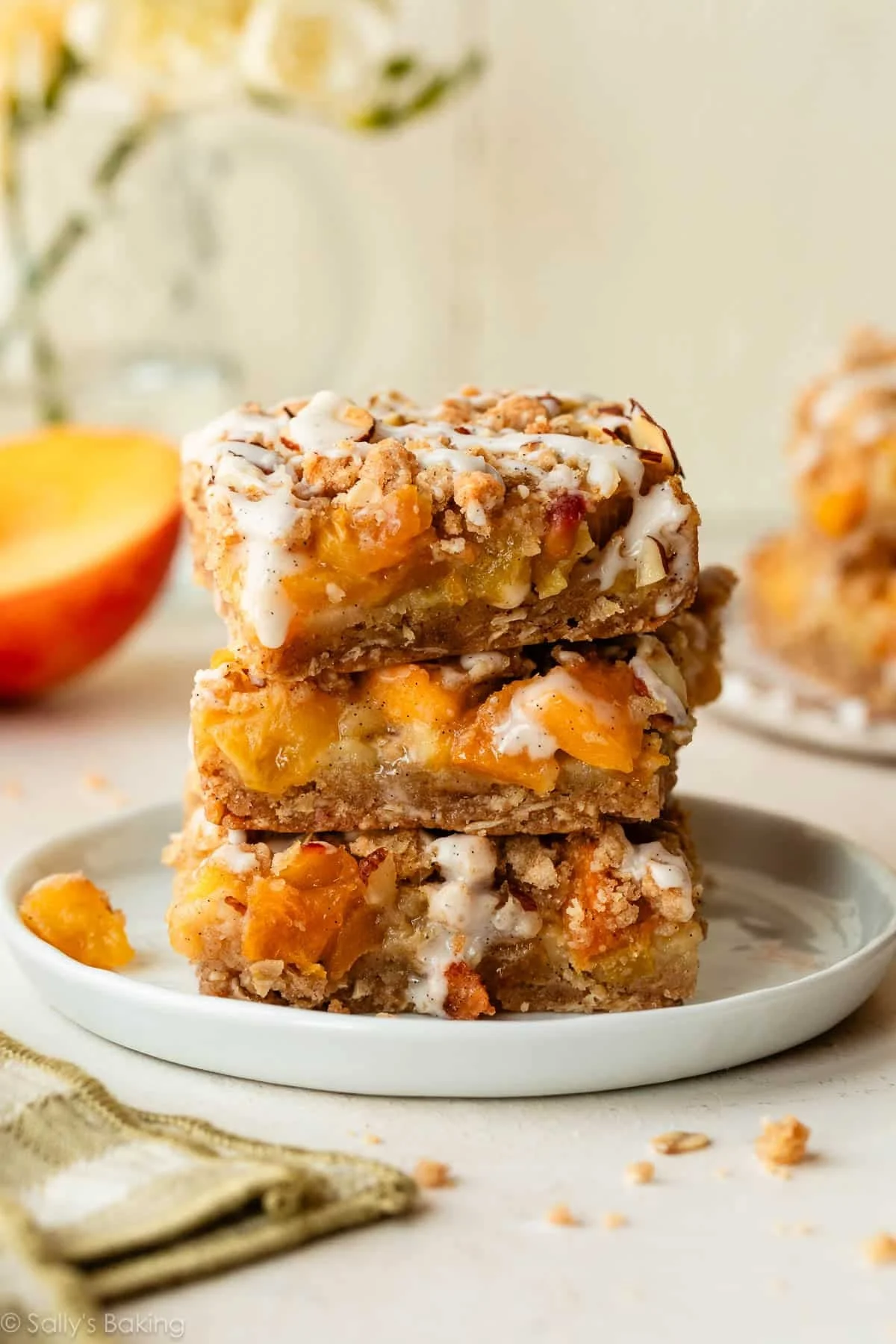
When the late summer sun hits its peak and local orchards begin offering their most fragrant, sun-ripened bounty, the culinary world turns its attention to the humble peach. While traditional cobblers and deep-dish pies have long reigned supreme as the quintessential vessels for this stone fruit, a more modern, efficient, and equally delicious contender has secured its place in the pantheon of seasonal desserts: the Peach Pie Crumb Bar.
Combining the structural integrity of a buttery oat crust with the vibrant, jammy intensity of cinnamon-spiced peaches, these bars offer a sophisticated yet accessible alternative to the labor-intensive process of traditional pastry work. Originally introduced to home bakers in 2013, this recipe has recently undergone a rigorous, professional-grade retesting process, resulting in a refined version that promises a superior texture and a more harmonious flavor profile than ever before.
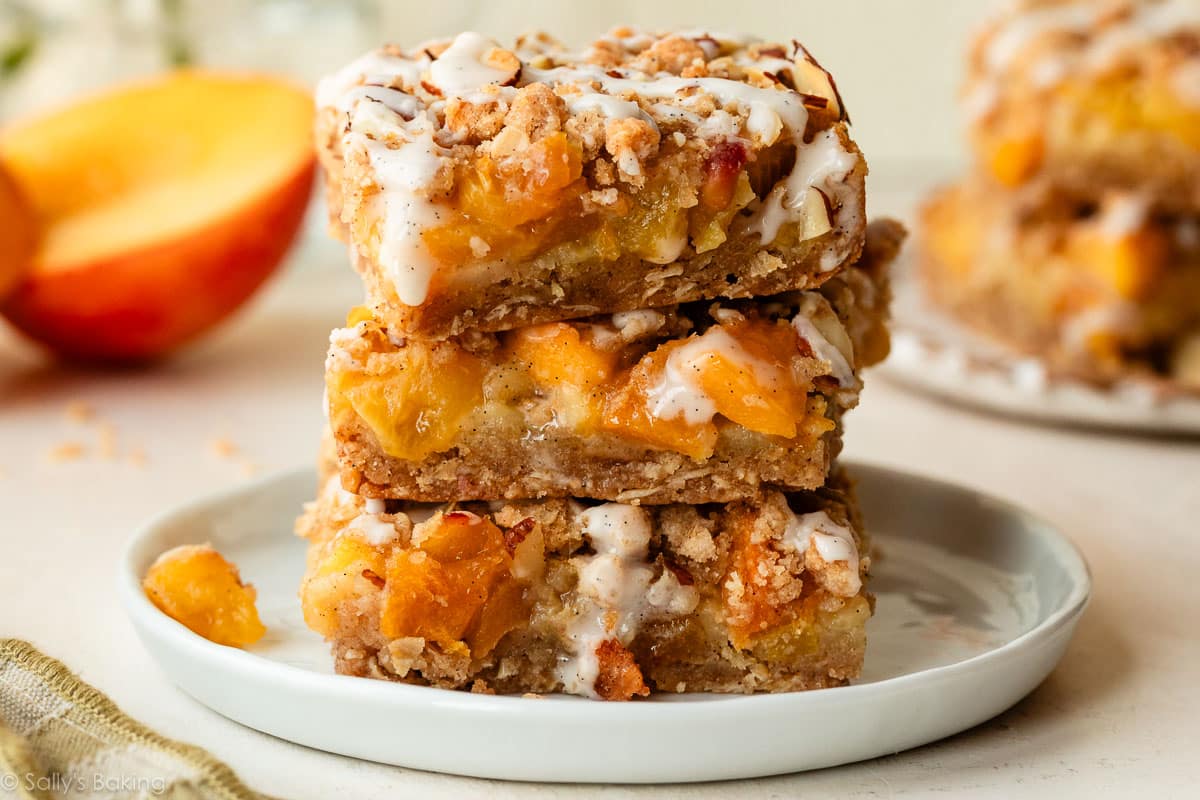
The Anatomy of the Perfect Bar: Core Components and Construction
The success of the peach pie crumb bar lies in its structural efficiency. Unlike a standard pie, which requires the tempering of delicate doughs and the anxiety of preventing a "soggy bottom," these bars utilize a dual-purpose oat-based mixture.
The Foundation: A Buttery, Resilient Crust
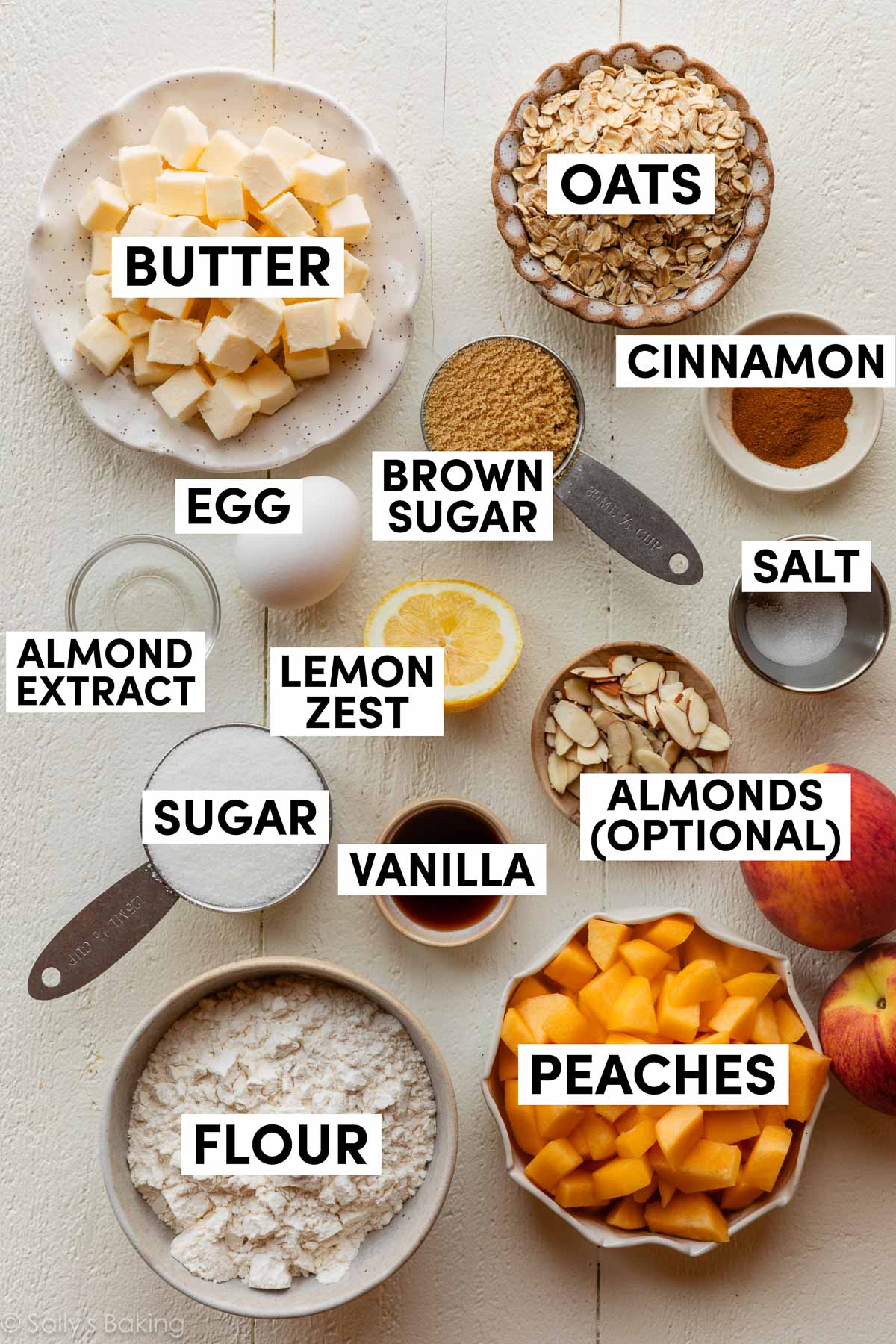
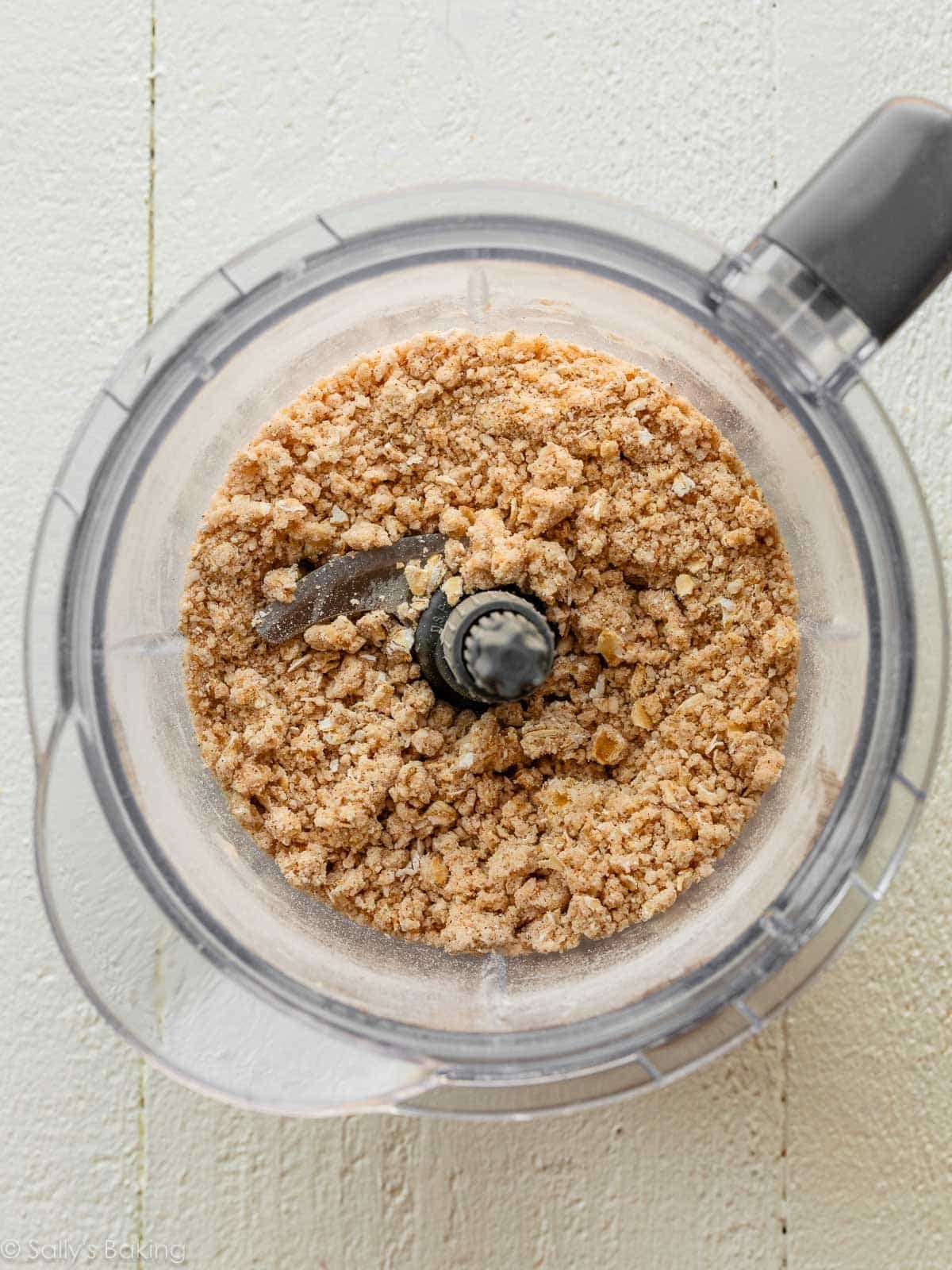
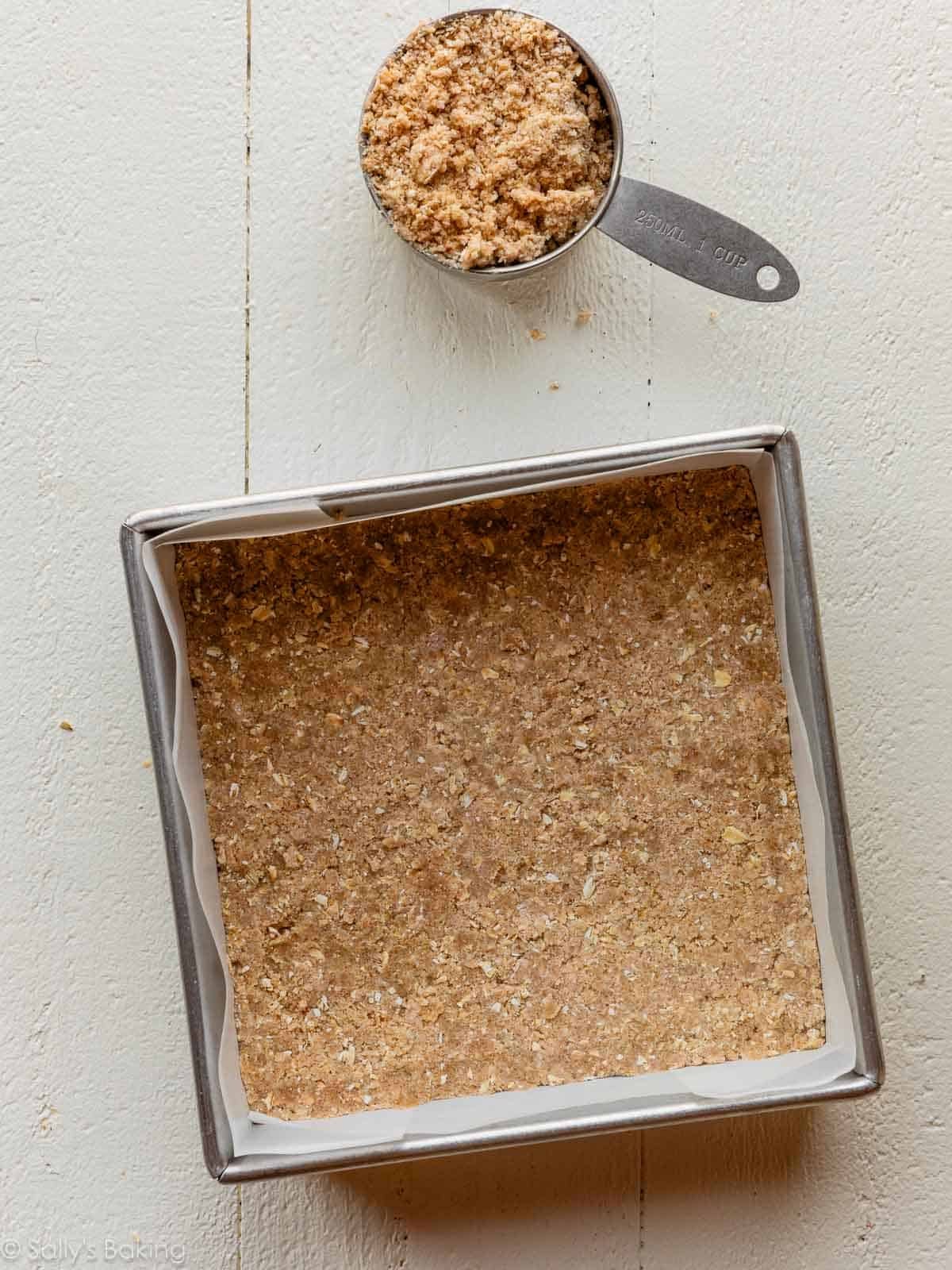
The base of the bar is engineered to provide a sturdy, shortbread-like foundation that can support a heavy, fruit-forward filling. By incorporating rolled oats, brown sugar, and cold butter, the crust achieves a satisfying crunch that anchors the softer, fruit-heavy layers above. The genius of this recipe lies in the "double-duty" nature of the dough; the same mixture that forms the base is reserved to create the crumble topping, effectively streamlining the preparation process and reducing cleanup—a major selling point for home cooks hosting summer gatherings.
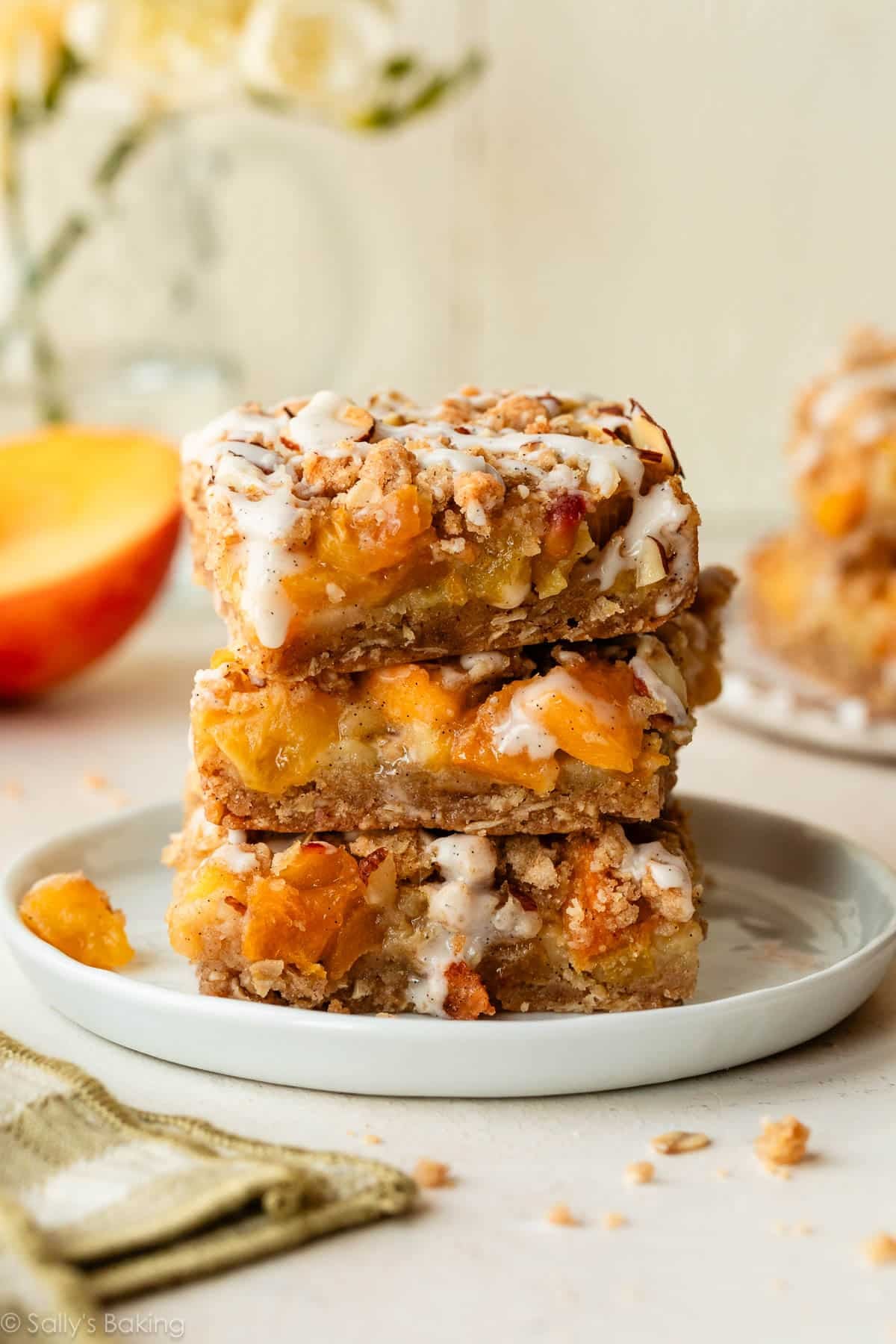
The Filling: Capturing the Essence of Summer
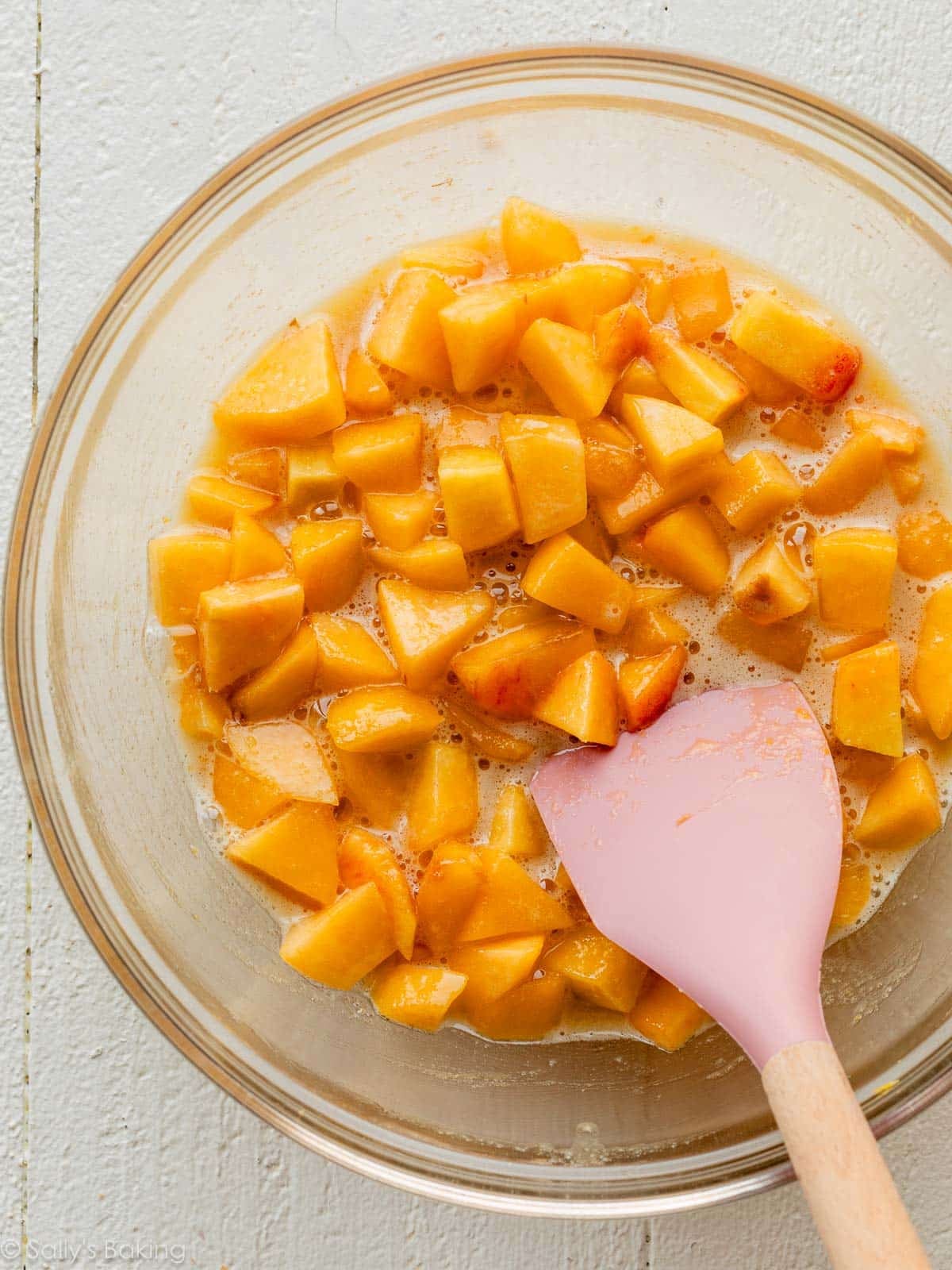
The filling represents a departure from the heavy cornstarch-thickened glazes often found in commercial pies. Instead, the recipe relies on the natural pectin and sugars inherent in fresh peaches. When combined with a hint of cinnamon and a touch of sugar, the fruit releases its juices during the baking process, thickening into a natural, syrupy consistency that permeates the layers of the crust.
The Finishing Touch: The Vanilla Glaze
While the bar is substantial on its own, the addition of a simple three-ingredient vanilla icing serves two purposes: visual appeal and flavor balance. The sweetness of the glaze cuts through the tartness of the stone fruit, providing a bakery-quality finish that makes the dessert feel like a professional patisserie creation rather than a rustic, home-baked afterthought.
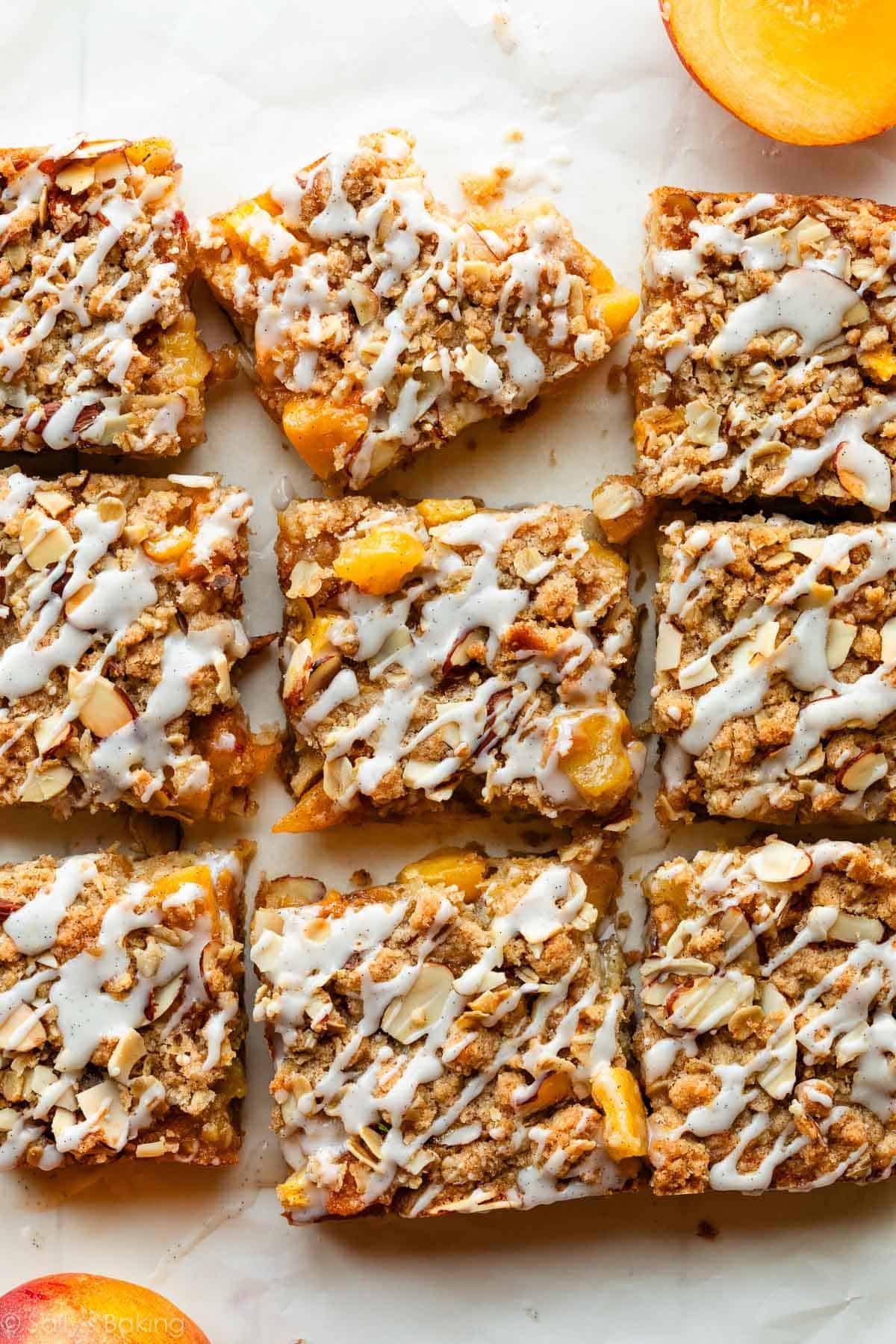
Chronology of a Culinary Classic: From 2013 to Today
The journey of this recipe serves as a case study in how digital-age cooking content evolves. When the recipe was first published in 2013, the goal was simple: to offer a manageable way to enjoy the flavors of peach crumble pie without the hassle of a rolling pin.
Over the last decade, culinary standards have shifted. Home bakers are now more technically literate, thanks to the explosion of cooking tutorials and food photography. Recognizing this, the development team undertook a comprehensive review of the original 2013 instructions. This wasn’t merely an update for the sake of SEO; it was a deep-dive technical retesting. Every measurement was verified, the ratios of butter to flour were recalibrated for a more consistent crumble, and the oven temperatures were adjusted to ensure that the transition from the "pre-bake" phase to the final bake resulted in a perfectly golden-brown finish every time.
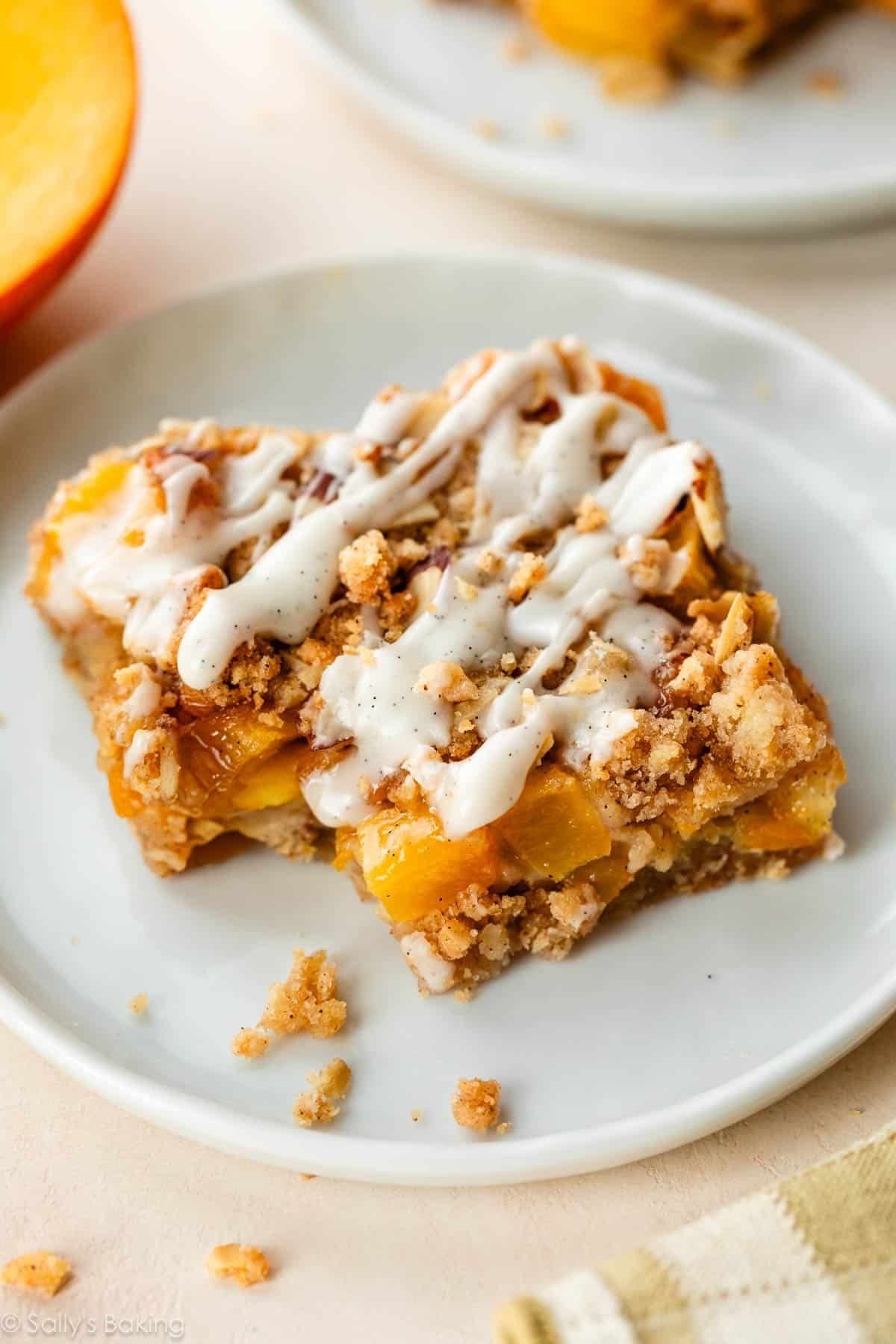
Supporting Data: Why Technique Trumps Ingredients
While the quality of the peaches is undoubtedly paramount, the "success data" gathered from the kitchen suggests that technique is the true arbiter of quality.
The "Pre-Bake" Imperative
One of the most frequently asked questions regarding this recipe concerns the necessity of the pre-bake phase. Data shows that skipping this step leads to a high probability of a "leaking" bar—a situation where the fruit juices liquefy the bottom layer of the crust before it has a chance to set. By baking the crust independently for several minutes, the butter in the flour/oat mixture has time to solidify and crisp, creating a moisture-proof barrier that keeps the final product stable, sliceable, and portable.
The Temperature Pivot
Precision is non-negotiable in this recipe. The transition from 350°F (177°C) for the crust to 375°F (191°C) for the final bake is a calculated shift designed to manipulate the sugars in the peach filling. At the higher temperature, the sugars caramelize more rapidly, creating a deep, complex flavor profile that elevates the fruit from "cooked" to "roasted."
The Cooling Protocol
Perhaps the most difficult part of the process is the waiting period. The recipe requires a full cooling cycle at room temperature, followed by a minimum of two hours in the refrigerator. During this period, the starches in the crust and the pectin in the fruit undergo a process of retrogradation, allowing the bar to firm up into a clean, geometric slice. Attempting to cut the bars while warm is the most common cause of "structural failure" for novice bakers.
Professional Perspectives on Seasonal Baking
Culinary experts often note that the "easy-to-serve" format of bars is a direct response to the changing landscape of social dining. As formal sit-down dinners give way to potlucks, picnics, and casual backyard barbecues, the need for handheld, mess-free desserts has skyrocketed.
"We are seeing a move away from the high-maintenance centerpiece dessert," notes a veteran culinary consultant. "People want the flavor of a high-end pie but the mobility of a cookie. The peach pie crumb bar is the perfect intersection of those two desires. It is a high-reward, low-stress project that allows the ingredient—the fresh peach—to speak for itself."
Implications for Future Baking Trends
The enduring popularity of these bars points to a broader trend in home baking: the "democratization of the bakery." As more consumers gain access to high-quality ingredients and professional-style recipes, the barrier to entry for making bakery-quality goods at home continues to shrink.
The inclusion of optional add-ins, such as sliced almonds, pecans, or walnuts, underscores the flexibility of this recipe. It is no longer just a "peach bar"; it is a template for seasonal adaptation. The same base, once mastered, can easily be adapted for nectarines, plums, or even hybrid stone fruits as they come into season.
Conclusion: A Masterclass in Simplicity
The Peach Pie Crumb Bar is a testament to the idea that great baking does not always require complexity. By focusing on the structural foundations of a good crust and the chemical requirements of fruit fillings, the modern home baker can produce a dessert that stands toe-to-toe with any store-bought alternative.
Whether one is a seasoned baker looking for a reliable summer standby or a novice hoping to impress at a neighborhood gathering, this recipe offers a path to success that is both delicious and repeatable. As we continue to look for ways to simplify our lives without sacrificing the quality of our food, the peach pie crumb bar remains an essential, timeless staple of the American dessert repertoire. It is, quite simply, the essence of summer, captured in a square.

 Evan Lee Salim