
 Dwi Wanna
 Nana Wu
 Muslim
 Reynand Wu
 Ammar Sabilarrohman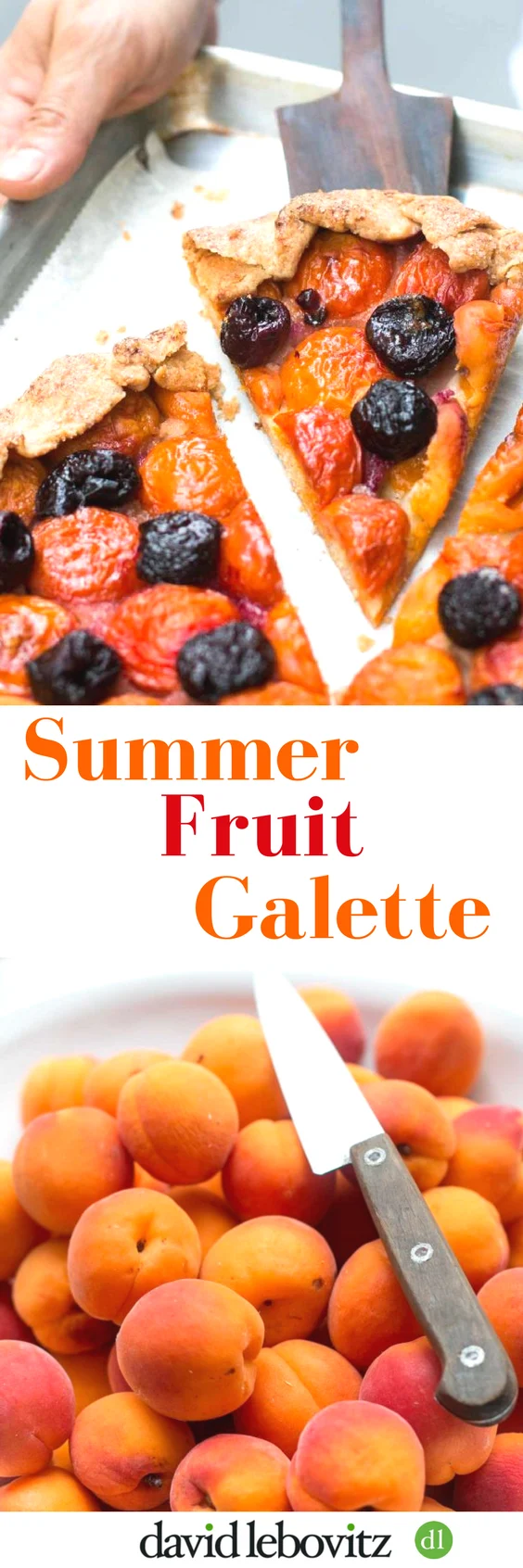
For the professional baker and the home enthusiast alike, summer is not merely a season; it is a fleeting, high-stakes window of opportunity. As the mercury rises and the days stretch toward twilight, the markets of Paris—and indeed, markets across the globe—undergo a vibrant transformation. The arrival of stone fruits signals a shift in the culinary landscape, one that demands both speed and precision to capture the ephemeral sweetness of the harvest at its peak.
The Seasonal Surge: Why Summer Reigns Supreme
The allure of summer baking lies in the sheer abundance and accessibility of high-quality produce. Peaches, nectarines, cherries, and plums become the stars of the market stalls, their prices fluctuating in inverse proportion to their availability. For the astute baker, this is the prime time to "stock up," a practice that often transcends mere recipe-following and enters the realm of preservation.
In the historic markets of Paris, the hunt for producteurs—those vendors who cultivate the very produce they sell—is an essential pilgrimage. These growers bring a specific caliber of fruit: Reine Claude and mirabelle plums that carry the scent of the orchard, melons that perfume the air from several feet away, and apricots that possess a balance of acidity and sweetness that is impossible to replicate in the off-season.
The Economics of Imperfection
An interesting development in the local market scene is the professional management of "imperfect" fruit. Traditionally, vendors might label bruised or over-ripe cherries as being "for clafoutis," a clever marketing euphemism for "best used in baking." While staff turnover is a natural occurrence, the philosophy remains constant: high-quality, slightly bruised, or surplus produce is offered at a significant discount. This provides an economic advantage for the home cook, allowing for large-scale jam making and pastry production at a fraction of the standard cost.
A Chronology of the Harvest and Preparation
The process of transforming raw, seasonal fruit into a masterpiece like a galette follows a distinct, ritualistic timeline.
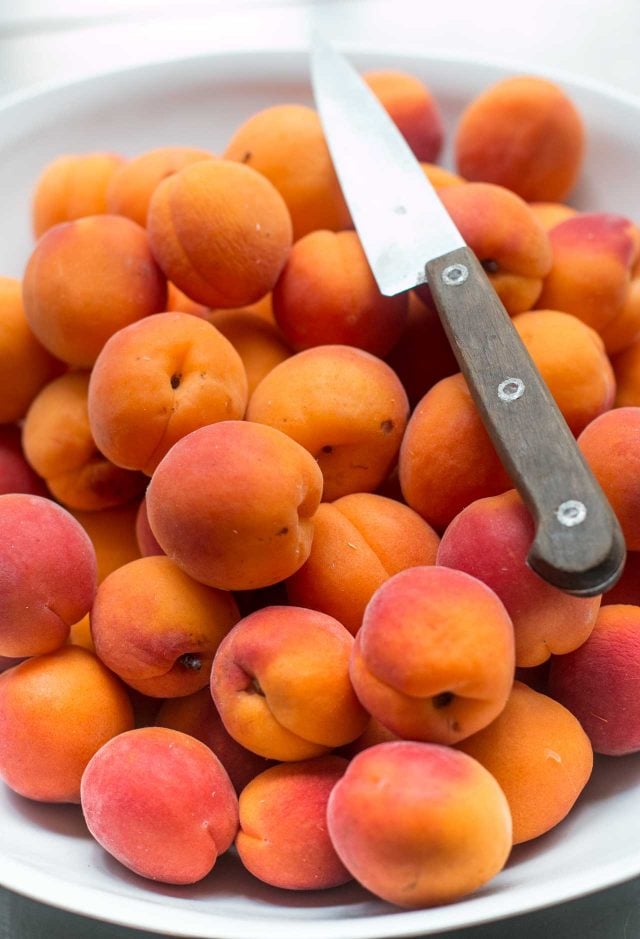
The Procurement Phase: It begins with the arrival of the first lugs of apricots. At a price point of approximately 5 Euros for 3 kilograms, the incentive to buy in bulk is significant. This leads to what one might affectionately call "Fruit Hoarding"—the act of clearing the vendor’s stock to ensure that no single piece of fruit goes to waste.
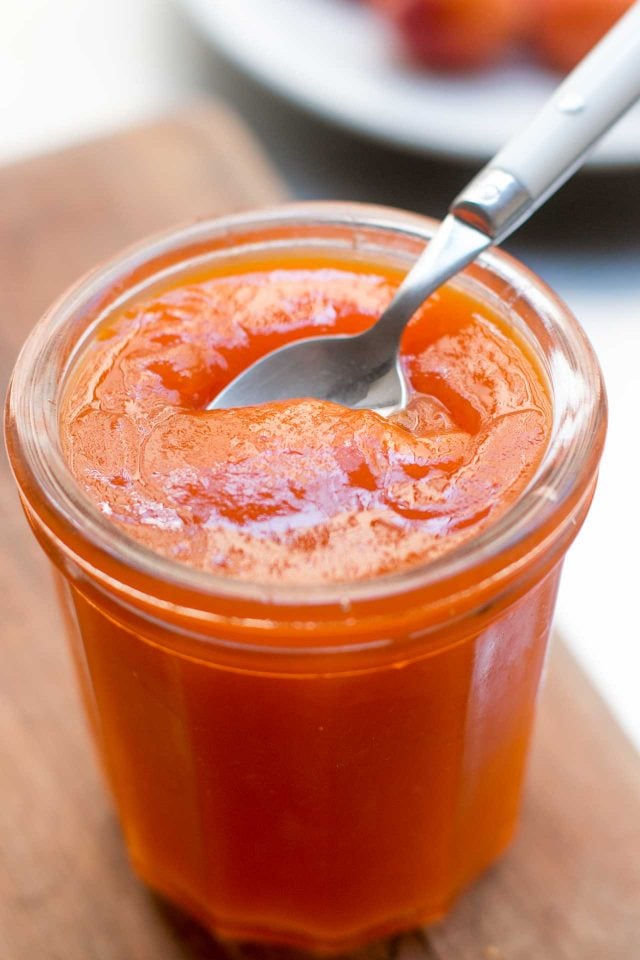
The Preservation Phase: Before the baking begins, the preservation of the harvest is paramount. Apricot jam acts as the cornerstone of this phase. By converting excess fruit into jars of preserves, the baker secures the flavor of summer for the months when the markets turn to apples and pears.
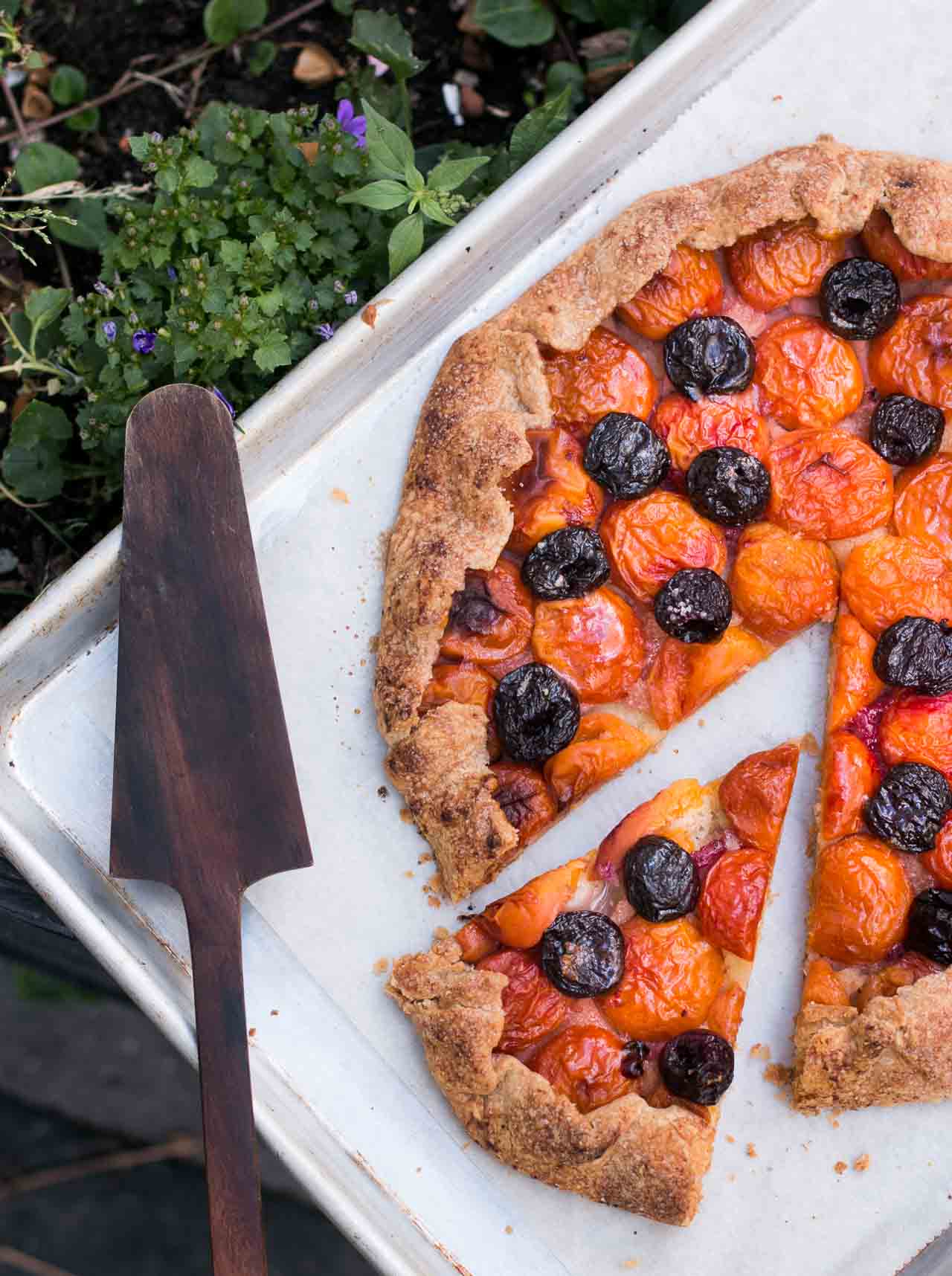
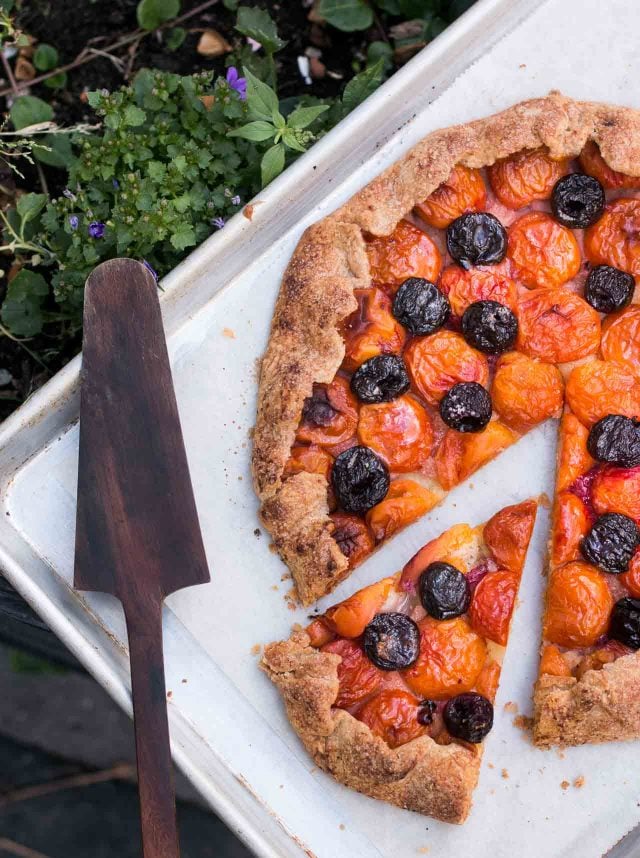
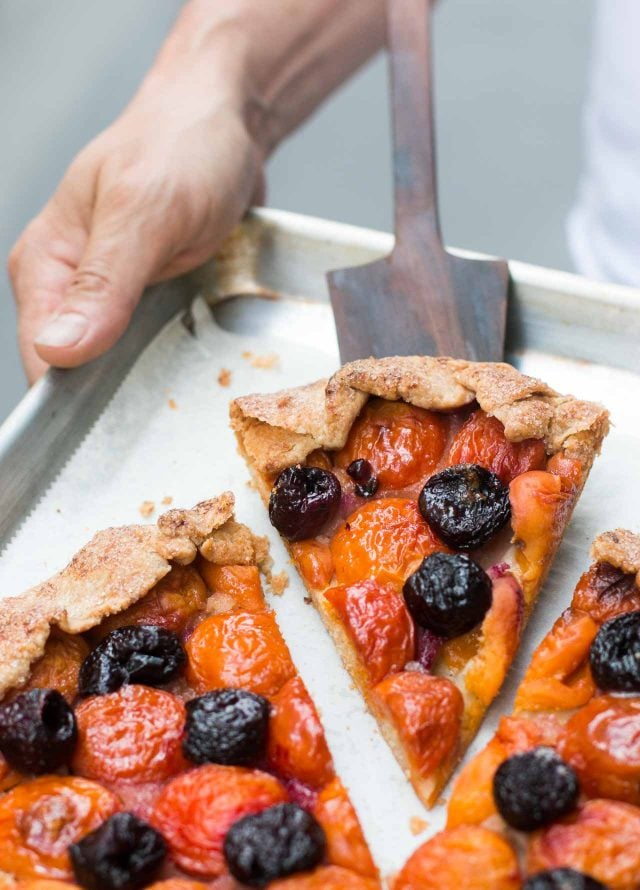
The Assembly Phase: Once the pantry is stocked with jam, the focus shifts to the galette. The free-form nature of the galette—a rustic, open-faced tart—allows the baker to showcase the fruit without the structural constraints of a traditional tart pan. However, this freedom brings a technical challenge: the management of excess fruit juices.
The Science of the "Lunar Lint"
One of the most persistent issues in fruit-based pastry is the soggy bottom. When stone fruits bake, they release significant amounts of moisture. If not controlled, this juice can penetrate the crust, resulting in a lackluster, doughy finish.
At the legendary Chez Panisse, bakers developed a sophisticated solution dubbed "Moon Dust"—a mixture of flour, almond meal, sugar, and crushed amaretti cookies. This layer serves as a structural barrier. It absorbs the escaping juices, thickening them into a decadent, jam-like consistency while keeping the pastry crisp.
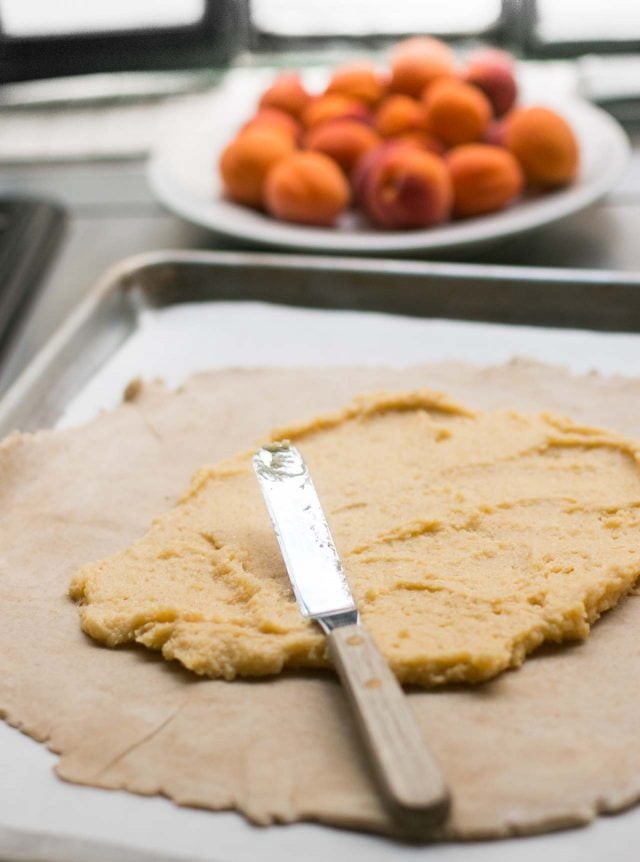
For the modern baker, this technique—which I have nicknamed "Lunar Lint"—is an essential tool. While original recipes call for specific amaretti cookies, the beauty of the technique lies in its adaptability. In the absence of specialized store-bought cookies, a simple blend of almond meal and sugar provides a similar functional benefit, ensuring the structural integrity of the galette.
Supporting Data: Techniques for Success
The successful galette is built on three pillars: the dough, the barrier, and the fruit.
1. The Dough
The dough for a galette should be handled with a "cold" mindset. Using chilled butter and minimal water prevents the gluten from overdeveloping, which is the secret to a flaky, short-crust pastry. It is advisable to prepare the dough at least two days in advance, allowing the fats to stabilize in the refrigerator.
2. The Frangipane Barrier
The "Lunar Lint" (or frangipane) is the unsung hero of the dish. While some might argue it is optional, the professional consensus is that it is transformative. It provides a rich, nutty flavor profile that perfectly complements the bright acidity of the stone fruits. Furthermore, it acts as an insurance policy against the varying moisture content of different fruit varieties.
3. Fruit Selection and Density
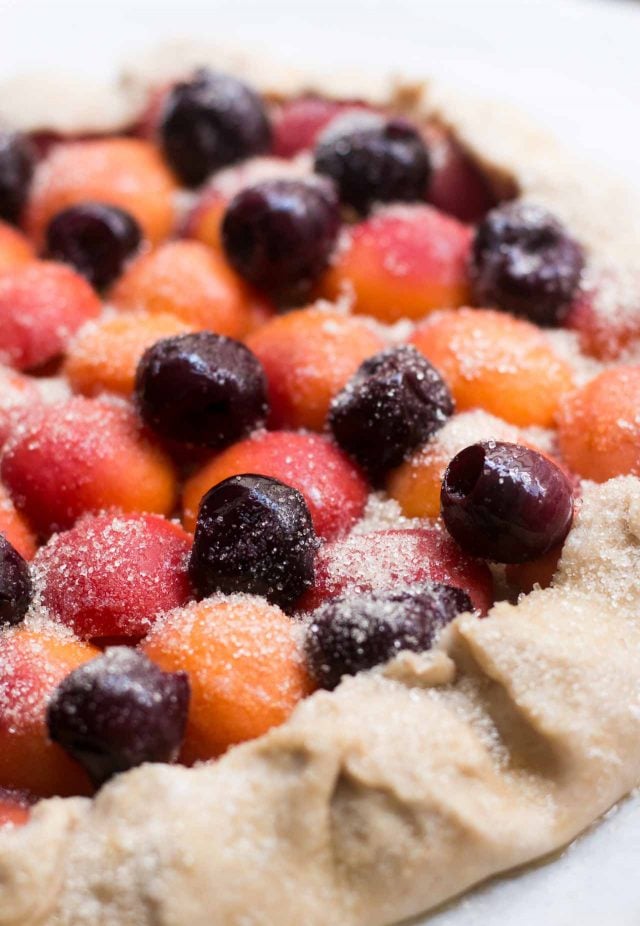
The density of the fruit arrangement is critical. As fruit cooks, it shrinks. To achieve a professional-looking result, the fruit should be packed as tightly as possible. Whether using halved apricots or sliced nectarines, overlapping is the key to a bountiful, aesthetic final product.
Official Perspectives on Substitutions
Culinary experts often emphasize that recipes are, at their core, blueprints. When it comes to the galette, the "official" stance on substitutions is one of flexibility.
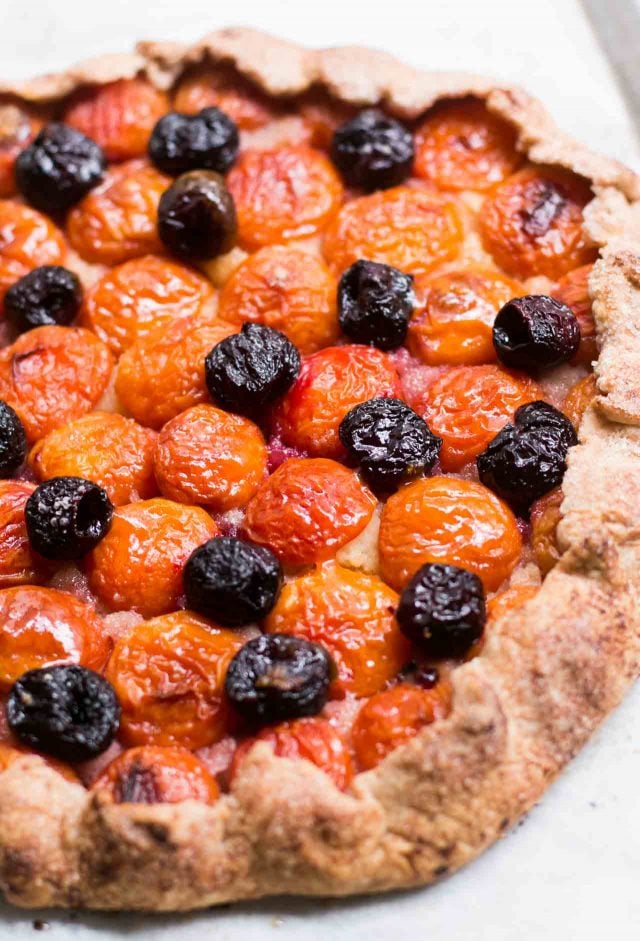
- Flour Alternatives: While almond flour is standard, walnut or hazelnut flour can be substituted to provide a deeper, earthier profile.
- Fruit Swaps: The galette is a universal format. Nectarines, peaches, plums, and figs all thrive under this treatment.
- The "Crunch" Factor: Finishing the crust with a sprinkling of coarse organic cane sugar is not merely for aesthetics. Unlike fine granulated sugar, coarse crystals maintain their structure through the heat of the oven, providing a textural contrast to the soft, roasted fruit.
Implications for the Home Baker
The primary implication of this approach to baking is a shift in mindset: moving from being a passive consumer to an active participant in the agricultural cycle. By engaging with the local market, understanding the chemistry of the ingredients, and mastering foundational techniques like the frangipane barrier, the home baker elevates their craft.
The galette serves as a reminder that the most sophisticated desserts are often the most rustic. It requires no specialized equipment, yet it demands a refined understanding of the ingredients. Whether served with a dollop of fresh crème fraîche or a scoop of homemade vanilla ice cream, the summer fruit galette is a testament to the rewards of seasonal cooking.

Ultimately, the goal of the baker is to capture the "awesome" (or chouette) essence of the season. When you slice into a perfectly baked galette, the crisp, sugar-dusted crust, the tender fruit, and the rich, almond-scented base harmonize to create something that feels truly timeless. By embracing the unpredictability of fruit moisture and the necessity of structural support, any baker can turn a simple pile of market fruit into a professional-grade dessert.
The season is fleeting, but the skills learned at the market and in the kitchen endure. Whether you are a seasoned professional or a weekend enthusiast, the act of baking a galette is, in every sense, a wise move—a celebration of the harvest that lingers long after the last bite has been taken.

 Nana Muazin
 Evan Lee Salim