

 Dwi Wanna
 Nana Wu
 Muslim
 Reynand Wu
 Ammar Sabilarrohman
 Nila Kartika Wati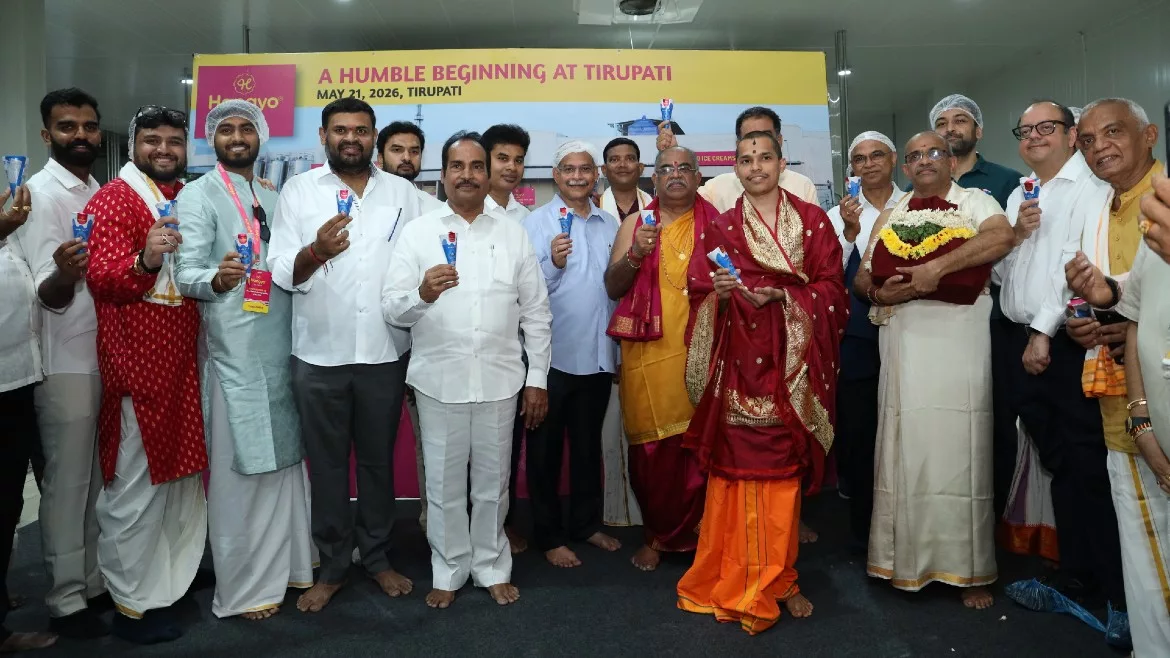
In a significant move that underscores the rapid evolution of India’s frozen dessert sector, Hangyo Ice Creams Pvt Limited has officially inaugurated its state-of-the-art manufacturing facility in Tirupati, Andhra Pradesh. The launch, which took place on May 21, represents more than just a capital investment; it serves as a cornerstone of the company’s broader strategy to capture a larger share of the domestic market while setting a new benchmark for production efficiency and sustainability in the Indian food and beverage industry.
Main Facts: A Hub of Modern Manufacturing
The Tirupati facility is strategically positioned to address the surging demand for premium and mass-market ice cream products across India. With an installed production capacity of 100,000 liters per day, this plant is a testament to Hangyo’s commitment to scaling its operations without compromising on the artisanal quality that has become synonymous with the brand.
Spanning a sophisticated industrial footprint, the facility is equipped with cutting-edge automated processing units, precision cooling systems, and rigorous quality control laboratories. By integrating Industry 4.0 standards, the Tirupati plant aims to minimize production downtime while maximizing throughput. The facility’s design prioritizes the cold chain integrity, ensuring that from raw material processing to final packaging, every step adheres to global food safety and hygiene standards.
Chronology: The Journey to Tirupati
The establishment of the Tirupati plant is the culmination of a multi-year growth trajectory for Hangyo Ice Creams.
- Initial Planning (2022): Following a period of consistent double-digit growth, the company’s leadership identified the need for a southern regional hub to reduce logistics costs and improve distribution timelines.
- Site Selection (Early 2023): After evaluating several industrial corridors, the Andhra Pradesh government’s supportive industrial policy and the strategic location of Tirupati—providing access to major logistical arteries connecting the southern states—made it the ideal candidate.
- Construction Phase (Mid-2023 to Early 2024): The project moved through rigorous engineering and architectural phases, focusing on energy-efficient building materials and the installation of high-capacity refrigeration units.
- Operational Trials (Q1 2025): The plant underwent extensive testing to ensure compliance with FSSAI (Food Safety and Standards Authority of India) regulations and internal sustainability benchmarks.
- Official Inauguration (May 21, 2025): The facility was formally commissioned, signaling the commencement of commercial production and marking a pivotal moment in the company’s history.
Supporting Data: Scaling for a Competitive Market
The Indian ice cream market is projected to grow at a Compound Annual Growth Rate (CAGR) of over 12% through 2030, driven by an expanding middle class, a preference for convenience foods, and the rise of organized retail. Hangyo’s decision to commission a 100,000-liter-per-day facility is a data-backed response to this expansion.
The facility’s operational capacity is designed to support a wide range of product formats, including:
- Bulk Formats: Tailored for the HoReCa (Hotel, Restaurant, and Catering) segment.
- Premium SKUs: Targeting the growing appetite for artisanal and exotic flavors.
- Impulse Categories: High-turnover items like cones, sticks, and cups that require high-speed automated packaging lines.
Furthermore, the integration of advanced refrigeration technology is expected to reduce the energy intensity of production by approximately 15% compared to legacy plants, aligning with global ESG (Environmental, Social, and Governance) targets.
Official Responses and Strategic Vision
During the inauguration ceremony, the leadership of Hangyo Ice Creams emphasized that the Tirupati plant is not merely a production site but a center for innovation.
"This facility represents a significant milestone in our growth story," a company spokesperson noted. "By leveraging advanced technology and adhering to global quality standards, we are not only enhancing our production capacity but also reinforcing our commitment to our consumers. We believe that the Tirupati plant will serve as a catalyst for our mission to deliver delight across every corner of India."
The investment has also been welcomed by local authorities. The presence of such a high-profile food processing unit in the region is seen as a major boost for the local economy. Beyond the direct employment of hundreds of personnel—ranging from skilled engineers and technicians to supply chain managers—the plant is expected to generate significant indirect employment opportunities through local logistics, cold storage services, and raw material procurement.
Implications: Reshaping the Frozen Dessert Landscape
The opening of the Tirupati facility carries significant implications for the broader industry and the company’s future prospects.
1. Strengthening the Supply Chain
The biggest bottleneck in the ice cream industry remains the "cold chain." By decentralizing production and establishing a massive facility in Andhra Pradesh, Hangyo is effectively de-risking its supply chain. This reduces the time-to-market for products in Southern India, ensuring that consumers receive fresher products while simultaneously lowering the carbon footprint associated with long-distance distribution.
2. Driving Innovation
With the dedicated R&D infrastructure embedded in the new plant, Hangyo is positioned to experiment with new product categories. From healthier, low-sugar alternatives to plant-based dairy options, the facility’s flexible production lines allow for rapid prototyping and deployment of new product lines that meet evolving consumer preferences.
3. Economic Impact
The plant serves as a beacon for industrial development in Andhra Pradesh. By investing in local infrastructure and human capital, Hangyo is contributing to the state’s vision of becoming an industrial powerhouse. The plant’s operation will likely stimulate secondary industries, including packaging, logistics, and regional dairy farming, as the company seeks to source high-quality ingredients from local markets.
4. Competitive Positioning
In an increasingly crowded market dominated by both legacy giants and agile startups, Hangyo’s strategic expansion provides it with the "economies of scale" necessary to remain competitive. By balancing automation with regional market insights, the company is signaling its intent to capture a dominant market share in South and Central India.
Conclusion: A Future-Forward Strategy
The inauguration of the Tirupati manufacturing plant marks the beginning of a new chapter for Hangyo Ice Creams. As the company continues to scale, the focus will undoubtedly remain on balancing rapid growth with the fundamental principles of quality and sustainability.
For the consumer, this means a wider availability of high-quality products and a brand that is increasingly responsive to regional tastes. For the industry, it serves as a case study in how strategic capital investment, combined with a clear vision for operational excellence, can drive success in the volatile and fast-paced world of consumer goods.
As the production lines at Tirupati reach full capacity, Hangyo Ice Creams is not just manufacturing a dessert; it is crafting a legacy of innovation that is set to leave a lasting impact on the Indian market for years to come. The company’s trajectory is a clear indicator that the future of the Indian ice cream sector is bright, cold, and increasingly automated.


 Laily UPN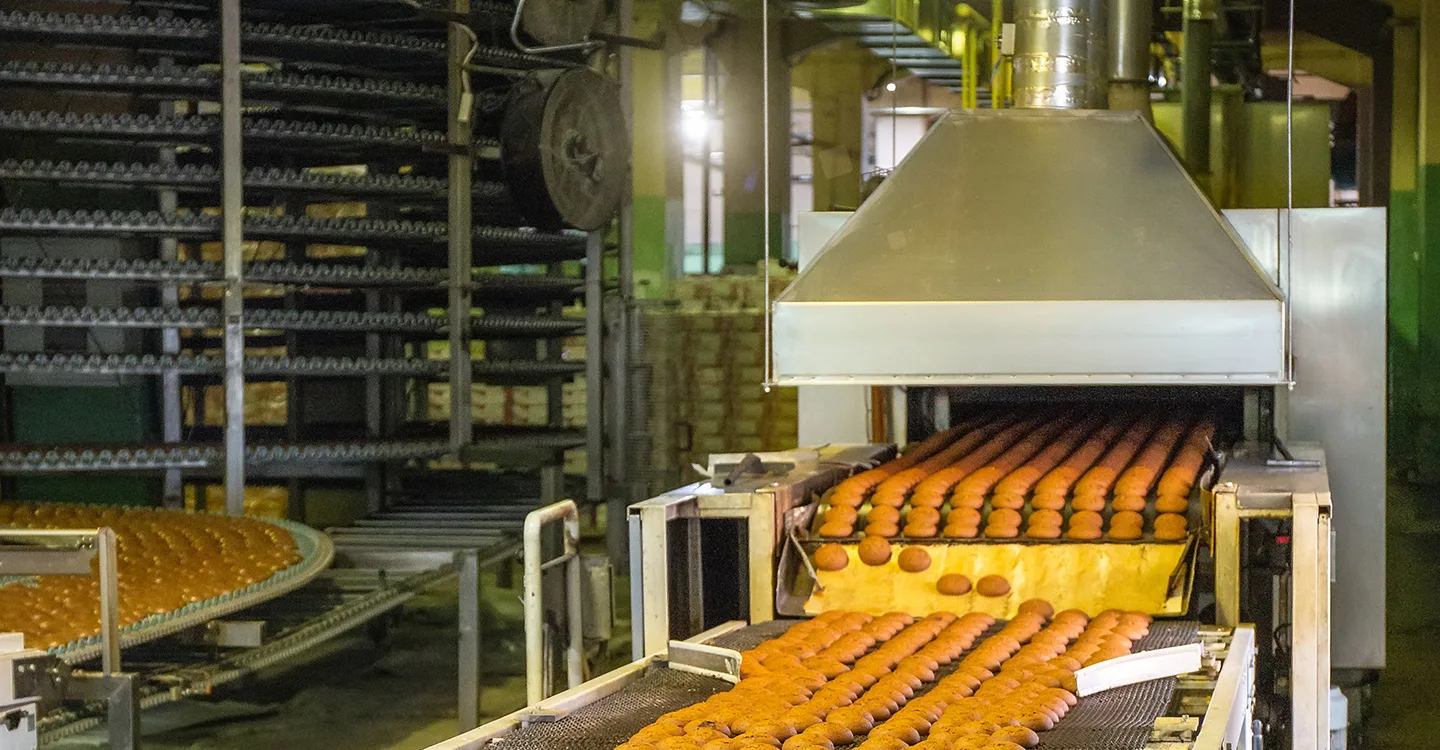
 Pevita Pearce