

 Dwi Wanna
 Nana Wu
 Muslim
 Reynand Wu
 Ammar Sabilarrohman
 Nana Muazin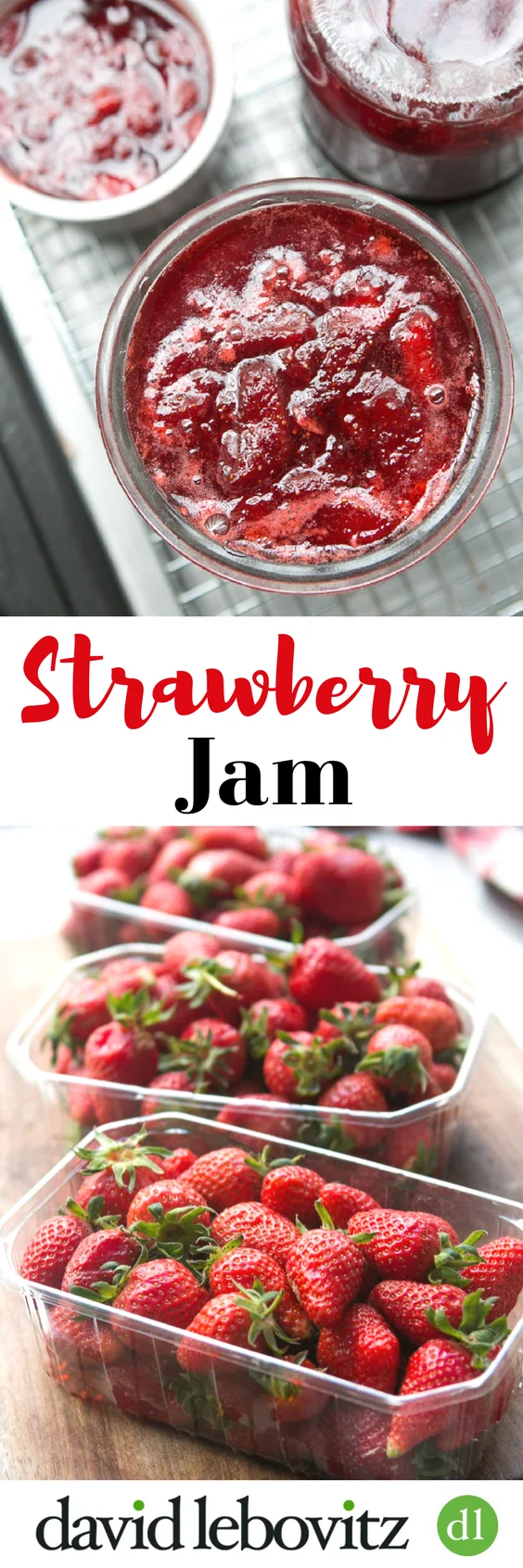
In the culinary world, few things signal the arrival of late spring quite like the arrival of peak-season strawberries. For home cooks and professional chefs alike, these vibrant, ruby-red fruits are a fleeting luxury. Recently, an unexpected windfall of strawberries—gifted by a long-time market vendor in Paris—provided the perfect catalyst for a return to the basics of traditional jam-making. While complex flavor profiles often dominate modern gastronomy, there is an enduring, sophisticated elegance to a perfectly executed, classic strawberry jam.
Main Facts: The Philosophy of Small-Batch Preservation
At its core, jam-making is a study in chemistry and patience. The fundamental objective is to balance the natural acidity and sweetness of fruit with the setting power of pectin and sugar. Unlike industrial manufacturing, which relies on standardized additives to ensure shelf stability and uniform texture, home-prepared jam is a living, breathing process that requires the cook to act as both scientist and sensory analyst.
The most important takeaway for any home preservationist is the "small-batch" imperative. As the volume of fruit increases in the cooking vessel, so does the required cooking time. Prolonged exposure to high heat causes the delicate aromatics of the strawberry to degrade and the vibrant color to dull into a brownish hue. By limiting production to roughly two pounds of fruit at a time, the cook preserves the bright, floral notes of the berry and maintains the brilliant crimson aesthetic that makes fresh strawberry jam so visually appealing.
Chronology: A Culinary Process in Stages
The journey from a market basket to a sealed jar is a linear, methodical process.
Phase 1: Procurement and Preparation
The process begins with the selection of fruit. Whether one is dealing with a single basket or a wholesale bushel, the preparation remains the same: thorough washing, hulling, and precise chopping. This stage is meditative, allowing the cook to assess the ripeness of the fruit. Overripe berries may lack the necessary structural integrity, while underripe berries might lack the requisite sugar content.
Phase 2: The Maceration and Heat Application
Once the berries are prepared, they are introduced to sugar. Sugar serves two primary functions: it is the primary sweetener and a vital dehydrating agent that helps draw out the pectin within the fruit. The mixture should be brought to a steady, rolling boil. Unlike baking, where a timer is a reliable guide, jam-making is an exercise in intuition. The cook must observe the "look and feel" of the mixture—watching for the change in the viscosity of the bubbles and the deepening of the syrup.
Phase 3: Setting and Sealing
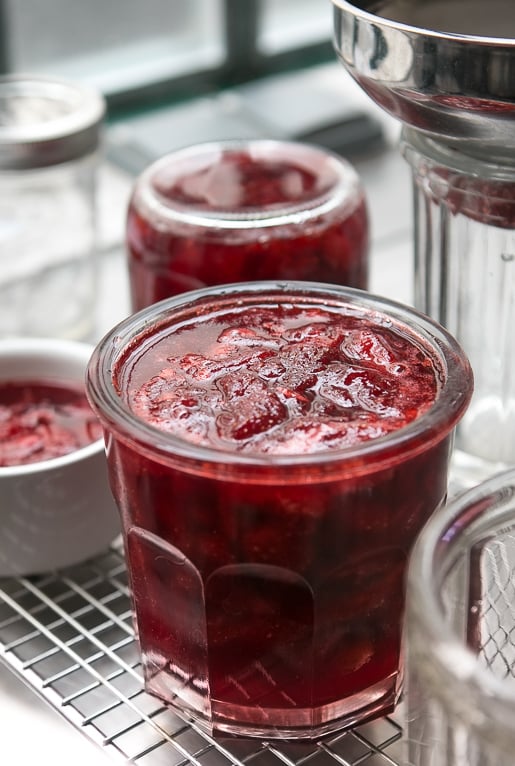
Once the desired consistency is reached, the mixture is carefully transferred into sterilized jars. The sterilization process, which involves submerging glass containers in boiling water for several minutes, is the primary defense against spoilage. The final stage is the cooling period, where the cooling of the air inside the jar creates a vacuum seal, locking in the freshness for months to come.
Supporting Data: The Science of Sugar and Pectin
Understanding the interaction between ingredients is crucial for success. Many traditionalists advocate for a 1:1 ratio of sugar to fruit by weight. While this ensures a firm set and maximum shelf life, modern palates often prefer a slightly lower sugar content.
The Pectin Factor
Pectin is a structural heteropolysaccharide contained in the primary cell walls of terrestrial plants. In strawberries, pectin levels vary significantly based on the timing of the harvest.
- Early Season Berries: Generally higher in natural pectin, providing a firmer set.
- Late Season Berries: Often lower in pectin, which can result in a "runnier" jam.
To mitigate this, savvy cooks employ the "Green Apple Hack." By finely grating a green apple—rich in natural pectin—into the strawberry mixture, one can achieve a superior set without relying on commercial powders or excessive boiling. This natural, additive-free approach aligns with the growing consumer demand for clean-label, minimalist food preparation.
Storage and Safety
While the USDA and the National Center for Home Food Preservation provide rigorous guidelines for shelf-stable canning, many home cooks opt for refrigerator-based storage. By simply inverting hot, sterilized jars to create a seal and keeping the finished product at a consistent, cold temperature, one can ensure quality for up to twelve months. This method is ideal for those who prioritize flavor and texture over long-term pantry storage.
Official Responses and Culinary Best Practices
Professional kitchens and food science organizations emphasize that, regardless of the method chosen, safety remains the paramount concern. The National Center for Home Food Preservation (NCHFP) consistently advises that for any jam intended for long-term pantry storage, strict adherence to water-bath canning protocols is non-negotiable.
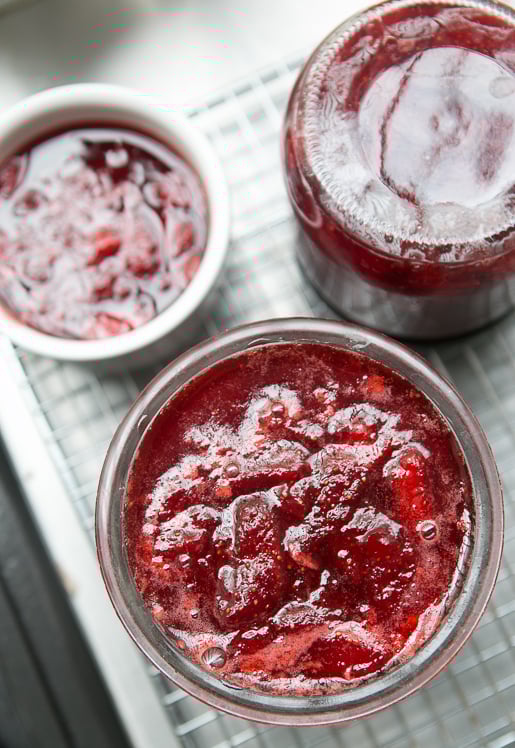
However, within the professional culinary community, there is a "soft jam" movement. Chefs often prefer a slightly looser consistency, which is more versatile for plating. This consistency is perfectly suited for use in yogurt bowls, as a glaze for roasted meats, or as a sophisticated accompaniment to fresh goat cheese or sharp chèvre.
Implications: The Sustainability of Seasonal Eating
The act of preserving fruit is more than a mere kitchen task; it is an act of sustainability. By purchasing surplus produce from local vendors, the home cook is participating in a circular economy that reduces food waste and supports small-scale agriculture.
The Environmental Impact
When consumers choose to preserve seasonal gluts, they are essentially "time-shifting" their consumption, reducing the reliance on out-of-season, long-haul imported produce. This reduces the carbon footprint associated with cold-chain logistics. Furthermore, the ability to utilize fruit that might otherwise be discarded—because it is too soft for the fresh market but perfect for the jam pot—is a significant step toward a zero-waste kitchen.
Culinary Versatility
The implications of mastering a base strawberry jam recipe are vast. Once the technique is internalized, the cook is empowered to experiment with variations:
- Botanical Infusions: Adding basil, mint, or black pepper during the final minutes of cooking.
- Acidity Balancing: A splash of high-quality balsamic vinegar can elevate the flavor profile, providing a sophisticated depth that pairs well with savory applications.
- Cross-Pollination: As the season progresses, mixing late-season strawberries with early-season stone fruits can create complex, limited-edition preserves that are impossible to find in a commercial supermarket.
In conclusion, the act of making jam is a profound intersection of heritage, science, and environmental stewardship. It requires the cook to slow down, pay attention to the nuances of the harvest, and respect the natural properties of the fruit. Whether one is creating a firm preserve for a morning scone or a delicate, runny syrup for a dessert garnish, the result is a testament to the enduring appeal of the simple, homemade jar. By mastering the fundamental techniques—proper sterilization, the careful management of heat, and the intelligent use of pectin—the home cook can capture the fleeting sweetness of summer and preserve it for the months ahead.


 Azzam Bilal Chamdy
 Sagoh
Sagoh