
 Raul Delapena Setiawan

 Ammar Sabilarrohman
 Lina Irawan
 Suro Senen
 Nana Wu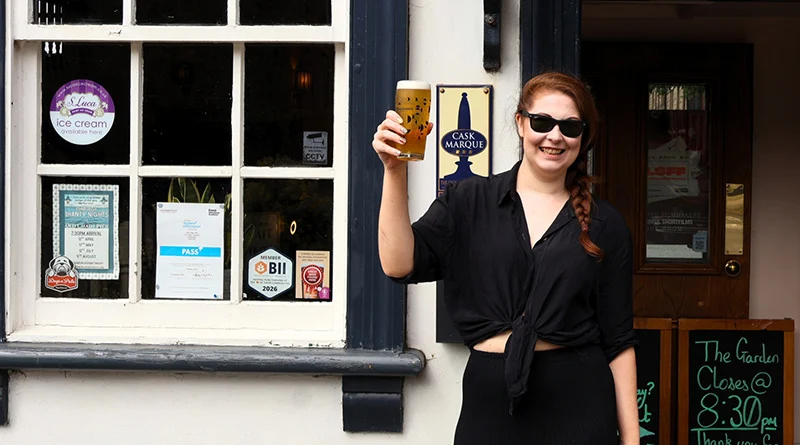
EDINBURGH – In a landmark moment for the Scottish hospitality industry, the historic Old Chain Pier at Newhaven has announced its transition to a rent-only agreement, marking one of the most significant victories for independent pub operations since the implementation of the Scottish Pubs Code. The move, which effectively severs the restrictive "tied" purchasing obligations that have governed the venue for years, has allowed the pub to announce a permanent reduction in prices, headlined by a £5 house lager—a move that stands in stark defiance of the current inflationary trends across the United Kingdom.
To celebrate this hard-won independence, the pub has launched a week-long festival of festivities, positioning itself as a beacon of hope for an industry currently besieged by rising operational costs and regulatory pressures.
I. Main Facts: Independence and the £5 Pint
The Old Chain Pier, a venue steeped in maritime history and beloved for its panoramic views of the Firth of Forth, has officially moved away from the traditional "tied pub" model. Under the previous arrangement, the venue was legally obligated to purchase its stock—predominantly beer and cider—from a specific pub-owning business (POB) at prices often significantly higher than the open market rate.
With the activation of the Scottish Pubs Code, the management team at Malt Group has successfully negotiated a "market rent only" agreement. This transition provides the venue with the autonomy to curate its own cellar, sourcing directly from local craft breweries and international distributors at competitive prices.
The immediate result of this legislative victory is a direct win for the consumer. The Old Chain Pier has announced that its house lager will be permanently priced at £5.00 per pint. Furthermore, the pub is implementing a price reduction across its entire beer range, a rarity in a city where the average price of a pint has steadily climbed toward the £7.00 mark in recent years.
The Celebration Week
To commemorate this milestone, the pub is hosting a massive celebration from Monday, June 29th to Sunday, July 5th. During this period:
- Universal Pricing: Every pint poured from the taps will be reduced to £5.00.
- Brewery Takeovers: Three of Edinburgh’s most prominent local breweries will take over the beer garden, offering free samples and showcasing the diversity of the local brewing scene.
- Community Events: The "famous" beer garden will be transformed into a family-friendly space featuring live music, pet fancy dress competitions, and traditional garden games.
II. Chronology: The Journey to the Scottish Pubs Code
The path to this moment has been a decade-long struggle for Scottish publicans. Understanding the significance of The Old Chain Pier’s victory requires a look at the timeline of legislative change in Scotland.
The Era of the Tie
For decades, the "Beer Tie" was the standard operating model for thousands of pubs across Scotland. While it allowed individuals to enter the trade with lower upfront costs, it often trapped tenants in a cycle of high stock prices and escalating rents. In 2016, England and Wales introduced a Pubs Code to address these imbalances, but Scottish publicans remained without similar protections for several more years.
2020–2024: Legislative Movement
The Scottish Parliament passed the Tied Pubs (Scotland) Act in 2020, following years of lobbying by groups like the British Pub Confederation and the Campaign for Real Ale (CAMRA). However, the implementation was delayed by legal challenges from large pub-owning businesses and the complexities of the COVID-19 pandemic.
The Implementation
In 2024, the Scottish Pubs Code finally came into full effect. It established a statutory framework to govern the relationship between pub-owning businesses and their tied tenants. The most critical component of this code—and the one utilized by The Old Chain Pier—is the right to request a Market Rent Only (MRO) option. This allows a tenant to pay a fair market rent for the building while gaining the freedom to buy beer from any supplier.
June 2024: The Old Chain Pier’s Pivot
Following the implementation of the code, the Malt Group, which manages The Old Chain Pier, moved swiftly to exercise these new rights. By transitioning to a rent-only model, they were able to bypass the inflated margins of the POBs, leading directly to the price reductions and the upcoming week-long celebration starting June 29th.
III. Supporting Data: The Economic Pressure Cooker
The victory for The Old Chain Pier arrives against a backdrop of extreme economic volatility for the Scottish hospitality sector. While the Pubs Code provides a "lifeline," the broader data suggests that the industry is still operating in a "perfect storm" of financial pressures.
The Cost of Doing Business
According to industry reports, Edinburgh’s hospitality venues are currently grappling with:
- VAT and Taxation: Unlike many European neighbors who offer reduced VAT rates for hospitality to stimulate tourism, UK venues remain subject to the standard 20% rate.
- National Insurance Contributions (NIC): Recent hikes in Employer NIC have added thousands of pounds to the annual payroll costs of medium-sized venues like The Old Chain Pier.
- Local Authority Charges: Edinburgh is currently noted for having some of the highest local authority charges in Europe for outdoor seating. For a waterfront pub like The Old Chain Pier, which relies heavily on its beer garden, these "table and chair" permits represent a significant overhead that must be paid before a single drink is sold.
- Business Rates: Despite some relief measures, the valuation of hospitality properties in prime Edinburgh locations remains high, placing a heavy burden on fixed costs.
The Price of a Pint
In Edinburgh, the price of a pint has risen by approximately 25% over the last three years. The "£5 pint" offered by The Old Chain Pier is not just a promotion; it is a calculated effort to return to "true market prices" that were previously impossible under the tied-stock model. By removing the middleman (the POB), the pub is effectively absorbing the inflationary pressures of CO2, energy, and labor that would otherwise have pushed prices higher.
IV. Official Responses: A "Massive Relief" for Management
The leadership at The Old Chain Pier has been vocal about the transformative impact of the new legislation. January Watson, the Area Manager for Malt Group, highlighted that the move is about more than just profit margins—it is about the survival of the pub’s soul and its connection to the local community.
"The Scottish Pubs Code has been a massive relief for us," Watson stated. "Operating in Edinburgh’s hospitality sector is incredibly tough right now with mounting taxes, rates, and the highest table and chair charges in Europe. Being able to step away from tied stock means we finally have the freedom to curate our own beer selection, support brilliant local breweries, and pass those savings directly on to our loyal customers with £5 pints."
Watson further emphasized that the freedom to choose suppliers allows the pub to become a gallery for the local brewing industry. "We aren’t just selling beer anymore; we are supporting the local economy. When we buy from a brewery in Leith or elsewhere in Edinburgh, that money stays in the community. The Pubs Code has given us back our agency."
Industry observers suggest that Watson’s sentiment is echoed across the city. The Malt Group’s decision to pass 100% of the savings to the customer is being viewed as a strategic move to build long-term loyalty in a market where consumers are increasingly price-sensitive due to the cost-of-living crisis.
V. Implications: A Blueprint for the Future of Scottish Pubs?
The success of The Old Chain Pier in navigating the Scottish Pubs Code could serve as a blueprint for hundreds of other venues across the country. The implications of this shift are three-fold:
1. The Rise of the "Local-First" Supply Chain
As more pubs opt for rent-only agreements, the dominance of massive, multi-national breweries may begin to wane in the independent sector. This creates a massive opportunity for Scotland’s burgeoning craft beer industry. Pubs can now offer "hyper-local" selections, which appeals to the modern consumer’s desire for authenticity and sustainability.
2. Price Correction in the Capital
The Old Chain Pier’s permanent £5 pint sets a new psychological benchmark for Edinburgh. If a historic, high-demand venue on the waterfront can offer quality beer at that price point, it puts pressure on other venues—and their landlords—to find ways to remain competitive. This could lead to a broader "price correction" across the city, making socialising more accessible to residents.
3. Legislative Validation
For the Scottish Government, the success of The Old Chain Pier is a clear validation of the Tied Pubs (Scotland) Act. It proves that the legislation can achieve its primary goal: rebalancing the relationship between big business and small operators to ensure the "great British pub" remains a viable community asset.
Conclusion: A Week of Celebration
As the sun sets over the Forth from June 29th to July 5th, the atmosphere at The Old Chain Pier will be one of hard-earned triumph. With giant Jenga in the garden, live music echoing off the stone walls, and a diverse crowd enjoying pints at a fair price, the venue is doing more than just throwing a party. It is celebrating the reclamation of its independence and setting a course for a more sustainable, community-focused future for Edinburgh’s historic waterfront.
For the locals and tourists who frequent this iconic spot, the message is clear: the "tie" has been cut, and the drinks have never tasted better.

 Layla Zulfa