 Dwi Wanna
 Nana Wu
 Muslim
 Reynand Wu
 Ammar Sabilarrohman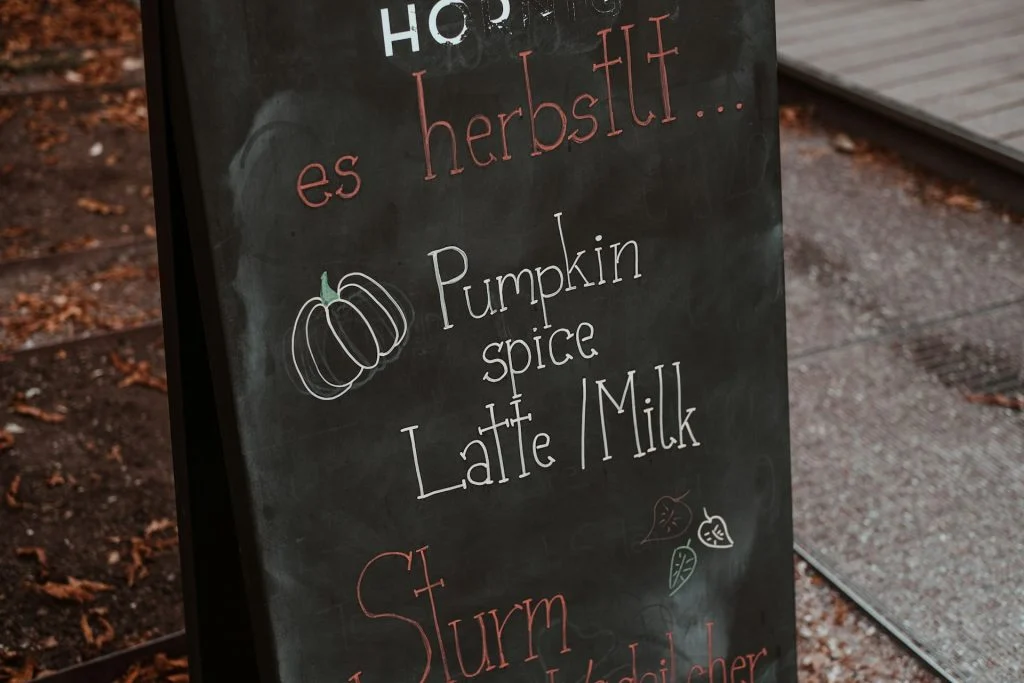
The calendar has officially shifted, but for the retail and hospitality sectors, the seasons are no longer dictated by the equinox. We have entered the era of “Augtober,” a period where the late summer heat is systematically eclipsed by the aggressive arrival of autumn-themed marketing. With industry titans like Starbucks and Dunkin’ recently announcing their fall menu drop dates—featuring the perennial Pumpkin Spice Latte (PSL) and an array of new seasonal innovations—the race to capture the consumer psyche has begun earlier than ever.
However, as brands scramble to plant their flags in the seasonal landscape, a growing concern is emerging: is the relentless pursuit of “the next big thing” leading to consumer exhaustion?
The Chronology of Seasonal Creep
The timeline of seasonal marketing has undergone a dramatic compression over the last decade. Historically, retailers waited for the transition into cooler weather to pivot their messaging. Today, the strategy has shifted toward “first-mover advantage.”
By late August, Starbucks, Dunkin’, and various fast-casual competitors are already flooding social media feeds with warm, autumnal aesthetics. This acceleration is driven by the logic that in a saturated marketplace, the brand that captures the “first sip” or the “first buy” of the season secures a competitive edge. By launching in August, these brands effectively extend the life of their seasonal offerings, stretching the window of opportunity from a few weeks to several months.
Yet, this shift is not without its detractors. As brands move their launch dates earlier to beat the competition, they risk crossing the threshold from anticipation into irritation. The phenomenon of “seasonal creep” has reached a point where holiday messaging often bleeds into October, leading to a crowded, noisy, and often confusing marketplace for the consumer.
The Strategy of Scarcity: FOMO as a Growth Lever
At the heart of the seasonal marketing machine is the Limited-Time Offer (LTO). LTOs are the engine rooms of modern retail growth because they leverage the psychological phenomenon of Fear of Missing Out (FOMO).
Mary Ann O’Brien, Founder and CEO of OBI Creative, argues that while scarcity is a powerful motivator, its effectiveness relies on how a brand manages the narrative. “Limited-time offers work because they create urgency and give consumers a reason to act now,” says O’Brien. “But the best ones do more than drive a short-term transaction. They create a cultural moment—something people want to share, photograph, and experience with their social circles.”
When executed correctly, a seasonal product transcends being a mere item on a menu or a shelf; it becomes a badge of identity. It invites existing customers back into the fold while lowering the barrier to entry for new audiences who want to be part of the “moment.”
The Perils of Constant Urgency
While the goal of seasonal marketing is to boost engagement, O’Brien warns that a “constant state of urgency” can backfire. If a brand bombards its audience with a new holiday, flavor profile, or promotion every few weeks, the consumer eventually develops an immunity to the marketing.
“If everything is a seasonal event, nothing feels special,” O’Brien explains. “Seasonal marketing should create excitement, never exhaustion. I’d rather see a brand own a few moments really well than try to capitalize on every possible trend.”
The danger is the “stretching” trap. When brands try to keep a campaign alive past its natural expiration date, the novelty evaporates. To combat this, successful brands don’t just repeat the same message; they evolve the engagement. They introduce new content, collaborations, or interactive elements that keep the narrative fresh without relying on the exact same promotional beats.
Operational Alignment: Behind the Seasonal Curtain
The success of a seasonal campaign is rarely just about the marketing copy or the aesthetic; it is a massive logistical undertaking. O’Brien stresses that marketing, operations, supply chain, and sales must operate in lockstep from the very inception of a campaign.
“Marketing can’t operate in a silo,” she notes. “Before you spend money creating demand, you need to make sure you can actually deliver the product.”
This necessitates a robust internal communication strategy. If a campaign goes viral, the brand must be prepared to handle the surge in volume. Conversely, if a supply chain disruption occurs, the brand must have contingency plans to manage the customer experience. Spending millions to generate demand for a product that is out of stock is a recipe for brand erosion. The logistical reality—inventory, production timelines, and distribution capabilities—must define the scope of the campaign, not just the marketing ambition.
Creating Relevance Over Competition
In the rush to be first, many brands lose sight of what actually matters: relevance. As O’Brien points out, there is a distinct difference between being the first to market and being the brand that consumers actually care about.
“The goal shouldn’t be to be first. It should be to be relevant,” she says. “If I’m seeing Christmas messaging in October, I might be thinking, ‘Really? Already?’ You don’t want to turn anticipation into annoyance.”
To achieve this, brands must shift from a reactive stance—copying what competitors are doing—to a customer-first listening strategy. This involves deep data analysis:
- Social Listening: Tracking the conversations already happening within the brand’s community.
- Search Behavior: Understanding what products or themes customers are actively seeking out.
- Sales Data: Identifying historical trends that show what the audience truly values.
The most successful seasonal products feel like a natural extension of the brand. When a company develops a seasonal item that aligns with its core values and existing customer behaviors, it doesn’t feel like a forced advertisement—it feels like an event.
Leveraging Social Proof and Influencers
In the digital age, a seasonal campaign is only as strong as its social participation. Brands that succeed in this space don’t just ask customers to buy; they ask them to participate.
Influencers and content creators play a vital role here. By partnering with individuals who already hold credibility within specific communities, brands can move their seasonal products into the cultural mainstream. However, the strategy must extend beyond the digital realm. The most effective campaigns create tangible moments—whether through limited-edition packaging, exclusive pop-up events, in-store sampling, or unexpected brand collaborations.
“Give people something to experience, share, and talk about,” advises O’Brien. “If people see everyone else enjoying something they might miss out on, you’ve created one of the strongest purchase motivators there is.”
Implications for Future Retail Strategy
As we look toward the future of retail, the “Augtober” trend serves as a cautionary tale for marketers. The landscape is shifting toward a model where “less is more.” Brands that can successfully curate their seasonal calendar—choosing moments that resonate deeply with their specific customer base rather than participating in every trend—will likely build more enduring loyalty.
The key to long-term growth is not in the sheer volume of seasonal launches, but in the authenticity of the engagement. As consumers become more sophisticated and more cynical about manufactured urgency, they will gravitate toward brands that provide genuine value and authentic experiences.
The ultimate takeaway for businesses is simple yet difficult to execute: focus on the intersection of what your customers want and what your brand can uniquely deliver. When you find that, you don’t need to chase every calendar date to stay relevant. You simply need to show up in the moments that matter, and ensure that when you do, the product is worth the buzz.
In the high-stakes game of seasonal marketing, the winners will be the ones who recognize that the most powerful tool in their arsenal isn’t a launch date—it’s the ability to make their customers feel heard, valued, and excited, regardless of what the calendar says.


 Pevita Pearce
 Azzam Bilal Chamdy