 Dwi Wanna
 Nana Wu
 Muslim
 Reynand Wu
 Ammar Sabilarrohman
 Laily UPN
By Aneurin Canham-Clyne
Published August 28, 2026
The restaurant industry is demonstrating a surprising resilience that defies the typical expectations of a high-inflation, high-uncertainty economic environment. According to the latest data from Bank of America, the sector is currently experiencing a structural shift in consumer behavior, characterized by a move away from grocery store spending and toward on-premise dining. Despite significant macroeconomic pressures, including fuel price spikes linked to the ongoing conflict in Iran, the appetite for dining out remains robust, particularly among younger demographics and lower-income cohorts.
Main Facts: A Shift in Dining Dynamics
The central finding of the Bank of America report is a clear divergence in performance between industry segments and consumer groups. While the broader economy has faced warnings of a slowdown, the restaurant sector has managed to maintain positive transaction growth.
Key takeaways include:
- Independent Outperformance: Independent restaurants and bars are currently outpacing national chains in year-over-year sales growth.
- The "Grocery-to-Restaurant" Pivot: Consumers are increasingly allocating more of their food budget to restaurants rather than traditional grocery retail, reversing a trend seen in 2025.
- Traffic Over Pricing: While menu price hikes were the primary driver of growth in previous years, current gains are increasingly tied to rising transaction volumes—meaning more people are eating out, and they are doing so more frequently.
- Generational Drivers: Gen Z has emerged as the most critical engine for the industry, with spending growth that significantly outpaces that of Millennials, Gen X, and Baby Boomers.
Chronology of Trends: From Post-Pandemic Stability to 2026 Resurgence
To understand the current state of the industry, one must look at the trajectory of the past 18 months.
Early 2026: The FIFA Effect
The first half of 2026 was heavily influenced by the 2026 FIFA World Cup. The event acted as a massive catalyst for bars and casual dining establishments. The surge in matchday traffic not only bolstered revenue but also helped normalize social dining patterns that had previously been impacted by the rise of home-based entertainment and alcohol-free trends.

Q2 2026: The Wage-Spending Correlation
As the second quarter concluded, earnings reports from major players like Cava provided anecdotal evidence that backed the emerging data. Cava, in particular, saw a surge in traffic from lower-income trade areas. This was largely attributed to the company’s decision to keep pricing structures below the general rate of inflation, effectively capturing a demographic that was looking for value without sacrificing the "experience" of a restaurant meal.
July 2026: The Inflection Point
July data served as a definitive marker for the sector. Bank of America’s internal card data revealed that lower-income earners increased their restaurant spending by 4.1% year-over-year. This represented the most significant improvement of any income cohort, suggesting that the "value-conscious" diner is far from abandoning the restaurant market.
Supporting Data: Dissecting the Spending Surge
The data provided by Bank of America offers a granular look at why the industry is holding up. The most striking element is the performance of the Gen Z demographic.
The Gen Z Dominance
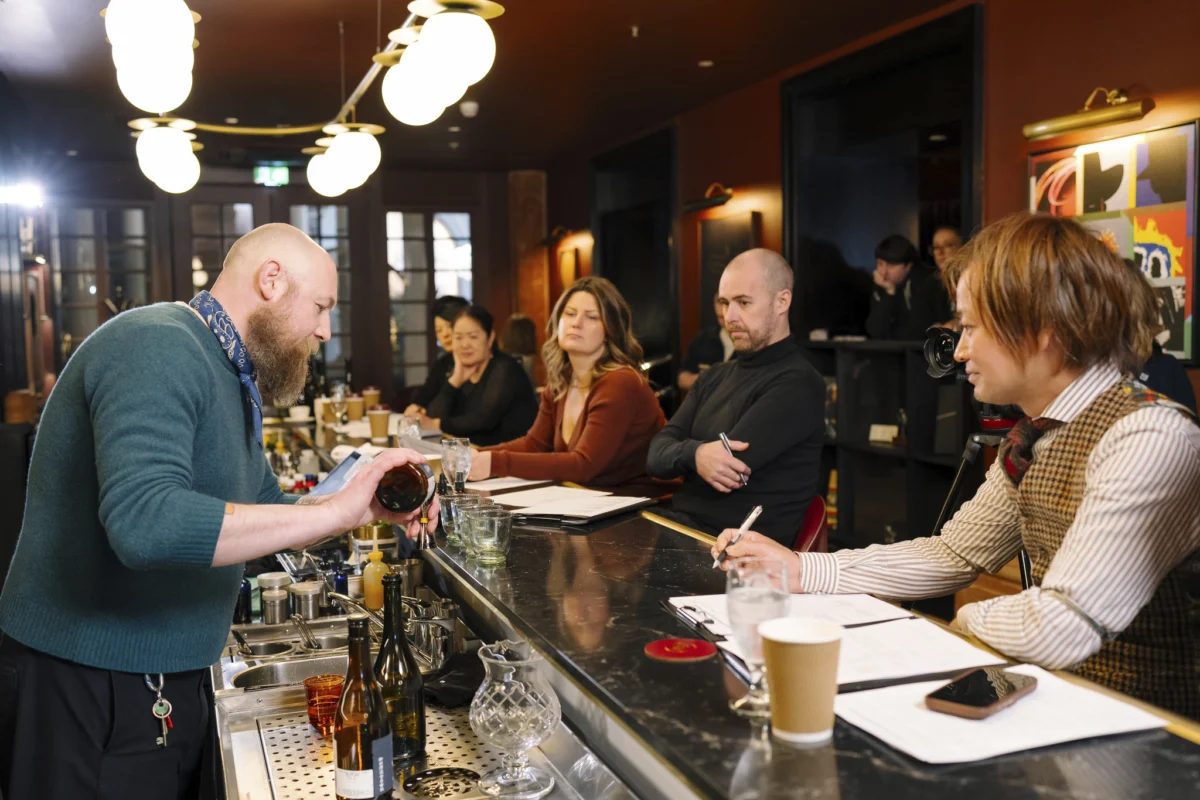
Gen Z spending in restaurants climbed 7% year-over-year in July, a figure nearly double that of Millennials. Most notably, Gen Z is the only generational cohort that has increased its spending across every category of restaurant. Specifically, spending at bars—a segment often deemed vulnerable to "sober-curious" trends—rose by between 9% and 12% among this group over the last three months.
Economists attribute this to the labor market. Younger workers, who are often the first to feel the benefits of after-tax wage growth, are showing a higher propensity to spend than Baby Boomers. As many Boomers transition into retirement, their discretionary spending has plateaued, marking the slowest growth among all generations.
The "Price vs. Value" Tug-of-War
While menu prices continue to rise at a rate that outpaces grocery store inflation, the rate of these increases has begun to decelerate. This deceleration has likely provided the psychological relief necessary for consumers to maintain their dining habits. When combined with the fact that transaction counts are rising, it becomes clear that consumers have reached a point where the value proposition of a restaurant meal—convenience, atmosphere, and quality—outweighs the cost savings of home cooking.

Official Responses and Industry Outlook
Industry analysts are taking note of the disconnect between general consumer sentiment and restaurant performance. While many retail-focused analysts have offered pessimistic outlooks based on credit card debt and macroeconomic volatility, the restaurant-specific data suggests that dining out has become a "sticky" habit for the American consumer.
Major chains have echoed these findings in recent earnings calls. Several national brands noted that while higher prices remain part of the fiscal picture, the return to positive transaction growth indicates a shift in consumer engagement. The "transaction growth" metric is being viewed as the new "North Star" for the industry, replacing the older, price-hike-driven model of revenue growth.
The resilience of the bar sector has also challenged the narrative that alcohol consumption is in a terminal decline. While the industry has seen a rise in mocktail and low-ABV options, the sheer volume of traffic in bars suggests that the social aspect of the environment is what drives the revenue, rather than just the drink menu itself.
Implications: What This Means for the Future
The current market environment holds several profound implications for operators and investors:
1. The Death of the "One-Size-Fits-All" Pricing Model
The success of brands like Cava proves that maintaining price discipline—even in an inflationary environment—is a powerful tool for customer acquisition. Operators who focus on the "relative value" of their menu compared to the grocery store will likely continue to win over the lower-income cohorts that are currently driving growth.
2. The Rise of the "Third Place"
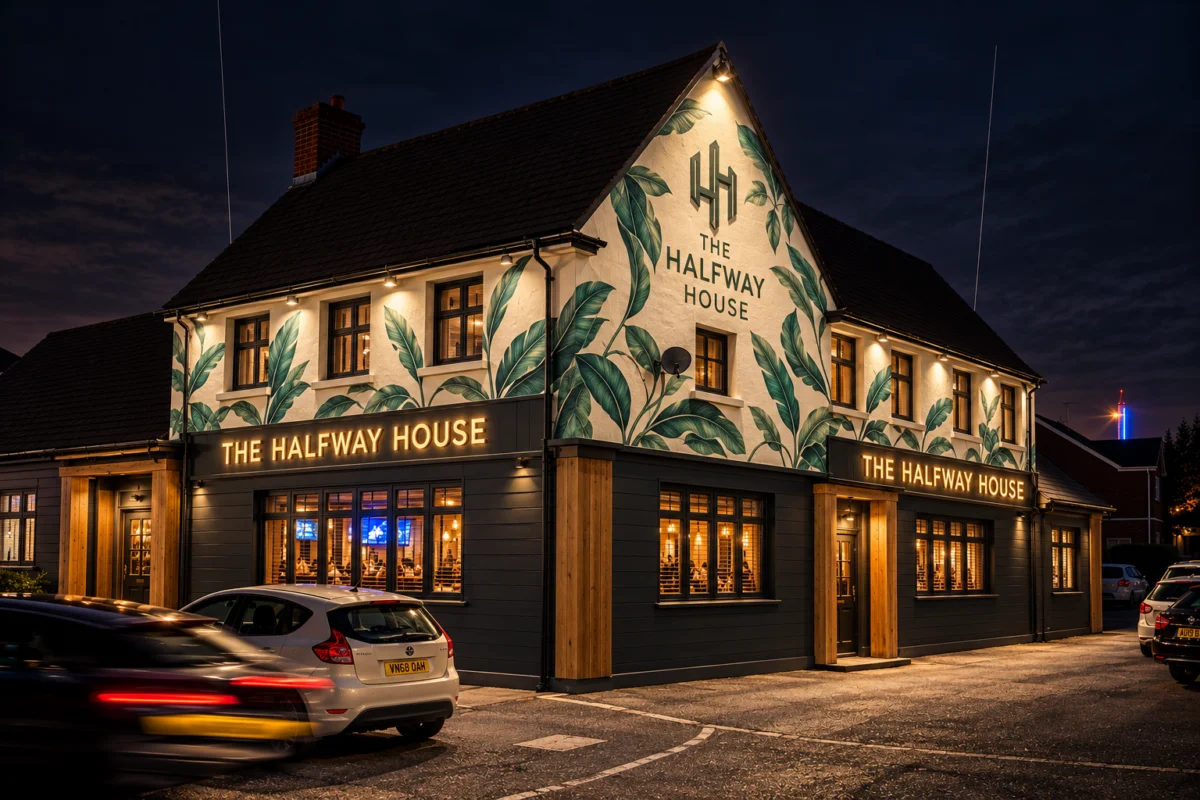
The consistent performance of independent restaurants and bars suggests that consumers are seeking out "third places"—spaces that are neither home nor the office—more than ever before. Grocers have attempted to capture this by expanding their own foodservice and ready-to-eat programs, but the data indicates that they have yet to cannibalize the core restaurant market to the extent some predicted.

3. Generational Marketing is Non-Negotiable
With Gen Z leading the charge in spending, the marketing strategies of the past are insufficient. Brands that cater to the specific preferences of Gen Z—transparency, digital-first ordering, and high-frequency social environments—are seeing the greatest rewards. Operators who ignore this demographic shift or fail to capture the interest of the youngest adult cohort risk being sidelined as the spending power of older generations continues to stagnate.
4. Navigating Global Instability
The mention of the Iran War and subsequent fuel price spikes serves as a reminder that the industry is not out of the woods. Increased fuel costs inevitably lead to higher delivery fees and supply chain expenses. If these costs are passed on to consumers too aggressively, the current momentum could stall. However, the current data suggests that the consumer is currently "priced in" and willing to continue dining out, provided the experience remains consistent.
Conclusion
The restaurant industry in 2026 is a study in adaptability. By evolving to meet the demands of a younger, more dynamic consumer base, and by proving that the restaurant experience holds a unique value that a home-cooked meal cannot replicate, the sector has managed to pivot from a period of high-inflation survival to a period of sustained growth. As we move into the final quarter of the year, all eyes will be on whether this "transaction-led growth" can continue to offset the persistent, underlying macroeconomic pressures facing the global economy.


 Pevita Pearce
 Azzam Bilal Chamdy