

 Raul Delapena Setiawan

 Ammar Sabilarrohman
 Lina Irawan
 Suro Senen
 Basiran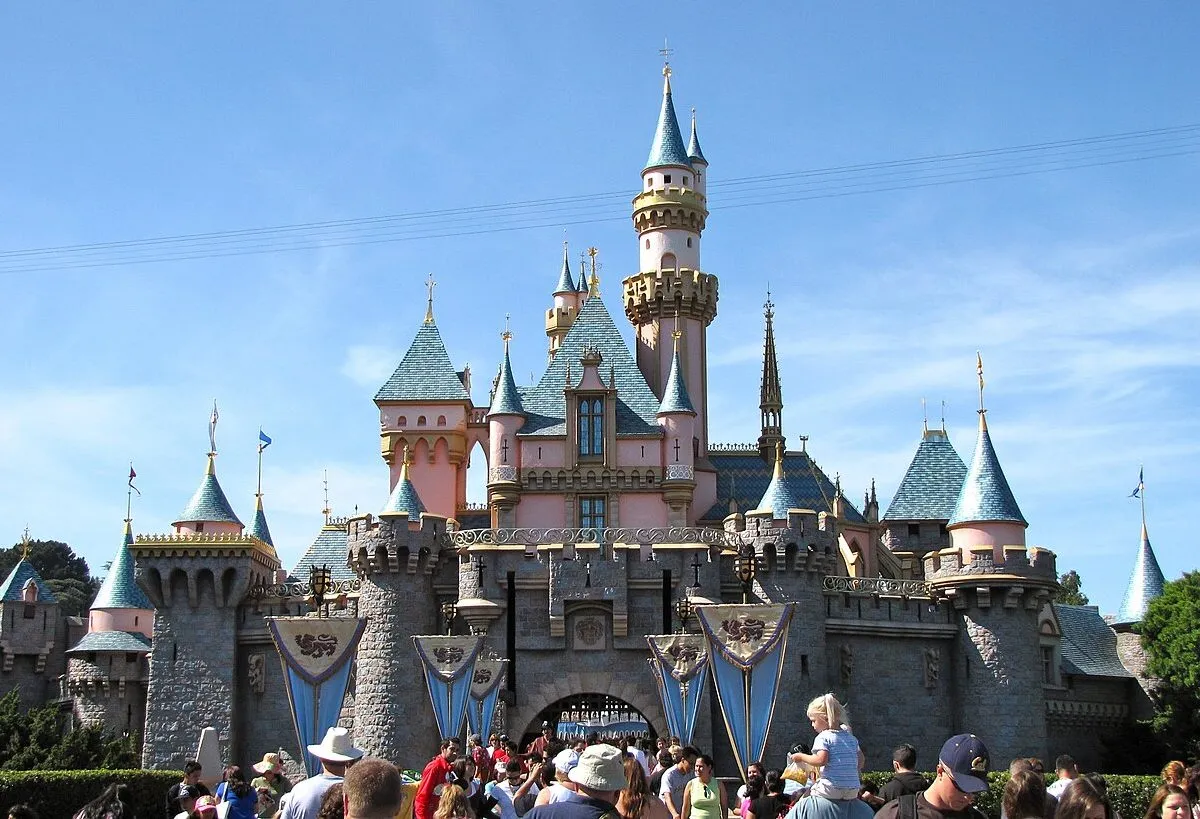
For decades, a trip to Disneyland has been regarded as a quintessential American rite of passage. However, as the cost of a "magical" vacation continues to climb, the Walt Disney Company finds itself navigating a delicate balancing act: how to maximize revenue from high-spending enthusiasts while ensuring the parks remain an accessible "on-ramp" for the next generation of loyalists.
In its latest strategic maneuver, Disney is pivoting toward a tiered pricing model that keeps entry-level tickets remarkably stable while aggressively expanding the costs of premium add-ons and peak-demand experiences. This shift reflects a broader corporate philosophy that views pricing not merely as a revenue lever, but as a long-term customer acquisition strategy.
The Financial Landscape: A Decade of Escalation
To understand the current state of Disney’s pricing, one must look at the trajectory of the past ten years. According to industry data tracked by the fan-focused site Mickey Visit, the cost of the most expensive one-day, one-park ticket at Disneyland Resort has surged from $119 in 2014 to $224 today—an increase of nearly 90%.
This rapid appreciation has sparked significant public debate. Critics argue that the parks are becoming increasingly elitist, pricing out the very families that built the Disney brand. Yet, Disney’s internal data tells a different story. The company maintains that the surge in "sticker price" is a response to overwhelming demand and the necessity of managing park capacity through dynamic pricing models. By pushing the ceiling higher, Disney can effectively throttle attendance on the busiest days of the year, theoretically improving the experience for those who do choose to pay the premium.
Chronology of Change: From Flat Rates to Dynamic Tiers
The evolution of Disney’s pricing model did not happen overnight. It is the result of years of testing, data collection, and behavioral economics.
- Pre-2016: Disney utilized a relatively simple tiered system, primarily distinguishing between "Value," "Regular," and "Peak" days.
- 2019: A critical inflection point. Disney held the line on its lowest-tier entry price at $104. This decision was pivotal; it established a "psychological floor" that the company has fought to maintain for half a decade, signaling to the market that they have no intention of abandoning the budget-conscious traveler entirely.
- 2021–2023: Post-pandemic, Disney introduced the "Genie+" and "Lightning Lane" systems, effectively unbundling services that were previously included in the ticket price. This allowed Disney to keep base ticket prices stable while increasing the "total cost of a day" for those who prioritized convenience over budget.
- 2024–2025: The current era. Disney is now hyper-segmenting its offerings. By introducing evening-only tickets, resident-specific discounts, and complex add-on packages, the company is effectively price-discriminating—charging different amounts based on the consumer’s willingness and ability to pay.
Supporting Data: The Anatomy of the "On-Ramp"
During a recent Goldman Sachs Communacopia + Technology Conference, Disney Chief Financial Officer Hugh Johnston offered rare insight into the company’s thinking. When asked about the optics of rising prices, Johnston emphasized that the company is "acutely sensitive" to the consumer’s wallet.
"We want to build an on-ramp," Johnston noted, explaining that Disney is intentionally keeping the entry-level options affordable to attract young families. The logic is clear: if a family can get through the gates at a reasonable price point today, they are likely to grow their affinity for the brand as their income levels rise. Disney is playing a long game, betting that today’s budget-conscious first-timer will become tomorrow’s premium-tier annual passholder.
Data from the parks supports this. While the "top-line" ticket prices have soared, the frequency of promotional offers—targeted specifically at local Southern California residents—has increased. By filling the parks on slower weekdays with locals who spend less on hotels but more on recurring dining and merchandise, Disney balances the high-revenue, low-frequency tourists with high-frequency, brand-loyal locals.
Official Responses and Strategic Intent
Disney’s official communication regarding these shifts consistently leans on the concept of "guest experience." The narrative is that pricing is a tool for "demand management." In the era of social media, where a crowded park can lead to poor reviews and viral complaints, Disney uses pricing to flatten the demand curve.
When asked about the optics of these price hikes, Disney representatives often point to the massive capital investment in the parks—citing new lands like Star Wars: Galaxy’s Edge and Avengers Campus. The argument is that the "product" being sold today is fundamentally different and more technologically advanced than the product of ten years ago. From the company’s perspective, the increased price is a reflection of the increased value of the immersive entertainment provided.
However, industry analysts suggest there is a secondary, more pragmatic motive: inflation and operational costs. With wage increases for cast members and rising energy and supply chain costs, Disney has been forced to pass expenses onto the consumer. The decision to shield the lowest-tier ticket from these hikes is a strategic choice to avoid the "PR disaster" of being labeled as a park solely for the wealthy.
Implications for the Future of Theme Park Tourism
The implications of this strategy are profound for both the industry and the consumer.
1. The Death of the "Spontaneous Trip"
The primary casualty of this new era is the spontaneous family vacation. Because pricing is now dynamic and tied to specific dates, a family can no longer simply "decide to go to Disneyland next week" without significant financial planning. The days of affordable, last-minute trips are effectively over, replaced by a complex booking ecosystem that rewards early planners and penalizes those who require flexibility.
2. The "Add-On" Economy
Disney is moving toward a model similar to the airline industry. The base ticket is the "seat," but everything that makes the experience comfortable—shorter lines, preferred viewing, personalized experiences—is now an "extra." This ensures that the base price remains low enough for marketing purposes, while the actual revenue per guest continues to climb.
3. The Socioeconomic Divide
Critics warn that this approach creates a two-tiered experience. If the "standard" experience involves waiting in hours-long lines while those who can afford the "Lightning Lane" breeze through, the perception of "fairness"—a core pillar of the Disney brand—begins to erode. Disney must tread carefully; if the gap between the haves and the have-nots within the park becomes too visible, it risks damaging the "magic" that keeps guests returning.
Conclusion: The Long-Term Gamble
Disney’s current pricing strategy is a high-stakes gamble. By maintaining a stable entry price, they are attempting to keep the front door open to everyone. By raising the price of everything else, they are ensuring that those who have the means are funding the massive infrastructure investments required to keep the parks competitive.
Whether this strategy will successfully foster a new generation of loyalists or alienate the middle class remains the defining question for Disney’s executive leadership. As Hugh Johnston suggested, the company believes they are "building a relationship." But in an age of rising living costs, that relationship will be tested by the harsh reality of the household budget. For now, Disney is betting that as long as the experience remains unparalleled, families will find a way to pay the price of admission—even if they have to pick and choose which "extras" they can afford once they are inside the gates.
As the company continues to refine its algorithms and pricing tiers, one thing is certain: the "happiest place on earth" has become a complex laboratory for the future of consumer entertainment, and the world is watching to see if the magic remains as accessible as it is iconic.

 Laily UPN
 Rifan Muazin
