Azzam Bilal Chamdy
 Neng Nana
 Nana Muazin
 Dwi Wanna
 Raul Delapena Setiawan
 Muslim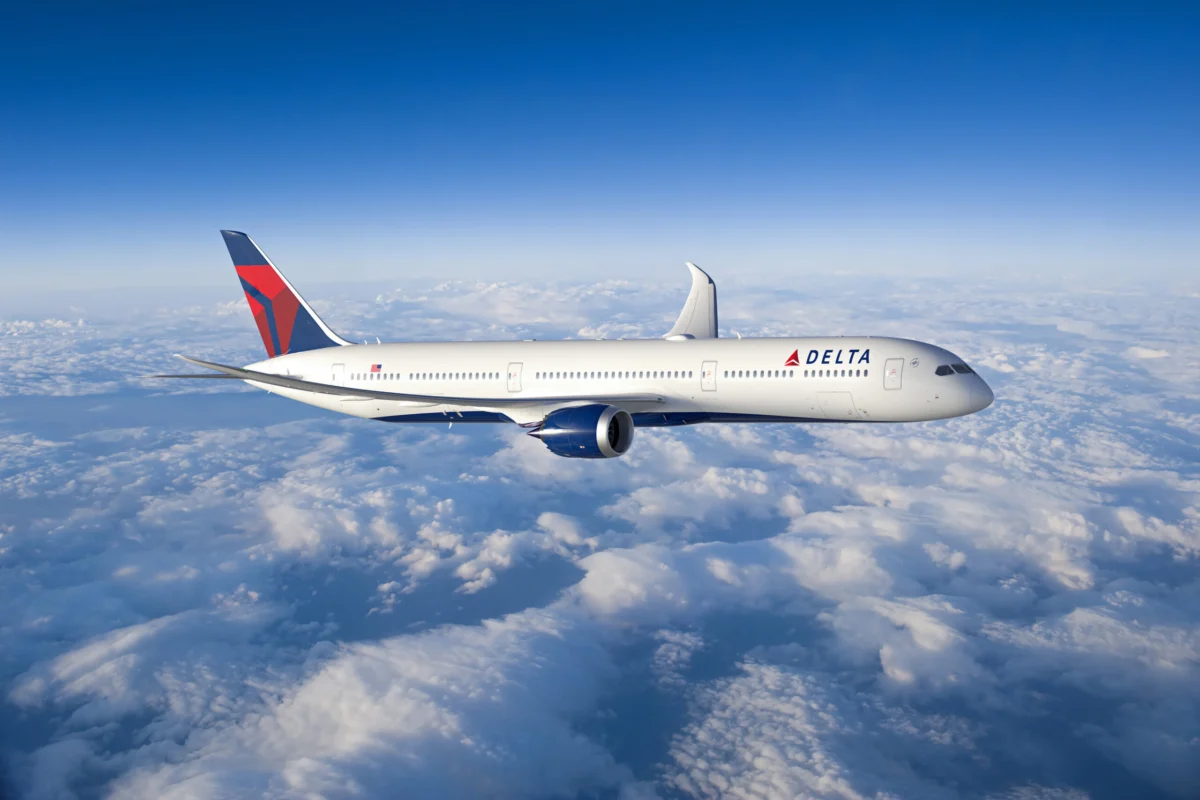
In an industry defined by razor-thin margins and volatility, Delta Air Lines has once again demonstrated its resilience, even as it navigates a challenging macroeconomic landscape. The Atlanta-based carrier, long considered a benchmark for operational excellence in the aviation sector, has officially revised its 2026 earnings guidance downward. Despite this recalibration, the airline remains firmly committed to a profitable trajectory, bolstered by a robust demand environment and a strategic fleet modernization program that includes a significant investment in Boeing 787 Dreamliners.
The Core Revision: A Shift in Expectations
Delta Air Lines recently announced a strategic adjustment to its financial outlook for the 2026 fiscal year. The airline now expects earnings per share (EPS) to fall within the range of $5.10 to $5.60. This represents a notable shift from the company’s previous, more optimistic guidance of $6.50 to $7.50 per share.
While any reduction in guidance typically prompts investor scrutiny, Delta’s leadership has been transparent regarding the primary driver of this adjustment: the relentless volatility and sustained escalation of jet fuel prices. As of late Thursday, the average price of jet fuel had climbed to $4.50 per gallon, a figure that places significant pressure on the airline’s operating margins. According to Delta’s Chief Financial Officer, Erik Snell, the company anticipates incurring an additional $6 billion in fuel expenses throughout the remainder of the year.
Chronology of Market Pressures
To understand the current state of Delta’s financial strategy, one must look at the sequence of events that have led to this moment:
- Early 2026 Projections: At the onset of the year, Delta’s management team projected a period of sustained growth, buoyed by strong international travel demand and the successful integration of its premium product strategy. At that time, fuel markets appeared somewhat more stable, allowing for the initial $6.50 to $7.50 EPS forecast.
- The Mid-Year Fuel Surge: As the second quarter progressed, global geopolitical tensions and supply chain constraints began to exert upward pressure on crude oil and refined petroleum products. By mid-year, it became clear that the energy cost environment was diverging from initial budgets.
- The Fleet Announcement: Concurrently, Delta made headlines by announcing an order for up to 60 Boeing 787 Dreamliners. While this was a long-term capital commitment aimed at modernizing the widebody fleet, it signaled that Delta was looking past short-term volatility toward a long-term strategy of fuel efficiency and passenger experience.
- The October Guidance Adjustment: Facing the reality of $4.50-per-gallon fuel costs, leadership made the proactive decision to update market expectations, moving to the more conservative $5.10 to $5.60 range to ensure that stakeholders were aligned with the current operational realities.
Supporting Data: The Fuel Burden and Operational Costs
The financial mechanics behind Delta’s decision are complex. Jet fuel is historically the second-largest expense for any major airline, trailing only labor costs. When fuel prices spike, the impact is instantaneous and difficult to hedge against entirely.
The $6 Billion Reality
Erik Snell highlighted that Delta faces a $6 billion increase in projected fuel expenditures. This figure is not merely a number on a balance sheet; it represents a significant portion of the company’s operating cash flow that must be diverted from other potential initiatives—such as debt reduction or share buybacks—to cover the cost of keeping the fleet in the air.
The Hedge and Accrual Strategy
Despite the $6 billion burden, Delta’s balance sheet remains robust. The company has already accrued $90 million toward mitigating these costs, a testament to the carrier’s disciplined financial planning. Delta has historically employed sophisticated hedging strategies, though the sheer scale of the 2026 fuel price hike has outpaced traditional protective measures.
Fleet Modernization: The 787 Factor
The decision to procure up to 60 Boeing 787 Dreamliners is not just about capacity; it is a hedge against future fuel volatility. The 787 is widely recognized for its superior fuel efficiency compared to older widebody aircraft in Delta’s fleet. By transitioning to a more fuel-efficient airframe, Delta aims to lower its "cost per seat mile," effectively building a long-term buffer against the high fuel prices that are currently impacting the bottom line.
Official Responses: Leadership Perspectives
In his briefing to analysts and reporters, CFO Erik Snell struck a tone of "cautious optimism." He emphasized that the guidance revision is a reflection of external economic factors rather than a decline in the airline’s fundamental business strength.

"Our demand profile remains incredibly strong," Snell noted. "We are seeing consistent demand for premium cabins, and our corporate travel segment has rebounded to pre-pandemic levels. However, we must be realistic about the fuel environment. We have chosen to be transparent with the market, adjusting our outlook to reflect the reality of the current energy landscape."
Delta’s CEO, in recent statements regarding the Boeing order, echoed the sentiment that the airline is playing the long game. "Modernizing our fleet is the most effective way to combat the rising costs of operation. The 787 Dreamliner will not only provide our customers with an industry-leading experience but will also allow us to maintain a more efficient operation as we move into the latter half of the decade."
Implications for the Aviation Industry
Delta’s revision serves as a bellwether for the rest of the airline industry. If a carrier with Delta’s operational efficiency is feeling the pinch of $4.50 jet fuel, smaller, less-capitalized carriers may face even steeper challenges.
1. Increased Pressure on Pricing
To offset these rising costs, passengers should anticipate continued pressure on airfares. While airlines are hesitant to stifle demand, the necessity to pass through fuel costs—often via base fare increases or ancillary fees—is becoming an inevitable reality for the industry.
2. A Shift Toward Fleet Efficiency
The aviation industry is currently in a race to replace aging, fuel-thirsty aircraft. Delta’s order of 60 Dreamliners is likely the beginning of a broader industry trend. Manufacturers like Boeing and Airbus are seeing heightened demand for next-generation aircraft, as airlines prioritize fuel-burn reduction over rapid capacity expansion.
3. Investor Scrutiny on Margin Management
Wall Street’s reaction to Delta’s announcement will set the tone for upcoming airline earnings calls. Investors are moving away from rewarding revenue growth at any cost and are instead focusing on "margin integrity"—the ability of an airline to protect its profitability despite fluctuating input costs. Delta’s move to lower guidance early is seen by many analysts as a "ripping the bandage off" strategy, which may prevent further volatility in the stock price as the fiscal year closes.
4. The Resilience of Premium Demand
One of the most encouraging takeaways from Delta’s report is the strength of its premium cabin demand. Even as fuel costs rise, the consumer’s willingness to pay for a better travel experience remains a vital pillar of the airline’s success. This shift in the revenue mix—where premium seats account for a larger percentage of total revenue—is helping to insulate Delta from the full impact of the fuel crisis.
Conclusion: A Strategic Pivot
Delta Air Lines remains in a position of strength, even as it recalibrates its short-term financial targets. The decision to lower the 2026 EPS outlook is a calculated response to the realities of the global energy market, handled with the transparency that shareholders have come to expect from the carrier.
By balancing the immediate need to manage high fuel expenses with long-term strategic investments in a modernized, fuel-efficient fleet, Delta is positioning itself to weather the current storm. As the airline continues to integrate the Boeing 787 into its operations and monitors the trajectory of fuel prices, the company remains a central player in the global aviation recovery. For passengers, investors, and industry observers alike, Delta’s path over the next few quarters will provide a clear indication of how the industry as a whole adapts to a world of higher energy costs and increasing operational complexity.


 Asro
Asro