

 Azzam Bilal Chamdy
 Neng Nana
 Nana Muazin
 Dwi Wanna
 Raul Delapena Setiawan
CROYDON, LONDON — In a somber appearance at Croydon Magistrates Court, Baris Yucel has pleaded guilty to six charges related to the 2023 death of 12-year-old Mia Shay St Hilaire. The proceedings mark a critical legal development in a case that has sparked national outrage and reignited urgent calls for a mandatory, standardized allergen rating system for food businesses across England.
Mia’s parents, Adrian St Hilaire and Chanel Spence, have transformed their profound grief into a public crusade, demanding that the government implement a "traffic light" or star-rating system for food hygiene and allergen safety. They argue that the current regulatory landscape is insufficient to protect the millions of Britons living with severe food allergies.
The Tragic Incident: A Preventable Loss
The incident, which occurred in 2023, centered on a visit to the Pop Inn Café. Mia, who suffered from a severe nut allergy, consumed a milkshake that had been prepared in an unwashed blender, leading to cross-contamination with nut residue.
The reaction was immediate and catastrophic. Despite the efforts of emergency responders, the young girl suffered from fatal anaphylaxis. The loss of a vibrant 12-year-old has left a permanent void in her family and has become a rallying point for safety advocates who argue that the hospitality industry’s current "self-policing" model regarding allergen information is failing those most at risk.
Chronology of the Case and Legal Proceedings
The path to the recent guilty pleas has been a long and arduous process for the St Hilaire family.
- 2023: The tragic incident takes place at the Pop Inn Café in London. Investigations by local environmental health officers reveal significant failures in cross-contamination protocols, specifically the use of shared equipment for allergen-containing ingredients.
- Late 2023 – Early 2024: Following a thorough investigation by local authorities, evidence was gathered regarding the café’s failure to adhere to the Food Information Regulations.
- October 12, 2026: Baris Yucel appears at Croydon Magistrates Court, entering guilty pleas to six charges related to food safety breaches and the failure to provide accurate allergen information.
The guilty pleas acknowledge that the establishment fell far short of the legal requirements for food safety management systems, specifically regarding the prevention of cross-contact between allergens and other food products.
The Call for Reform: A New Allergy Rating System
In the wake of the tragedy, the St Hilaire family, supported by legal counsel and advocacy groups, has proposed a radical shift in how food establishments are monitored. They are calling for the introduction of a national "Allergen Safety Rating."
The Rationale for Reform
Currently, food businesses in the UK are required to provide information about the 14 major allergens to customers upon request. However, there is no standardized visual system—similar to the Food Standards Agency’s (FSA) "Food Hygiene Rating Scheme"—that alerts customers to the establishment’s competence in handling allergens.
"When you walk into a café, you see a hygiene rating on the door, but that only tells you about cleanliness and pest control," says a representative for the family. "It tells you nothing about whether the staff understands how to keep a nut-allergic child safe. We need a system that reflects the rigorous training and protocols in place for those with life-threatening conditions."
Proposed Structure
The proposed rating system would likely involve:
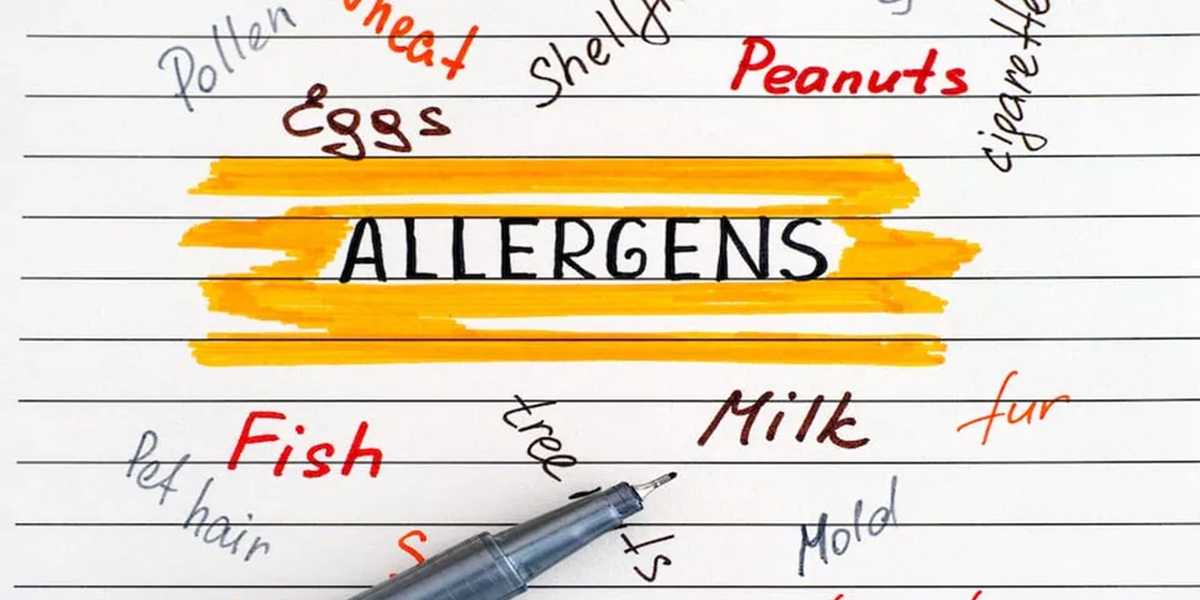
- Mandatory Training Certification: Verification that all front-of-house and kitchen staff have passed certified allergen awareness courses.
- Audit-Based Scoring: Regular, independent inspections specifically focused on allergen management, including ingredient sourcing, storage, and preparation equipment usage.
- Public Disclosure: A mandatory display of an "Allergen Safety" rating at the entrance of every food business, allowing consumers to make informed choices before entering.
Supporting Data: The Scale of the Crisis
The death of Mia Shay St Hilaire is not an isolated event but rather the most recent tragedy in a series of food-allergy-related fatalities that have plagued the UK over the last decade.
- Rising Prevalence: According to the Anaphylaxis UK charity, there has been a steady increase in the number of hospital admissions for anaphylaxis in the UK over the past 20 years.
- The "Hidden" Risk: Statistics indicate that cross-contamination in kitchens remains the leading cause of allergic reactions in food service settings. In many cases, staff are unaware that trace amounts of an allergen—often invisible to the naked eye—can be just as dangerous as a direct serving of the allergen itself.
- The Burden on Families: Families of children with allergies report that dining out is a source of extreme anxiety. Many avoid restaurants entirely due to a lack of confidence in the information provided by staff.
Official Responses and Regulatory Implications
The Food Standards Agency (FSA) and local government bodies are under immense pressure to review current legislation. While "Natasha’s Law"—which mandates full ingredient labeling for pre-packed for direct sale (PPDS) food—was a major step forward, critics argue that it does not go far enough to address the risks in made-to-order environments like cafés and restaurants.
The Government Position
In response to the tragedy and the subsequent campaign, a spokesperson for the Department for Environment, Food and Rural Affairs (DEFRA) stated that the government is "committed to reviewing the efficacy of current allergen labeling and safety training requirements." However, industry bodies have expressed concerns regarding the administrative burden that a new rating system would place on small, independent businesses.
Industry Pushback
Small business owners argue that the cost of mandatory, independent audits for allergen safety could be prohibitive. They suggest that instead of a new rating system, the focus should remain on better enforcement of existing laws and more accessible, government-subsidized training programs for staff.
Implications for Future Litigation
The guilty pleas in the case of Baris Yucel set a significant precedent. It sends a clear message to the hospitality sector that the "duty of care" owed to customers with allergies is a high-stakes legal obligation.
Legal experts suggest that this case will likely lead to:
- Increased Insurance Premiums: Businesses failing to document and implement robust allergen management protocols may find it difficult or prohibitively expensive to secure liability insurance.
- Higher Standards of Training: Training in allergen management will likely shift from a "recommended" practice to an industry standard requirement, with documented proof of training becoming a staple of environmental health inspections.
- Legislative Review: Parliament is expected to face renewed lobbying efforts in the coming months, with the St Hilaire family’s campaign serving as the primary catalyst for potential new legislation.
Conclusion: A Legacy of Change
The tragedy of Mia Shay St Hilaire has left a permanent scar on the community, but her parents are determined that her death will not be in vain. By pushing for a systemic overhaul of how food businesses are rated for safety, they are fighting to ensure that no other family has to endure the pain of losing a child to a preventable allergic reaction.
As the legal process continues and the debate over national allergy ratings intensifies, the hospitality industry finds itself at a crossroads. The choice is between maintaining the status quo—which has proven to be fatal in too many instances—and embracing a new culture of transparency, rigorous training, and public accountability.
For the millions of people in the UK living with the constant, low-level fear of a life-threatening allergic reaction, the outcome of this campaign will determine whether the act of dining out becomes a safe, inclusive experience or remains a gamble with their lives.
Food Safety News is a nonprofit organization. We rely on the support of our readers to continue our investigative reporting on public health, foodborne illness outbreaks, and legislative changes that affect the food we eat. Please consider making a tax-free donation today to help us keep this vital information accessible to everyone.


 Lina Irawan
