

 Azzam Bilal Chamdy
 Neng Nana
 Nana Muazin
 Dwi Wanna
 Raul Delapena Setiawan
 Suro Senen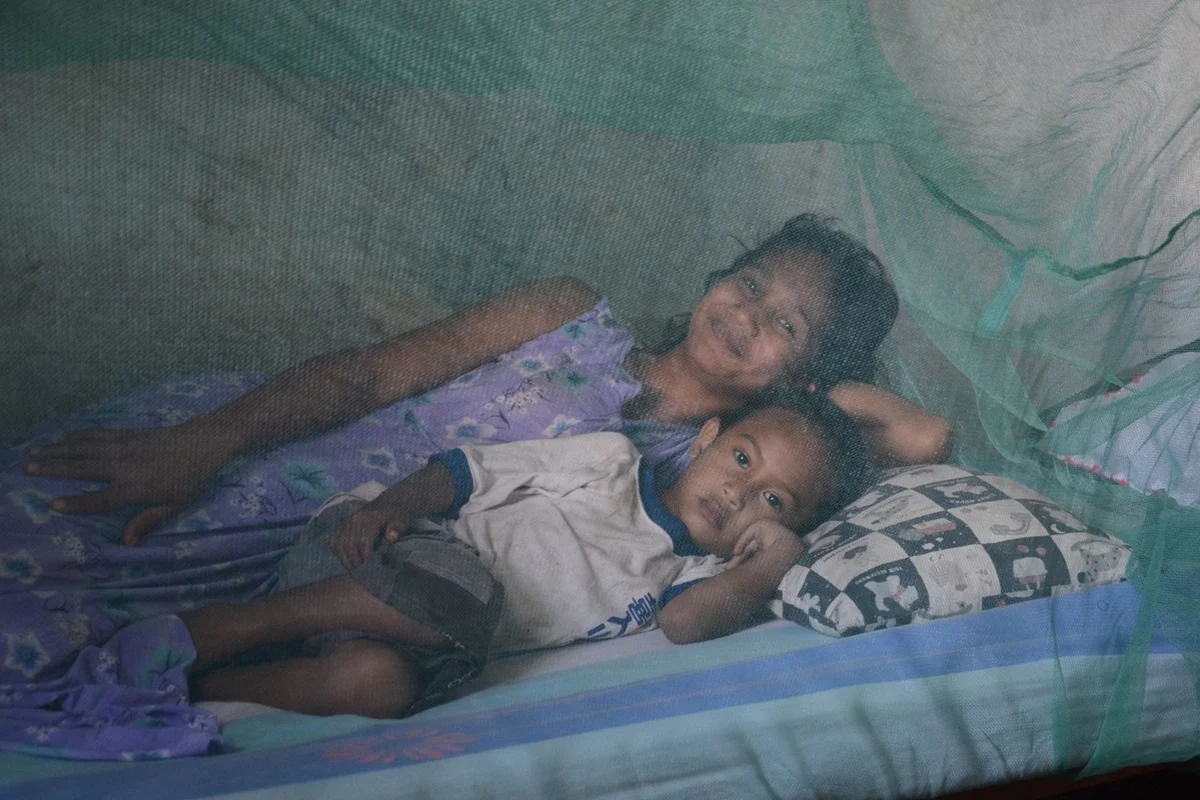
In a landmark achievement for global public health, the World Health Organization (WHO) has officially certified Timor-Leste as malaria-free. This milestone marks the culmination of over two decades of relentless effort, transforming the young nation from a high-burden territory into a beacon of hope for malaria-endemic regions worldwide. By successfully interrupting the chain of indigenous transmission for three consecutive years, Timor-Leste has demonstrated that even the most daunting health challenges can be overcome through political resolve, strategic investment, and community-led action.
Main Facts: A Defining Moment in Global Health
The certification process, governed by stringent international criteria, requires a country to prove beyond any reasonable doubt that it has maintained zero indigenous malaria transmission for at least three years. Timor-Leste has achieved this, joining a prestigious group of 47 countries and one territory that have successfully eliminated the disease.
Within the WHO South-East Asia region, Timor-Leste becomes only the third nation to reach this status, following in the footsteps of the Maldives (2015) and Sri Lanka (2016). The journey from over 223,000 clinically diagnosed cases in 2006 to zero indigenous cases since 2021 is a testament to the nation’s systemic transformation of its healthcare infrastructure. This victory is not merely a statistical success; it represents a fundamental shift in the quality of life for millions of Timorese citizens who no longer live under the constant shadow of a preventable, deadly parasite.
A Chronology of Resilience: From Independence to Elimination
The narrative of Timor-Leste’s fight against malaria is inextricably linked to the birth of the nation itself. Upon gaining independence in 2002, the country inherited a fragile health system ravaged by conflict and neglect. Malaria was, at that time, a pervasive and relentless threat to public health.
- 2003: The Foundation: Recognizing the urgency of the crisis, the Ministry of Health established the National Malaria Programme (NMP). Initially staffed by only two full-time officers, the NMP began the monumental task of planning and monitoring a nationwide response.
- 2005–2008: Scaling Interventions: The government rapidly integrated rapid diagnostic tests (RDTs) and artemisinin-based combination therapy (ACT) into the national treatment guidelines. This period also saw the first major distributions of long-lasting insecticide-treated nets (LLINs) to high-risk communities.
- 2009: Global Partnerships: With critical financial and logistical support from the Global Fund to Fight AIDS, Tuberculosis and Malaria, the country scaled up vector control. Indoor residual spraying (IRS) became a core component of the national strategy, and laboratory capacity for malaria diagnosis was expanded to even the most remote health posts.
- 2010–2020: Systemic Strengthening: The government invested heavily in a three-tier health system. By expanding the reach of community health centers and mobile clinics, the Ministry ensured that, despite the country’s rugged topography, most residents could access professional care within an hour’s walk.
- 2021–2024: Sustaining Zero: Having reached the target of zero indigenous cases in 2021, the country entered a period of intense vigilance, rigorous surveillance, and cross-border screening to ensure the malaria parasite did not find a foothold again.
Supporting Data: The Power of Targeted Intervention
The success of Timor-Leste is rooted in data-driven decision-making. The transition from 223,000 cases in 2006 to zero is not an accidental decline; it is the result of a highly integrated surveillance system.
The deployment of RDTs allowed for point-of-care diagnosis, which was critical in rural areas where microscopy was unavailable. The distribution of LLINs provided a physical barrier that drastically reduced the exposure of the population to Anopheles mosquitoes. Furthermore, the government’s policy of universal, free health care removed the economic barriers that often prevent the poor from seeking treatment.
Data collection was modernized through a real-time, integrated case-based surveillance system. This allowed health authorities to pinpoint outbreaks, track the movement of the parasite, and deploy rapid response teams to affected areas before transmission could become widespread. The integration of these digital tools with the physical expansion of the three-tier health system—national hospitals, reference hospitals, community health centers, and health posts—created a resilient shield against the disease.
Official Responses: A Triumph of Leadership and Will
The international and domestic response to the announcement has been one of profound celebration. Dr. Tedros Adhanom Ghebreyesus, WHO Director-General, praised the nation’s grit, stating, "Timor-Leste’s success proves that malaria can be stopped in its tracks when strong political will, smart interventions, sustained domestic and external investment, and dedicated health workers unite."
Dr. Élia António de Araújo dos Reis Amaral, the Minister of Health for Timor-Leste, spoke of the emotional weight of this victory. "We did it. Malaria has been one of our most relentless enemies—silent, persistent, and deadly. From 223,000 cases to zero—this elimination honors every life lost and every life now saved."
Dr. Arvind Mathur, the WHO Representative to Timor-Leste, emphasized the human element of the victory. "Ending transmission and maintaining zero deaths takes more than science; it takes grit. This victory protects generations, present and future, and shows what a determined country can achieve."
Implications: The Path Forward for a Malaria-Free Nation
While the certification is a momentous achievement, the implications extend far beyond the formal recognition by the WHO. For Timor-Leste, the challenge now shifts from elimination to prevention.
1. Sustained Vigilance
The threat of "imported" malaria remains a concern for any nation in a region with high travel volume. The Ministry of Health has committed to maintaining its surveillance infrastructure, particularly at borders and points of entry, to ensure that any potential re-introduction of the parasite is detected and managed immediately.
2. A Model for Other Developing Nations
Timor-Leste serves as a blueprint for other young nations. The country demonstrated that you do not need to wait for a perfect economic environment to address public health. By prioritizing community outreach, local health worker training, and a clear, centralized strategy, even nations with limited resources can achieve world-class health outcomes.
3. Strengthening Primary Healthcare
The infrastructure built to fight malaria—the network of health posts and the mobile clinic system—is now an asset for the country’s broader health objectives. These systems are already being leveraged to address other infectious diseases, maternal health, and non-communicable diseases. The "malaria-free" status is therefore a stepping stone toward a more robust, comprehensive universal health coverage model.
4. Global Health Security
In an era of increasing climate change, which may shift the geographic range of mosquitoes, Timor-Leste’s success provides critical data on how to manage vector-borne diseases in tropical environments. The country’s commitment to scientific rigor and community-based surveillance provides a valuable case study for the global health community as it works toward the ultimate goal of a malaria-free world.
Conclusion
The certification of Timor-Leste as malaria-free is a triumph of human agency. It reflects the dedication of the thousands of health workers who walked through remote villages to provide testing and the policy-makers who refused to let malaria remain an accepted reality of life. As Timor-Leste looks to the future, it does so as a nation that has conquered one of its most persistent adversaries, proving that with unwavering commitment, a healthier future is not just a dream—it is an attainable goal.


