

 Azzam Bilal Chamdy
 Neng Nana
 Nana Muazin
 Dwi Wanna
 Raul Delapena Setiawan
 Lina Hope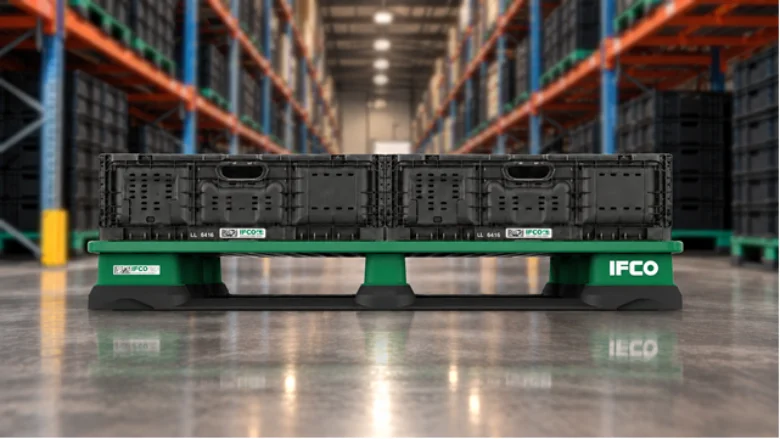
In a strategic move aimed at revolutionizing the North American logistics landscape, IFCO—a global leader in reusable packaging solutions—has officially launched "Atlas," a cutting-edge hybrid pallet engineered specifically for the rigors of automated supply chains. As manufacturers and retailers increasingly shift toward high-speed automation and robotics, the traditional wooden pallet has become a primary bottleneck, prone to splintering, dimensional instability, and contamination. Atlas emerges as a robust, technologically integrated solution designed to bridge the gap between traditional handling and the future of smart, automated distribution.
Main Facts: Engineering the Future of Pallets
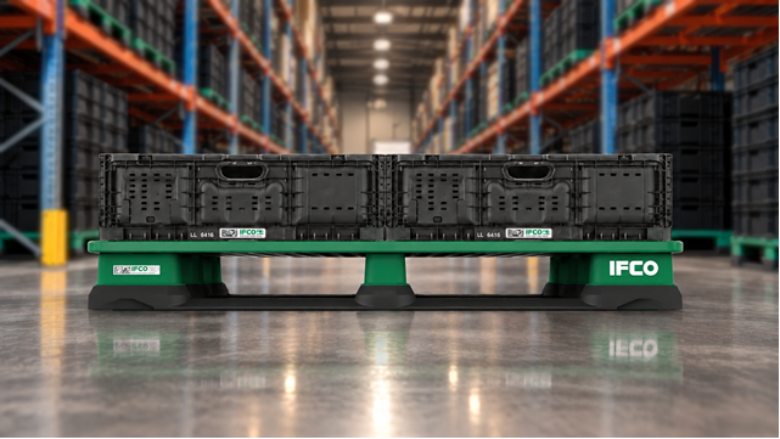
The Atlas pallet is not merely a replacement for standard shipping platforms; it is a sophisticated piece of industrial equipment. Manufactured entirely in the United States, the 48-by-40-inch unit represents a departure from traditional pallet construction. Its patented architecture merges a hollow-steel deck with a high-density polyethylene (HDPE) frame.
At a weight of 58 pounds, the pallet is designed for durability and consistency. Unlike wood, which can fluctuate in weight due to moisture absorption or degrade over time through repeated handling, Atlas maintains dimensional integrity. Key specifications include:
- Operational Safety: The construction completely eliminates the use of nails and wood splinters, two of the most common causes of conveyor system jams and damage to automated sorting equipment.
- Design for Automation: The pallet features closed runners, rounded corners to prevent snagging, and four-way forklift access, ensuring seamless compatibility with various automated storage and retrieval systems (AS/RS).
- Material Science: The integration of fire-retardant materials is a standout feature. The pallet has undergone testing to the UL 2335 standard, with final certification currently pending.
- Hygienic Superiority: By utilizing non-absorbent materials, the pallet is naturally resistant to water, mold, and bacterial growth—a critical requirement for food safety and pharmaceutical supply chains.
Chronology of Development and Market Entry
The development of the Atlas pallet follows a multi-year trajectory of market analysis by IFCO, identifying the "automation gap" in North American logistics.
- Phase I: Needs Assessment (2021–2022): IFCO’s research and development teams began monitoring the rapid adoption of automated material handling systems (AMHS) in major distribution centers. Feedback from industry stakeholders highlighted that wooden pallets were the leading cause of "false stops" in high-speed sorting machines.
- Phase II: Engineering and Prototyping (2023): Engineers focused on finding the right balance between the rigidity of steel and the resilience of HDPE. The goal was to create a pallet that could withstand heavy, repetitive loads without the environmental footprint of single-use shipping materials.
- Phase III: Compliance and Pilot Testing (Early 2024): The focus shifted to safety and regulatory alignment. Ensuring the pallet met fire safety requirements (UL 2335) was a priority, given that many warehouse insurers mandate stringent fire-retardant standards for plastic-based materials.
- Phase IV: Official Launch (Q1 2025): IFCO announced the availability of the Atlas pallet, integrated into their established "Pallet SmartCycle" pooling program, signaling a shift toward circular economy adoption for major retail and food-service distributors.
Supporting Data: Why the Industry Needs a Change
The transition to automated supply chains is not just a trend; it is a financial imperative. According to recent industry reports, the cost of downtime in a modern, highly automated distribution center can exceed thousands of dollars per minute. Wooden pallets, which are subject to warping, uneven surfaces, and debris shedding, are estimated to be responsible for up to 30% of system malfunctions in conveyor-heavy environments.
- The "Splinter Effect": Wood debris in automated tracks necessitates frequent maintenance shutdowns. The Atlas’s splinter-free HDPE construction effectively reduces this maintenance overhead to near zero.
- Longevity and Sustainability: While a standard wooden pallet might survive only a handful of trips, the Atlas is designed for a multi-year service life. The modular design allows for the replacement of individual components, further extending the pallet’s life cycle.
- Recyclability Metrics: Both the steel and HDPE components are fully recyclable at the end of the pallet’s life, aligning with the growing corporate mandates for Scope 3 emission reductions and waste-to-landfill diversion programs.
Official Perspectives: The "SmartCycle" Ecosystem
The Atlas pallet is not sold as a standalone commodity; it is a service-based offering through IFCO’s "Pallet SmartCycle" pooling program. This approach allows companies to avoid the capital expenditure of buying pallets while benefiting from the logistical efficiency of a managed pool.
IFCO representatives have emphasized that the inclusion of digital track-and-trace capabilities is a defining feature of the Atlas platform. By embedding technology within the pallet structure, IFCO provides customers with:
- Inventory Visibility: Real-time location data reduces the "lost pallet" syndrome that plagues many logistics networks.
- Cold-Chain Integrity: Integrated sensors allow for the monitoring of environmental variables, such as temperature fluctuations, which is vital for food safety and pharmaceutical integrity.
- Circulation Management: The SmartCycle program automates the collection, inspection, and redistribution of the pallets, ensuring that customers always have the required inventory without needing to store surplus units.
Implications for the Future of Food Safety and Retail
The introduction of the Atlas pallet has significant implications for food safety professionals and supply chain managers. In the modern retail environment, where food safety regulations (such as the FSMA 204 rule in the U.S.) are becoming increasingly stringent, the ability to trace products from farm to fork is essential.
Impact on Food Safety
The non-absorbent nature of the Atlas pallet means it can be sanitized easily. In the event of a spill or contamination, wooden pallets must often be discarded due to their porous nature. The Atlas can be washed and returned to the pool, ensuring that hygiene standards remain consistent across the entire distribution network.
The Shift Toward "Smart" Logistics
The integration of digital tracking moves the pallet from a passive shipping tool to an active data-collection device. As AI-driven logistics platforms—like the "Ask FSM" tools increasingly used by food safety professionals—continue to evolve, the data generated by the Atlas pallet will provide invaluable insights. Supply chain managers will be able to pinpoint exactly where delays or temperature excursions occurred, allowing for predictive rather than reactive decision-making.
Environmental and Economic Sustainability
For large-scale retail, the shift to a reusable hybrid pallet represents a major milestone in sustainability. By eliminating the reliance on thousands of trees for single-use pallets, and by reducing the carbon footprint associated with transport through optimized pooling, IFCO is positioning itself at the forefront of "Green Logistics."
Conclusion: A Paradigm Shift in Palletization
The launch of the Atlas pallet marks a maturation point in the evolution of material handling. By successfully marrying the high-performance material science of steel and HDPE with digital intelligence, IFCO has created a product that speaks directly to the needs of the 21st-century supply chain.
For companies operating in North America, the transition to automated systems is inevitable. The Atlas pallet provides a stable, safe, and technologically advanced foundation upon which that future can be built. As certification for its fire-retardant materials is finalized and the Pallet SmartCycle program scales, the Atlas is poised to become the industry benchmark for high-velocity, high-accuracy distribution.
Ultimately, the success of the Atlas will be measured by its ability to reduce operational friction. In an environment where every second of throughput counts, IFCO has provided a solution that does not just carry goods, but actively participates in the intelligence and efficiency of the modern supply chain. The era of the "smart, reusable pallet" has officially arrived.


