

 Azzam Bilal Chamdy
 Neng Nana
 Nana Muazin
 Dwi Wanna
 Raul Delapena Setiawan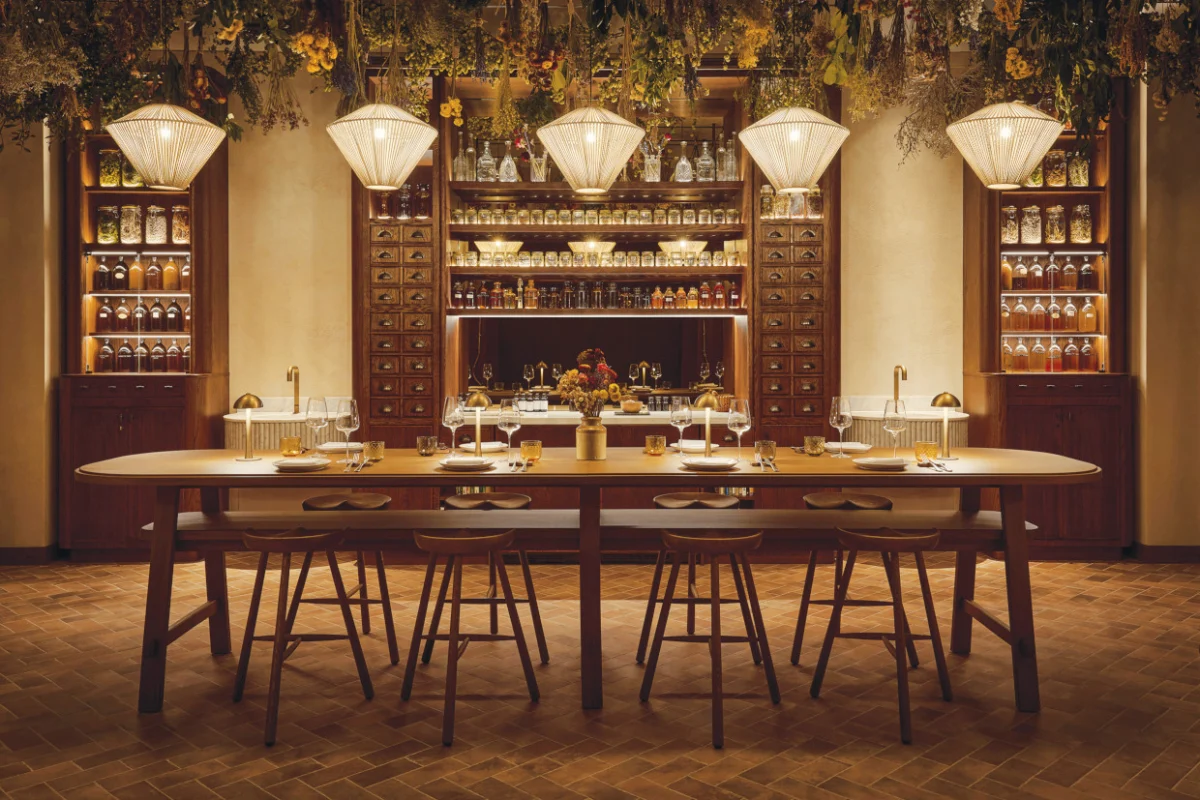
As the design world evolves at an increasingly frantic pace, few studios have managed to maintain the creative integrity and intellectual rigor of AvroKO. Marking a quarter-century of practice, the internationally renowned studio continues to demonstrate that hospitality design is far more than an aesthetic exercise. Instead, it is an exercise in myth-making—a deliberate, narrative-driven approach that seeks to anchor guests in history, character, and genuine human connection.
From their high-profile transformation of London’s Whiteleys department store into the Six Senses London to their upcoming international portfolio, the four founders—Kristina O’Neal, Adam Farmerie, Greg Bradshaw, and William Harris—remain anchored by the same conviction that brought them together in 2001: that a space should not merely house a guest, but tell them a story.
The Founding Ethos: A Collaborative Genesis
The story of AvroKO began at the turn of the millennium, a period defined by a hospitality landscape that the founders found profoundly underwhelming. In 2001, the design industry was dominated by "clean, safe, and generic" interiors that lacked soul.
“We started with four people, four very different backgrounds—including architecture, interiors, art, and branding—and one shared conviction: that hospitality spaces could carry real narrative and emotional weight,” reflects co-founder Kristina O’Neal.
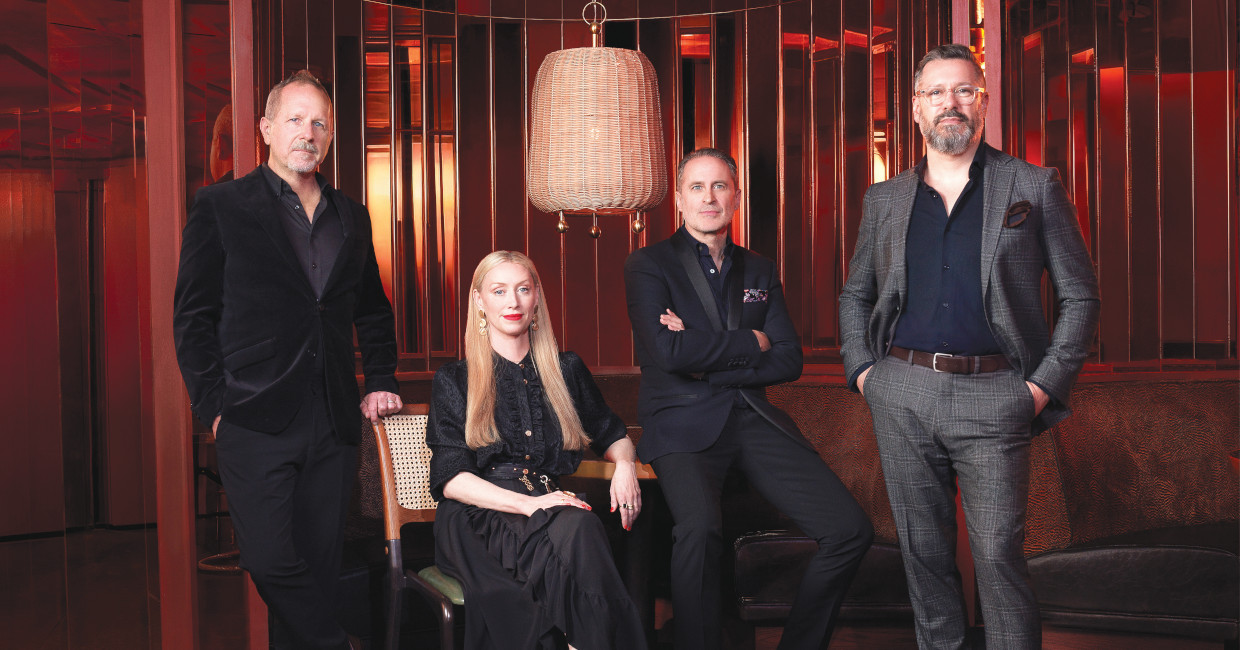
Unlike traditional architecture firms that siloed these disciplines, AvroKO was built as a holistic laboratory. By integrating branding and narrative strategy into the architectural blueprint from day one, they bypassed the superficiality of "decorating" and moved toward "experience design." This collaborative spirit has proven to be the studio’s most enduring asset. While many boutique firms dissolve under the pressures of rapid expansion, AvroKO’s partnership remains intact, a rarity in the high-stakes world of international design.
Case Study: The Resurrection of Whiteleys
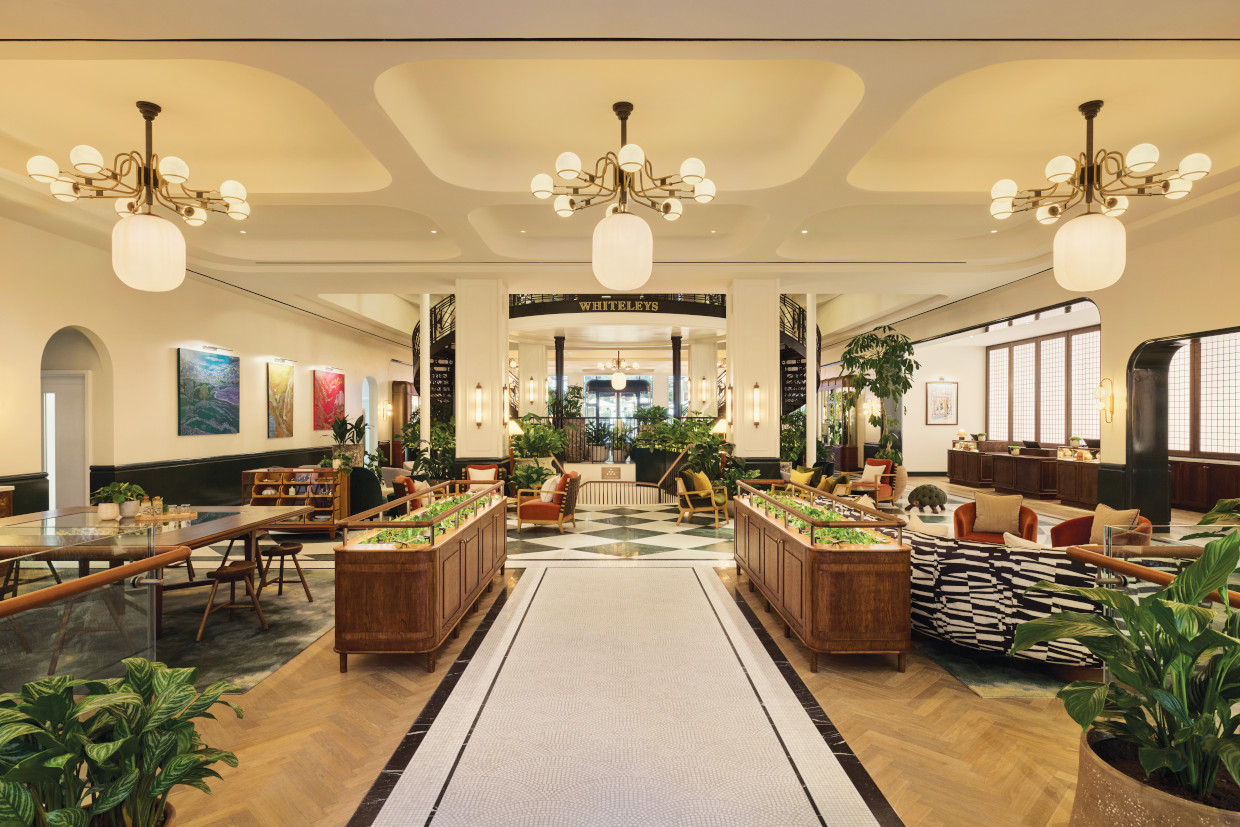
Nowhere is this philosophy more tangible than in their recent work on Six Senses London. The project is not a restoration in the traditional sense; it is a reinvention. Occupying the bones of the former Whiteleys department store in Bayswater, the project serves as a masterclass in how to treat a historic landmark without succumbing to the "museum trap."
The "Universal Provider" as a Design Spine
Adam Farmerie explains that the design team looked to the building’s original founder, William Whiteley, for inspiration. Whiteley, having visited the Great Exhibition of 1851, became obsessed with the concept of the "Universal Provider"—a radical retail vision where every conceivable need could be met under one roof.
“That became the spine of everything we designed,” says Farmerie. By internalizing this historical ambition, the team didn’t just copy the Victorian architecture; they channelled the spirit of a place built for innovation, curiosity, and service.
Avoiding the Pull of Pure Reverence
A common pitfall in heritage hospitality is "pure reverence," where designers become so obsessed with preservation that they lose the function of the space. Farmerie is adamant about the dangers of this approach. “If you spend all your energy reproducing what was there, you’ll likely end up with a museum versus a living space,” he notes.
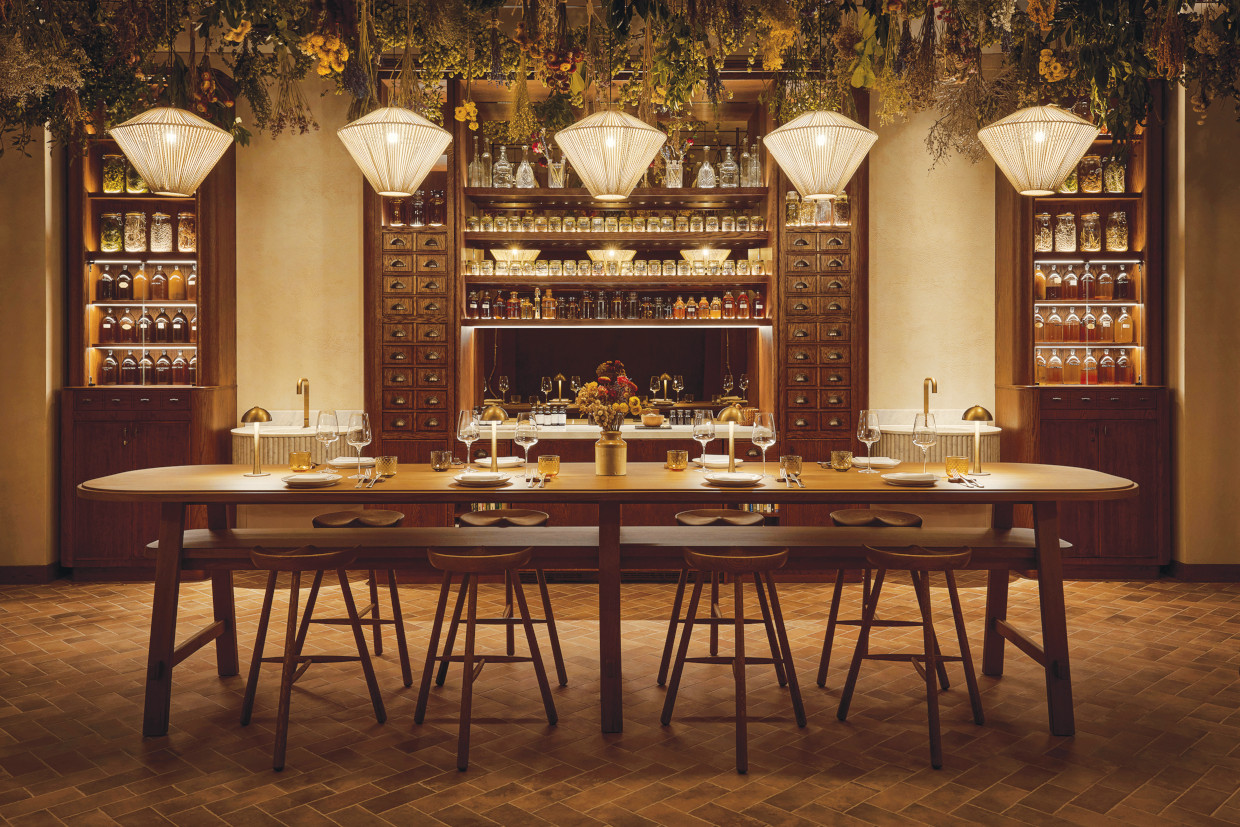
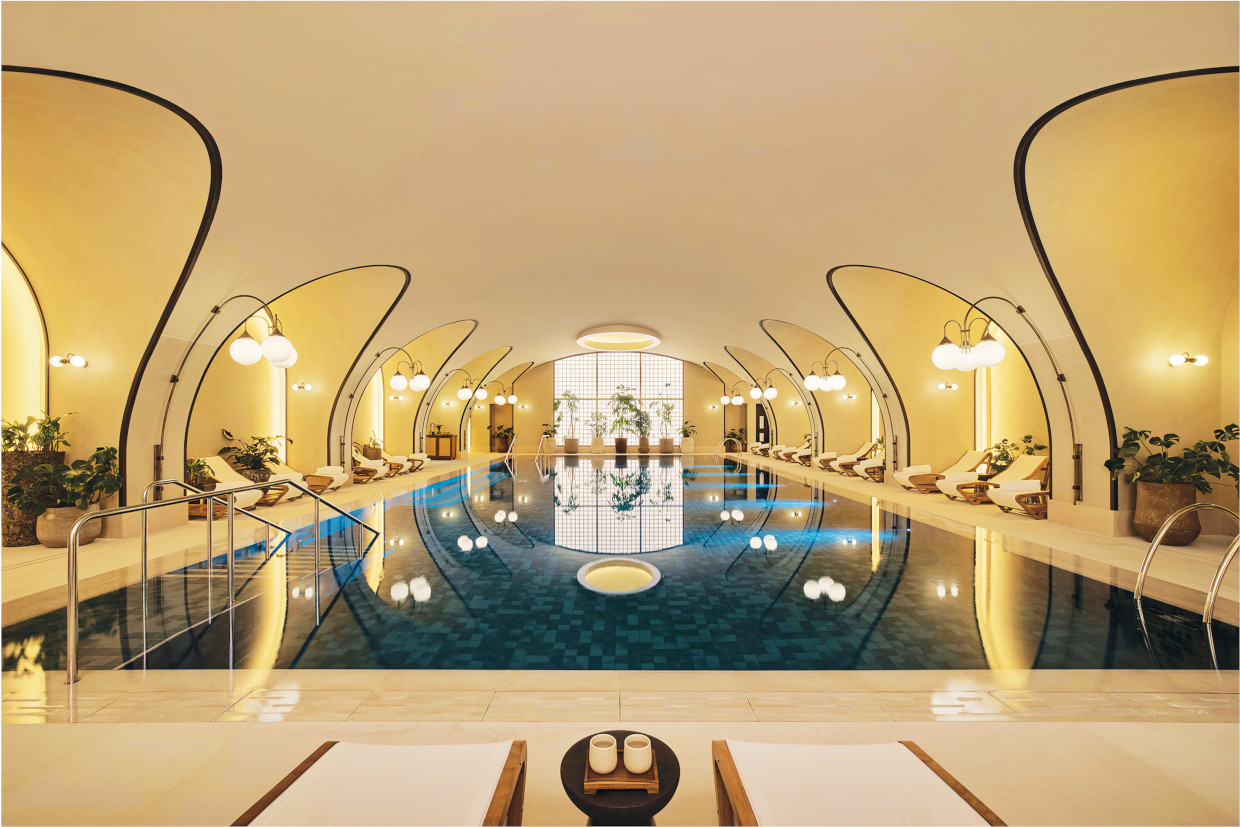
The resulting design at Six Senses is a dialogue between eras. Handmade Zellige tiles serve as a nod to the basement vaults, while glazed shower enclosures and wardrobe millwork mimic the structural elegance of the building’s former retail displays. The result is a space that feels deeply historical yet functionally contemporary.
The Science of Sustainability and Wellbeing
In the current climate, sustainability is often reduced to a checklist of technological interventions—smart thermostats or LED lighting. AvroKO argues for a more fundamental approach: longevity.
“The most sustainable decision is one you don’t have to make again in ten years,” Farmerie argues. By utilizing materials that age with dignity—marble, stone, and solid timber—the studio ensures that their projects do not suffer from the "disposable" quality that plagues modern hotel design. As these materials weather and gain a patina, the building becomes more beautiful, effectively extending its lifecycle.
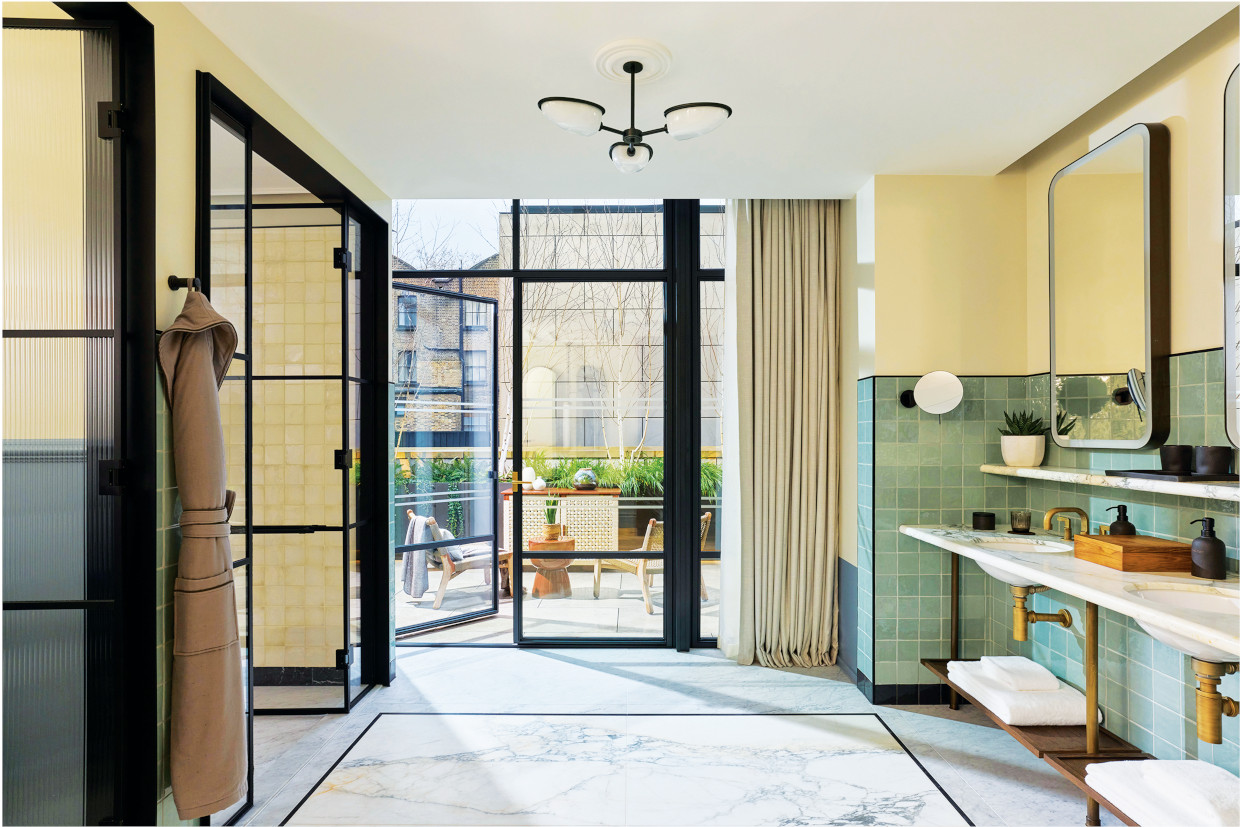
Furthermore, the integration of wellness at Six Senses London goes beyond the spa menu. The lighting design is meticulously calibrated to support circadian rhythms, acknowledging that a guest’s wellbeing is inextricably linked to their environment. This is a shift in the industry: design is no longer just about how a room looks in a brochure, but how it makes the guest feel at 3:00 AM after a long flight.
The Future: Hospitality as a Neighborhood Ecosystem
As AvroKO looks toward the next quarter-century, the founders observe a significant shift in how we define "hospitality." The rigid boundaries between work, sleep, play, and commerce are dissolving.
From Hotels to Neighborhoods
“The next-level hospitality projects we see now are less like hotels and more like small neighborhoods,” notes Greg Bradshaw. In this new era, the hotel is expected to act as a community anchor. Successful destinations now require a coherent design vision that weaves together restaurants, wellness facilities, coworking spaces, and public-facing art programs.
This complexity requires a broader design vocabulary. Designers must now consider how an entire ecosystem functions across a 24-hour cycle. A hotel lobby that is a quiet library at 10:00 AM must transform into a vibrant social club by 9:00 PM, all without losing its narrative thread.
Expert Insight: Advice for the Next Generation
When asked about the future of the profession, Kristina O’Neal offers a piece of advice that challenges the Instagram-centric culture of modern interior design: “Start with curiosity, not aesthetics.”
She argues that the most compelling work is born from a genuine obsession with the stories, cultures, and histories embedded in a site. A mood board is a tool, not a concept. True design excellence, she suggests, comes from lived experience: walking the streets, observing how people gather, and understanding the local fabric.
This collaborative ethos is essential. Hospitality is a team sport—architects, operators, chefs, and developers must move in lockstep. The most successful ideas do not emerge from an isolated designer, but from a cross-pollination of perspectives.
Chronology of Influence: 25 Years of AvroKO
- 2001: AvroKO is founded in New York City by four partners with backgrounds in art, architecture, and branding, aiming to disrupt the "generic" hospitality sector.
- 2000s: The firm gains international acclaim for their innovative approach to dining and hotel concepts, prioritizing narrative-driven design.
- 2010s: Expansion into global markets; the studio takes on larger, mixed-use developments that blend lifestyle, hospitality, and residential elements.
- 2020s: The firm cements its reputation for large-scale adaptive reuse, leading projects like the Six Senses London and international luxury resort concepts.
- 2026: AvroKO celebrates its 25th anniversary, with a portfolio that includes high-profile projects in Athens (The Ilisian), Kunming, Healdsburg, and Rome.
Looking Ahead: The Pipeline of Tomorrow
The studio shows no signs of slowing down as it enters its second quarter-century. With a pipeline that includes The Selvedge in Healdsburg, the Pendry Mexico City, and the LXR Rome, the studio’s geographical and conceptual range continues to broaden.
William Harris highlights a particularly poignant milestone: “We’re working on the first Wolseley outside of London. It feels like a real privilege. Twenty-five years in, and the pipeline has never felt more diverse and exhilarating.”
This diversity is the ultimate reflection of the firm’s core value: curiosity. By refusing to settle into a signature "look" and instead insisting on a signature "process," AvroKO has managed to stay relevant in an industry that demands constant reinvention.
As they move forward, the underlying narrative remains constant. Whether it is a hotel, a restaurant, or a mixed-use neighborhood, the goal remains to create environments that are rooted in history, animated by imagination, and—most importantly—designed to be lived in, not just looked at. For AvroKO, the story is only just beginning.


 Lina Hope
