

 Azzam Bilal Chamdy
 Neng Nana
 Nana Muazin
 Dwi Wanna
 Raul Delapena Setiawan
 Basiran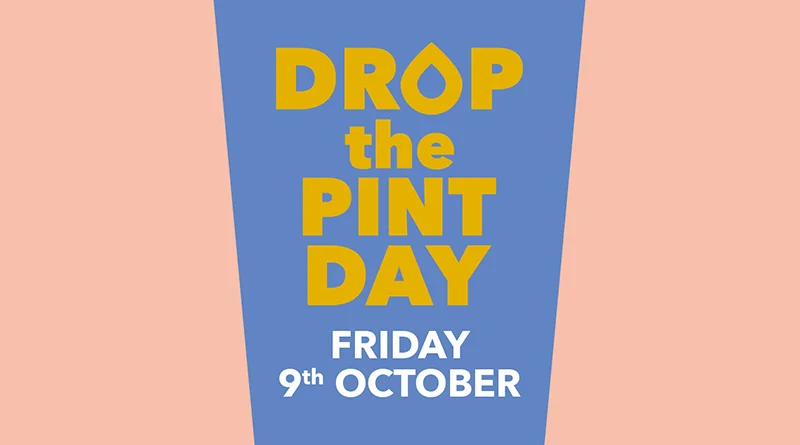
On Friday, 9 October, a quiet but potent economic protest is taking place across the United Kingdom. In 65 venues ranging from historic local pubs to modern craft taprooms, patrons are enjoying their favorite draught beers at prices drastically lower than the market standard. This initiative, dubbed "Drop the Pint Day," is not merely a promotional gimmick; it is a calculated demonstration of the economic potential that proponents believe could be unlocked if the UK government were to overhaul its approach to alcohol duty.
As the nation approaches the Autumn Budget, scheduled for Wednesday, 28 October 2026, the hospitality sector is turning up the pressure on the Chancellor. At the heart of the debate is the "Drop the Tap Tax" campaign, a movement arguing that the UK’s current tax regime is stifling the growth of independent breweries and the viability of the great British pub.
The Disparity: How the UK Compares to European Peers
To understand the frustration felt by publicans and brewers, one must look at the stark contrast in fiscal policy between the UK and its European counterparts. Currently, the UK maintains some of the highest beer tax rates on the continent. By comparison, Germany—a country with a world-renowned beer culture—imposes a tax burden on pub beer that is roughly ten times lower than the UK’s.
The "Drop the Pint Day" initiative serves as a living, breathing case study of this discrepancy. Participating venues are offering one cask or keg of beer at the exact tax rate that would apply if the UK operated under the German fiscal model. For the duration of the day, consumers are experiencing firsthand the "true" price of a pint when it is not weighed down by heavy excise duties.
Chronology of the Campaign: Building Momentum Toward the Budget
The path to this national day of action has been marked by a steady rise in lobbying efforts from the Society of Independent Brewers and Associates (SIBA).
- Mid-2026: As the date for the Autumn Budget was solidified, industry leaders began mapping out a strategy to highlight the "Draught Relief" mechanism.
- September 2026: SIBA and independent stakeholders launched the "Drop the Tap Tax" website, providing a platform for consumers to contact their local MPs and voice support for tax reform.
- Early October 2026: The campaign gained momentum, with 65 venues signing up to participate in the one-day price reduction event.
- 9 October 2026: "Drop the Pint Day" takes place, serving as the physical centerpiece of the campaign.
- 28 October 2026: The definitive moment arrives. The Chancellor of the Exchequer is set to deliver the Autumn Budget, which will serve as the final verdict on whether the government will concede to industry demands for a deeper cut to draught beer duty.
Economic Implications: The Cebr Analysis
The arguments for cutting the tap tax are not based on sentiment alone. Independent research conducted by the Centre for Economic and Business Research (Cebr) provides a compelling economic rationale for the move. According to the data, if the UK were to adopt a taxation structure similar to Germany’s, the ripple effects throughout the economy would be significant.
Job Creation and Economic Stimulus
The Cebr report projects that a reduction in tax could facilitate the creation of over 16,000 new jobs within the hospitality and brewing sectors. These roles, ranging from brewery staff to front-of-house pub employees, would provide a much-needed boost to local employment rates.
Furthermore, the research estimates that the lower price point would stimulate consumption to the tune of 119 million extra pints being poured annually. This surge in volume would not only support breweries but would also inject an estimated £663 million into the UK economy. In a climate of economic uncertainty, advocates argue that this is a low-risk, high-reward strategy for growth.
The Mechanism: Understanding "Draught Relief"
The government currently acknowledges the importance of the pub trade through a policy known as "Draught Relief," which provides a 13.9% reduced rate of duty on beer sold in containers of 20 liters or more (intended for consumption in pubs).
However, independent brewers argue that while this is a step in the right direction, it is far from sufficient. The "Drop the Tap Tax" campaign is calling for a more aggressive expansion of this relief. By specifically targeting the hand-pulls and keg taps that serve community venues, the government could ensure that the tax benefits are passed directly to the consumer and the small business owner, rather than being absorbed by large-scale off-trade retailers.
Official Responses and Industry Sentiment
The leadership behind the campaign is clear about the cultural and economic importance of the pub. Andy Slee, Chief Executive of the Society of Independent Brewers and Associates (SIBA), has been a vocal proponent of the shift.
"When it comes to supporting breweries and beer, the Germans do it right," Slee stated during the lead-up to the event. "They understand the cultural importance and contribution they make to the local communities and therefore have a much lower rate of tax."
Slee’s sentiment is echoed by hundreds of publicans who feel that the pub is a cornerstone of British social cohesion. From the perspective of the brewing industry, the current tax structure is not just an economic burden; it is an existential threat to the "village local" and the independent brewery that supplies it. By aligning UK tax policy more closely with the German model, the industry believes the government could safeguard these institutions while simultaneously fostering a more competitive and vibrant market.
The Road Ahead: How You Can Participate
As the 28 October Budget approaches, the campaign is shifting its focus toward digital and political mobilization. The organizers are urging the public to visit www.droptaptax.com to sign the petition.
For those within the industry—publicans, brewers, and hospitality staff—the campaign has provided a toolkit of resources, including downloadable posters and social media assets to help spread the word. Supporters are being encouraged to use the hashtag #DropTapTax to create a unified digital voice that the Treasury cannot ignore.
Conclusion: A Test for the Treasury
The "Drop the Pint Day" is more than a one-day discount; it is a signal of a sector that is tired of being treated as a "cash cow" for the exchequer. The hospitality industry provides more than just beverages; it provides jobs, community hubs, and a significant portion of the UK’s cultural identity.
The decision facing the Chancellor in late October is not just about the price of a pint. It is a decision about whether the government intends to treat the pub industry as a vital economic engine worthy of support, or merely a convenient target for tax revenue. With 16,000 potential jobs and hundreds of millions of pounds in economic growth on the line, the "Drop the Tap Tax" campaign is setting the stage for what many hope will be a transformative Budget for British brewing.
Whether or not the Chancellor bows to the pressure remains to be seen. However, as the 65 participating venues pour their pints this Friday, they are sending a clear, unequivocal message to Westminster: a lower tax on beer is not just good for the drinker—it is essential for the nation’s economic health.


 Lina Hope
