Dwi Wanna
 Nana Wu
 Muslim
 Reynand Wu
 Ammar Sabilarrohman
 Sagoh
Sagoh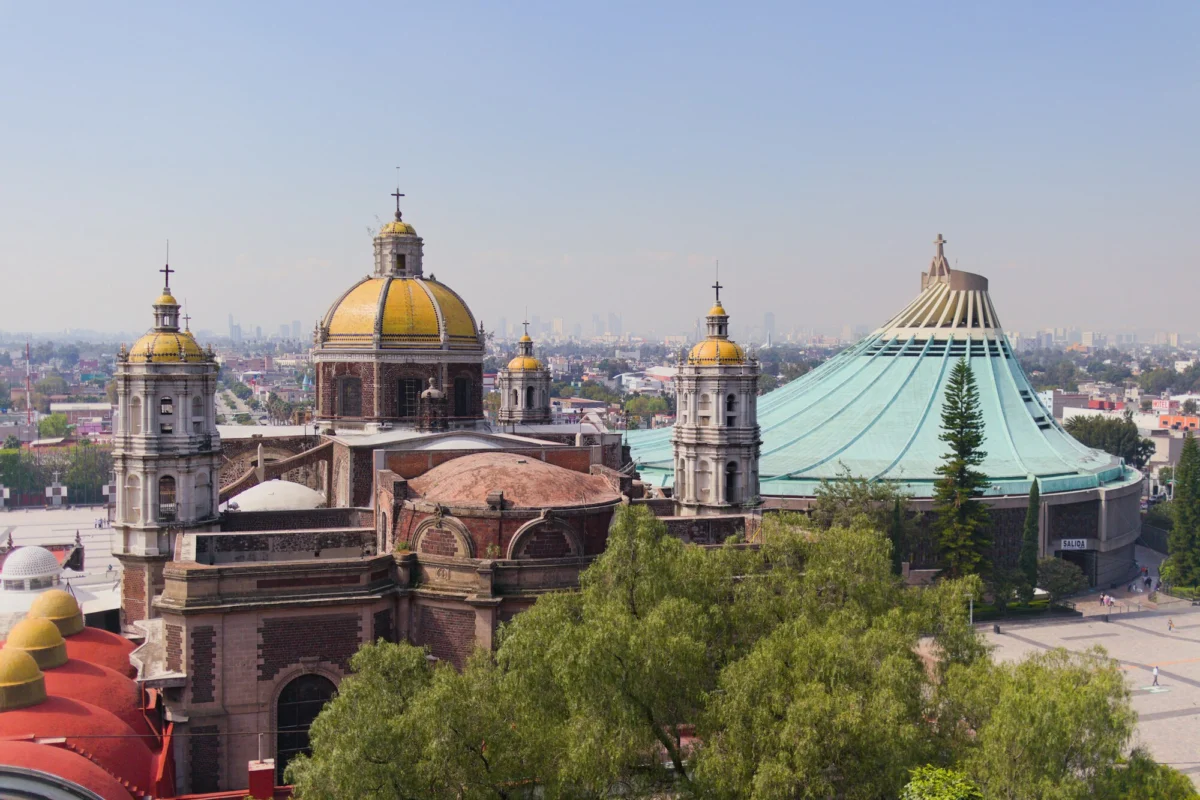
Mexico City is more than a metropolis; it is a sprawling, high-altitude palimpsest. To walk its streets is to navigate a continuous negotiation between deep-seated indigenous history, the heavy hand of colonial imposition, and the relentless, avant-garde energy of the 21st century. For the architect, the city serves as the world’s most complex urban laboratory, where the aquatic memory of the ancient Aztec capital, Tenochtitlan, remains a haunting undercurrent to the steel-and-glass skyscrapers of modern-day Reforma.
The Architecture of Temporal Layers: Main Facts
The fundamental characteristic of Mexico City’s built environment is its "layered temporality." Because the city was built directly atop the ruins of the Mexica capital, every excavation reveals the structural tension between the past and the future.
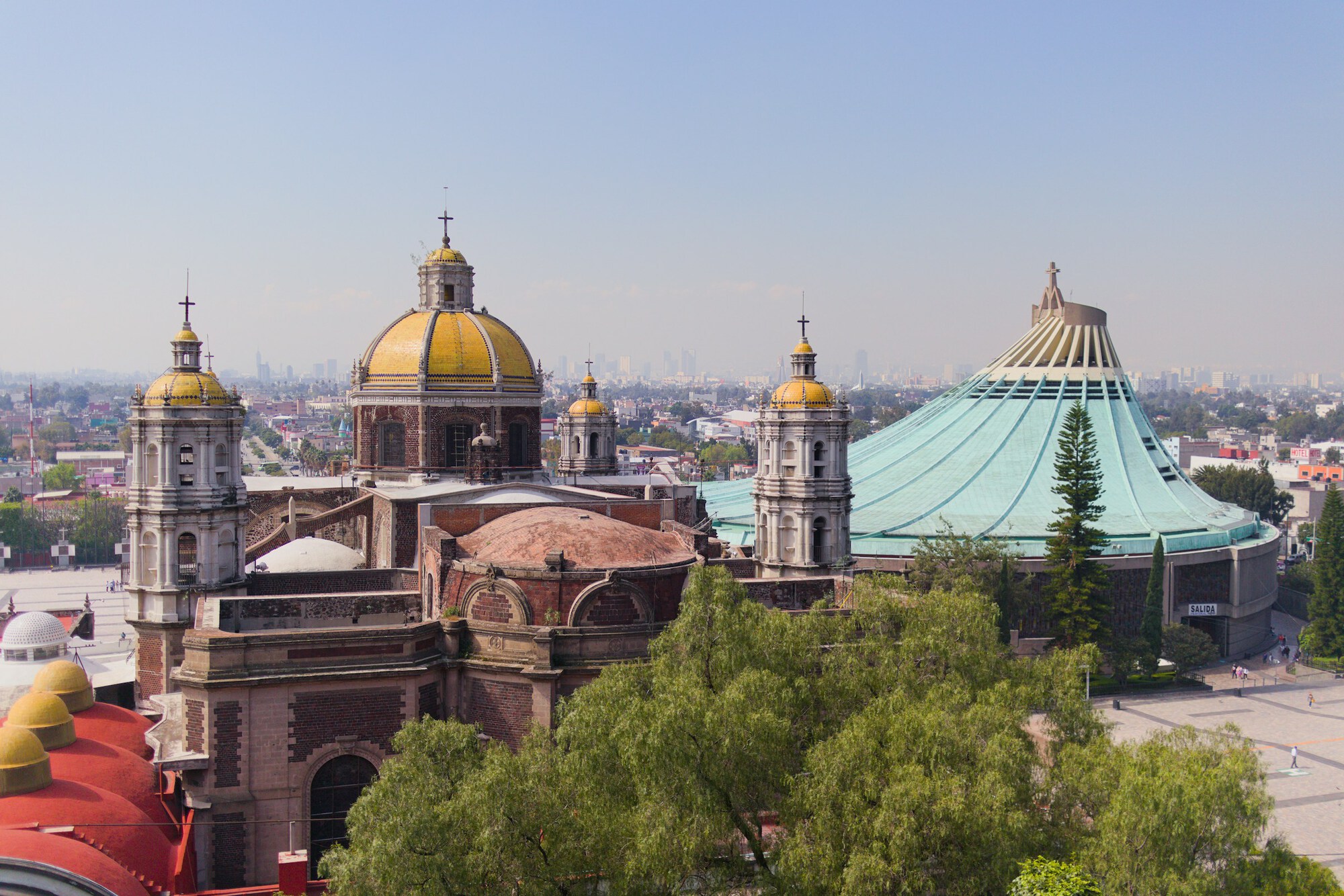
The city’s architectural identity is defined by three distinct movements:
- The Pre-Hispanic Foundation: Defined by the monumental scale of the Templo Mayor and the sacred geography of the Valley of Mexico.
- The Viceroyalty (Colonial) Period: Characterized by the imposition of Baroque and Renaissance forms, exemplified by the Catedral Metropolitana, which physically sits on the foundations of the old Aztec temples—a symbolic and literal layering of power.
- The Modernist Explosion: The mid-20th century saw Mexico emerge as a global epicenter of architectural theory. This era synthesized international rationalism with a profound commitment to local materiality, color, and emotional resonance.
A Chronological Journey Through the Metropolis
To understand Mexico City, one must view its development not as a linear progression, but as a series of aesthetic dialogues.
1. The Ancient Roots (Pre-1521)
The urban planning of Tenochtitlan was a masterpiece of hydraulic engineering. Built on an island in Lake Texcoco, the city relied on complex systems of causeways, canals, and dikes. While much of this was destroyed or buried during the Spanish conquest, the "sacred precinct" remains, providing a lesson in monumental urbanism that still influences contemporary Mexican architects.
2. The Colonial Imposition (1521–1821)
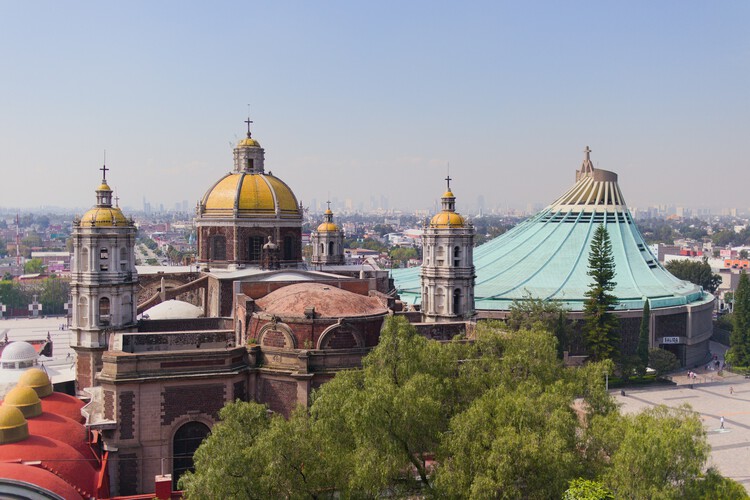
The colonial period brought the introduction of the zocalo (main square) and the gridiron plan. The Spanish used stone salvaged from Aztec pyramids to build their cathedrals and palaces, a practice of "spolia" that created a unique visual hybridity. The scale of these structures was designed to command authority, yet they inevitably adopted the soft, porous volcanic stone (tezontle) of the region, creating a distinctive aesthetic that is unmistakably Mexican.
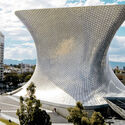
3. The Mid-Century Renaissance (1940–1970)
This remains the most vital period for visiting architects. Mexico City became a crucible for experimentation:
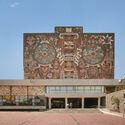
- The Ciudad Universitaria (UNAM): A UNESCO World Heritage site, it is a triumph of urban planning. It moved away from the traditional, isolated campus model to create an integrated landscape where architecture, muralism, and nature function as a single organism.
- Félix Candela’s Hyper-Parabolic Shells: Candela pushed concrete to its physical limits, creating structures that looked as light as paper but possessed the strength of stone. His work, such as the Los Manantiales restaurant, challenged the "box" architecture of the era.
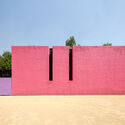
- The Emotional Minimalism of Luis Barragán: Perhaps Mexico’s most influential architect, Barragán shifted the focus from purely structural concerns to the spiritual. His use of light, shadow, water, and saturated, non-traditional colors (pink, ochre, blue) redefined domestic space. His residence and studio are essential pilgrimages for any architect seeking to understand how to create "profound spatial stillness."
4. The Contemporary Synthesis (2000–Present)
Today, firms like Taller de Arquitectura X (Alberto Kalach) and Tatiana Bilbao are continuing this legacy, focusing on social housing, urban rewilding, and the integration of architecture into the precarious, volcanic terrain of the city’s southern edges.
Supporting Data: Why Mexico City Demands Study
The significance of Mexico City in global architecture can be quantified by its density of protected sites and its influence on global discourse.
- UNESCO Heritage: The Historic Center and the Xochimilco district serve as living museums of hydraulic and colonial engineering.
- Urban Growth: As one of the most populous urban areas in the world, the city offers critical case studies in densification, seismic-resistant design, and the management of fragile geological foundations.
- Materiality: The consistent use of local materials—such as tezontle (a lightweight, porous volcanic rock) and chiluca (a dense, grey stone)—provides a tactile unity to the city that transcends architectural style.
Official Responses and Preservation Challenges
The preservation of this massive, heterogeneous architectural landscape is a subject of constant debate among urbanists and the Mexican government. The National Institute of Anthropology and History (INAH) works in tandem with urban planners to manage the tension between protecting historic sites and the pressure for modern development.
"The challenge is not just to freeze the city in time, but to allow it to grow without erasing the layers that make it unique," notes local urban historian Dr. Elena Reyes. Recent city initiatives have focused on the "revitalization" of the Historic Center, shifting from mere preservation to active cultural programming, ensuring that these historic structures remain functional in the 21st century.
Implications: The Architect’s Takeaway
What should a contemporary architect learn from a visit to Mexico City?
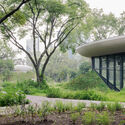
- Materiality is Meaning: The choice of stone and finish is not just aesthetic; it is a dialogue with the earth. The use of volcanic stone connects the building to the very ground upon which it stands.
- Architecture as an Emotional Act: From the stillness of a Barragán courtyard to the raw, rhythmic brutalism of Teodoro González de León’s work, the city teaches that space should be felt as much as it is seen.
- The Persistence of History: No site in Mexico City is a "blank slate." Every new project is an addition to a multi-millennial dialogue. The most successful contemporary projects in the city are those that acknowledge this, rather than attempting to compete with the weight of the past.
A Curated Itinerary (Top 5 Essential Sites)
For the architect traveling to the city, these sites offer the best cross-section of its history:
- Luis Barragán House and Studio: The absolute zenith of introspective, modernist residential design.
- Templo Mayor Museum: To understand the pre-Hispanic origins of the city’s urban axis.
- The National Museum of Anthropology (Pedro Ramírez Vázquez): A masterpiece of monumental design and exhibition flow.
- Biblioteca Vasconcelos (Alberto Kalach): An example of contemporary, high-intensity public space that manages to feel like a "megalibrary" suspended in a garden.
- Casa de la Bola / San Ángel District: To experience the survival of the colonial urban fabric in a contemporary context.
Conclusion
Mexico City is an exhausting, exhilarating, and essential destination for anyone practicing architecture. It is a place that refuses to be categorized. It forces the visitor to reconsider the role of the architect: not merely as a builder of structures, but as a mediator of time. By studying the juxtaposition of the ancient, the colonial, and the modern, the architect gains a deeper understanding of how to build in a world that is increasingly aware of its own fragility and the weight of its past.

As the city continues to mutate, it remains a constant reminder that architecture is never finished; it is a conversation that continues, layer by layer, long after the final brick is laid.