

 Dwi Wanna
 Nana Wu
 Muslim
 Reynand Wu
 Ammar Sabilarrohman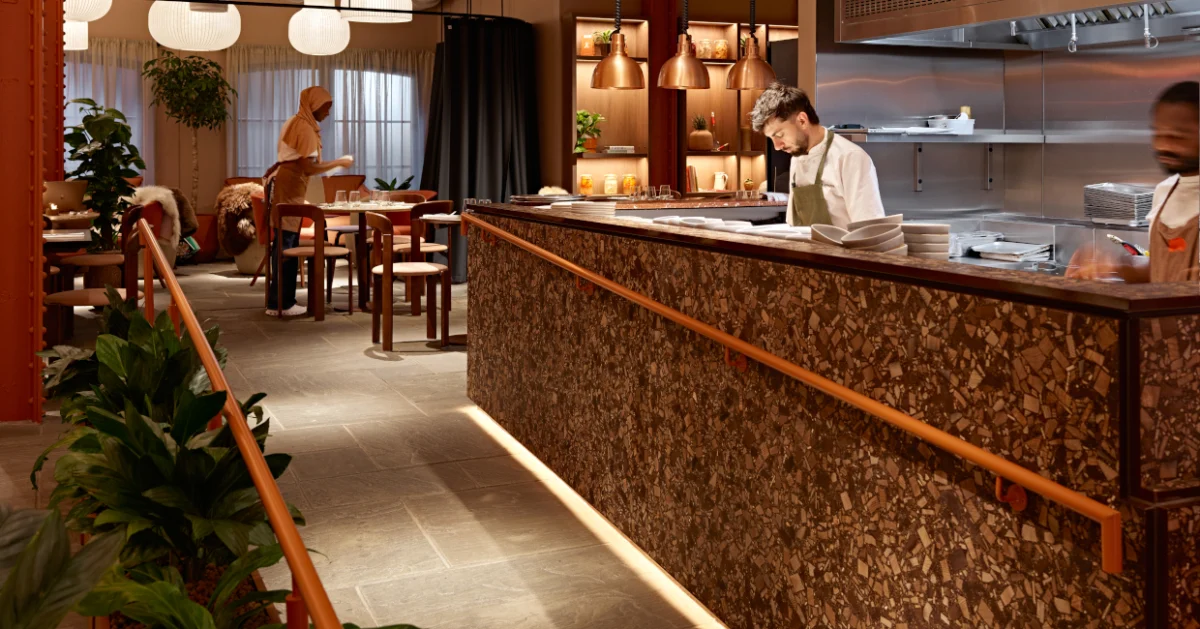
In the heart of London’s bustling Covent Garden, a new culinary landmark has emerged that challenges the traditional boundaries between hospitality, environmental stewardship, and interior design. Birchwood at The Conduit, located on the ground floor of the prestigious members’ club on Langley Street, represents a bold departure from the standard urban café-bar model. Designed by the renowned experience agency 20:20, the space is more than a place to eat; it is a tangible manifestation of a "farm-to-table" ethos brought into the metropolitan core.
Spearheaded by Michelin Green Star chef and farmer Will Devlin, the project is a collaborative effort between Devlin’s Acre group, hospitality partner Levy, and the social impact-focused members’ club, The Conduit. As Devlin’s first foray into the London dining scene, Birchwood is designed to bridge the gap between his rural Kentish farm and the capital’s demanding culinary landscape.
The Core Philosophy: A Masterclass in Circularity
At the heart of the Birchwood project lies a radical commitment to sustainability. This is not merely a marketing buzzword but a foundational element of the physical space. The partnership between 20:20, The Conduit, and Will Devlin was built on a shared mission: to create a room that breathes, lives, and reflects the cycle of nature.
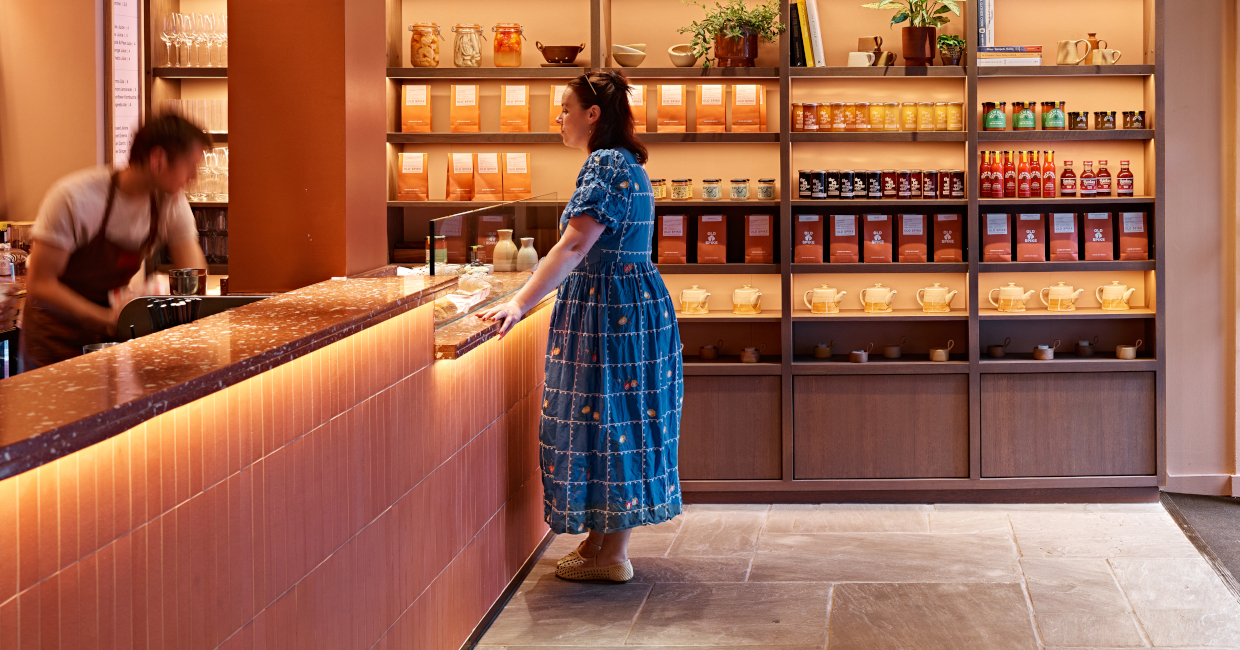
"All three clients shared a unified mission statement of sustainability, change-making and purpose-driven design," explains Ashley Macfarlane, Design Director and project lead at 20:20. This mission is evident from the moment a guest steps through the door. The takeaway counter, for instance, serves as an immediate narrative device. Fronted in artisanal terracotta tiles, it is topped with a "Matterpieces" surface—a high-end material engineered entirely from demolition waste. This choice serves as a microcosm for the entire interior: repurposing what the world considers "end-of-life" materials into functional, elegant, and durable design elements.
A Chronology of Collaboration
The journey of Birchwood began with a simple but ambitious brief: to translate the raw, honest values of a Kentish farm into a sophisticated London environment.
The process, which involved months of material sourcing and design iteration, saw 20:20 working closely with Devlin to ensure the "Acre" group’s agricultural identity remained front and center. The design phase focused on the "flow" of the day—the transition from the early morning rush of coffee-seeking commuters to the leisurely, candlelit ambiance of an evening wine bar.
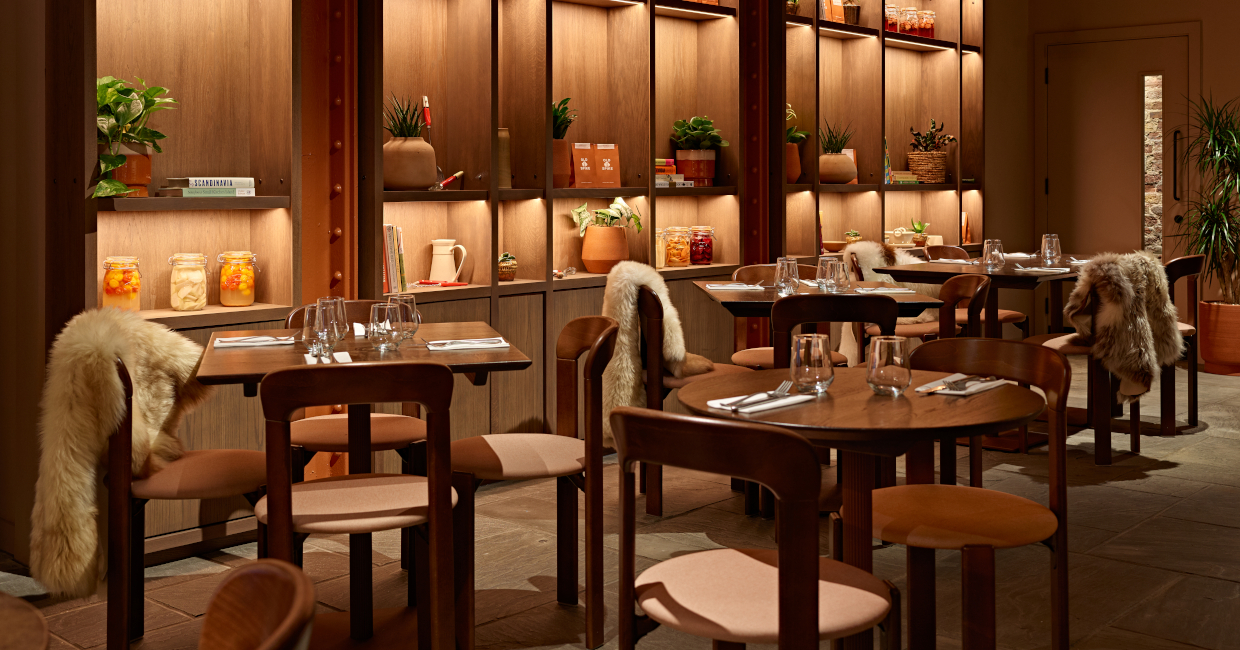
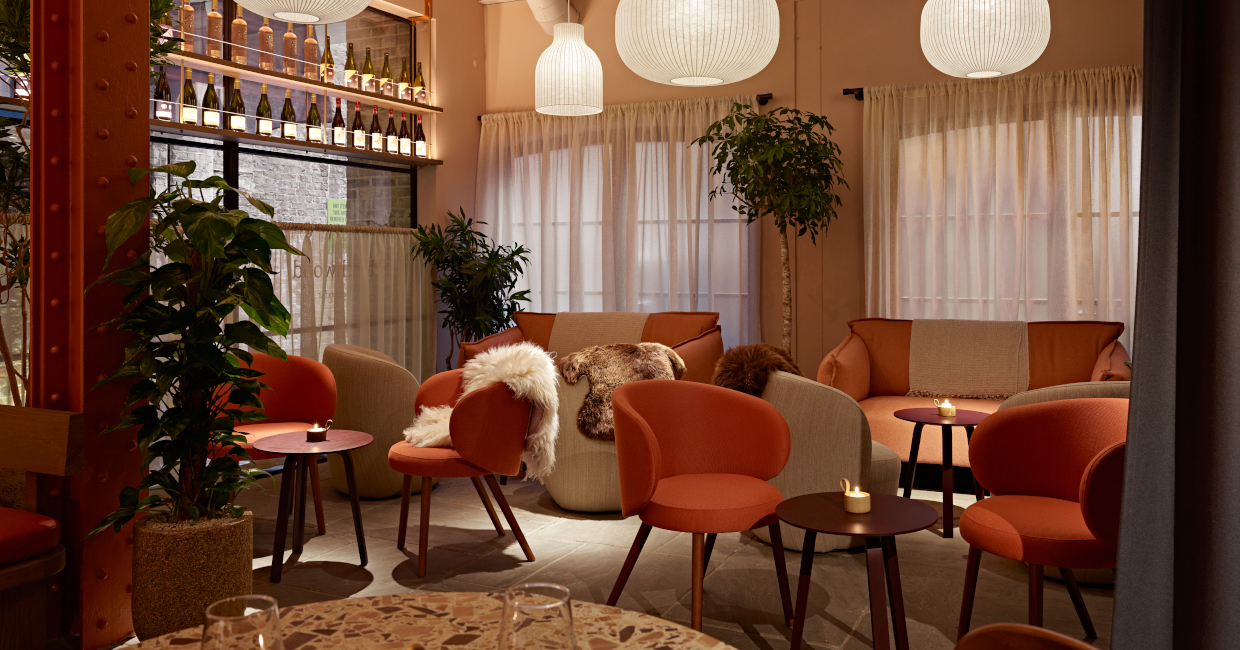
By mid-2026, the interior began to take shape. The installation phase prioritized carbon-negative and recycled materials. Unlike traditional fit-outs that rely on new, carbon-intensive manufacturing, the Birchwood team focused on "provenance." Every piece of furniture, from the beech chairs adorned with sheepskin throws to the cork-based lighting, was selected for its minimal environmental footprint and its ability to withstand the rigors of a high-traffic urban hospitality environment.
The Material Palette: A Deep Dive into Sustainable Design
The interior of Birchwood is a study in textures and natural tones. To step inside is to leave the steel-and-glass intensity of London behind and enter a space defined by earth, wood, and air.
The Role of Atmospheric Design
One of the most innovative features of the space is the wall finish. The walls are coated in a specialized lime-based paint that, unlike traditional synthetic paints, actively absorbs carbon dioxide as it cures. This process effectively purifies the indoor air, creating a healthier environment for guests and staff alike. It is a subtle, invisible detail that underscores the project’s dedication to wellness.
Reclaimed Terrazzo and Wood
The kitchen pass and feature tables utilize a bespoke, terrazzo-style material. Rather than using conventional stone, the designers opted for a composite made from wood chips salvaged from the woodworking industry. This reclaimed-timber terrazzo provides a durable, heat-resistant surface that speaks to the "waste-not" philosophy inherent in Will Devlin’s cooking.
Tactile Connections to the Farm
The sensory experience is further enhanced by the use of sisal flooring and dark, rich woods that ground the space. The shelves are not merely decorative; they serve as a larder for the restaurant. Filled with fermented ingredients, preserved produce from Devlin’s farm, and lush greenery, the bookcases transform the act of storage into a visual display of the farm’s ongoing harvest.
Official Perspectives: The Synergy of Vision
The success of Birchwood is attributed to the alignment of its stakeholders. According to Chris Weaver, Managing Director of The Conduit Club, the project serves as a template for future developments.
"Birchwood has been a great example of what can be achieved when partners share a clear vision from the outset," Weaver stated. "The design not only brings Will’s brand and values to life in a London setting but also creates a space that feels welcoming, sustainable, and commercially effective from morning coffee through to evening service."
Ashley Macfarlane of 20:20 reinforces this, noting that the design was "shaped by each brand’s ethos." The goal was to ensure that "positive impact and guest experience were integrated at every touchpoint." By using air-purifying paints, demolition waste, and responsibly sourced fabrics, the team managed to create an environment that feels inherently honest—a rarity in the often-performative world of modern restaurant design.
Supporting Data: Sustainability as a Commercial Asset
In the contemporary hospitality sector, sustainability is often viewed through the lens of operational cost. However, the Birchwood project suggests that sustainable design can be a significant driver of brand loyalty and customer engagement.
- Material Sourcing: 100% of the key surfaces are either reclaimed, recycled, or natural, reducing the project’s "embodied carbon" significantly compared to standard fit-outs.
- Air Quality: The lime-based paint application represents a proactive approach to indoor environmental quality (IEQ), setting a new standard for London café spaces.
- Supply Chain Integrity: By incorporating produce and props directly from Will Devlin’s farm, the venue reduces the "food miles" associated with decor and culinary operations.
These elements collectively create a "sticky" brand experience. Guests are not just consuming coffee or wine; they are participating in a narrative of ecological responsibility.
Implications for the Future of Hospitality
The opening of Birchwood at The Conduit has profound implications for the future of urban design. It proves that a Michelin-quality experience does not have to be synonymous with environmental degradation.
The "Farm-to-Interior" Trend
As urban dwellers become increasingly disconnected from the sources of their food, venues that bridge the gap—literally bringing the farm into the room—are likely to see increased demand. Birchwood sets a precedent for how high-end hospitality brands can leverage their interiors to tell a more authentic story.
Redefining Luxury
Luxury in the 2020s is shifting away from gold plating and marble toward "conscious craftsmanship." The use of reclaimed timber and natural lime paints at Birchwood suggests that the new standard of luxury is defined by the quality of the material’s history and the ethical integrity of its source.
Scalability and Replication
Can this model be replicated? The partnership between 20:20, The Conduit, and the Acre group demonstrates that cross-sector collaboration—between designers, farmers, and social clubs—is the key to overcoming the logistical hurdles of sustainable design. By sharing resources and a singular vision, these entities have created a space that is not only beautiful but also resilient.
Conclusion
Birchwood at The Conduit is a triumph of purpose-driven design. By integrating the raw, honest materials of the farm with the polished, sophisticated needs of a London club, 20:20 has created a space that feels both timeless and urgent. As the industry looks toward a more sustainable future, Birchwood stands as a beacon, proving that with careful planning and a clear commitment to values, it is possible to build a space that sustains both the guest and the planet. Whether one is stopping in for a morning espresso or settling in for an evening of wine and conversation, the message is clear: the most beautiful designs are those that give back more than they take.

 Sagoh
Sagoh
