

 Dwi Wanna
 Nana Wu
 Muslim
 Reynand Wu
 Ammar Sabilarrohman
The landscape of global food production has shifted once again as Food Standards Australia New Zealand (FSANZ) has officially granted regulatory approval for cell-cultured duck biomass as a novel food ingredient. This landmark decision marks a significant step forward for the alternative protein industry, signaling that the dual-nation regulatory body is increasingly comfortable with the rigorous safety protocols required to bring cultivated animal products to market.
The approval, which encompasses strict conditions regarding food safety, manufacturing compliance, and transparency in labeling, follows a successful application by Gourmey (Suprême SAS), a French biotechnology leader specializing in cell-cultured culinary products. This move not only expands the culinary possibilities for Australian and New Zealand consumers but also reinforces the region’s position as a forward-thinking hub for food innovation.
The Core Facts: A Regulatory Breakthrough
The FSANZ Board’s decision to greenlight cell-cultured duck is not merely a permit for a specific product; it is a validation of the safety assessment framework that the agency has meticulously developed for novel proteins.
What Was Approved?
The approval pertains to a specific biomass derived from the cells of Pekin ducks. Unlike traditional farming, which requires the rearing and slaughter of animals, this biomass is cultivated in a controlled environment—a bioreactor—where animal cells are nurtured in a nutrient-rich medium to grow into tissue.
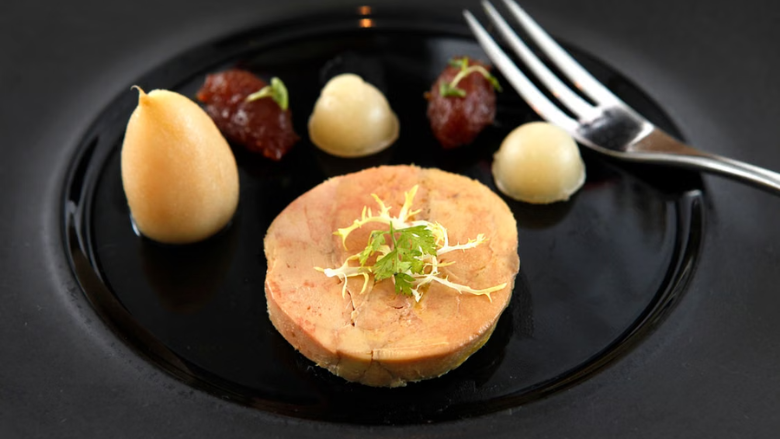
The primary intended use for this ingredient is in the development of high-end culinary products, most notably cell-cultured foie gras and refined duck pâté. By utilizing cellular agriculture, the product seeks to replicate the sensory profile, texture, and nutritional content of traditional duck products without the ethical and environmental concerns often associated with conventional factory farming.
Regulatory Safeguards
FSANZ has mandated that this approval be accompanied by stringent oversight. The conditions include:
- Safety Verification: Ongoing monitoring of the production process to ensure the cell line remains stable and free from contamination.
- Traceability: Robust documentation requirements that track the biomass from the bioreactor to the final consumer product.
- Consumer Transparency: Labeling requirements designed to ensure that consumers are fully informed about the nature of the product, distinguishing it from conventionally harvested meat.
Chronology: The Road to Approval
The journey to this regulatory milestone was marked by extensive scientific scrutiny and public engagement.
Phase 1: The Application (2023–2024)
Gourmey, headquartered in France, submitted its dossier to FSANZ, providing comprehensive data on the safety, production methods, and nutritional equivalence of its duck biomass. The application triggered the standard FSANZ process for novel foods, which requires an exhaustive review of the source material, the manufacturing process, and any potential allergens or toxins.

Phase 2: Scientific Risk Assessment
FSANZ’s scientists conducted a multi-layered risk assessment. This process scrutinized the Pekin duck cell line to ensure it possessed no oncogenic potential or pathogens. The evaluation concluded that the production process—conducted under sterile, highly controlled conditions—presented no public health or safety concerns.
Phase 3: Public Consultation
In keeping with the agency’s commitment to transparency, the proposal underwent a period of public consultation. Stakeholders, ranging from animal welfare advocates to conventional agricultural groups and public health experts, were invited to comment. The feedback was integrated into the final assessment, helping to shape the labeling requirements and safety monitoring protocols.
Phase 4: Final Board Approval (2026)
Following the success of the April 2025 approval of cultured quail—the first cell-based meat product approved in the region—the FSANZ Board leveraged that historical precedent to expedite the review of the duck biomass. The formal approval in 2026 solidifies a clear pathway for companies seeking to bring high-quality, animal-derived cellular products to the Australian and New Zealand markets.
Supporting Data and Scientific Context
The approval of cultivated duck is supported by a growing body of data suggesting that cell-cultured products are chemically and biologically comparable to their conventional counterparts.
Nutritional Equivalence
According to the dossiers submitted by Gourmey, the cellular architecture of the cultured duck biomass closely mirrors that of conventional duck tissue. It contains similar protein profiles, amino acid compositions, and lipid profiles. The absence of antibiotics and growth hormones—often used in industrial poultry farming—is frequently cited by proponents as a significant safety advantage.
Safety and Contamination Control
The primary safety concern for regulatory bodies is the potential for microbial contamination. Because the production of cultured meat occurs within closed-loop bioreactor systems, the risks associated with zoonotic diseases (such as Avian Influenza) are theoretically minimized. FSANZ’s risk assessment specifically noted that the controlled manufacturing environment eliminates the need for the antibiotics common in intensive agriculture, thereby mitigating the risk of antibiotic-resistant bacteria entering the food chain.
Official Responses and Stakeholder Implications
The reaction to the FSANZ announcement has been a mix of excitement from the food-tech sector and cautious optimism from the broader agricultural community.
The Developer’s Perspective: Gourmey
For Gourmey, this approval is a validation of its mission to redefine the luxury food market. In official statements, company representatives emphasized that their goal is to provide sustainable, slaughter-free alternatives that do not compromise on the culinary experience of foie gras. By gaining approval in Australia and New Zealand, the company effectively gains a "seal of quality" that can be leveraged when approaching other international regulators.

The Regulator’s Stance
FSANZ maintains that its role is to remain "technology-neutral." By focusing on the safety of the end product rather than the method of production, the agency aims to foster innovation while maintaining its primary mandate: the protection of public health. Officials have indicated that the approval of cultured duck is not an endorsement of a specific business model, but rather a reflection of the science being sound and the safety protocols being robust.
The Agricultural Community
Conventional poultry producers have expressed a need for continued market differentiation. As cell-cultured products enter the market, the focus among traditional farmers has shifted toward "country of origin" and "natural farming" labeling, emphasizing the heritage of traditional practices. The regulatory approval of cultured duck has reignited debates over whether these products should be labeled as "meat" or "cultured protein."
Implications: The Future of the Protein Industry
The decision by FSANZ is more than a regional news item; it is a signal to the global market.
Global Regulatory Harmonization
As more countries, including the United States, Singapore, and now Australia and New Zealand, approve cell-cultured proteins, the pressure on other jurisdictions (such as the European Union) to establish clear regulatory frameworks increases. This creates a "domino effect" that could accelerate the global availability of cultured proteins.

Environmental and Ethical Shifts
The environmental implications of this approval are profound. Traditional foie gras production has long been a subject of ethical debate due to the force-feeding of ducks. By removing the animal from the equation while retaining the culinary output, this technology offers a path toward a more sustainable food system. Proponents argue that if scaled successfully, cellular agriculture could drastically reduce the land and water footprint associated with meat production.
Consumer Acceptance
The ultimate test for this product will be the consumer. While early adopters and those interested in sustainable food technology are likely to try the product, mass-market acceptance will depend on three factors:
- Price Parity: Can the product be produced at a cost that is competitive with high-end conventional meat?
- Sensory Experience: Does the cultured pâté meet the expectations of gourmet consumers?
- Trust: How effectively can regulators and producers communicate the safety and benefits of cellular agriculture to a skeptical public?
A New Era of Food Science
Looking forward, the approval of cultured duck signals the beginning of a broader trend: the diversification of our protein sources. As FSANZ continues to review new applications, the Australian and New Zealand food industries are poised to lead in the development of "next-generation" food products. This shift represents a transition from viewing food solely as a product of agriculture to viewing it as a product of biotechnology and food engineering.
In conclusion, the approval of cell-cultured duck biomass by FSANZ marks a significant maturity point for the alternative protein industry. By establishing a rigorous, science-based pathway for approval, the agency has provided a roadmap for other regulators to follow. While the market for such products is currently in its infancy, the regulatory foundations laid by this decision suggest that the way we consume meat is undergoing a permanent, technology-driven evolution. As companies like Gourmey prepare for commercial launch, the world will be watching to see how these products perform on the plate—and in the public eye.

 Rifan Muazin
