

 Raul Delapena Setiawan

 Ammar Sabilarrohman
 Lina Irawan
 Suro Senen
 Azzam Bilal Chamdy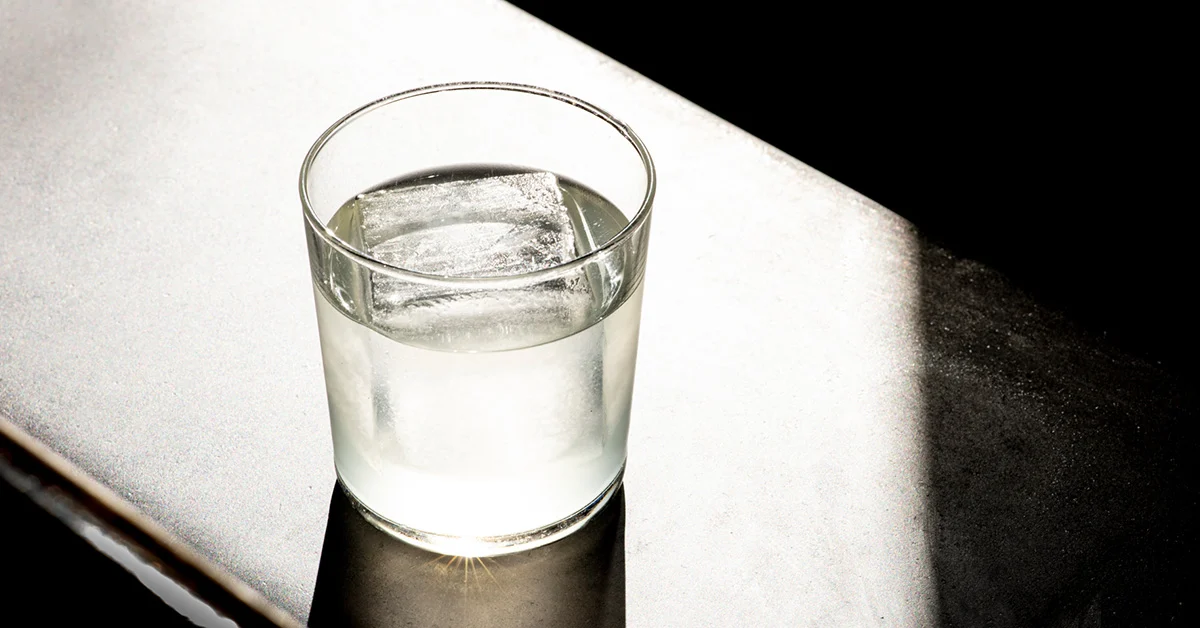
For the home enthusiast, the trajectory of cocktail mastery often follows a predictable arc. It begins with the acquisition of the essential toolkit—a weighted shaker, a precise jigger, and a sturdy bar spoon. Next comes the curation of a well-stocked back bar, moving from generic well spirits to niche amaros and small-batch gins. Finally, there is the pursuit of technical proficiency, moving from the steady execution of a classic Old Fashioned or Negroni to the nuanced balance of a Daiquiri.
However, once you have mastered the fundamental classics, a new frontier emerges. This is the realm of the "home bar flex"—a territory where the kitchen transforms into a clandestine laboratory. By integrating techniques once reserved for elite cocktail bars, the at-home bartender can elevate simple ingredients into complex, multisensory experiences. From the manipulation of fats to the precision of fermentation, here is how to take your home bartending from amateur to avant-garde.

The Evolution of Flavor: Core Techniques
Fat-Washing: Texture and Mouthfeel
First popularized in 2007 at the legendary PDT (Please Don’t Tell) in New York City with the Benton’s Old-Fashioned, fat-washing has become a cornerstone of modern mixology. At its core, the technique is a study in chemistry and extraction. By introducing a fat—such as toasted sesame oil, melted duck fat, or even peanut butter—into a spirit, the bartender can infuse the base liquid with savory, silky qualities that traditional infusions cannot achieve.
The process is elegant in its simplicity: combine the fat with the spirit, allow it to sit to extract the desired flavor compounds, and then place the mixture in the freezer. Because fats solidify at lower temperatures, they separate from the alcohol, allowing the bartender to strain out the solids. The result is a spirit that retains the structural integrity of the original liquor but possesses a luxurious, coating mouthfeel and a depth of flavor that lingers on the palate. Whether you are working with coconut oil in a tropical-leaning Martini or chile oil in a spicy tequila highball, the goal is not just flavor, but a transformation of the spirit’s tactile personality.

Clarification: The Art of Transparency
Clarification is the practice of removing impurities and suspended solids from a cocktail to achieve a crystal-clear appearance and a softened, refined texture. While historical methods relied on the natural curdling of dairy proteins—the hallmark of the traditional English Milk Punch—modern techniques have expanded to include agar-agar and even probiotic yogurt.
The implications for the home bartender are profound. By clarifying a cocktail, you strip away the harsh, gritty edges of citrus juices and syrups, leaving behind a drink that is structurally balanced and aesthetically striking. For those who have moved past basic sieves, the "powdered milk" method pioneered by figures like Daniel Villa offers a revolutionary path: by toasting milk powder, one can introduce nutty, caramelized notes into a punch without the heavy, curd-laden mess of traditional dairy-washing. This allows for a clean, elegant drink that belies the complexity of its construction.

Chronology of Innovation: From Bar to Kitchen
The rise of the "pro-sumer" home bartender did not happen in a vacuum. It was the direct result of a decade-long shift in the professional landscape, where chefs and bartenders began to cross-pollinate their skill sets.
- 2007: The Fat-Washing Breakthrough. PDT’s Benton’s Old-Fashioned proved that high-concept techniques could be accessible and commercially successful.
- 2010s: The Rise of "Drink Science." Influenced by figures like Dave Arnold and the team behind The Aviary, bartenders began treating their bars like laboratories, utilizing centrifuges and rotary evaporators.
- 2020: The Pandemic Pivot. As home consumption skyrocketed, home bartenders began seeking ways to replicate the "bar experience." This period saw the normalization of home carbonation rigs and long-term fermentation projects.
- 2024: The Era of Accessibility. Today, tools that were once industry-exclusive—like the iSi whipper for foam or specific wine yeasts for fermentation—are now standard staples in the well-equipped home kitchen.
Supporting Data: Why Technique Matters
When we talk about "next-level" bartending, we are essentially discussing the manipulation of the three pillars of a cocktail: flavor, texture, and effervescence.

- Carbonation as an Ingredient: As expert Jack Schramm has often noted, carbonation should not be viewed as a garnish, but as a fundamental ingredient. Force carbonation—using a high-pressure CO2 tank and regulator—allows for a level of fizz that is impossible to achieve with store-bought tonic or soda. This higher volume of CO2 creates smaller, more persistent bubbles, which not only change the mouthfeel but also brighten the aromatic profile of the drink.
- The "Switching" Phenomenon: Perhaps the most radical of modern techniques, "switching" involves a form of fractional freezing. By freezing a spirit to approximately -27°C, the water content within the alcohol reaches a slushy state, allowing it to be separated from the ethanol. That water is then "switched" out for another liquid, such as high-quality fruit juice, tea, or even a different spirit. This allows for the creation of "super-infused" spirits that retain their proof but carry the concentrated essence of the secondary ingredient.
Official Perspectives: The Philosophy of the Craft
The industry consensus is clear: the modern bartender is part-chemist, part-host. According to practitioners at the forefront of the movement, the goal of these techniques is not to complicate the drink for the sake of ego, but to solve problems of balance.
"The best cocktail is one that makes the drinker pause," says one noted mixologist. "When you clarify a Daiquiri, you aren’t just making it look clear. You are removing the volatile acidity of the lime and replacing it with a round, ethereal texture that changes how the rum hits the tongue."

For the home bartender, these projects serve as a form of intellectual engagement. They require planning, patience, and a willingness to fail. Fermenting a batch of celery soda for a highball or waiting 48 hours for a fat-washed rye to freeze is a commitment to the craft that transforms a nightly ritual into a creative pursuit.
Implications for the Future of Home Bars
The barrier to entry for these high-level techniques is lower than ever, yet the implications for the future of home entertainment are significant. As we move away from the era of "pre-mixed" and "ready-to-drink" convenience, there is a renewed cultural interest in the "slow drink."

The Sustainability Factor
Many of these techniques—particularly clarification and fermentation—are inherently sustainable. Clarification allows for the use of "ugly" fruit or near-expired dairy. Fermentation allows for the preservation of seasonal ingredients that would otherwise be discarded. By adopting these methods, the home bartender is not only elevating their menu but also reducing waste.
The Social Experience
There is an undeniable social cachet to serving a guest a clarified milk punch or a nitro-infused cocktail. It shifts the dynamic of the home bar from a place where drinks are "poured" to a place where they are "crafted." It invites conversation, curiosity, and a shared appreciation for the process.

Final Thoughts
Mastering at-home clarification, fermentation, and force carbonation is a journey of endless iteration. Whether you are using an iSi whipper to add a citrus-ginger foam to a Brazilian-style Moscow Mule or experimenting with lacto-fermented cherries to elevate your rye whiskey, you are participating in a global conversation about the potential of flavor.
The next time you reach for your shaker, remember: the difference between a good drink and a great one often lies in the work you do before the ice ever hits the glass. By embracing the laboratory-grade techniques of the modern age, you aren’t just making cocktails; you are mastering the art of the pour.

 Nana Wu
 Asep Darmawan
