
 Rifan Muazin
 Layla Zulfa
 Nana
Nana
 Asro
Asro
For decades, the American culinary landscape was defined by a singular, unspoken mandate: bigger is better. From "super-size" fast-food upgrades to gargantuan, plate-covering steaks, the restaurant industry built its success on the promise of excess. Consumers equated quantity with value, and operators obliged with oversized portions that pushed the boundaries of appetite and capacity.
However, a profound shift is currently underway. The modern diner is no longer seeking the heaviest plate for their dollar; they are seeking "right-sized" meals. As consumer habits pivot toward flexibility, health consciousness, and economic efficiency, the appetizer—once a mere precursor to the main event—has emerged as the new star of the restaurant experience.
The Decline of the Traditional Entrée
The traditional three-course meal structure is eroding. Today, nearly 50% of consumers report being surprised—and often overwhelmed—by the sheer scale of portions served in standard dining establishments. This sentiment is driving a significant shift in behavior: 30% of diners now explicitly state that they wish restaurant portions were smaller.
This isn’t merely a preference for less food; it is a tactical change in how people consume. Diners are increasingly "right-sizing" their meals by bypassing the heavy, singular entrée in favor of a curated assembly of appetizers, mini-meals, and small plates. This shift allows the patron to achieve the "optimal" portion, tailoring their intake to their specific appetite and budget.
Supporting Data: The Shift in Consumer Behavior
The numbers from the restaurant floor are unmistakable. According to recent industry reports, 34% of operators have observed a clear trend of patrons replacing traditional entrées with appetizers. This trend is currently the second most impactful driver of increased appetizer sales, trailing only behind a general uptick in overall restaurant traffic.
Furthermore, 32% of operators report an increase in "snack-only" dining, where guests visit establishments specifically to linger over a selection of small plates rather than commit to a full-course meal.
This behavior is supported by a broader, long-term evolution in American nutrition: "snacking culture." With approximately 20% of the average American’s daily caloric intake now coming from snacks, the rigid boundaries of breakfast, lunch, and dinner are dissolving. When combined with the rise of medical weight management trends—such as the increased use of GLP-1 medications, which often necessitate smaller, more frequent meals—it is evident that the demand for small-scale dining is not a passing fad, but a structural shift in how we eat.
Chronology: From Tapas to the Modern Menu
The movement toward smaller portions didn’t happen overnight. Its roots can be traced back to the introduction of "tapas-style" dining, which arrived in the U.S. decades ago, introducing the concept of shareable, multi-plate meals.
- The Tapas Era (Early 2000s): Initial adoption of Spanish-style small plates in major urban centers introduced the idea that a meal could be composed of many small, distinct flavors rather than one large, monolithic dish.
- The Rise of "Bar Bites" (2010s): The gastropub movement normalized the idea of "elevated bar food," where appetizers were no longer just wings or nachos, but sophisticated culinary expressions.
- The Pandemic Pivot (2020-2022): COVID-19 accelerated the demand for portable, shareable, and "craveable" foods, as diners sought comfort in familiar, high-flavor items that could be easily shared or consumed on the go.
- The "Right-Sizing" Era (2023-Present): Economic pressures, combined with a greater focus on health, have solidified the move toward small plates as a primary, rather than secondary, menu category.
Culinary Trends: What Diners Want
In a "FOMO-driven" (Fear Of Missing Out) culture, modern diners want to experience as much variety as possible. Small plates satisfy the "I want it all" mentality, allowing guests to experiment with multiple textures, global cuisines, and bold flavor profiles in a single sitting.
According to industry research, Tex-Mex remains the most sought-after category for small-plate exploration, with nearly half of all consumers expressing an interest in trying new Tex-Mex appetizer options. Beyond that, the top-tier cravings include:
- Sliders: Offering the satisfaction of a burger without the volume.
- Mashup Appetizers: Innovative combinations that blend global flavors (e.g., Korean BBQ tacos or fusion dumplings).
- Elevated Bar Food: Taking classics like tots or fries and upgrading them with premium toppings.
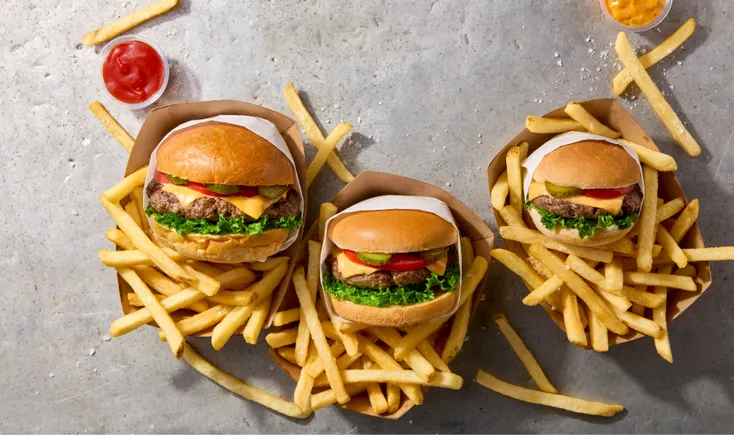
Fries and tots, in particular, remain the undisputed kings of the appetizer menu. They appear on 64% of menus across all restaurant segments. The opportunity for growth lies in the "mashup"—operators who pair these reliable staples with trending ingredients, such as loaded Tex-Mex fry builds or premium samplers with artisanal dipping sauces, are seeing the highest levels of customer engagement.
Implications for Operators: The Economic Case
For the restaurant operator, the pivot to small plates is a strategic move that pays dividends. Appetizers currently account for roughly one-fifth of total restaurant sales, and that figure is climbing. 57% of operators report that their appetizer sales have increased year-over-year, while only 7% have seen a decline.
This success is rooted in two key psychological drivers: value and social connection.
- Perceived Value: 38% of consumers identify appetizers as a "good value," compared to only 23% who find them too expensive. Smaller price points allow customers to feel they are in control of their spending, especially during periods of economic uncertainty.
- Social Lubrication: The number one reason consumers order an appetizer is "shareability." In an age where physical connection is highly valued, the small plate acts as a centerpiece for social interaction. Research shows that 73% of diners eat their appetizers with at least one other person, cementing the small plate as a tool for community building.
The Future of the "Mini-Meal"
As the restaurant industry looks toward the next decade, the message is clear: the era of the oversized entrée is waning. Whether referred to as "apps," "small plates," or "mini-meals," these portions offer the variety, flexibility, and value that the modern consumer demands.
Operators who fail to adapt to this shift risk losing out to more agile competitors. By redesigning menus to emphasize shareable, craveable, and right-sized options, restaurants can meet the consumer where they are—balancing the desire for indulgence with the practicalities of modern life. Resources like Simplot’s Trend Feast® offer a roadmap for this transition, providing inspiration for everything from Serrano Ham and Manchego sliders to complex, flavor-forward fry builds.
Ultimately, the shift toward smaller portions is not a reduction in quality or experience; it is an expansion of opportunity. By embracing the small plate, the industry is not just serving food—it is facilitating the social and culinary experiences that define the modern dining landscape.
Data sources for this report:
- Datassential, "From Plate to Profit: How Portion Customization Elevates Dining & Reduces Waste," June 2026.
- Datassential, Appetizer Keynote Report, 2025.
- National Institutes of Health, "Snacking Consumption among Adults in the United States: A Scoping Review," March 2023.

 Laily UPN
 Reynand Wu