

 Rifan Muazin
 Layla Zulfa
 Nana
Nana
 Asro
Asro
 Ammar Sabilarrohman
For the devoted oenophile, there is no substitute for the tactile experience of walking the steep, terraced slopes of a world-class vineyard. It is here, amidst the schist and granite of the Northern Rhône, that the true character of a wine is forged. Yet, even for those who have spent decades traversing these dramatic hillsides, some regions remain stubbornly inscrutable.
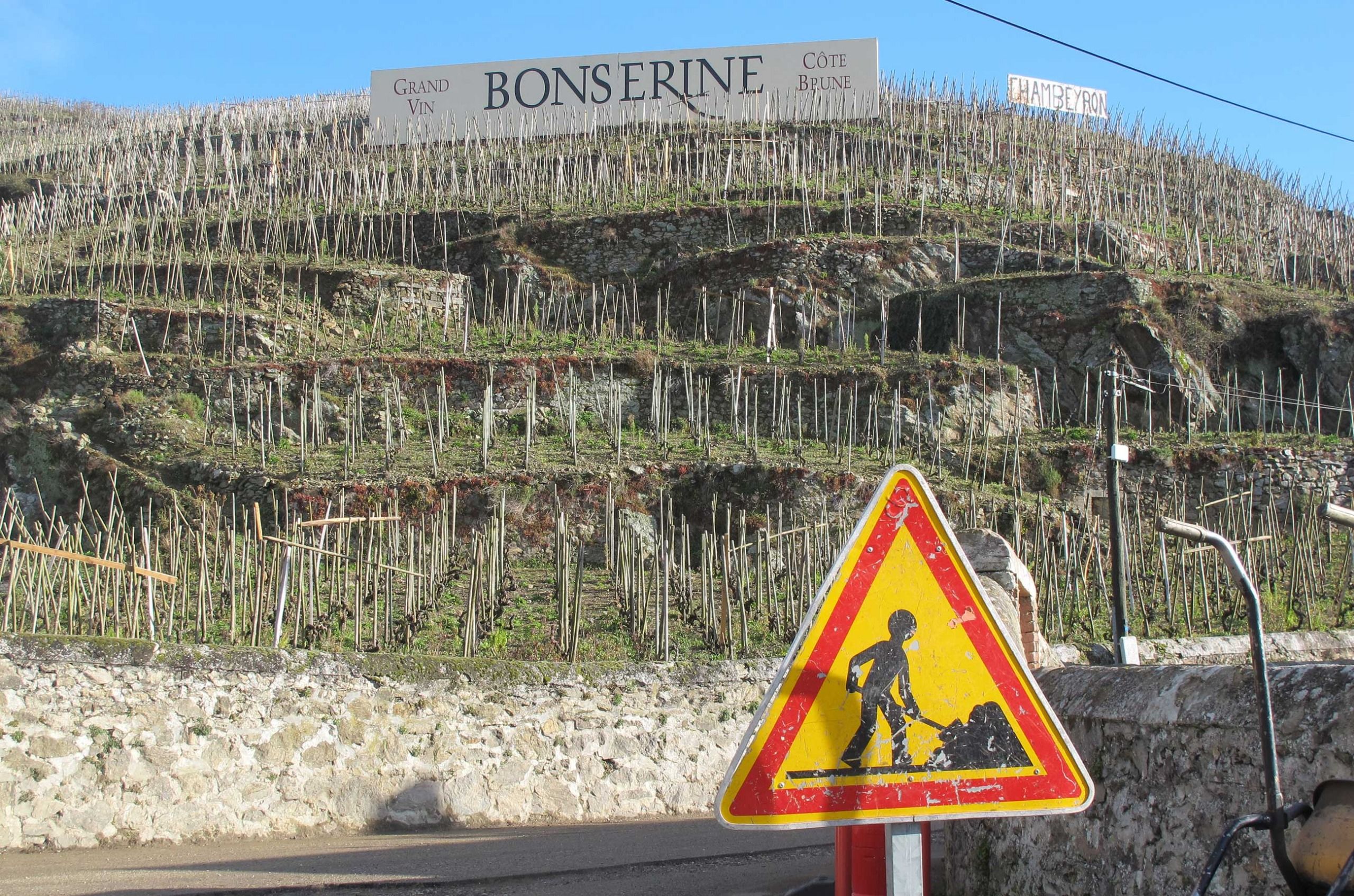
Côte-Rôtie—the "Roasted Slope"—is perhaps the preeminent example of this phenomenon. It is a place where history, geology, and human intervention intersect in complex, often unpredictable ways. Despite years of repeated visits and exhaustive tasting, the region continues to offer new revelations, proving that in the world of fine wine, true mastery is a moving target.
The Geography of Complexity: Understanding the "Roasted Slope"
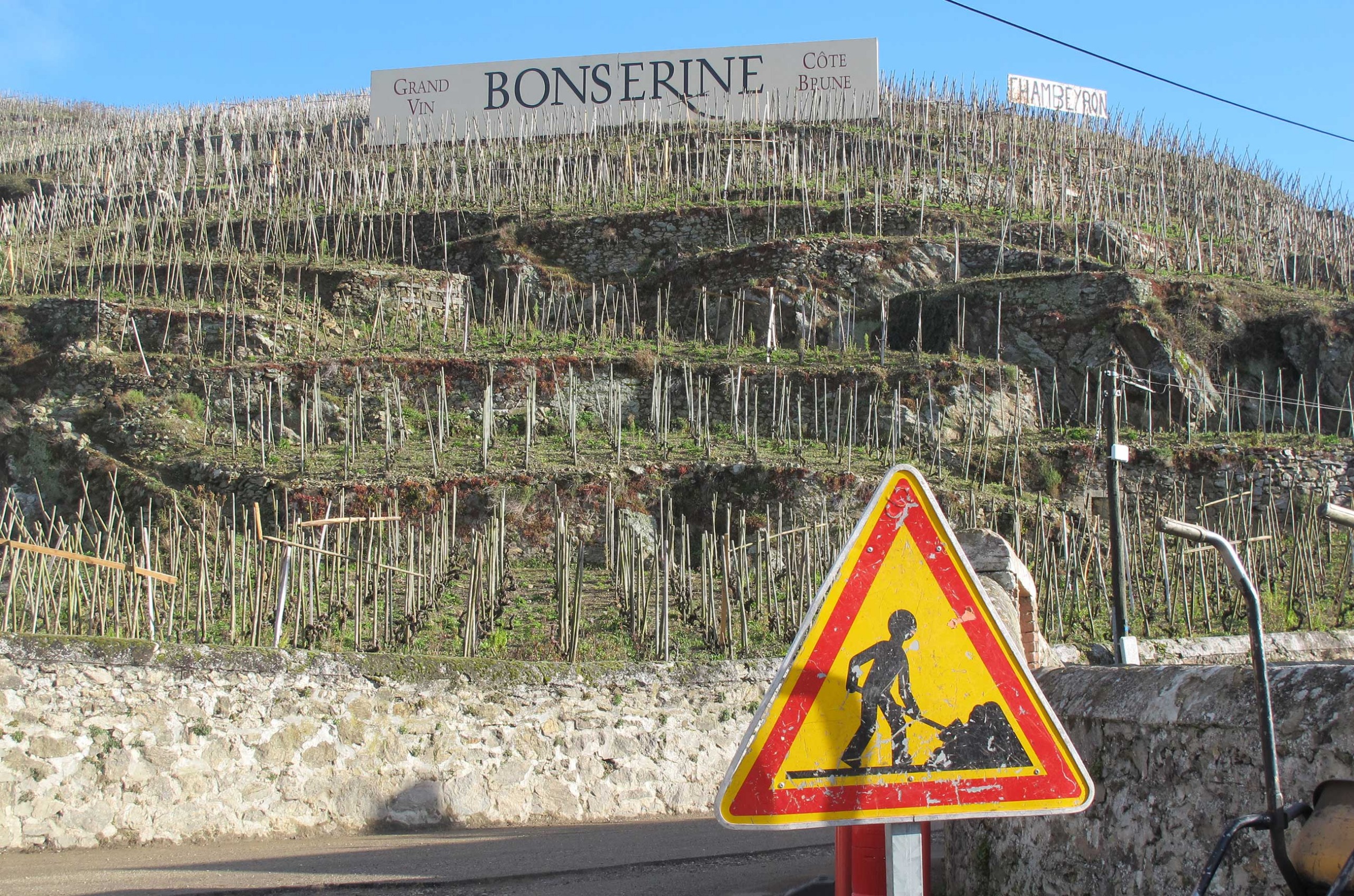
To understand the wines of Côte-Rôtie is to understand the physical struggle of viticulture in this corner of France. The appellation is defined by its dramatic topography, where vines are planted on precipitous slopes that demand back-breaking labor. These terraces, often dating back to Roman times, are the lifeblood of the region, allowing the Syrah grape to ripen under the intense southern sun while benefiting from the cooling influences of the Rhône River.
However, the "inscrutability" mentioned by experts often stems from the immense geological diversity of the area. The region is broadly divided into two major sectors: the Côte Blonde and the Côte Brune. The former, characterized by lighter, gneiss-rich soils, typically produces more elegant, perfumed wines, while the latter, dominated by iron-rich, dark schist, creates wines of immense power, structure, and longevity. Yet, this binary classification is a simplification; the reality of the soil composition is a mosaic of micro-terroirs that challenge even the most seasoned vigneron.
A Chronology of Change: From Tradition to Modernity
The history of Côte-Rôtie is one of resilience and reinvention. In the mid-20th century, the region was far from the global icon it is today.
- The Post-War Rebuilding: Following the devastation of the phylloxera epidemic and the economic hardships of the early 20th century, many producers in the 1950s and 60s were struggling to keep the terraces alive.
- The Rise of the Titans: The 1970s and 80s marked a turning point. Visionaries like E. Guigal began to champion the "single-parcel" concept, bringing international acclaim to specific sites like La Landonne and La Mouline. This period cemented the reputation of Côte-Rôtie as a rival to the greatest crus of Burgundy and Bordeaux.
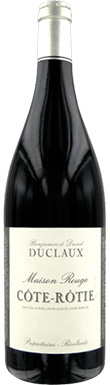
- The Modern Era (2000–Present): The turn of the millennium brought a focus on sustainability and precision. Vignerons began to move away from heavy-handed extraction and excessive new oak, favoring a style that highlights the purity of the Syrah fruit and the specific nuances of the soil. The current era is defined by a younger generation—like the Duclaux brothers—who are balancing historical legacy with modern, cleaner viticultural techniques.
Supporting Data: A Snapshot of Recent Vintages
The following selection of wines illustrates the breadth and diversity currently found in the region. These notes, drawn from recent tastings, highlight the evolution of styles from the powerhouse vintages of the late 2010s to the elegant, high-acid expressions of the early 2020s.
The Powerhouse Vintages
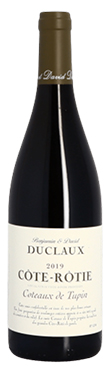
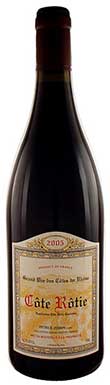
- Benjamin & David Duclaux, Coteaux de Tupin, 2019: A masterclass in balance. Despite the inherent heat of the 2019 vintage, the wine remains remarkably fresh, showcasing the rich, velvety tannins that the best Côte-Rôtie producers are now famous for.
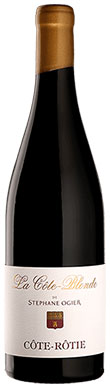
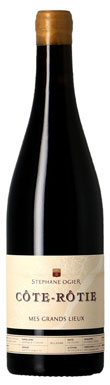
- Stéphane Ogier, Mes Grands Lieux, 2016: This wine represents a definitive step up in the estate’s evolution. With its ethereal precision and purity, it signals a move toward a more Burgundian, terroir-driven style that favors finesse over brute strength.
The Recent Vintages (2022–2023)
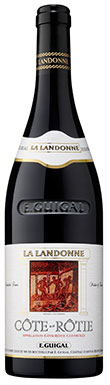
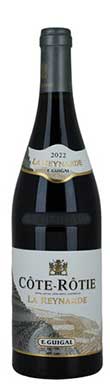
- E. Guigal, La Landonne, 2022: A testament to the enduring quality of the "Brune" soils. Even in a challenging, warm vintage, the wine retains its classic spicy blackcurrant profile and a grand, muscular tannic structure that promises decades of aging potential.
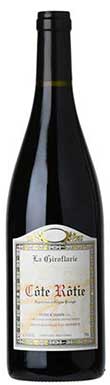
- Patrick Jasmin, La Giroflarie, 2023: A highlight of the most recent harvests. This wine displays a remarkable sense of depth and aromatic purity, proving that the region’s younger vines and newer plantings are capable of producing wines of immense sophistication.
The Wisdom of Age
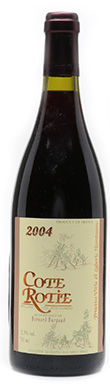
- Domaine Bernard Burgaud, 2004: At 22 years of age, this wine serves as a reminder of why Côte-Rôtie is so revered. The transition from primary fruit to tertiary notes of potpourri, smoke, and dried flowers is a testament to the longevity of the appellation.
Official Perspectives and Industry Trends
Industry experts and producers agree that the biggest challenge facing Côte-Rôtie today is climate change. As temperatures rise, the challenge is no longer achieving ripeness, but rather maintaining the essential freshness and acidity that define the region’s identity.
Matt Walls, a renowned wine writer and expert on the Rhône Valley, notes that the "work in progress" aspect of Côte-Rôtie is not a flaw, but a defining characteristic. "Every time I return, the conversation has shifted," he explains. "We are seeing a move toward more careful management of canopy cover and a more nuanced approach to harvest dates. The producers are not just farming grapes; they are managing the micro-climates of individual terraces."
The consensus among the growers is that the "classic" profile of the region—often associated with black olive, violet, and bacon fat—must be protected. This has led to a return to more traditional practices in the cellar, such as the use of whole-bunch fermentation to add structural complexity without the need for excessive new oak.
Implications for the Future: What Lies Ahead?
The future of Côte-Rôtie rests on the shoulders of producers who are willing to adapt without compromising the soul of the region. As the global wine market demands wines that are more "drinkable" upon release, there is a temptation to simplify the winemaking process. However, the most successful estates are resisting this trend, leaning into the complexity that requires time in the cellar.
- Sustainable Viticulture: With the steep slopes prone to erosion, the move toward organic and biodynamic farming is becoming an industry standard. This not only protects the environment but is widely believed to improve the depth of flavor in the finished wine.
- The Rise of Micro-Cuvees: As consumers seek unique, site-specific wines, more producers are bottling individual parcels rather than blending them into a generic "village" wine. This shift is giving a voice to previously overlooked terroirs.
- Investment Value: As established names like Guigal continue to set price ceilings, smaller, high-quality producers are becoming the "hidden gems" for collectors. Wines from estates like Patrick Jasmin or the Duclaux brothers offer significant value for those looking for the authentic Côte-Rôtie experience.
Conclusion: The Perpetual Lesson
To study Côte-Rôtie is to accept that you will never know it fully. It is a region defined by its rugged landscape and the stubborn, beautiful vines that cling to it. Whether it is a 20-year-old bottle from Bernard Burgaud or a fresh release from Patrick Jasmin, the wine always demands your full attention. It asks you to consider the slope, the soil, the vintage, and the human hand that guided it from the rocky earth to the glass.
For the collector, the student of wine, or the casual drinker, the "Roasted Slope" remains the ultimate frontier. It is a region that rewards patience, study, and, above all, the willingness to be surprised. As we look toward the next decade of vintages, one thing is certain: the evolution of Côte-Rôtie is far from over, and the best way to keep up is to keep returning to the source.

 Raul Delapena Setiawan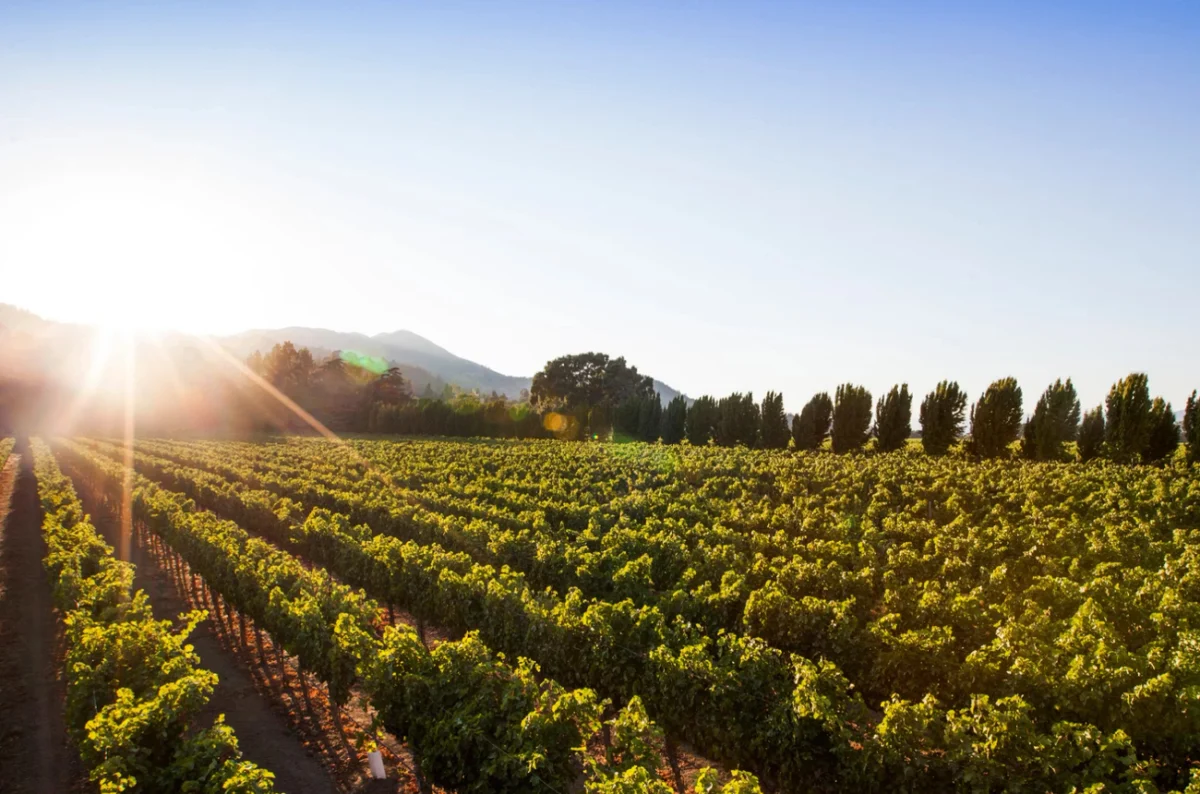
 Nana Wu