

 Ammar Sabilarrohman
 Dwi Wanna
 Nana Wu
 Neng Nana
 Nana
Nana Azzam Bilal Chamdy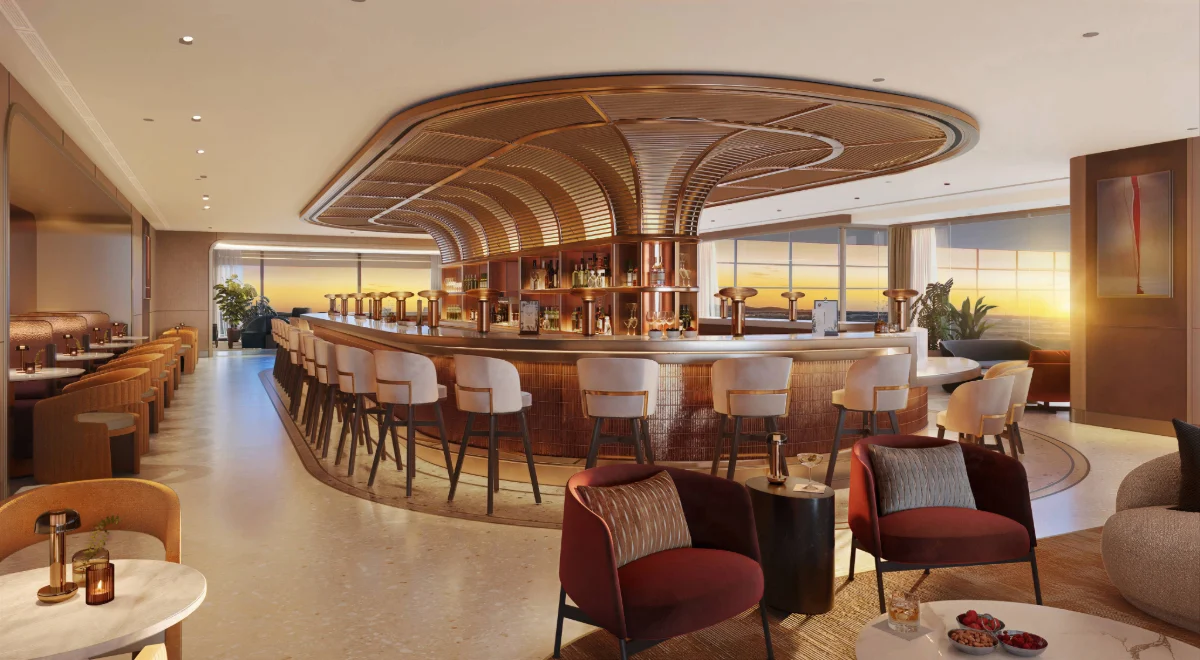
Southwest Airlines, the carrier long defined by its "no-frills," egalitarian approach to air travel, is undergoing a profound structural evolution. In a move signaling a definitive shift toward capturing the premium traveler segment, the Dallas-based airline has announced a sweeping redesign of its Rapid Rewards loyalty program. The overhaul, scheduled to take effect on January 1, 2027, replaces the long-standing two-tier status system with a more conventional, three-tiered structure. This transformation is not an isolated event; it coincides with the airline’s broader initiative to introduce high-end airport lounges, a major departure from its historic business model.
The Core Changes: A New Hierarchy for Rapid Rewards
For decades, Southwest’s loyalty program was noted for its simplicity: customers navigated between A-List and A-List Preferred status. As of the new year, that simplicity is being replaced by a tiered hierarchy that mirrors the structures utilized by legacy carriers such as American, Delta, and United.
The new program will feature three distinct levels: Silver, Gold, and Platinum.
Existing A-List members will automatically be transitioned into the Silver tier, while current A-List Preferred members will be upgraded to the Gold tier. The introduction of the Platinum tier serves as the new pinnacle of the program, designed to reward the airline’s most frequent flyers with benefits that have, until now, been largely absent from the Southwest experience.
Bridging the Gap: The Introduction of Milestone Rewards
Beyond the new status tiers, Southwest is introducing "Milestone Rewards." This feature is designed to incentivize engagement with the program even before a traveler achieves the next status level. By offering tangible perks at specific intervals during the qualification process, Southwest hopes to keep customers loyal throughout the calendar year, rather than seeing a drop-off in activity once a status tier is reached.
While the specific details of the Milestone Rewards are currently being finalized, internal briefings suggest these will include early access to amenities, bonus points multipliers, and potential expedited service options—a direct response to the demands of modern business travelers who value incremental recognition.
Chronology of a Transformation
The decision to restructure the loyalty program is the culmination of years of internal debate and shifting market pressures. To understand how Southwest arrived at this inflection point, one must look at the timeline of the airline’s strategic evolution.
- 2023–2024: The Strategic Realignment: Following post-pandemic turbulence, Southwest leadership signaled a pivot toward "modernizing" the customer experience. This included the introduction of assigned seating (a major break from tradition) and the announcement of cabin interior upgrades.
- Early 2026: The Lounge Concept Revealed: Southwest officially unveiled renderings of its first airport lounge, to be located at Nashville International Airport. Developed in partnership with Chase, these lounges were the first clear indication that the airline intended to compete for the "premium" market share.
- Late 2026: The Loyalty Overhaul Announcement: Recognizing that a premium lounge experience requires a commensurate loyalty framework, the airline confirmed the transition to the Silver, Gold, and Platinum structure.
- January 1, 2027 (Effective Date): The new status tiers and Milestone Rewards systems go live, marking the formal integration of the new loyalty architecture.
Supporting Data and Market Context
Southwest’s pivot is rooted in cold, hard data. Industry analysis suggests that the "premiumization" of travel is no longer a luxury but a requirement for profitability.
The Rise of the Premium Traveler
According to recent aviation market research, passengers are increasingly willing to pay a premium for comfort and reliability. While Southwest built its brand on low fares and "bags fly free," the airline’s cost structure has faced pressure from rising labor costs and fuel volatility. By capturing more of the "road warrior" demographic—business travelers who value lounges and elite status—Southwest can improve its yields per available seat mile (YASM).
The Chase Partnership
The partnership with Chase is the engine driving this evolution. By deepening the integration between the Rapid Rewards credit card portfolio and the airline’s loyalty program, Southwest is creating a closed-loop ecosystem. Data shows that co-branded credit card holders are significantly more loyal than non-cardholders; by adding "Platinum" status and lounge access as carrots, Southwest aims to capture a larger share of the "wallet share" from affluent consumers.
Official Responses and Corporate Strategy
In official statements, Southwest leadership has framed these changes as an evolution of their core mission rather than a abandonment of their roots.
"We are committed to delivering the same warmth and hospitality that defines Southwest, but we are also listening to our customers who have asked for more ways to be recognized," a company spokesperson stated. "The new tiered structure allows us to reward our most frequent travelers with a level of exclusivity that aligns with their travel habits, while keeping the program accessible for our broader customer base."
Industry analysts, however, interpret the move as a necessary defensive maneuver. "Southwest is realizing that they cannot remain in a silo," says aviation consultant Marcus Thorne. "To survive in a competitive landscape where premium cabins and lounge access are the standard, they have to play the game. The transition to Silver, Gold, and Platinum is a clear signal to the market that they are targeting the high-frequency traveler who previously may have looked to Delta or United for their travel needs."
Implications: What This Means for the Passenger
The implications of this shift are far-reaching, affecting both the casual traveler and the frequent flyer.
1. The Death of Simplicity?
For the loyalist who loved Southwest for its "no-nonsense" simplicity, these changes may feel like a step toward the complexity of legacy carriers. However, for the high-frequency traveler, these changes are likely to be viewed as a long-overdue upgrade. The ability to attain a "Platinum" status indicates that Southwest is finally ready to offer a distinct, high-end experience that justifies the loyalty of top-tier business travelers.
2. Competitive Pressure on Peers
The introduction of Southwest lounges and a high-end status tier puts pressure on other carriers. As Southwest expands its footprint in key airports like Nashville, it will compete directly for the patronage of high-spending travelers who were previously "locked in" to the loyalty programs of larger, network airlines.
3. The Future of the "Low-Cost" Brand
Perhaps the most significant question is whether Southwest can maintain its identity while adding these premium layers. Can an airline be both the "friendly, low-cost carrier" and a "premium experience provider"?
The airline’s management believes the answer is yes. By retaining the "bags fly free" policy and its signature boarding culture (even with the move to assigned seating), the company hopes to maintain its unique cultural DNA while shedding the perception that it is solely an economy-class option.
Looking Ahead: A New Era
As January 1, 2027, approaches, the aviation industry will be watching Southwest closely. The success of this transition depends on the execution of the new lounge network and the perceived value of the Platinum tier. If the airline can successfully integrate these features without alienating its base, it could fundamentally reshape its financial trajectory.
For now, the message from Southwest is clear: the airline is growing up. By moving away from its minimalist past and embracing a more traditional, tiered approach to loyalty, Southwest is preparing to fight for the future of aviation on every front—from the gate to the lounge, and everywhere in between.
The transition to Silver, Gold, and Platinum status is more than just a marketing update; it is a declaration of intent. Southwest Airlines is no longer content to be a niche player in the budget sector. They are aiming for the middle-to-high ground, and they are using their new loyalty program as the primary vehicle to get there. Whether this gamble pays off remains to be seen, but one thing is certain: the Southwest of 2027 will look, feel, and operate in a vastly different way than the airline that revolutionized the industry nearly half a century ago.

 Raul Delapena Setiawan
 Asro
Asro
