Nana Wu
 Neng Nana
 Nana
Nana
 Reynand Wu
 Dwi Wanna
As the frost begins to retreat and the promise of spring planting season looms, farmers across the country face a critical agricultural crossroads: the termination of winter cover crops. While cover cropping is widely celebrated for its ability to suppress weeds, prevent erosion, and boost nitrogen levels, the transition from "cover" to "cash crop" is a delicate operation. If managed incorrectly, the hard-won gains in soil biomass and microbial health can be undermined in a matter of days.
Successful termination is not a one-size-fits-all endeavor. It requires a nuanced understanding of local climate, specific crop biology, and the overarching goals of your farm’s management system. Whether you are a small-scale vegetable grower or a large-acreage grain producer, the objective remains the same: kill the cover crop efficiently while maintaining the biological architecture of the soil.
The Strategic Importance of Termination Timing
The decision of when to terminate a cover crop is perhaps the most significant variable in the equation. While seed packets and extension office manuals provide general timelines, the "art" of termination lies in balancing the benefits of biomass accumulation against the potential for soil moisture depletion and pest harbor.
The Moisture and Pest Equation
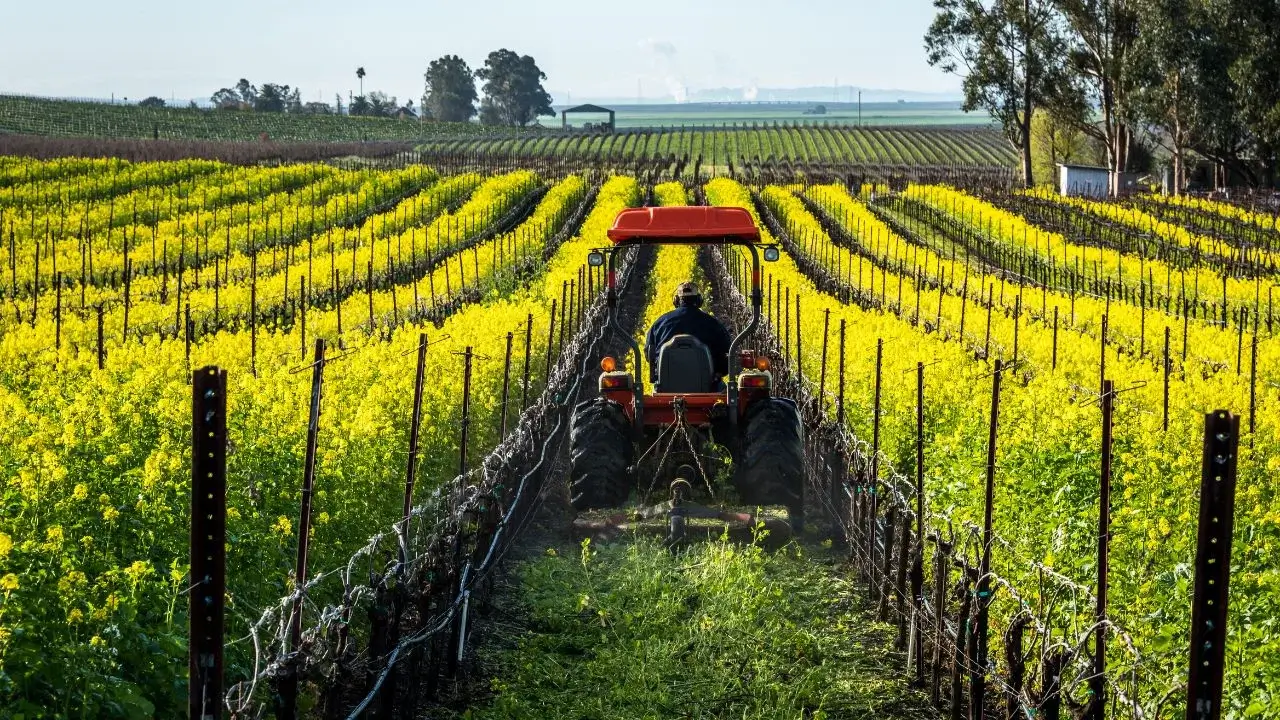
If your farm is situated in a region prone to spring drought, soil moisture is your most precious commodity. In such environments, it is often advisable to terminate cover crops up to two weeks before your planned cash crop planting date. This pause allows the soil to retain moisture that would otherwise be transpired by the actively growing cover crop.
Conversely, if moisture is abundant, many regenerative farmers opt to "plant into the green," allowing the cover crop to continue growing until after the cash crop has emerged. This provides a living root system for as long as possible, which maximizes the benefits of mycorrhizal fungal networks. However, for those concerned about pest pressure—such as slugs or voles—the guidance shifts: terminate at least three to four weeks before planting to disrupt the habitat that sustains these populations.
The Golden Rule: Prevent Seed Formation
Regardless of the method chosen, one rule is absolute: terminate before the cover crop reaches the seed-set stage. Once a plant shifts its energy from vegetative growth to reproductive seed production, it becomes significantly harder to manage. Furthermore, allowing a cover crop to go to seed effectively turns your soil-builder into a weed that will plague your primary crop for seasons to come.
A Taxonomy of Termination Methods
Choosing the right tool for the job is essential for both efficiency and soil health. Here is a breakdown of the primary strategies used in modern agriculture.
1. Mowing: The "Chop-and-Drop" Approach
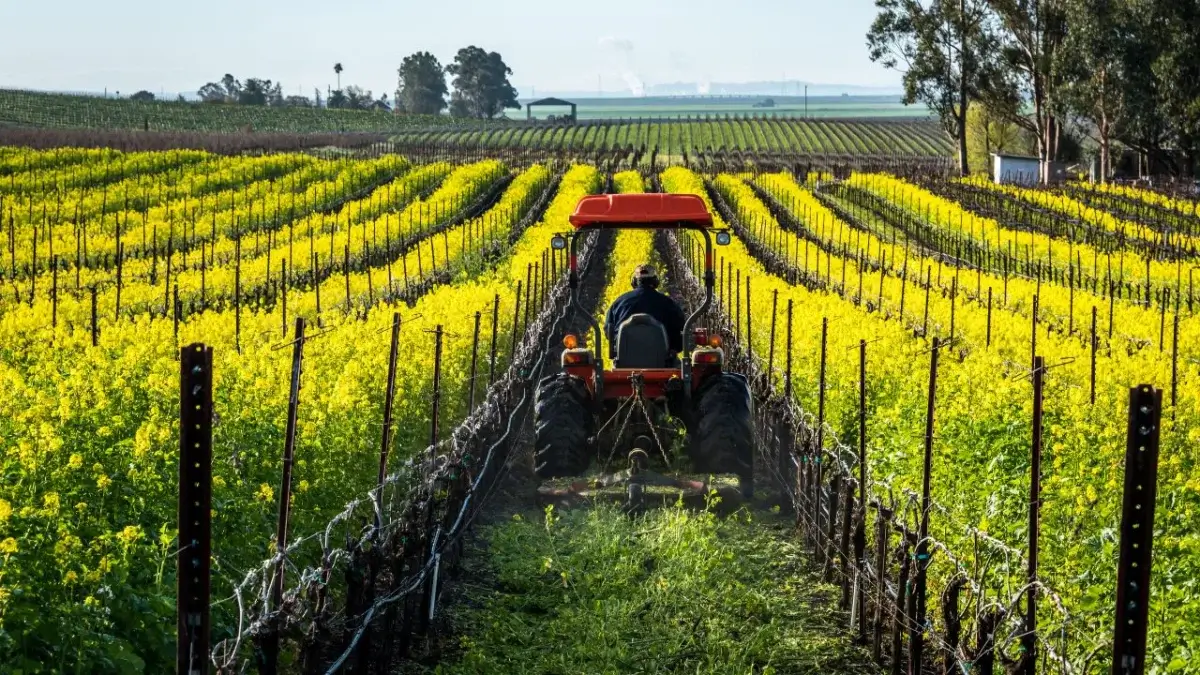
Mowing is a highly effective, rapid method for eliminating cover crops, particularly for species like cereal rye, barley, and vetch. When timed correctly—typically during the flowering stage but before seed formation—mowing allows the biomass to fall back onto the soil surface, acting as a nutrient-rich mulch.
Pro-Tip: Utilize a mower equipped with multiple blades to ensure a finer chop. Smaller plant particles decompose significantly faster, releasing nutrients into the soil more efficiently. When mowing, aim to cut as close to the ground as possible to effectively terminate the plant while keeping the root system intact. Note that planting into mowed residue is often best handled by hand or specialized equipment, as standard drill seeders may struggle with the multidirectional nature of the cut foliage.
2. Natural Winterkill: Letting Nature Do the Work
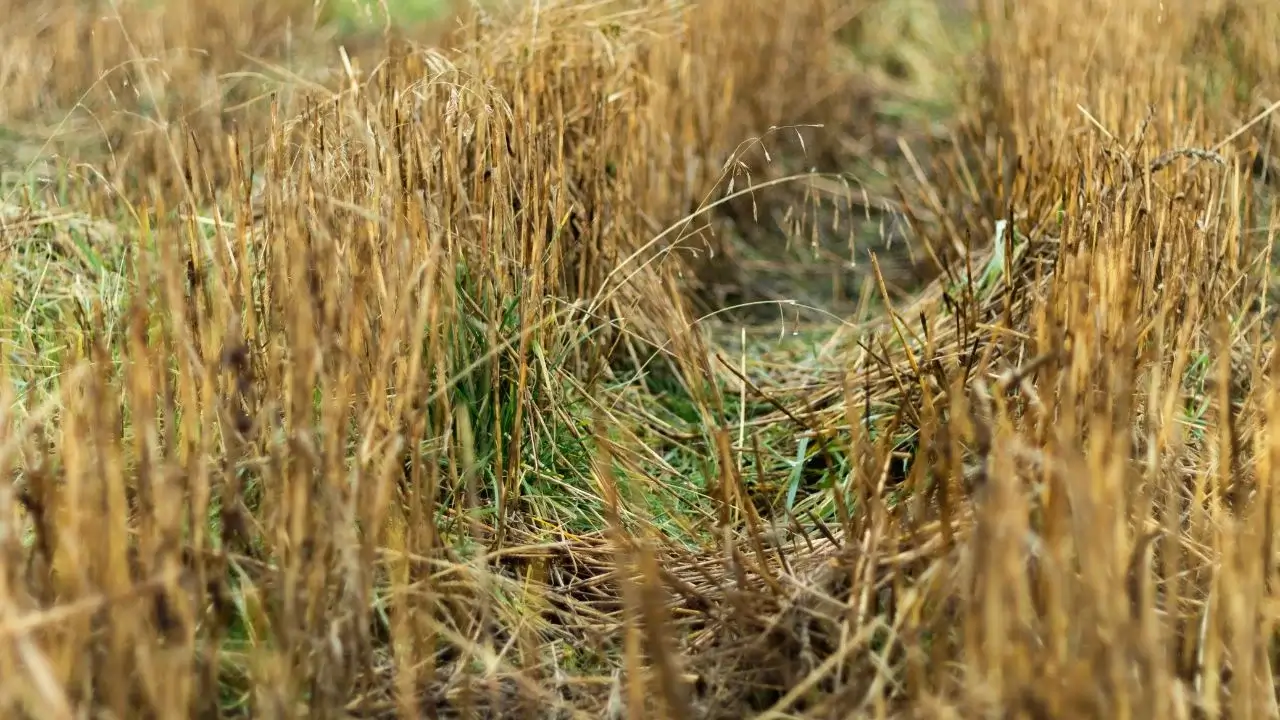
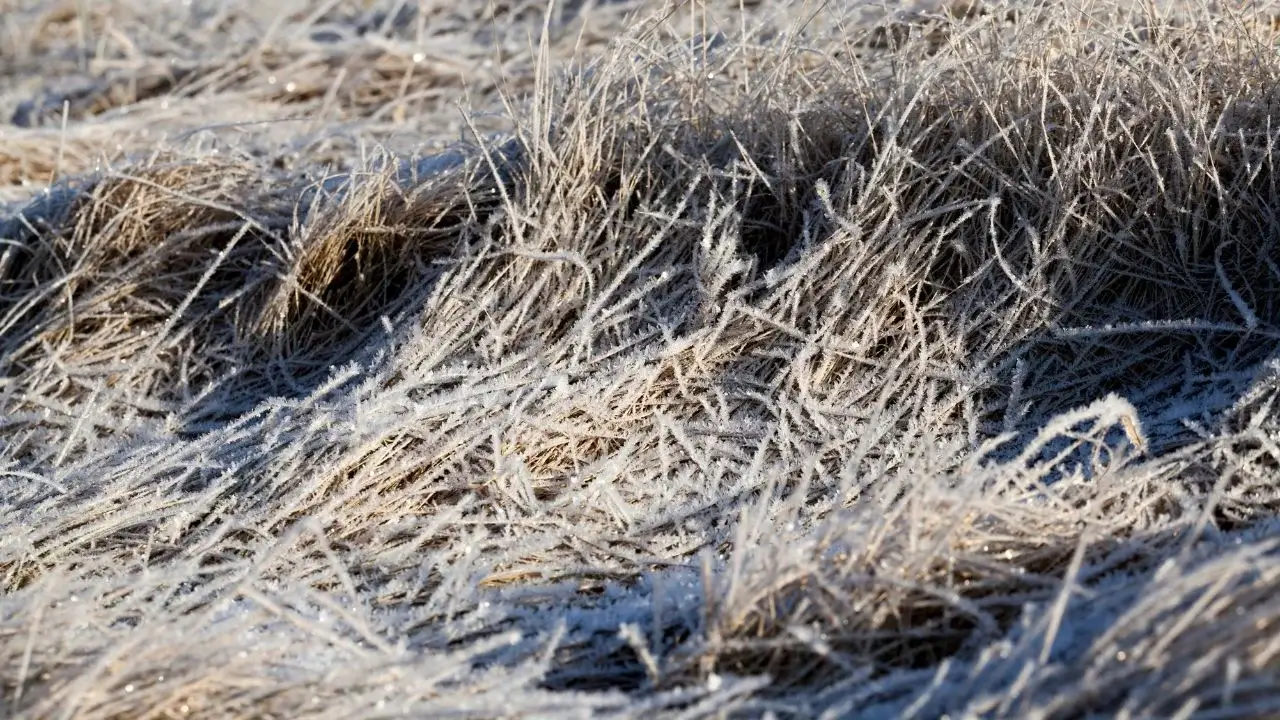
In regions characterized by harsh, consistent winter freezes, the most efficient method is often to choose a cover crop that will die naturally. Species like field peas, buckwheat, sorghum, and oilseed radish are excellent candidates for this strategy.
The success of this method depends on planting timing. Seeding must occur early enough in the summer to allow the plants to reach their flowering phase before the first hard freeze hits. While this method is highly convenient, it does come with a caveat: by leaving the soil without a living root system during the early spring thaw, you may be missing out on the opportunity to prevent early-season erosion. If you opt for winterkill, consider interplanting or quick-germinating spring crops to keep the biological "engine" running.
3. Tilling: A Necessary Evil or Strategic Tool?
While the regenerative agriculture movement often emphasizes "no-till" practices, conventional or strategic tillage still holds a place in the farm toolkit. For persistent cover crops that refuse to die back—or for farmers working in warmer climates where winterkill is non-existent—mechanical incorporation can be the only path forward.
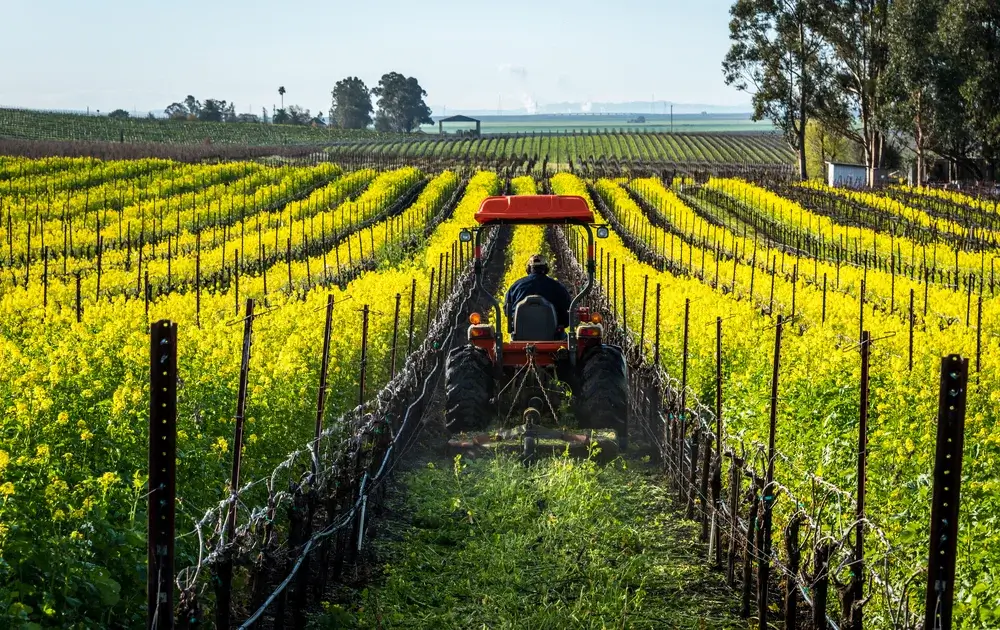
Tilling effectively severs the root systems, which is the primary mechanism for ending the life cycle of robust perennials. However, the cost is the physical disruption of the soil structure and the potential loss of organic matter through oxidation. If you must till, the best practice is to treat it as a surgical intervention: till, amend immediately, and plant your next crop promptly to minimize the duration of exposed, vulnerable soil.
4. Roller Crimping: The Regenerative Gold Standard
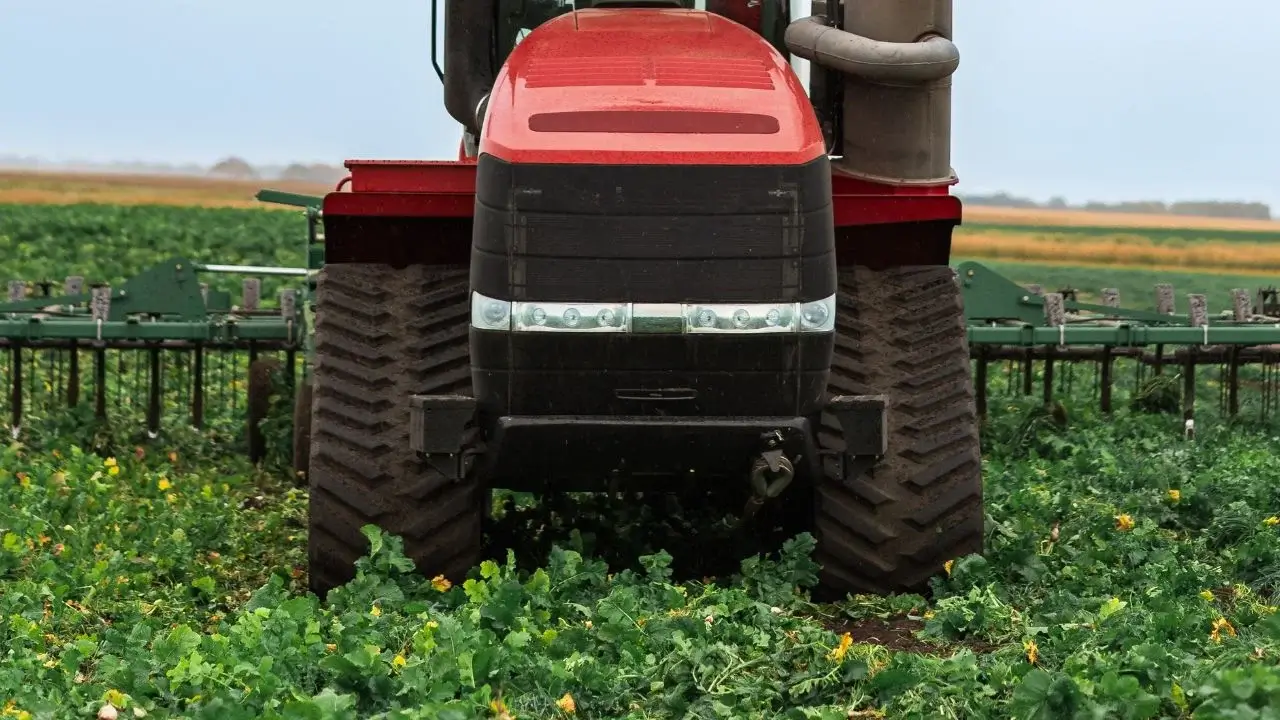
The roller crimper has become an icon of the modern sustainable farm. This machine features specialized metal blades that flatten the cover crop against the soil while simultaneously "crimping" or breaking the stems. This process stops the plant’s vascular system, killing it instantly without breaking the skin of the soil.
The Benefit: By creating a dense, uniform mat of organic mulch, roller crimping suppresses weeds throughout the growing season, reduces soil temperature, and retains moisture. This method is most effective when the crop is in the reproductive stage (early flowering). It is a high-reward strategy, but it does require investment in machinery and a commitment to managing annual species, as perennials may sprout back from their roots.
5. Managed Grazing: Biological Termination
For ranchers and integrated crop-livestock operations, animals offer a unique "biological" approach to termination. By concentrating livestock on a cover crop patch, you can achieve termination through intense grazing and hoof action.
- Forage Quality: Crops like cereal rye, oats, and barley are excellent forages. For optimal results, aim for a planting density of 150% to 200% of standard cover crop rates to ensure there is enough biomass for both the herd and the soil.
- Safety Considerations: Be mindful of the "nitrate trap." In cool, cloudy spring weather, some cover crops can accumulate high levels of nitrates, which are toxic to cattle. Always observe the herd and ensure the soil is dry when animals are introduced; trampling wet soil into a muddy slurry will negate the soil health benefits you’ve worked to create.
Implications for Soil Health: A Long-Term View
The overarching goal of any termination method should be the sequestration of carbon and the enhancement of soil biomass. Every time a farmer makes a decision regarding termination, they are making a deposit or a withdrawal from the "soil bank."
The Role of Living Roots
Science continues to validate that living roots are the lifeblood of soil health. They facilitate the exchange of sugars for nutrients with soil microbes. When we terminate a crop, we are essentially shutting off that nutrient pump. Consequently, the best management practices prioritize "green" transitions, where the death of the cover crop is synchronized with the germination of the next crop. This "relay" approach ensures that the soil never sits idle, preventing the compaction and erosion that follow bare-earth scenarios.
The Economic Payoff
While the machinery required for roller crimping or the labor required for managed grazing might seem daunting, the long-term economic implications are profound. Improved soil structure leads to better water infiltration, which buffers crops against both flood and drought. Higher organic matter content reduces the need for synthetic fertilizers, as the soil becomes more efficient at cycling existing nutrients.
Conclusion: Crafting Your Own Strategy
There is no "correct" way to terminate cover crops, only the way that fits the unique ecological and economic constraints of your specific acreage. As you plan your spring transitions, ask yourself:
- What is my primary limiting factor—moisture, time, or equipment?
- Does my current method support the long-term goal of building organic matter?
By viewing termination not as the "end" of the cover crop season, but as the "beginning" of the next phase of soil building, you can ensure that your farm remains a productive, resilient, and sustainable landscape for years to come. Whether you are behind the wheel of a tractor or managing a herd in the pasture, the goal is simple: leave the soil better than you found it, one termination at a time.

 Lina Hope