Ammar Sabilarrohman
 Dwi Wanna
 Nana Wu
 Neng Nana
 Nana
Nana Basiran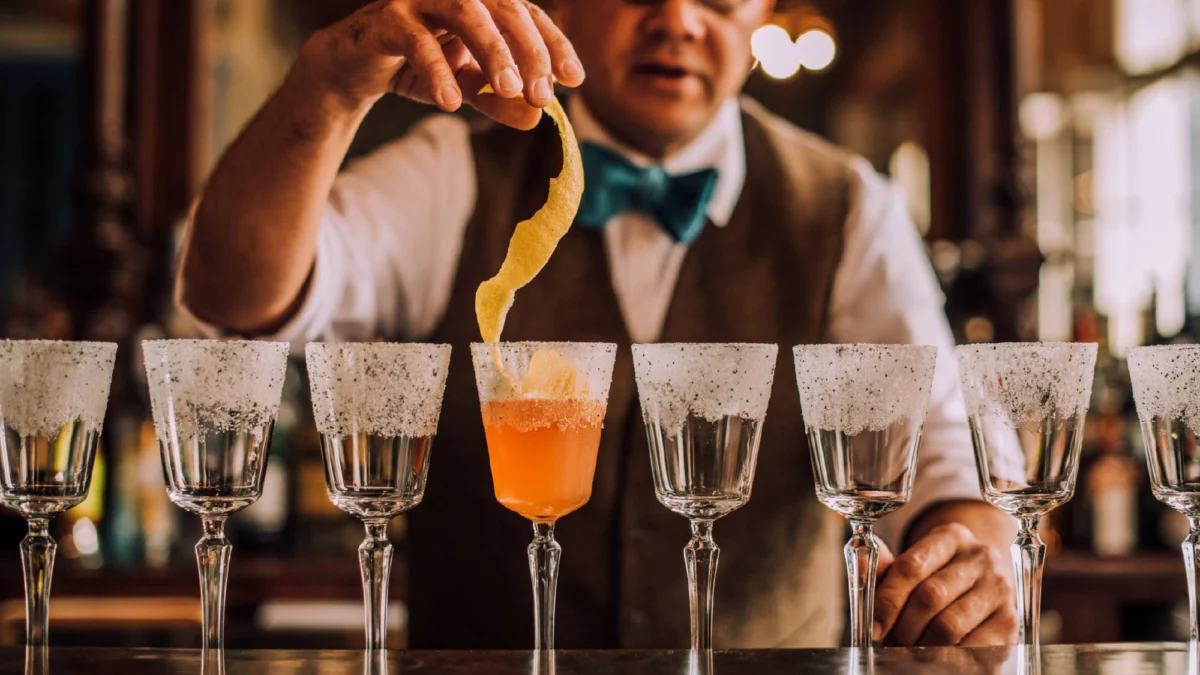
In the storied, humid streets of the French Quarter, where history is as thick as the air, few establishments have commanded as much reverence in recent years as Jewel of the South. Widely considered a bastion of modern mixology, the bar has become a pilgrimage site for cocktail enthusiasts. Yet, its existence is a testament to the unpredictable nature of the hospitality industry. Jewel of the South was never intended to be a commercial venture; it was born from a convergence of a serendipitous Halloween party, a shared intellectual obsession with the history of spirits, and a restrictive regulatory environment that effectively shuttered a nascent Airbnb business.
On a recent episode of The Buildout, host Adam Teeter sat down with co-founder John Stubbs to peel back the layers of this unlikely success story. The conversation illuminates a narrative that spans far beyond the shaking of tins—it is a study in pivots, community, and the profound alchemy of New Orleans’ bar culture.
The Genesis: A Convergence of Chance and Circumstance
To understand Jewel of the South, one must understand the environment in which it was conceived. John Stubbs, a man whose professional background was firmly rooted in the high-stakes, structured world of politics, found himself navigating a transition that many find daunting. However, in New Orleans, the line between personal passion and professional pursuit is often porous.
The catalyst for the bar’s inception was not a business plan or a market analysis, but a Halloween party. It was within this social setting that Stubbs connected with Chris Hannah, a titan of the New Orleans bar scene whose name is synonymous with the city’s cocktail renaissance. Both men shared a profound reverence for the craft of the cocktail, particularly the lost or forgotten recipes that define the pre-Prohibition era.
At the time, Stubbs was grappling with the realities of property management in a city tightening its grip on short-term rentals. When an Airbnb ban threatened the viability of his property, he faced a crossroads. Rather than retreating, the space—steeped in the architectural soul of the French Quarter—demanded a new purpose. It became clear that the space was not meant to be a transient residence, but a destination for those seeking the city’s distinct, storied hospitality.
Chronology of a Masterpiece
The transformation of a residential space into one of the country’s most acclaimed cocktail bars was a methodical, albeit unconventional, process.
- The Conceptual Phase: Following the realization that short-term rental models were untenable, Stubbs and Hannah began to conceptualize a space that honored the architectural history of their building. They wanted to avoid the tropes of "Bourbon Street kitsch," opting instead for an elevated, historic aesthetic.
- The Partnership: The synergy between Stubbs’ operational background and Hannah’s creative genius proved to be the bedrock of the project. They focused on the "Jewel of the South" moniker, a nod to the 19th-century New Orleans cocktail culture that they sought to resurrect.
- The Opening: Upon opening its doors, the bar was immediately met with critical acclaim. It did not rely on neon signs or aggressive marketing; it relied on the quality of its liquid offerings and the intimacy of its service.
- Industry Recognition: Over the past few years, the bar has garnered nominations and awards from the James Beard Foundation and Tales of the Cocktail, cementing its status as a pillar of American mixology.
Supporting Data: Why New Orleans?
To understand why a bar like Jewel of the South thrives, one must look at the data surrounding the New Orleans hospitality market. According to recent tourism and economic reports, New Orleans remains one of the most resilient "food and drink" cities in the United States.
The city’s unique ecosystem is fueled by:
- High Foot Traffic: The French Quarter and surrounding neighborhoods maintain a density of nightlife that is unrivaled in the South.
- Cultural Heritage: The history of the Sazerac and the Ramos Gin Fizz provides a built-in narrative for high-end cocktail bars, making it easier for them to attract a discerning demographic.
- The "Third Place" Phenomenon: In New Orleans, the bar is not just a place to drink; it is a community hub. As Stubbs notes, the social infrastructure of the city is designed to facilitate long-form conversation, which aligns perfectly with the high-service, low-speed model of modern mixology.
The economic success of the establishment serves as a case study in "experience-led" retail. In an era where e-commerce is eroding traditional storefronts, the bar succeeds because it provides an experience that cannot be replicated digitally: the tactile sensation of a chilled glass, the aromatic complexity of a properly prepared garnish, and the interpersonal connection with a skilled bartender.
Official Responses and Reflections
During his appearance on The Buildout, John Stubbs provided insight into his unconventional journey. He noted that the transition from politics to hospitality was not as jarring as it might seem to an outsider. "In politics, you are managing people, optics, and public perception," Stubbs explained. "In hospitality, you are managing the same elements, but the stakes are measured in joy rather than votes."
Chris Hannah’s involvement has been described by peers as a "masterclass in mentorship." By integrating classic techniques with modern efficiency, the team at Jewel of the South has effectively bridged the gap between the "craft" movement of the early 2000s and the "efficiency" movement of the current decade.
Implications: The Future of the "Small Bar"
The success of Jewel of the South suggests a broader shift in the national landscape of cocktail bars. We are currently witnessing a move away from massive, high-volume venues toward smaller, more curated spaces.
The Rise of the Boutique Bar
The implications for the industry are clear: consumers are increasingly prioritizing quality over capacity. Small-footprint bars that focus on a specific narrative—in this case, the historical significance of New Orleans—are better positioned to survive economic downturns because they foster deep brand loyalty.
Regulatory Challenges and Innovation
The story of the Airbnb ban and the subsequent pivot to a permanent hospitality space highlights a growing trend of "adaptive reuse" in city planning. As cities across the U.S. implement stricter zoning laws, property owners are finding that the most profitable use of their space often involves direct-to-consumer service industries that add value to the local community rather than detracting from residential character.
A Note on Quality: The Role of Premium Ingredients
A fundamental aspect of the success at Jewel of the South is the relentless pursuit of high-quality ingredients. As the team behind The Buildout emphasizes, the difference between a good cocktail and an exceptional one often comes down to the base spirit.
Brands like Farmer’s Gin are frequently cited as the backbone of such establishments. The versatility of a gin that maintains a London Dry backbone while incorporating floral, citrus-forward notes allows bartenders the creative flexibility required for a diverse cocktail menu. From the sharpness required for a classic Martini to the complexity needed for an Alaska, the base spirit acts as the canvas upon which the bartender paints. For the home enthusiast and the professional alike, the lesson remains the same: curate your tools, respect your ingredients, and honor the history of the glass.
Conclusion: Lessons for the Aspiring Proprietor
Jewel of the South is a reminder that the best businesses are often those that solve a local problem while leaning into a deep-seated passion. John Stubbs and Chris Hannah did not set out to "disrupt" the industry; they set out to create a space where they themselves would want to drink.
For those looking to enter the hospitality space, the takeaways from this journey are manifold:
- Location Matters: Understand the unique history of your neighborhood.
- Relationships are Capital: Your partnerships—whether with mentors, business partners, or staff—will define your ceiling.
- Adaptability is Non-negotiable: When the regulatory environment shifts, view it as a prompt to evolve your business model rather than a reason to close your doors.
As the industry continues to evolve, the story of Jewel of the South will undoubtedly be cited as a benchmark for how to blend history, hospitality, and hard work into a liquid, living legacy. Whether you are a fan of the Negroni, a devotee of the Martini, or simply someone who appreciates a well-told story, the doors of the French Quarter remain open, waiting for you to pull up a stool and experience the jewel for yourself.
For more insights into the construction of iconic hospitality spaces, listen to the full episode of The Buildout on Apple Podcasts or Spotify, and follow the journey of Jewel of the South on Instagram.