
 Raul Delapena Setiawan

 Ammar Sabilarrohman
 Lina Irawan
 Suro Senen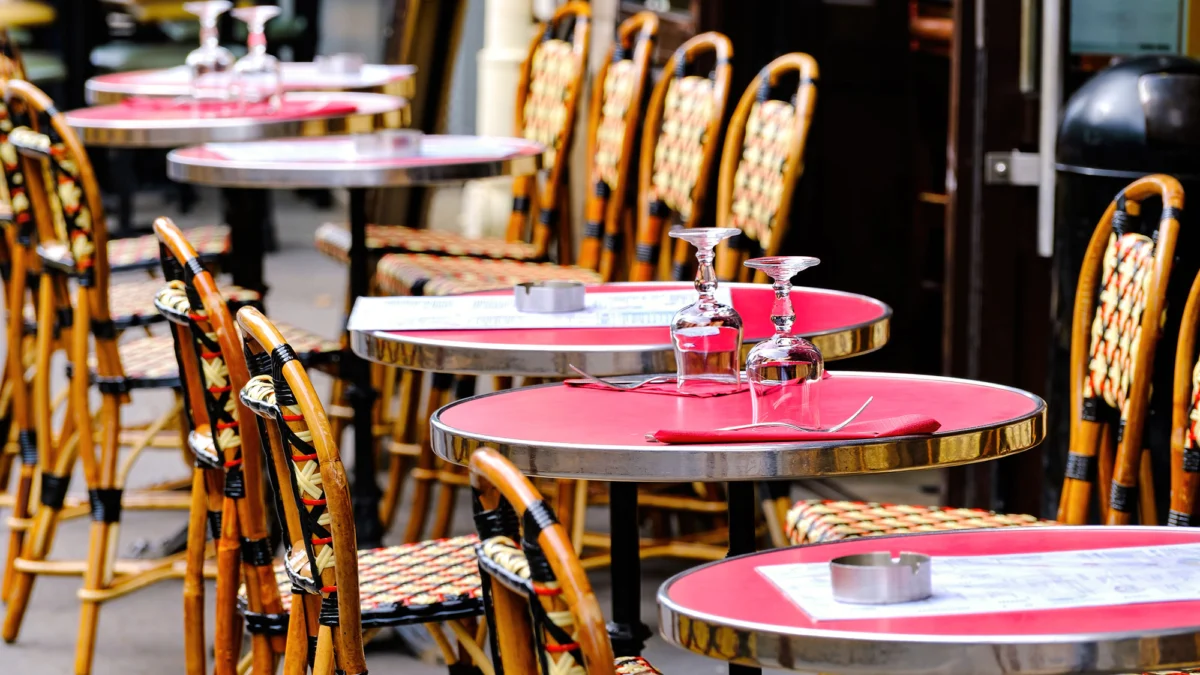
As a relentless heatwave grips the European continent, Paris has transformed into a city of emergency precautions. With temperatures soaring to record-breaking levels, French authorities have implemented a stringent series of public health measures, most notably a sweeping ban on public alcohol consumption. As the city prepares for major cultural and sporting events, officials are prioritizing the stability of a healthcare system already buckling under the pressure of weather-related trauma.
The Current Situation: A City in the Crosshairs of Climate
Paris, a city defined by its vibrant outdoor social culture, has been forced to retreat indoors. The current heatwave, which has seen thermometers consistently pushing into dangerous territory, has prompted Paris Police Chief Patrice Faure to take decisive action. Effective immediately, the city has prohibited the consumption of alcohol in public spaces during the most intense hours of the weekend.
The ban, which began at noon Central European Time (CET) today, is scheduled to run through 7 a.m. tomorrow morning, with an identical restriction set for the Saturday-to-Sunday window. To further curb alcohol-fueled public gatherings, a supplemental ban on the sale and purchase of takeaway alcohol will be strictly enforced from 6 p.m. through 7 a.m. each night. Notably, this mandate does not extend to the controlled environments of bars and restaurants, where commerce remains permitted. However, the optics of the situation are clear: the French government is desperate to prevent the "devastating effects" of alcohol-accelerated dehydration and heat exhaustion.
Chronology of the Crisis
The escalation of the heatwave has been rapid, forcing the government to shift from public advisories to legally enforceable mandates within days.
Early Warning Signs: The Fête de la Musique
The current restrictions are not the first of their kind this season. Last weekend, the city’s beloved Fête de la Musique—an annual celebration of music that draws millions to the streets—became the first casualty of the heatwave. Recognizing the risk of thousands of revelers congregating in intense heat, the government mandated a public drinking ban for the event. Despite the directive, post-festival cleanups revealed thousands of discarded beer cans and wine bottles, signaling a widespread disregard for the safety protocol. This failure served as a precursor to the more aggressive measures enforced this weekend.
The Mid-Week Surge
By Wednesday and Thursday, the situation escalated from a potential risk to a public health crisis. Healthcare facilities across the Paris region reported a fourfold increase in cardiac arrests compared to typical summer averages. Health Minister Stéphanie Rist described the influx as a "critical strain" on emergency services. The correlation between the spike in medical emergencies and the heat intensity led directly to the current weekend restrictions.
The Weekend Crunch
As Paris prepares to host a high-stakes match between France and Norway in the World Cup, the city is bracing for potential chaos. Officials have expressed concerns that the intersection of sporting fervor and extreme heat could push local hospitals past their breaking point. Consequently, the government has preemptively moved to stifle the typical "fan zone" culture that usually dominates the streets during international tournaments.
Supporting Data: The Biological and Statistical Toll
The decision to ban alcohol is not merely a bureaucratic preference; it is rooted in physiological data. Alcohol acts as a diuretic, accelerating dehydration—a process already amplified by the body’s attempt to cool itself through perspiration in extreme heat.
"Consuming alcohol under intense sunlight creates a physiological shortcut to heat exhaustion," explained one local medical official. When the body is already struggling to maintain a core temperature of 37°C, the added metabolic stress of processing alcohol, combined with the loss of electrolytes, leads to rapid physical deterioration.
The statistics released by Minister Rist are stark. The fourfold increase in cardiac arrests is being attributed to a combination of heat-induced strain and the cardiovascular stress of alcohol consumption. Furthermore, hospital data suggests that many patients arriving at emergency departments are presenting with symptoms of advanced heatstroke, characterized by confusion, rapid heart rate, and organ failure, which are often masked or exacerbated by alcohol intake.
Official Responses and Administrative Strategy
Paris Police Chief Patrice Faure has been the face of the government’s response, maintaining a tone of firm pragmatism. Faure has made it clear that while police will not be detaining individuals simply for carrying a drink, they will be issuing on-the-spot fines to those failing to adhere to the public consumption ban.
"Our goal is not to punish the citizenry, but to preserve the capacity of our hospitals," Faure stated in a press conference. When asked about the duration of these measures, he remained tight-lipped, noting that with temperatures expected to peak on Monday, any further extensions would be decided on a day-to-day basis.
The government has also taken the unprecedented step of urging the postponement of major cultural events. Paris Pride, a massive LGBTQ+ celebration scheduled for late June, has been officially pushed to September. Organizers of the march were urged by the prefecture to consider the "grave risks" posed by marching in temperatures that exceed the physical capacity of most participants. This move highlights the government’s willingness to sacrifice cultural capital to ensure public health safety.
Broader Implications: The New Normal?
The events of this week have ignited a national conversation about the future of life in an overheating Europe. For a city like Paris, where "café culture" is synonymous with public life, the restriction of public space is a significant psychological blow.
The Economic Impact
While bars and restaurants remain open, the ban on takeaway alcohol will undoubtedly impact the local retail sector. Small businesses that rely on the sale of beverages to people on the move are seeing a sharp decline in revenue. However, the French government appears to be prioritizing the mitigation of emergency service costs, which are currently ballooning due to the heat.
Urban Planning and Climate Adaptation
The heatwave has exposed the vulnerability of Paris’s dense urban layout. Known for its "heat islands"—areas where asphalt and concrete trap heat—the city is struggling to provide cooling centers for its most vulnerable citizens, including the elderly and the homeless. The decision to ban public alcohol is effectively a stop-gap measure to prevent further burdening a healthcare infrastructure that is not yet designed to handle the frequency of these extreme climate events.
Social Compliance and Civic Duty
The evidence of litter found after the Fête de la Musique suggests a disconnect between the government’s mandates and the public’s desire to participate in summer festivities. As the heatwave continues, the challenge for the authorities will be maintaining compliance without resorting to heavy-handed police tactics that could further alienate a public already weary of climate-related restrictions.
Conclusion: A Precarious Future
As the weekend progresses, the city of Paris remains in a state of high alert. The combination of a major sporting event and a record-breaking heatwave presents a dangerous confluence of variables. While the temporary ban on alcohol is a necessary tool to prevent a surge in hospital admissions, it serves as a sobering reminder of the changing climate’s impact on urban life.
The decision to postpone celebrations like Paris Pride and the imposition of public drinking restrictions are likely to become more frequent as climate models predict more intense and longer-lasting heatwaves in the coming years. For now, the people of Paris must navigate a summer where the traditional freedoms of the city are being rewritten by the realities of a warming planet. The eyes of the world remain on the French capital to see if these measures will be enough to stave off a full-scale medical catastrophe as the mercury continues to climb.


 Nana Wu
 Asep Darmawan