 Dwi Wanna
 Nana Wu
 Muslim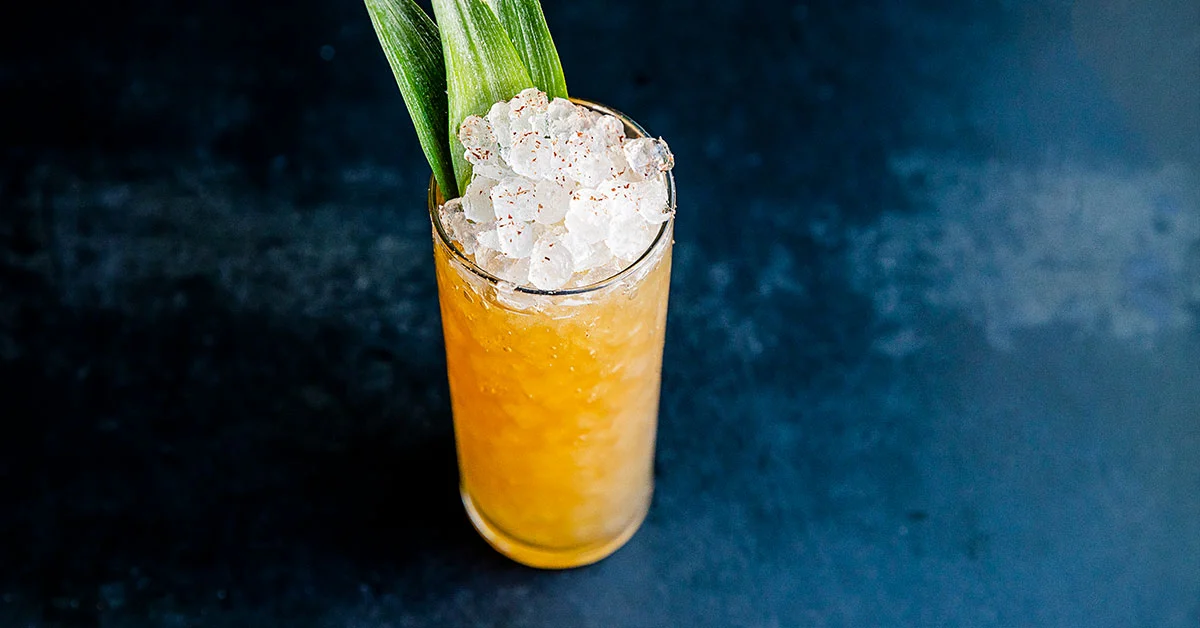
 Reynand Wu
 Ammar Sabilarrohman
 Ali Ikhwan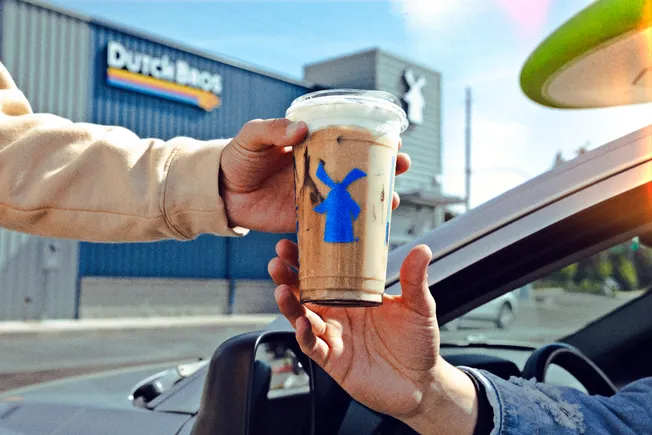
Executive Summary: A New Powerhouse in the Beverage Sector
Dutch Bros Inc. is rapidly evolving from a regional coffee darling into a formidable national powerhouse. During the company’s Q1 2026 earnings call, President and CEO Christine Barone outlined a strategy that has successfully captured significant market share in both the crowded coffee and high-growth energy drink segments. By leveraging a sophisticated blend of digital convenience, a strategic rollout of food offerings, and a hyper-localized expansion model, Dutch Bros is cementing its position as a daily staple for a growing demographic of American consumers.
The company’s recent performance indicators—highlighted by a 16.3% year-over-year unit growth—demonstrate that its aggressive expansion strategy is not coming at the expense of operational efficiency. Instead, the brand is successfully creating a "virtuous cycle" where physical expansion, brand awareness, and digital loyalty reinforce one another to drive top-line growth.
Chronology: The Evolution of Dutch Bros
The current success of Dutch Bros is not an overnight phenomenon but the result of a multi-year tactical pivot.
- 2024–2025: Laying the Digital Foundation: Recognizing the shift in consumer behavior toward frictionless ordering, the company prioritized the rollout of mobile ordering. This initiative transformed the customer experience, moving the brand beyond the traditional drive-thru "wait and chat" model toward a modernized, time-efficient service paradigm.
- Late 2025: The Culinary Pivot: The brand initiated a broad rollout of food items across its footprint. While historically a beverage-first chain, the addition of food allowed Dutch Bros to compete directly in the high-stakes morning daypart, successfully increasing the "average ticket" per customer.
- Q1 2026: Scaling the Strategy: As of the first quarter of 2026, the company achieved a major milestone, with its food menu now deployed in approximately 485 locations. This, combined with the opening of 41 new stores in the quarter alone, has provided the company with the momentum required to challenge industry incumbents like Starbucks.
Supporting Data: The Metrics of Growth
The financial and operational data provided by Dutch Bros and independent analysts paint a picture of a company firing on all cylinders.
The Power of "Infill" and Brand Awareness
According to William Blair analyst Sharon Zackfia, Dutch Bros’ "unaided brand awareness" has more than doubled over the last 18 months. This surge is attributed to a combination of heavy investment in paid advertising, strategic social media engagement, and community-focused marketing.
Crucially, the company has mastered the "infill" strategy—a method of saturating a specific geographic region with multiple locations. This strategy creates a network effect: as stores become more ubiquitous in a single market, operational costs drop, and brand recognition skyrockets. The results are stark: in Texas, a key growth market for the company, comparable sales grew by an impressive 20%, proving that geographic density directly translates to consumer adoption.
Loyalty Engagement: A Competitive Edge
Dutch Bros has cultivated one of the most loyal customer bases in the quick-service restaurant (QSR) sector. Data shows that rewards members account for 74% of all transactions. For context, this exceeds the engagement levels of major competitors like Starbucks, where rewards members account for approximately 60% of company-operated revenue.
This high level of participation gives Dutch Bros a treasure trove of data. The company is now moving into the "second phase" of its loyalty program. Having moved beyond simple "broad offers," the company is now utilizing sophisticated frequency-level campaigns and personalized segmentation to keep customers returning with higher regularity.
Official Perspectives: The CEO’s Vision
During the earnings call, CEO Christine Barone emphasized that the company’s success in the morning daypart is a direct consequence of intentional innovation. "As we look at that routinized coffee behavior, especially in that morning daypart, the rollout of food and the rollout of mobile ordering are really important to that, and we’re seeing really great growth in that daypart," Barone stated.
Barone also addressed the company’s aggressive approach to Limited-Time Offers (LTOs). By increasing the velocity of its LTO launches by 30%, Dutch Bros has successfully insulated itself from the broader QSR trend of price sensitivity. By offering "indulgent" and unique products—such as the Brown Butter Chocolate Chip coffee or the Fruit Punch with a Sour Candy Straw—the brand creates a "destination" experience that keeps the menu feeling fresh and exciting.
"Innovation like this is a testament to our ability to spot and activate trends early, bringing unique yet accessible innovation to market in a way only Dutch Bros can," Barone added.
Implications: What This Means for the Industry
The success of Dutch Bros carries significant implications for the broader QSR and beverage landscape.
1. The Death of the "Pure Play" Coffee Shop
The era of the coffee shop that only sells coffee is effectively over. Dutch Bros’ success in food attachment rates—which have exceeded internal projections—proves that modern consumers demand a "one-stop shop" experience during their morning commute. Competitors who fail to integrate high-quality food offerings into their beverage-led model risk losing market share to players like Dutch Bros.
2. The LTO as a Retention Strategy
As inflation continues to impact consumer discretionary spending, many QSRs are struggling with price sensitivity. Dutch Bros has effectively countered this by pivoting toward a higher frequency of LTOs. Instead of engaging in a "race to the bottom" on pricing, they are competing on "experience and novelty." By constantly refreshing the menu, they maintain customer interest and justify the trip, even in an economic environment where consumers are increasingly selective about where they spend their money.
3. Digital Maturity as a Baseline
The fact that Dutch Bros has integrated mobile ordering into its growth story is a sign that the brand has reached a level of digital maturity that was once the exclusive domain of giants like Starbucks. By mastering this, Dutch Bros has effectively removed the "time barrier" that often plagues drive-thru-only models, making the brand a viable option for the time-strapped morning consumer.
4. The Future of Personalization
The company’s admission that it is in the "early innings" of personalized segmentation suggests that there is significant runway left for revenue growth. As the brand moves from simple frequency-based marketing to more granular, data-driven personalization, the return on investment for its loyalty program is expected to climb even higher.
Conclusion: A Clear Path Forward
Dutch Bros Inc. stands at a pivotal juncture. By successfully balancing aggressive physical expansion with a deep, data-driven understanding of consumer behavior, the company has created a model that is both scalable and highly resilient. As the brand continues to refine its food offerings, double down on its loyalty program, and saturate key markets with an "infill" strategy, it is well-positioned to continue its trajectory as a dominant force in the American coffee and energy drink landscape.
While the competition will undoubtedly react, Dutch Bros’ current "velocity of innovation" and strong brand momentum suggest that the company is not merely participating in the market—it is actively shaping it. For investors and industry observers alike, the Dutch Bros story is a masterclass in how a well-executed strategy, centered on convenience and consumer loyalty, can disrupt even the most established of industries.

 Jia Lissa
 Iffa Jayyana