 Raul Delapena Setiawan
 Ammar Sabilarrohman
 Lina Irawan
 Suro Senen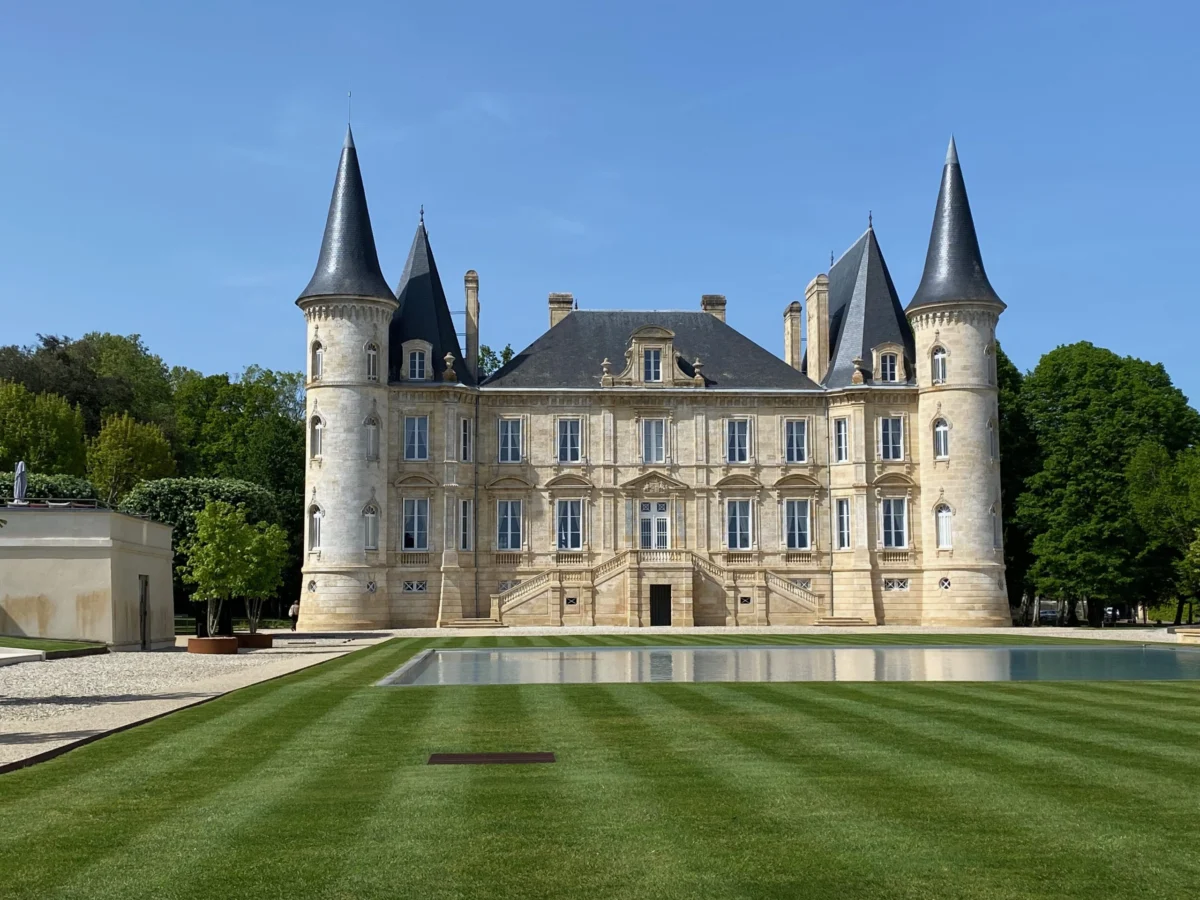
As the en primeur season in Bordeaux reaches its critical mid-point, the focus has shifted to the hallowed grounds of Pauillac. For those of us who have spent the last few weeks traversing the gravelly plateaus and limestone outcrops of the Médoc, the 2025 vintage has presented a fascinating, and ultimately rewarding, narrative. If 2024 was a year that saw Pauillac struggle to find its footing—appearing, to my palate, as the least flattered among the great appellations—2025 represents a definitive, triumphant reversal of fortune.
Across the board, from the First Growths to the smaller estates, the wines of Pauillac have not merely flourished; they have reached heights that suggest this will be remembered as a hallmark year for the region. While neighboring Margaux and Saint-Julien have produced wines of exceptional finesse and structural integrity, it is in the northern reaches of the Médoc—specifically Pauillac and Saint-Estèphe—that we are witnessing a cluster of "best-ever" performances.
Main Facts: A Vintage Defined by Resilience
The 2025 growing season in Pauillac was characterized by a favorable climatic alignment that proved more forgiving than in other parts of the Gironde. While the broader Bordeaux region grappled with the erratic meteorological patterns that have become the "new normal," the terroir of Pauillac acted as a buffer.

The resulting wines are marked by a striking brilliance. They possess the quintessential Pauillac DNA—deep, muscular, and brooding—yet they are underpinned by a freshness and a tannic resolution that elevates them beyond the typical power-play of the appellation. The dominance of Cabernet Sauvignon in the final blends, a trend that has been intensifying over the last decade, has reached a point of near-perfection. In 2025, the grape expresses its classic graphite, cedar, and dark fruit profile with an unprecedented level of aromatic clarity.
Chronology of the Season: From Bud Break to Harvest
To understand the success of 2025, one must look at the calendar. The early season was marked by cautious optimism, with a relatively mild spring ensuring consistent, if slightly delayed, bud break. Unlike the frost-stricken years of the past, 2025 allowed the vines to develop with a sense of stability.
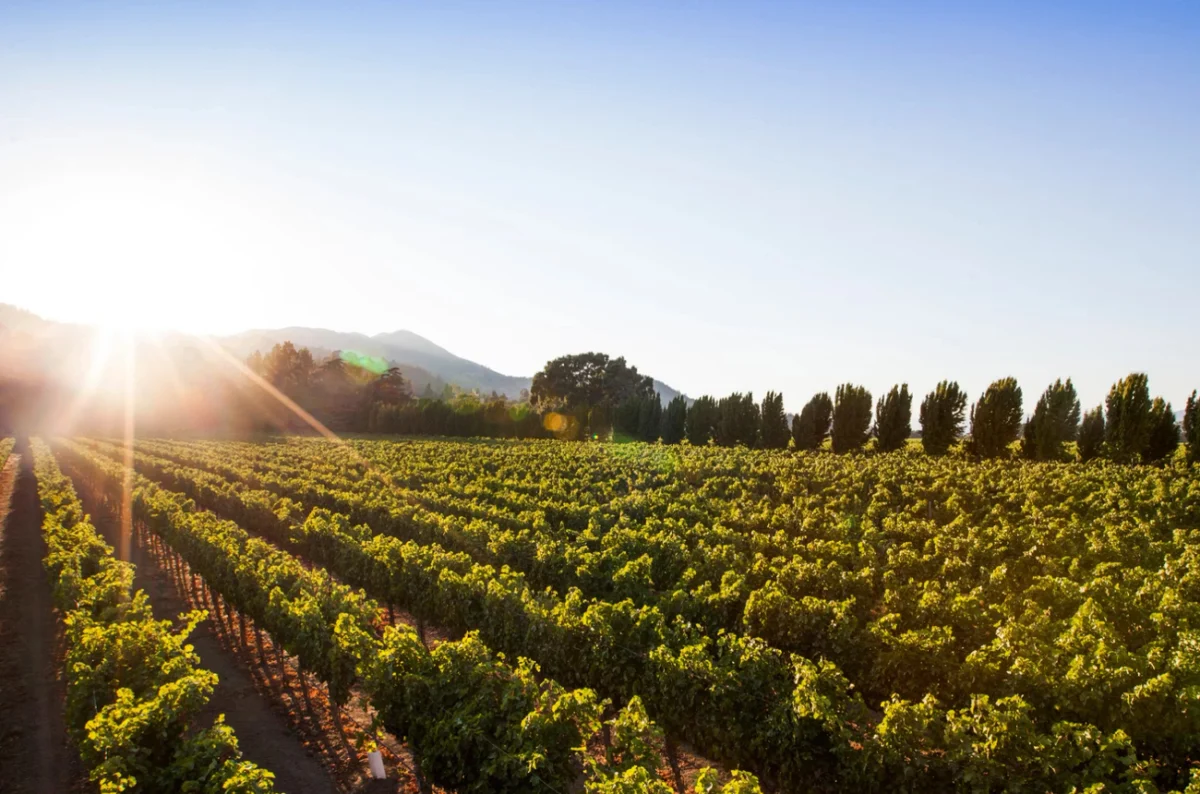
As summer set in, the heat spikes that often threaten to dehydrate the berries were punctuated by timely rainfall. This was the defining factor for the Pauillac gravels. The soil’s ability to retain deep-seated moisture while ensuring efficient drainage meant that the vines were never truly under the kind of hydric stress that leads to "jammy" or over-extracted flavors.

By the time the harvest approached in September and October, the phenolic maturity was near-uniform. Vignerons were able to pick at their leisure, waiting for the perfect moment when the sugar levels were balanced by natural acidity and the tannins were sufficiently "silky." This window of opportunity, though narrow, was expertly navigated by the technical teams at the leading estates.
Supporting Data: Yields and Blend Compositions
The statistical reality of the 2025 vintage provides a compelling counter-narrative to the idea that "less is more." While yields remain down compared to the decennial average—a trend consistent with the broader challenges of climate change and evolving viticultural practices—Pauillac performed better than most.
According to data compiled by the CIVB Service Economie et Etudes, the average appellation yield in Pauillac hit approximately 30.2 hl/ha. While this represents a nearly 25% reduction compared to the 10-year average, it remains robust when viewed against the significantly lower yields seen in Pomerol (-29.2%) or Saint-Julien (-27.3%).

Table 1: Comparative Yields (hl/ha)
| Appellation | 2024 | 2025 | 10-Year Avg | % Change vs Avg |
|---|---|---|---|---|
| Pauillac | 29.5 | 30.2 | 40.2 | -24.9% |
| Margaux | 33.1 | 28.8 | 39.2 | -26.5% |
| Saint-Julien | 32.5 | 26.4 | 36.3 | -27.3% |
| Saint-Estèphe | 33.6 | 36.8 | 44.4 | -17.1% |
Perhaps most telling is the commitment to Cabernet Sauvignon. In the top-tier châteaux, the percentages in the final blend remain staggeringly high. Lafite Rothschild and Latour, for instance, are holding at 94% and 93.6% respectively, signaling that the estates are fully confident in the quality of their late-ripening fruit. This high concentration of Cabernet is the bedrock of the 2025 vintage’s longevity and structural tension.
Official Perspectives: The "Vintage to Embrace"
The sentiment among the châteaux owners and technical directors is one of quiet exhilaration. There is a palpable sense that the hard work of the last several years—investing in precision viticulture, optical sorting, and non-invasive vinification—has finally converged with a "gifted" year.
David Thomas of Bordeaux Index recently noted that the 2025 is "a vintage to embrace." This is not merely marketing hyperbole; it reflects a genuine consensus that the 2025 wines offer a rare combination of immediate appeal and extreme long-term potential. At estates like Château Pichon Baron, the consensus is that the 2025 vintage allowed for the expression of the terroir to take precedence over the winemaker’s hand.

During my visits, I noted that several estates, including Armailhac, Clerc Milon, and Grand-Puy Ducasse, are producing wines that arguably outperform their previous benchmarks. There is a newfound precision in the mid-palate that was missing in more difficult years.
Implications for the Market and Collectors
What does this mean for the future of the 2025 campaign? Firstly, the "First Growths" have set a bar so high that it defies traditional grading. Lafite-Rothschild, in particular, is, for me, the undeniable star of the Left Bank. It is a wine of such profound complexity and poise that it effectively breaks my established rating system—a perfect 100 points.
Mouton Rothschild follows closely, offering a flamboyant, aromatic intensity that is equally candidate-worthy for numerical perfection. Latour, meanwhile, remains the brooding, intellectual choice, offering a beguiling depth that will require patience but will undoubtedly reward those who cellar it for decades.

For the collector, the implication is clear: the "Super-Seconds" and the high-performing fifth growths of Pauillac offer some of the best value-to-quality ratios in the world of fine wine. Properties like Haut-Bages Libéral and Lynch-Bages have produced wines that marry the "charm and elegance" of a more accessible vintage with the "long-term aging potential" that collectors crave.
Final Reflections: The Path Ahead
As we look toward the final releases, the 2025 vintage appears to be a turning point. It is a year where the appellation’s inherent strengths—its gravel soils and the dominance of Cabernet Sauvignon—were leveraged with surgical precision.
While the en primeur process is often viewed through the lens of price and allocation, 2025 reminds us that the primary focus must remain on the liquid itself. These wines are a testament to the resilience of the Médoc. They represent a harmonious marriage between the unpredictability of the natural world and the disciplined, technical mastery of the modern Bordeaux cellar.

For those who have been waiting for a year that truly defines the identity of Pauillac—a year that captures the power of the past and the finesse of the future—2025 is the vintage that finally delivers. It is a triumphant return to form, a masterclass in viticultural excellence, and a vintage that will undoubtedly occupy a place of honor in the cellars of serious collectors for years to come.
For detailed tasting notes, please refer to the comprehensive 2025 Bordeaux tasting guide, searchable by individual château and appellation.

 Nana Wu
 Asep Darmawan