
 Dwi Wanna
 Nana Wu
 Muslim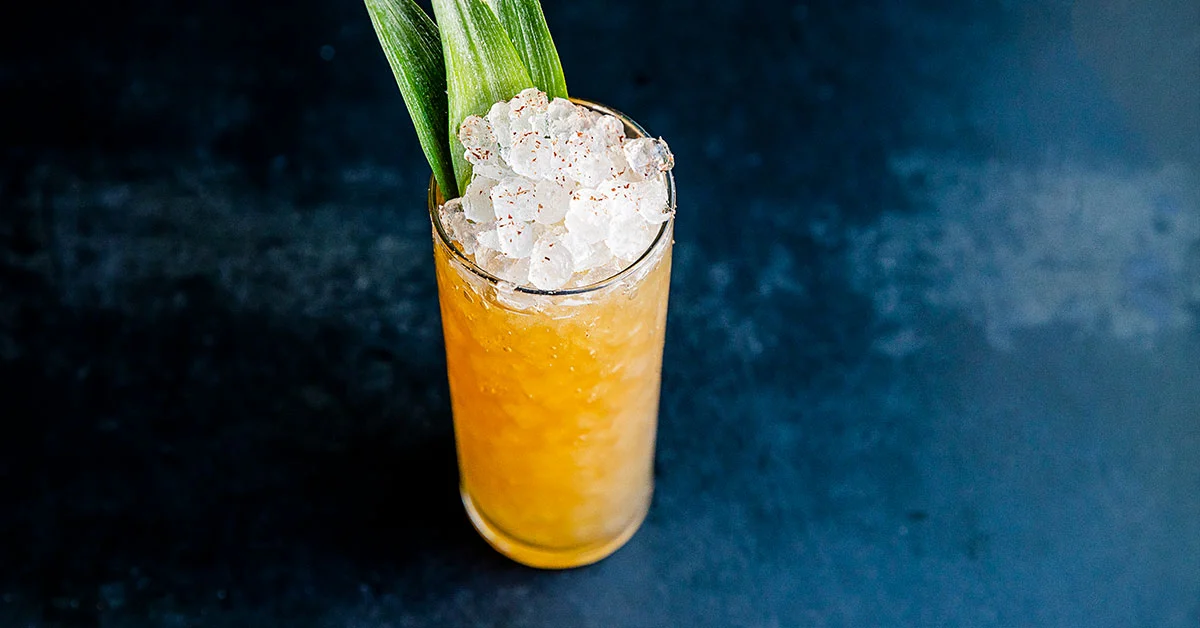
 Reynand Wu
 Ammar Sabilarrohman
 Layla Zulfa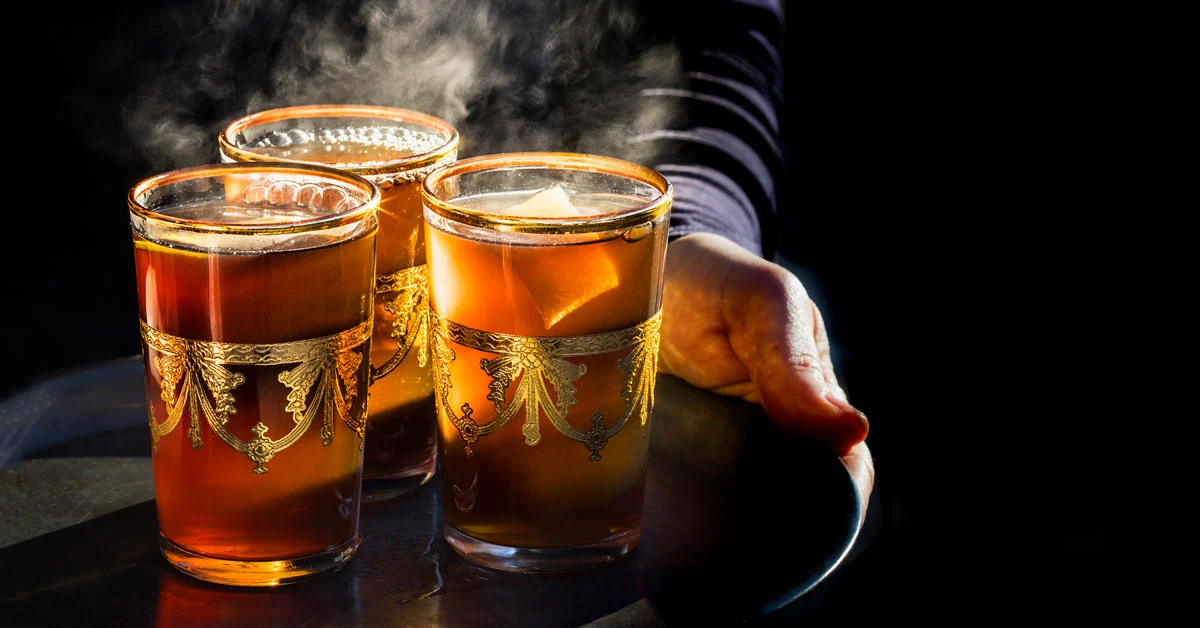
The landscape of the modern backbar has undergone a seismic shift. Where once the shelves were dominated by the monochromatic uniformity of vodka and high-proof spirits, today’s most sophisticated establishments are defined by the amber, mahogany, and deep-red hues of amari. This bittersweet Italian tradition, once reserved for the quiet final act of a long dinner, has stepped into the spotlight, proving itself to be the most versatile tool in the contemporary bartender’s repertoire.
From the bracing, medicinal intensity of a classic fernet to the subtle, smoke-kissed notes of modern expressions like Sfumato, the category is booming. Whether you are a home enthusiast or a seasoned professional, understanding the mechanics of these herbal liqueurs—and how to deploy them—is the key to unlocking a world of nuanced, low-ABV, and complex cocktails.
The Evolution of the Digestivo: From Pharmacy to Barstool
To understand the current obsession with amaro, one must look at its origins. The word "amaro" translates literally to "bitter," but to reduce these complex elixirs to a single flavor profile is a disservice to their lineage. Historically, these spirits were born in Italian pharmacies and monasteries, concocted by infusing neutral spirits with a proprietary blend of roots, barks, herbs, flowers, and citrus peels.

For centuries, they served a singular purpose: the digestivo. Sipped neat at room temperature or over a single cube of ice, they were intended to aid digestion following a heavy, multi-course meal. The botanicals, often including gentian root, cinchona, and wormwood, provided a pharmacological benefit that mirrored their sensory impact.
However, the "new-school" wave of producers has begun to challenge these conventions. We are seeing a proliferation of labels that prioritize bright, floral profiles or deep, savory characteristics, moving away from the purely medicinal towards the culinary. This expansion has effectively bridged the gap between the traditional digestivo and the high-octane craft cocktail.
Anatomy of a Trend: Why Now?
The surge in amaro’s popularity is not accidental. Several factors have converged to create the perfect environment for its ascent:

- The Rise of Low-ABV Drinking: As consumers move toward a more mindful approach to alcohol consumption, the lower alcohol content of many amari—compared to spirits like whiskey or gin—makes them an attractive base for "sessionable" drinks.
- Flavor Fatigue: After decades of sugary, syrupy cocktails, the palate of the modern drinker has matured. The demand for "bitter-forward" profiles—reminiscent of the Negroni’s enduring success—has paved the way for more adventurous ingredient choices.
- Complexity and Versatility: Amaro is a "plug-and-play" ingredient. It can replace sweet vermouth in a Manhattan, provide the backbone for a Julep, or serve as the primary focus of a highball. Its structural complexity means it provides the "weight" and "length" that a cocktail often lacks when using lighter spirits.
15 Essential Ways to Experience the Amaro Spectrum
To navigate this vast category, we have curated a list of essential recipes that showcase the breadth of what amaro can achieve. From the bold and polarizing to the soft and approachable, these drinks define the current state of the category.
1. The Waterfront: A Darker Storm
A radical departure from the traditional rum-based Dark ‘n’ Stormy, The Waterfront uses Fernet-Branca as its base. The intense, menthol-heavy profile of the fernet cuts through the spice of ginger beer, creating a drink that is refreshing, bracing, and deeply sophisticated.
2. Jägerita: The Modern Icon
Perhaps the most surprising success story in modern mixology, the Jägerita takes the aggressive, herbal profile of Jägermeister and balances it with the bright acidity of lime and the sweetness of orange liqueur. It is a masterclass in turning a "shot-culture" spirit into a refined, balanced cocktail.

3. Rye-Nar: The 50/50 Classic
A testament to the "less is more" philosophy, the Rye-Nar pairs the artichoke-based bitterness of Cynar with the spicy, high-proof kick of rye whiskey. It is a composed shot that demands to be sipped slowly, allowing the interplay of grain and earth to evolve on the palate.
4. Amaro Caldo: The Winter Essential
Simplicity is the ultimate sophistication. Amaro Caldo—essentially amaro and hot water—is the perfect entry point for the uninitiated. The heat opens up the aromatic compounds in the spirit, turning a standard digestivo into a comforting, tea-like experience.
5. King’s Cobbler
For those who prefer a more fruit-forward approach, the King’s Cobbler utilizes Amaro Sfumato. The smoky, woodsy notes of the Sfumato provide a perfect counterpoint to the sweetness of seasonal fruits and the cooling effect of crushed ice.

6. The Jelena
A two-ingredient marvel, the Jelena utilizes the classic Garibaldi formula—Campari and orange juice—but introduces a nitrogen charge. The result is a texture that is impossibly airy and light, proving that even the most well-known combinations can be elevated with technique.
7. Cynar & Tonic
While the Gin & Tonic is the highball standard, the Cynar & Tonic is its sophisticated, bittersweet cousin. The quinine in the tonic amplifies the herbal bitterness of the Cynar, resulting in a drink that is remarkably dry and perfect for warm-weather sipping.
8. The Mezcaletti
A pairing that feels inevitable once tasted: the smoky, mineral-forward profile of mezcal is perfectly complemented by the cola-like, baking-spice notes of Amaro Meletti. It is a study in contrasts that somehow finds perfect harmony.

9. Second Serve
A highball that bridges the gap between Italy and Spain, the Second Serve combines Amaro Montenegro with fino sherry. The dry, nutty quality of the sherry tames the sweetness of the Montenegro, resulting in a "softer-hitting" drink that is ideal for brunch or an afternoon aperitif.
10. The Piedra
Often cited as the ultimate "hangover cure" in its native Mexico, the Piedra is a restorative mix of dark spirits and bitters. It is designed to settle the stomach while providing enough flavor intensity to spark the appetite for the next meal.
11. Amaro Shakerato
The act of shaking a spirit with ice does more than just chill it; it adds aeration and creates a silky, viscous texture. By shaking your favorite amaro and straining it into a coupe, you transform a standard pour into an elegant, velvety experience.

(Note: The list continues with variants on classic Spritzes and Sours, utilizing producers such as Forthave, Nonino, and Cardinal Spirits to round out the selection.)
Implications for the Future of Mixology
The "Amaro Revolution" is not merely a passing fad; it is a fundamental shift in how we perceive flavor. We are seeing a move away from the "sweet-sour-strong" paradigm toward a model that values bitter, herbal, and savory dimensions.
This trend has massive implications for the industry. First, it forces bartenders to educate consumers on flavor profiles rather than just spirit bases. Second, it encourages the revival of local, craft production. As regional distilleries begin to experiment with local botanicals—from mountain herbs to native citrus—we are seeing a decentralization of the category. No longer is the Italian market the sole arbiter of what constitutes an amaro.

Conclusion: The Bitter Path Forward
As the category continues to grow, the barrier to entry for the home bartender is falling. You no longer need an expensive cabinet full of rare spirits to craft a world-class cocktail. A single bottle of high-quality amaro, a lemon, some soda water, and a bit of creativity are all that is required to participate in this global movement.
Whether you are seeking the bracing intensity of a fernet-based cocktail to end a long night or the light, effervescent pleasure of an amaro highball to start an evening, the world of bitter liqueurs offers an endless landscape for exploration. The only requirement is a willingness to embrace the bitter, to look beyond the sweet, and to discover the deep, complex beauty hidden in these historic bottles.

 Iffa Jayyana