
 Dwi Wanna
 Nana Wu
 Muslim
 Reynand Wu
 Ammar Sabilarrohman
 Pevita Pearce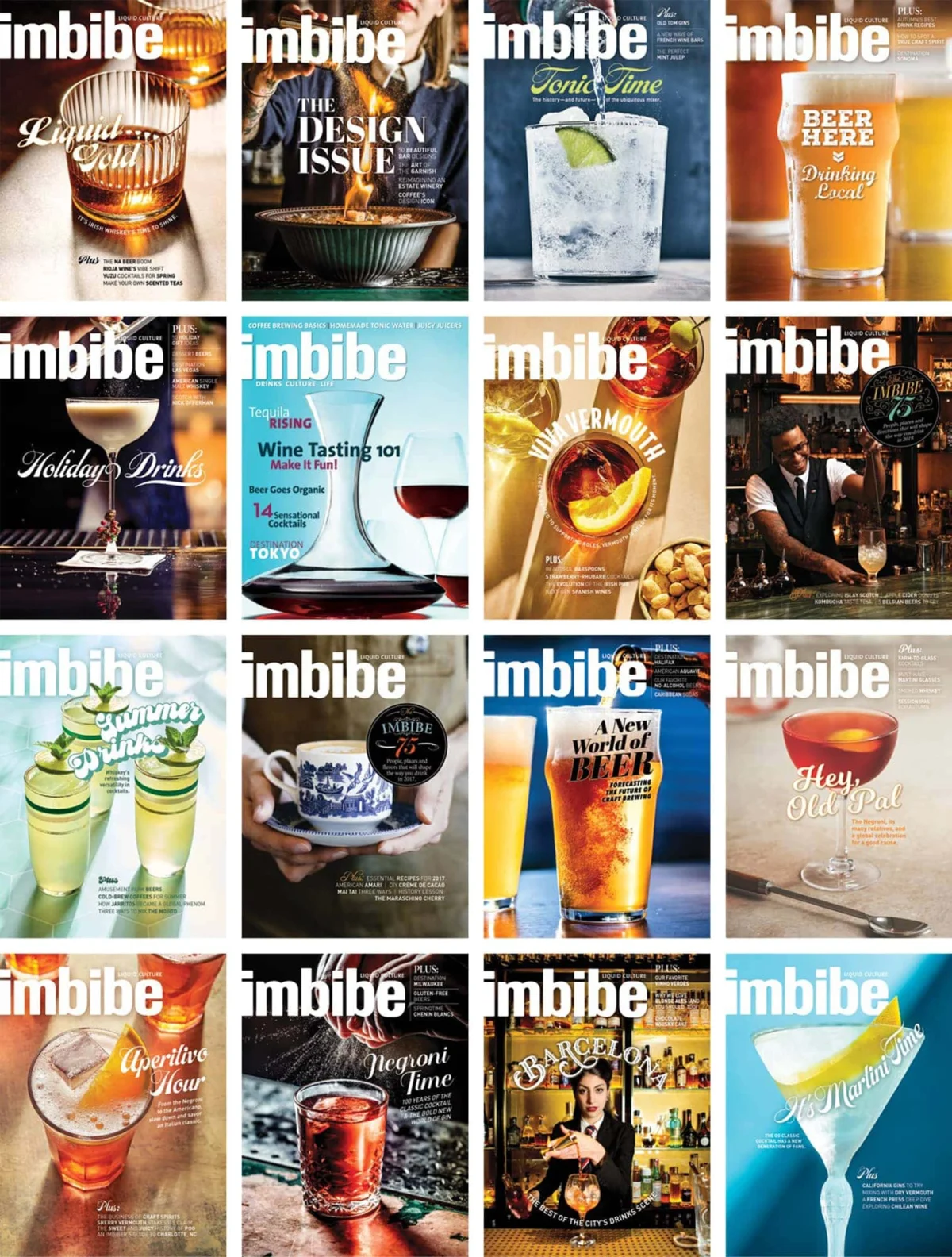
For twenty years, Imbibe magazine has served as a compass for the curious, navigating the complex worlds of cocktails, coffee, spirits, and the stories that bind them together. As the publication celebrates its milestone 20th anniversary, the editorial team paused to look back—not just at the covers and the features, but at the people who have kept the pages turning since the beginning.
What creates a two-decade-long relationship between a reader and a publication? Through interviews with long-term subscribers, it becomes clear that Imbibe has become more than a magazine; it is a cultural touchstone that facilitates discovery, preserves history, and provides a tactile refuge in an increasingly digital world.
The Chronology of Curiosity: From First Issues to Lifelong Habits
The story of Imbibe’s readership is often one of serendipitous discovery. For many of the magazine’s most loyal subscribers, the journey began in the mid-2000s, often prompted by a chance encounter in a bookstore or an industry event.
Eric Lebovitz, based in Pittsburgh, recalls picking up the inaugural issue of Imbibe from a bookstore shelf. "I was hooked from that first issue," he notes. His initial draw was a passion for coffee—a subject the magazine has championed with rigor—but he soon found his interests expanding. Over the years, that curiosity shifted to include the nuances of tropical mixology and the subtleties of high-quality tea, proving that the magazine’s editorial breadth serves as a gateway to new hobbies.
Similarly, Rich Delorme’s introduction to the publication came by way of the New York cocktail scene. He first encountered Imbibe at an event hosted at the Astor Center, featuring the legendary cocktail historian David Wondrich. For Delorme, the magazine acted as a bridge between professional expertise and domestic application. It wasn’t just about reading; it was about doing. The magazine’s influence reached into his kitchen, where he and his wife transitioned from expensive, automated coffee machines to the deliberate, ritualistic practice of pour-over brewing—a change directly inspired by Imbibe’s technical guides.
Supporting Data: The Anatomy of a Loyal Readership
The longevity of the Imbibe audience is not a matter of chance; it is the result of a deliberate blend of utility, history, and human-centric storytelling.
The Utility of the Recipe
The primary driver of reader retention is the recipe. Unlike ephemeral news cycles, a well-crafted cocktail recipe is a permanent asset. Kathy Guadagnini, a subscriber from Huntington Beach, California, exemplifies the "active reader" archetype. For Guadagnini, the magazine is a library of liquid inspiration.
"I continue to use the recipes—it’s not just one and done," she explains. She keeps a physical binder of clipped recipes, a testament to the magazine’s enduring value. She fondly remembers the "Jefferson’s Crimson" pomegranate cocktail from the November/December 2007 issue, which became a staple of her Thanksgiving hosting duties. This utility creates a cyclical relationship: the reader returns to the magazine for solutions, and in doing so, rediscovers the brand’s authority.
The Historical Context
Beyond the mechanics of mixing, readers cite the magazine’s commitment to "liquid history" as a key factor in their loyalty. Guadagnini notes that she is particularly drawn to the investigative side of the publication. "I really like when you go back through the history of a drink," she says. "Even when it’s somebody’s modern version of a cocktail, you’ll go back through the history and where that drink came from."
This intellectual rigor elevates Imbibe from a lifestyle magazine to a historical archive. By contextualizing the origins of a spirit or the evolution of a classic drink, the publication provides its readers with the "why" behind the "what," fostering a deeper, more sophisticated engagement with the products they consume.
Official Perspectives: The Human Element in a Changing Industry
As the beverage industry undergoes significant structural transitions, the voices behind the bar and the bottle have become central to Imbibe’s editorial mission. Merrianne Timko, an art and culinary historian in Houston, began her subscription in 2008 while developing a cultural feast program for the Museum of Natural Science.
For Timko, the appeal of Imbibe lies in its ability to humanize the industry. "I like getting to know some of the people who are interviewed, especially as the whole industry seems to be in transition," she says. She highlights the magazine’s success in bridging the generational divide, profiling both the veterans who built the modern cocktail landscape and the young innovators who are currently disrupting it.
Kelly Ryan, a subscriber from Albany, New York, echoes this sentiment. "The human element of the story draws me into it," she notes. "I really like the reporting you do about folks in the industry who are following their passion and doing cool things." This focus on the "person behind the pour" transforms the magazine into a platform for community, allowing readers to feel connected to the craftspeople who define their favorite drinks.
Implications: The Tactile Sanctuary in a Digital Age
Perhaps the most compelling argument for the enduring relevance of Imbibe comes from the way it functions as a sensory counter-weight to modern life. In an era dominated by the relentless noise of digital notifications, 24/7 news cycles, and the rapid-fire consumption of content, the physical magazine offers a distinct, meditative experience.
Tom Zaiser, who has been a subscriber since 2007, describes the experience of receiving Imbibe in the mail as "pure joy." As someone whose career has required significant global travel, Zaiser has used the magazine as a guidebook for his own explorations, sourcing rare bottles and discovering unique distilleries across the world. However, he emphasizes that the value of the magazine transcends the practical.
"Today, the world is full of noise, disagreement, and loud people arguing on TV," Zaiser observes. "And then along comes my Imbibe in the mail. It’s tactile. I can pick it up and turn the pages at my own pace."
This "timelessness" is a crucial implication for the future of niche publishing. Imbibe does not attempt to compete with the speed of the internet; instead, it offers a curated, high-quality, and permanent alternative. It is an invitation to slow down, to engage with the craft of drinking in a thoughtful way, and to participate in a culture that values expertise over extremity.
Conclusion: Looking Toward the Next Decade
As Imbibe enters its third decade, the feedback from its long-term subscribers suggests that the publication’s formula is as robust as ever. By balancing the technical utility of recipes with the academic depth of history and the emotional resonance of human storytelling, Imbibe has secured its place as an essential resource for those who view what they drink as a reflection of how they live.
Whether it is the collector keeping back issues on a shelf, the home bartender clipping recipes into a binder, or the curious drinker discovering a new vermouth at the recommendation of an editor, the readers of Imbibe are united by a singular trait: they are never done learning. And as long as there are new stories to be told and new liquids to be poured, Imbibe remains the definitive guide for the journey.


 Iffa Jayyana