

 Layla Zulfa
 Laily UPN
 Neng Nana
 Sagoh
Sagoh
 Raul Delapena Setiawan
 Nana Wu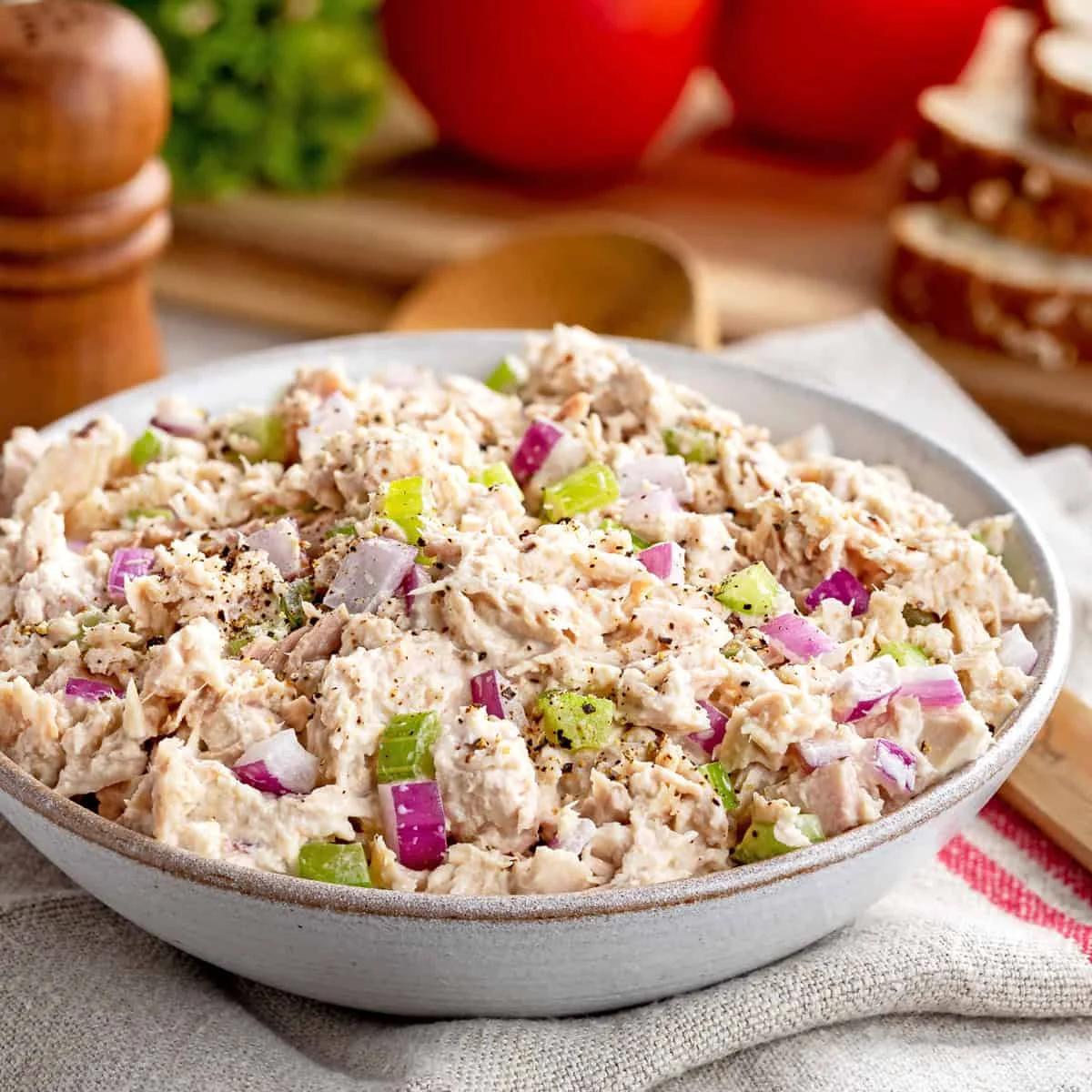
In the vast landscape of American comfort food, few dishes possess the enduring, universal appeal of tuna salad. It is a staple that bridges the gap between the hurried lunch break and the nostalgic family dinner. While it may appear deceptively simple—a mere combination of canned fish, mayonnaise, and aromatics—the perfect tuna salad is a masterclass in texture, acidity, and balance. As home cooks continue to seek nutritious, protein-rich, and budget-friendly meals, this classic preparation remains as relevant today as it was a century ago.
The Evolution of a Pantry Essential
To understand the place tuna salad holds in the American culinary consciousness, one must look at the historical trajectory of the canned goods industry. While European culinary traditions dating back to the late 19th century featured various fish salads, the version popularized in the United States is intrinsically linked to the Industrial Revolution and the subsequent development of reliable canning technologies.
The introduction of canned tuna into the American diet was not an immediate success. In an era where the concept of "fish-in-a-can" was viewed with skepticism—and even suspicion—the industry faced a significant uphill battle. It was not until the exigencies of World War I, when canned tuna was aggressively marketed as an affordable, shelf-stable, and highly portable protein source, that the American public began to embrace it.
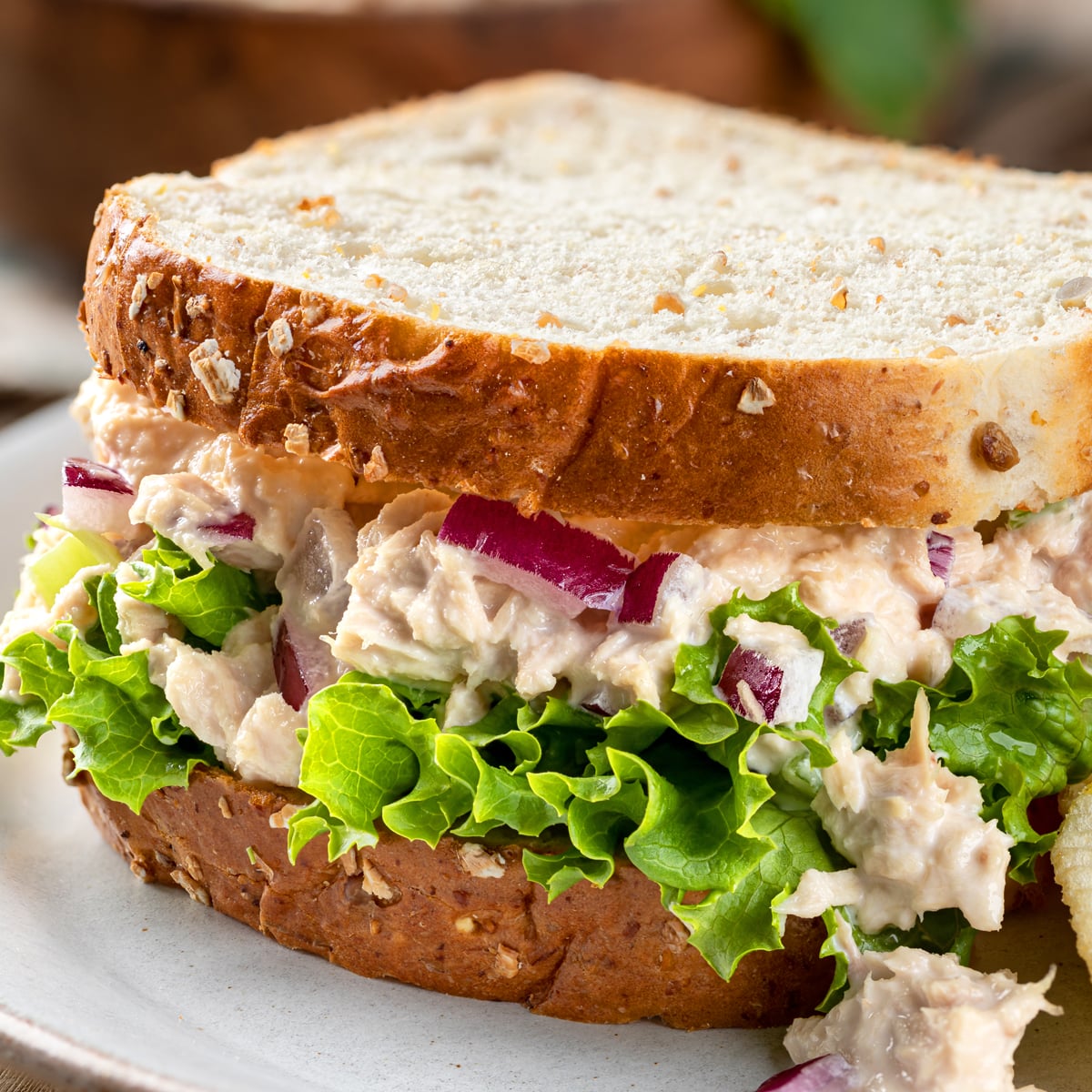
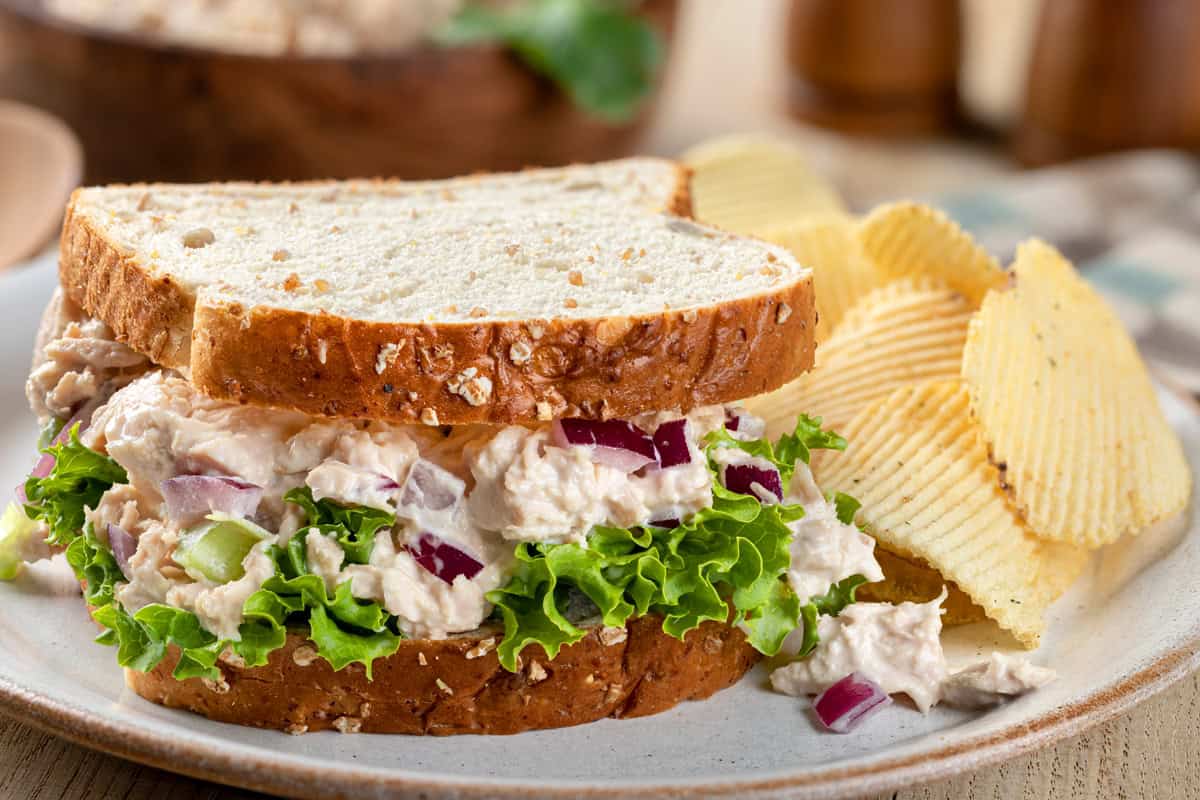
During this period, home cooks discovered that by masking the metallic edge of early canned fish with the richness of mayonnaise and the sharp, bright crunch of celery, onions, and pickles, they could create a dish that was both flavorful and satiating. By the mid-20th century, the transformation was complete: the tuna salad sandwich had become a cornerstone of the New York deli scene, while the tuna melt—a grilled variation featuring melted cheese—became a cultural institution across the American Midwest.
Culinary Anatomy: The Science of the Perfect Scoop
The secret to an exceptional tuna salad lies not in complexity, but in the quality of ingredients and the precision of the assembly. Culinary experts emphasize that the foundation of the dish is the tuna itself.
The Case for Water-Packed Albacore
While personal preference dictates much of the culinary experience, professional chefs overwhelmingly recommend solid white wild albacore tuna packed in water. The reasoning is rooted in chemistry and sensory perception. Tuna packed in oil can introduce a heaviness that masks the natural, delicate flavor of the fish, often creating a greasy mouthfeel. Furthermore, oil-packed varieties tend to have a stronger, more "fishy" profile that can overpower the subtle crunch of the celery and the sweetness of the relish.
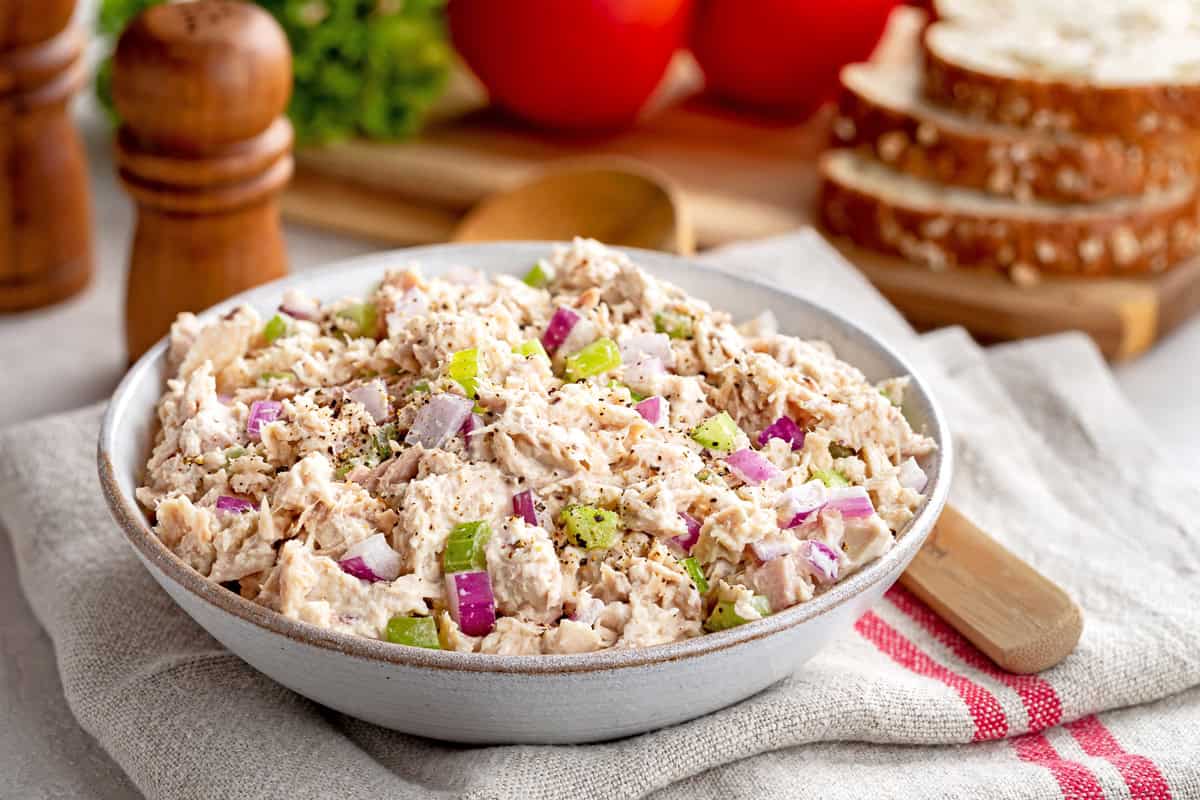
Water-packed tuna offers a cleaner, milder flavor profile that acts as a blank canvas, allowing the other ingredients—the tang of the mayonnaise, the bite of the red onion, and the acidity of the pickles—to shine.
Essential Components
A balanced tuna salad requires a harmonious interplay of textures:
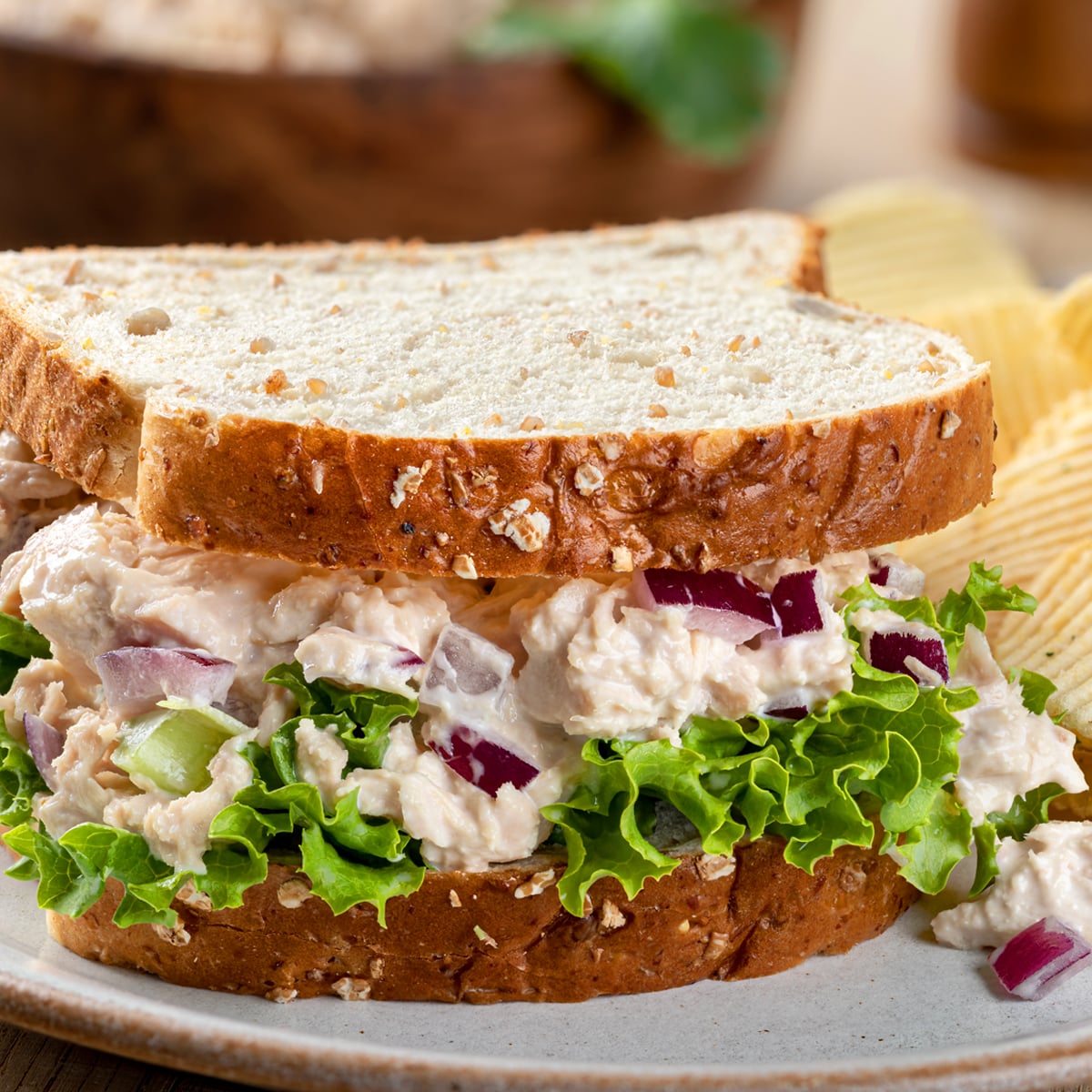
- The Protein: High-quality, sustainable, wild-caught albacore.
- The Binder: A high-quality mayonnaise provides the necessary fat and emulsification to coat the fish flakes without turning the dish into a paste.
- The Crunch: Finely diced celery and red onion are non-negotiable for those seeking the traditional "deli" experience.
- The Acid: Sweet or dill pickle relish provides the necessary brightness to cut through the richness of the mayonnaise, preventing palate fatigue.
A Chronology of Culinary Influence
- Late 19th Century: Early references to European fish salads emerge, often using leftover cooked fish or preserved sardines.
- Early 1900s: The Industrial Revolution makes commercial canning of tuna viable, though initial public reception is lukewarm due to food safety concerns regarding preserved goods.
- World War I (1914–1918): Massive marketing campaigns position canned tuna as a patriotic and necessary protein for the home front.
- Mid-20th Century: The "Golden Age" of the American deli. The tuna melt emerges in Midwestern diners as a variation on the classic grilled cheese.
- Modern Day: Tuna salad is reimagined through global influences, incorporating ingredients like avocado, sriracha, capers, or Greek yogurt as a healthier substitute for traditional mayonnaise.
Supporting Data: Nutrition and Utility
From a nutritional standpoint, tuna salad is a powerhouse. A standard serving (typically around 4 ounces of prepared salad) provides a substantial dose of lean protein—often upwards of 25–28 grams—with minimal carbohydrate content, making it a favorite for those following low-carb or ketogenic lifestyles.
However, consumers are encouraged to be mindful of mercury intake. The FDA generally advises choosing lower-mercury options like skipjack or canned light tuna for frequent consumption, while reserving higher-mercury albacore for more occasional meals.
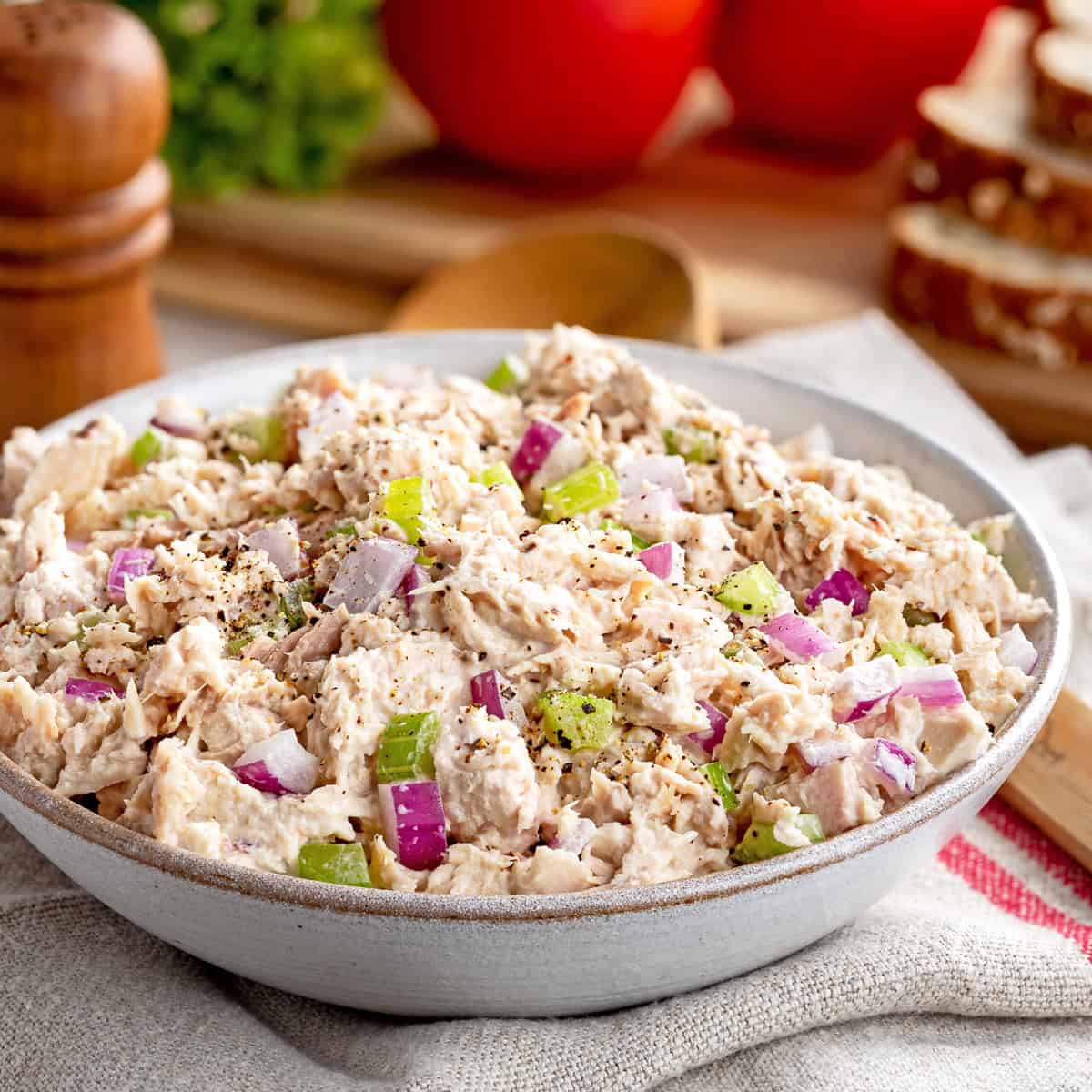
Nutritional Profile (Approximate per serving)
- Calories: 344 kcal
- Protein: 26g
- Fat: 24g
- Carbohydrates: 4g
- Sodium: ~876mg (varies based on the addition of pickles/relish)
Professional Chef Tips for Excellence
Even for a simple dish, execution is everything. To elevate your tuna salad from "adequate" to "exceptional," consider the following techniques:
- Drain Thoroughly: Excess liquid is the enemy of a well-bound salad. After opening the can, press the tuna firmly against the strainer or a fine-mesh sieve to remove all residual water.
- The "Chill" Factor: While the ingredients are shelf-stable, the finished salad should always be chilled for at least one hour before serving. This allows the flavors of the onion and pickles to permeate the fish, resulting in a more cohesive flavor profile.
- Texture Control: Do not over-process the tuna. Use a fork to gently flake the fish rather than mashing it into a paste. The contrast between the soft fish and the crunchy aromatics is vital to the mouthfeel.
- Acid Balance: If the salad tastes "flat" after mixing, do not reach for more salt. Instead, add a teaspoon of fresh lemon juice or a splash of white vinegar. The acid will "brighten" the flavors immediately.
Implications: The Versatility of the Dish
The true brilliance of tuna salad lies in its radical versatility. While the sandwich remains the most common delivery vehicle, the dish has evolved to meet the demands of modern dietary trends.
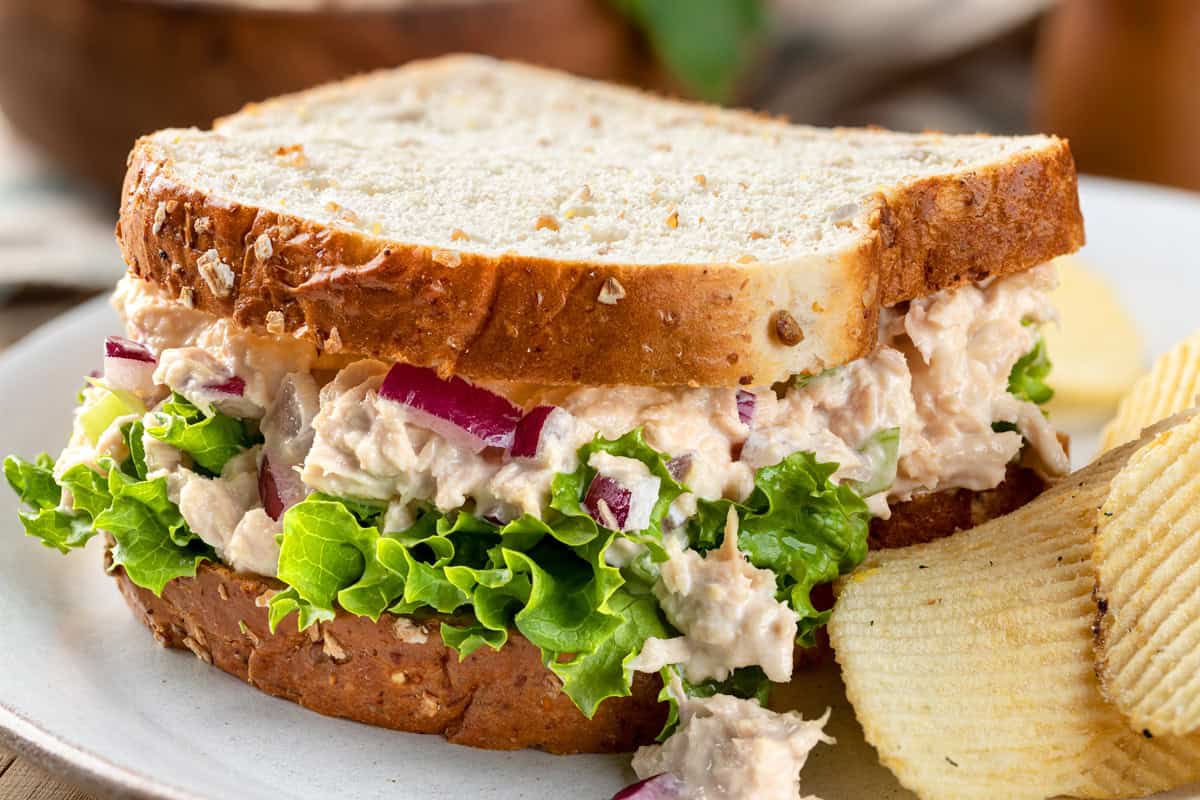
- Low-Carb/Keto: Serve inside hollowed-out bell peppers, atop a bed of crisp butter lettuce, or as a dip for cucumber slices and celery sticks.
- The Modern Melt: Elevate the classic tuna melt by using sourdough bread, sharp white cheddar or gruyère cheese, and a smear of Dijon mustard on the bread before grilling.
- The "Elevated" Deli Salad: For a more sophisticated palate, incorporate diced capers, fresh dill, or even a hint of chopped kalamata olives to lean into a Mediterranean flavor profile.
Storage and Food Safety
Given the inclusion of mayonnaise and fish, food safety is paramount. Tuna salad should never be left at room temperature for more than two hours. For optimal freshness, it should be stored in an airtight, non-reactive glass container in the coldest part of the refrigerator. While it can safely be stored for three to four days, the texture of the vegetables—specifically the celery—will begin to soften after the 48-hour mark. Therefore, it is best enjoyed within the first two days of preparation.
Conclusion: A Legacy of Flavor
Tuna salad has survived the changing tides of culinary fashion for over a century. Its success is not accidental; it is a testament to the power of a recipe that is accessible, affordable, and deeply satisfying. Whether you prefer it on a toasted bagel, mixed into a pasta salad, or enjoyed directly from a bowl with artisan crackers, the classic tuna salad remains a foundational skill for any home cook. By focusing on high-quality ingredients and respecting the balance of textures, you can transform a simple pantry staple into a meal that is, in every sense of the word, a classic.


 Asep Darmawan
 Evan Lee Salim