
 Raul Delapena Setiawan
 Ammar Sabilarrohman
 Lina Irawan
 Suro Senen
 Azzam Bilal Chamdy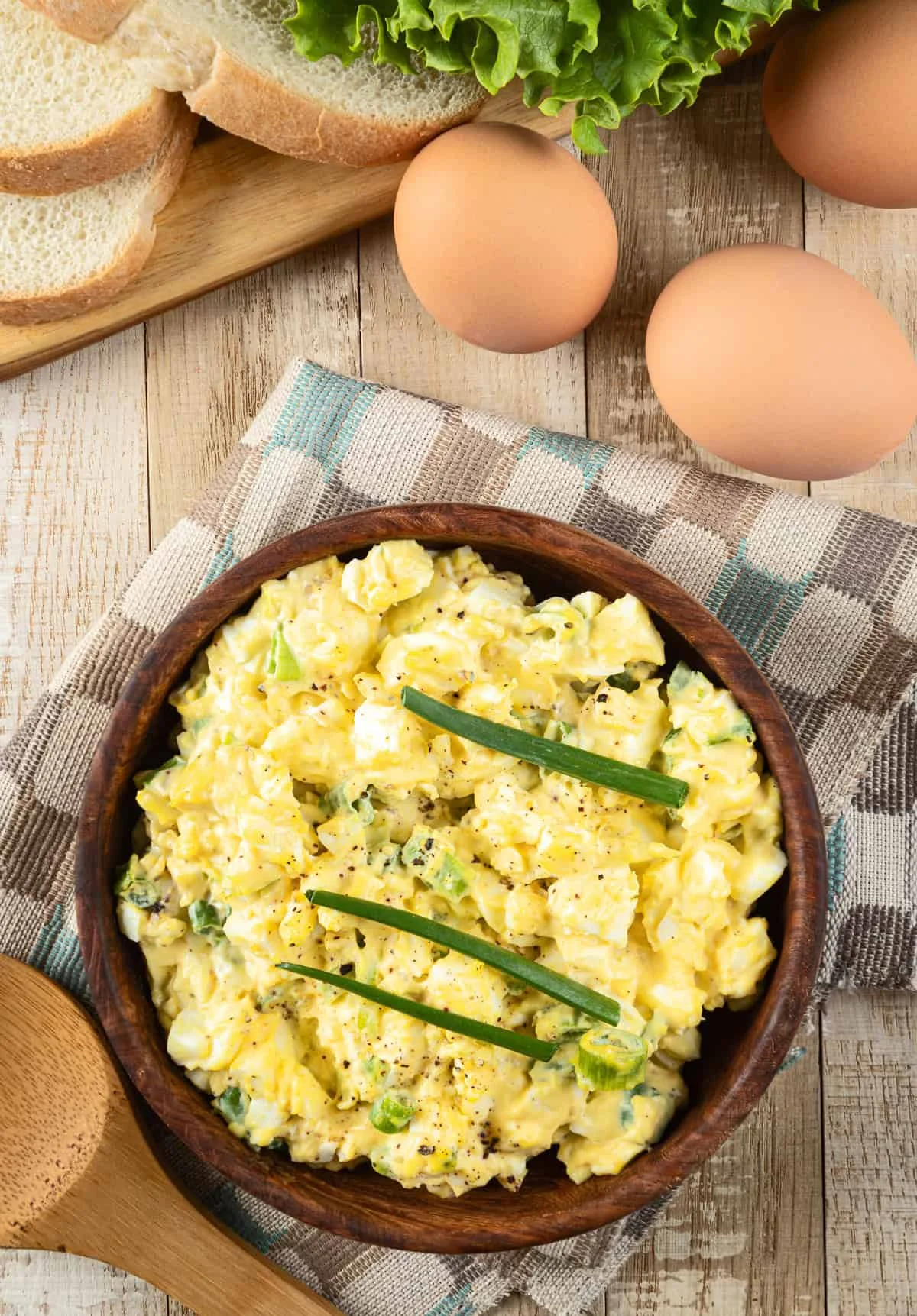
Egg salad is more than just a convenient way to use up surplus eggs; it is a cornerstone of American culinary culture. From the quiet corners of home kitchens to the refrigerated cases of high-end urban delis, this simple preparation of hard-boiled eggs, mayonnaise, and seasonings has stood the test of time. While often dismissed as a basic pantry staple, the true "deli-style" egg salad is an exercise in texture, balance, and technique.
As home cooks increasingly seek to master restaurant-quality comfort food, the humble egg salad has undergone a gourmet revival. By understanding the science of the emulsion, the importance of yolk texture, and the heritage of this dish, anyone can transform a quick lunch into a sophisticated culinary experience.
The Evolution of a Culinary Staple: A Chronological History
The history of egg salad is deeply rooted in the broader development of the sandwich and the rise of convenience foods in the late 19th century. While chopped egg preparations existed in European households for centuries, it was the professionalization of American cooking that turned it into a formal recipe.
The Victorian Origins (Late 1800s)
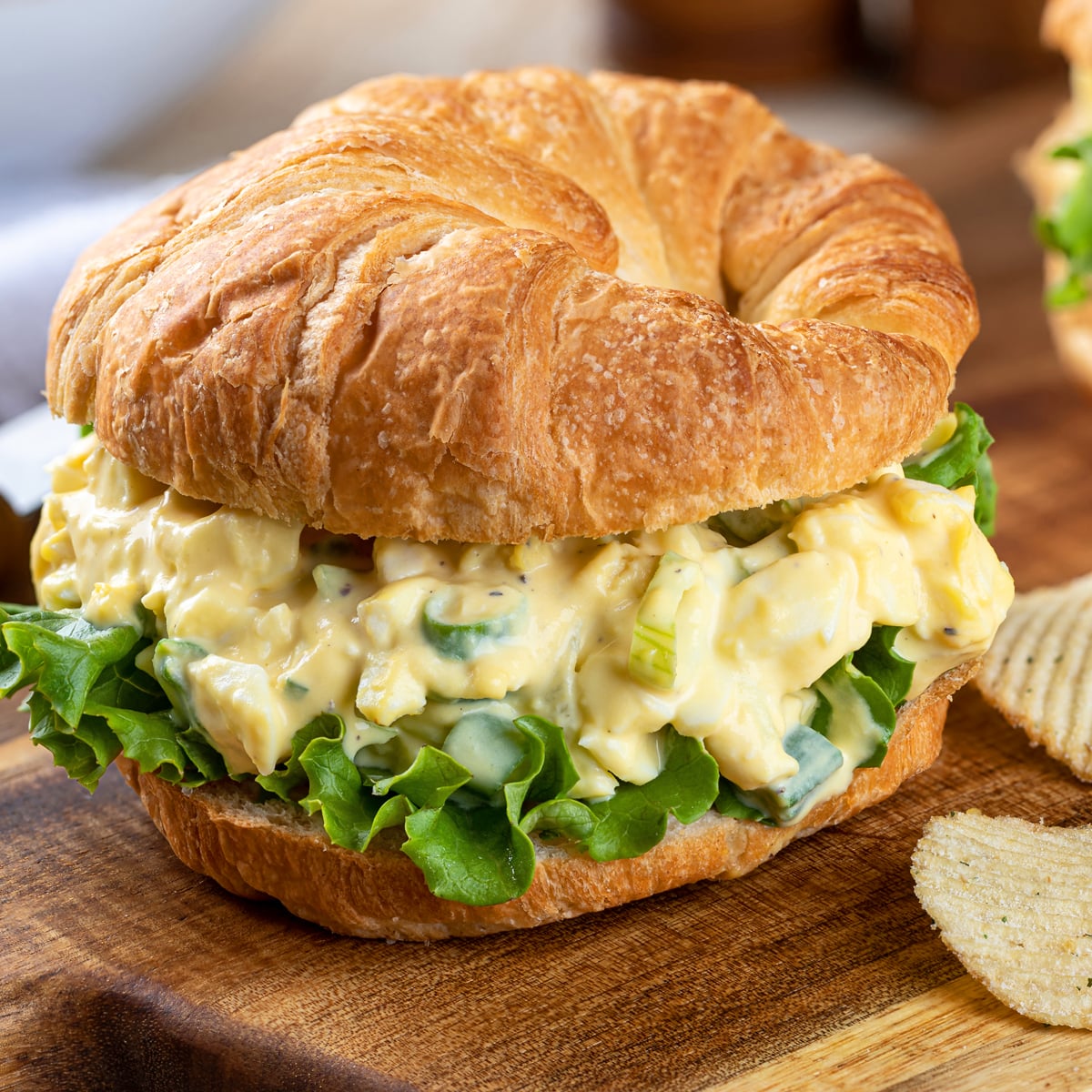
The late 1890s marked the emergence of egg salad as a distinct culinary entry. The 1896 edition of Fannie Farmer’s The Boston Cooking School Cook Book—the gold standard for American domestic science at the time—provided one of the earliest printed recipes for the dish. During this period, the sandwich began its transition from a portable miner’s snack to a socially acceptable luncheon item, and egg salad served as a refined, protein-rich filling for tea sandwiches and mid-day meals.
The Deli Era (Mid-20th Century)
By the 1940s and 50s, the "deli-style" egg salad became synonymous with the urban American delicatessen. These establishments prioritized consistency and texture, often utilizing commercial mayonnaise to achieve a stabilized, shelf-stable, and luxuriously creamy profile. It was during this era that the addition of crunchy elements like celery and onion became standardized, providing a necessary textural contrast to the soft, emulsified eggs.
The Modern Gourmet Renaissance (2020s–Present)
In the current culinary landscape, egg salad has moved beyond the cafeteria tray. Modern iterations focus on high-quality sourcing—often utilizing farm-fresh eggs—and a "chef-driven" approach to seasoning. The trend has shifted toward balancing acidity (via artisanal mustards or fresh herbs) with the richness of the yolk, turning a simple dish into a gourmet staple served on toasted brioche or artisanal croissants.
The Science of Texture: Why Technique Matters
Achieving the perfect egg salad is not merely about mixing ingredients; it is a scientific process of balancing fats, proteins, and aromatics. Professional chefs often cite the "yolk emulsion" method as the secret to success.
The Yolk-Mash Technique
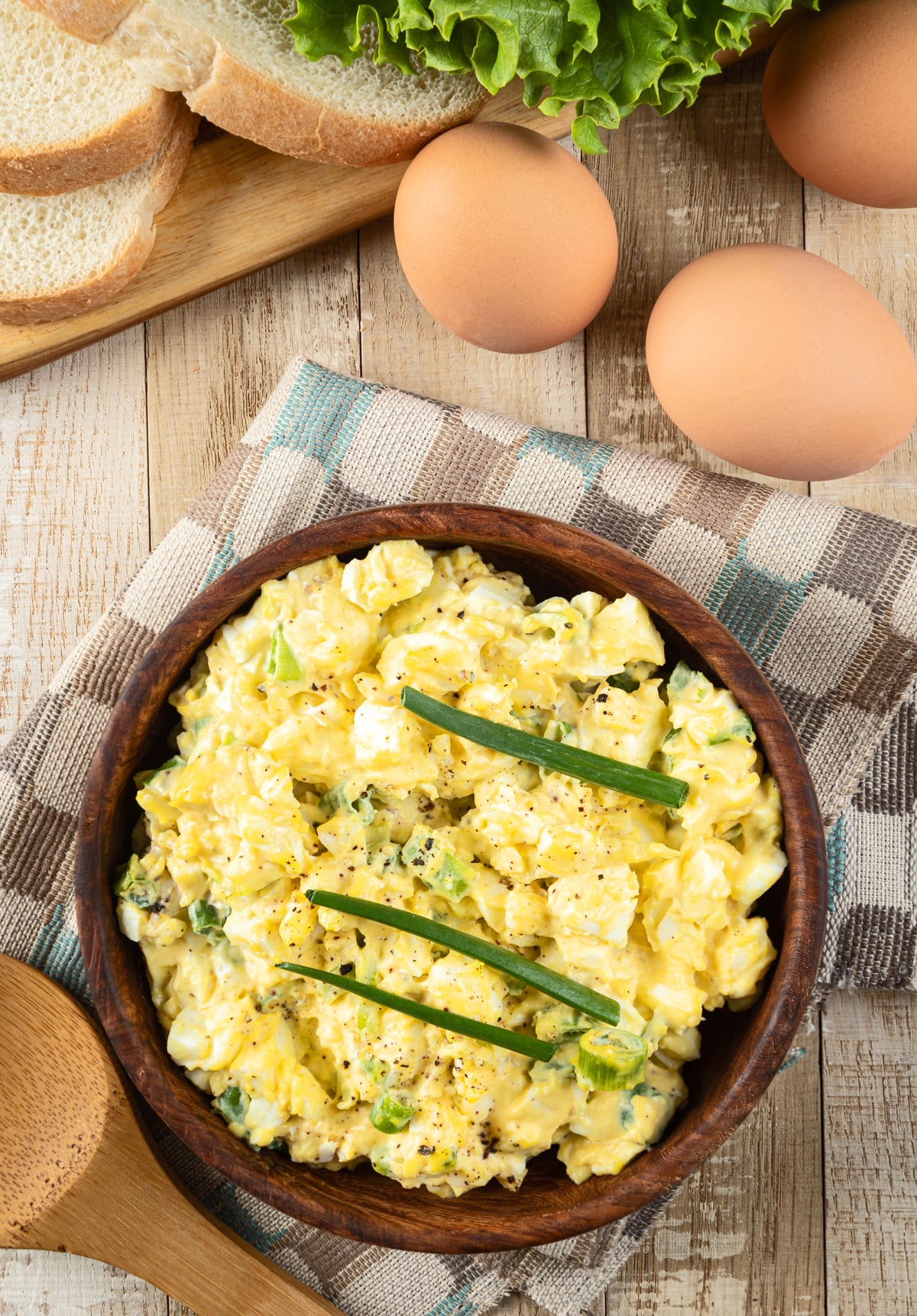
A common mistake in home kitchens is simply chopping hard-boiled eggs and folding them into mayonnaise. This often results in a "loose" salad where the dressing separates from the solid whites. The professional standard, endorsed by institutions like America’s Test Kitchen, involves separating the yolks and mashing them directly into the mayonnaise and mustard before adding the diced whites.
This creates a smooth, velvety base—essentially a deviled egg filling—that coats the chopped whites, ensuring every bite is uniformly seasoned and creamy. The subsequent addition of crisp celery or finely minced red onion provides the "snap" that prevents the palate from becoming fatigued by the richness of the egg.
The Hard-Boiling Dilemma
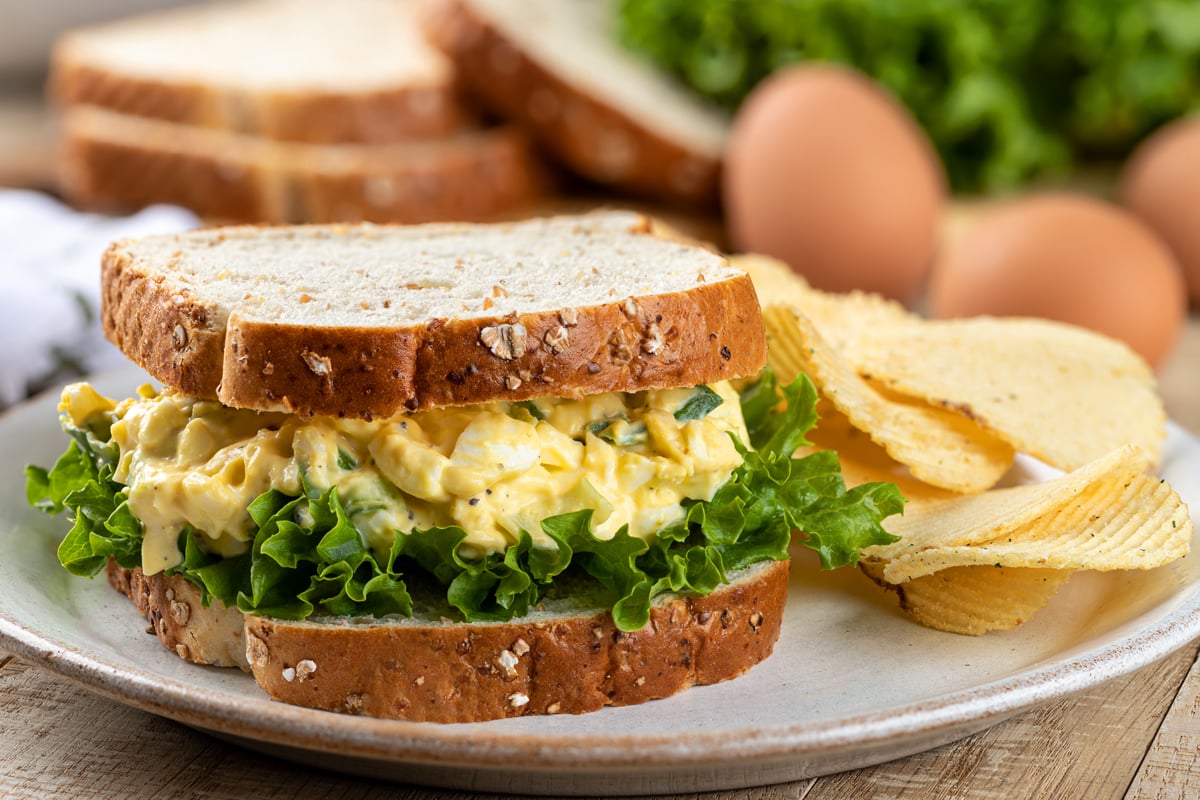
The foundation of any good egg salad is the hard-boiled egg, and it is here that many home cooks falter. Over-cooking leads to the dreaded "green ring" around the yolk—a byproduct of iron and sulfur reacting to form ferrous sulfide. Not only does this look unappealing, but it also creates a chalky, dry texture that is impossible to hide, regardless of how much mayonnaise is used.
The Pro-Boil Method:
- Gentle Start: Place eggs in a pot and cover with cool water by an inch.
- The Controlled Boil: Bring to a rolling boil, then immediately turn off the heat.
- The Precision Rest: Cover the pot and let the eggs sit in the hot water for exactly 10 to 12 minutes.
- The Ice Bath: Transfer immediately to an ice water bath to stop the cooking process, ensuring the whites remain tender and the yolks stay vibrant and creamy.
Supporting Data: The Nutritional Profile
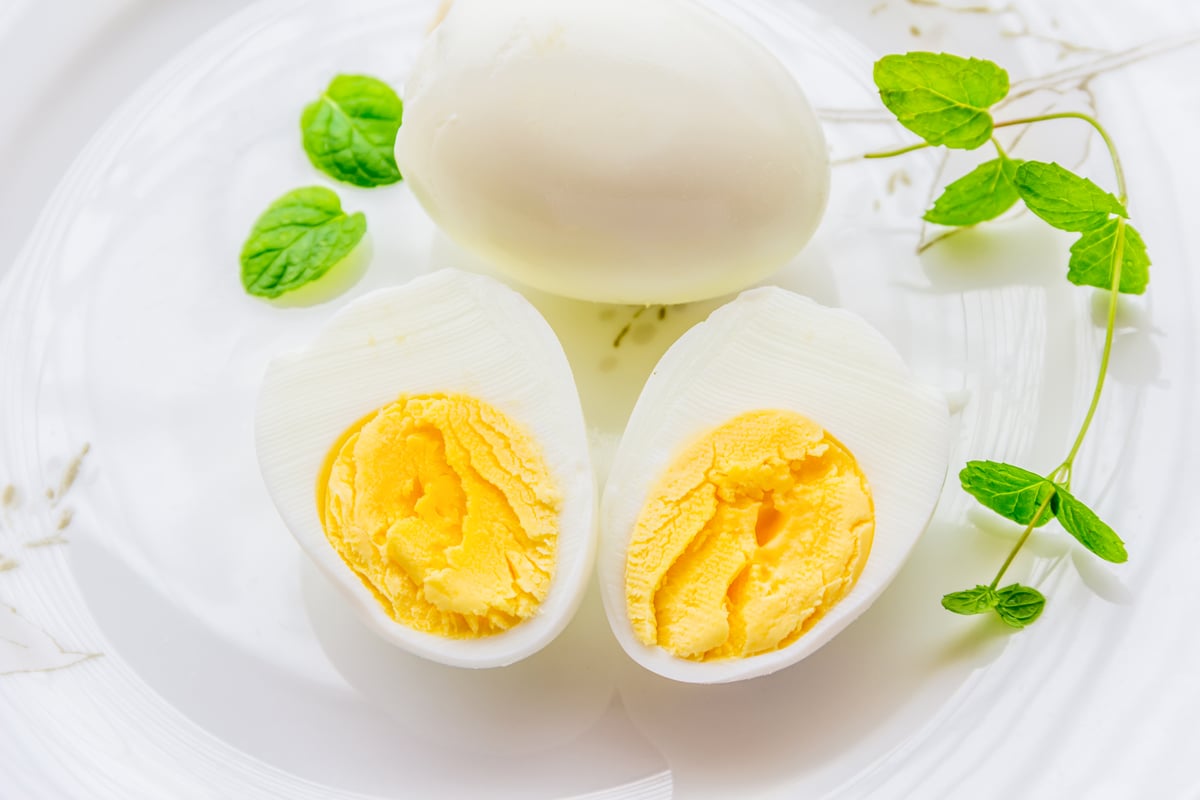
While egg salad is frequently categorized as a comfort food, it is also a highly efficient source of nutrition. According to standard dietary analysis, a single serving (roughly 1/4 of a batch) provides approximately 259 calories.
Nutritional Breakdown (Approximate):
- Protein: 12g (High-quality, complete protein source)
- Fat: 22g (Includes healthy monounsaturated fats from high-quality mayo)
- Cholesterol: 335mg
- Carbohydrates: 2g (Ideal for low-carb or ketogenic lifestyles)
The dish is also a significant source of Vitamin A, iron, and potassium. Because it is low in carbohydrates, it serves as a versatile staple for those managing blood sugar levels, provided it is paired with low-glycemic accompaniments like fresh greens or raw vegetables rather than refined breads.
Culinary Implications: Serving and Storage
The versatility of egg salad is its greatest asset. From a formal lunch service to a quick "fridge-raid" snack, the presentation can vary wildly.
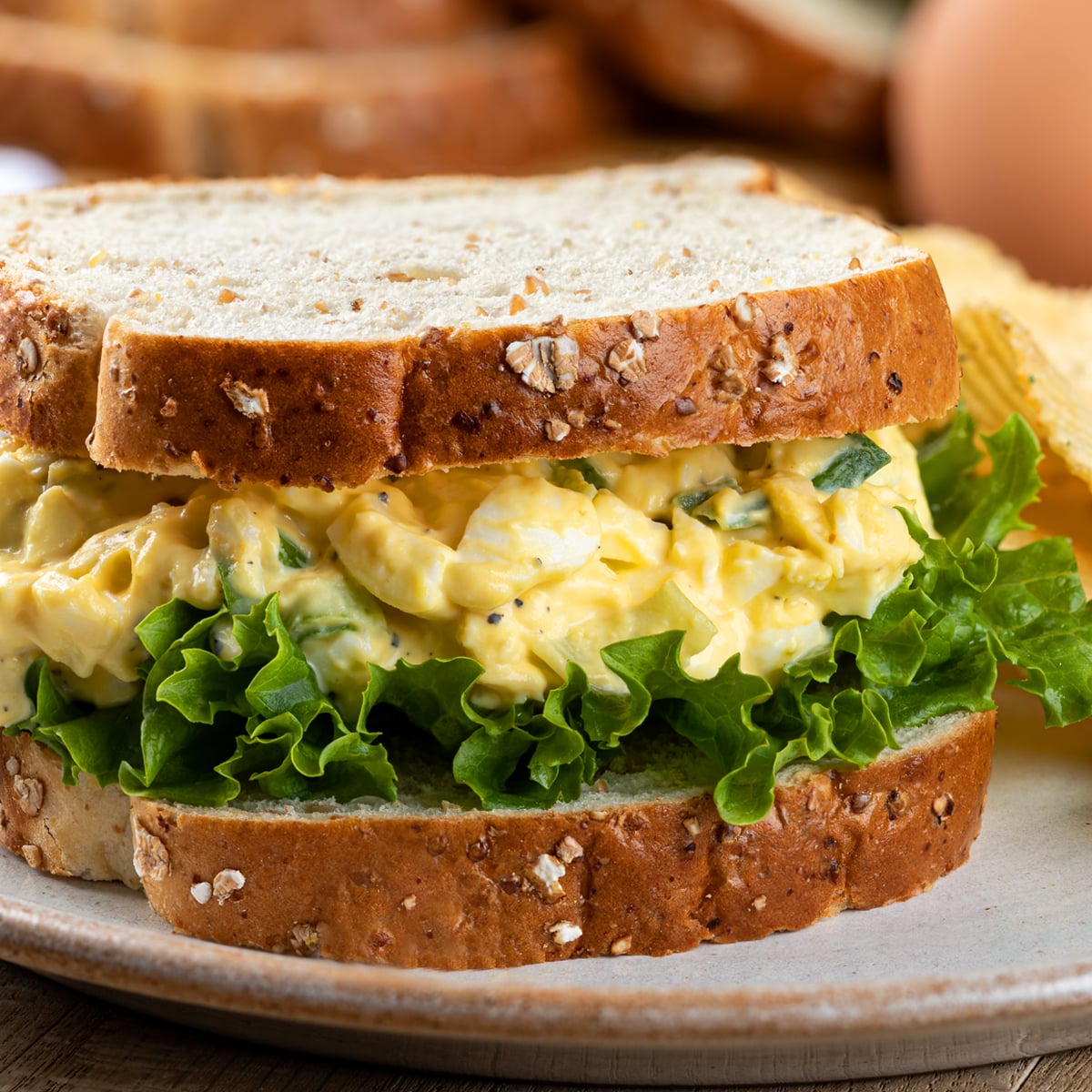
Serving Suggestions
- The Classic Sandwich: Served on high-quality, toasted sourdough or a buttery croissant.
- The Low-Carb Alternative: Piled high on a bed of butter lettuce or in endive boats for a refined hors d’oeuvre.
- The "Deconstructed" Plate: Served alongside refrigerator pickles, fresh radishes, and a side of Waldorf salad to balance the savory notes with crisp, acidic, and sweet textures.
Storage and Safety
Because egg salad contains mayonnaise and cooked proteins, it is a highly perishable item. Professional food safety standards dictate that it should be kept refrigerated at or below 40°F (4°C). For the best quality, it should be consumed within 3 to 4 days. It is important to note that egg salad does not freeze well, as the mayonnaise emulsion will break and separate upon thawing, resulting in a watery, unappealing texture.
Global Perspectives: The "Daring" Approach
In the global kitchen, the basic egg salad concept is frequently adapted to incorporate international flavor profiles. While the American deli style relies on mustard and celery, other cultures offer "revitalized classics":
- The Indian Influence: Incorporating turmeric, curry powder, and cilantro adds an earthy, vibrant dimension to the eggs.
- The French Bistro Style: Adding fresh chives, tarragon, and a touch of Dijon mustard elevates the dish to a sophisticated oeufs mayonnaise style appetizer.
- The Japanese Influence: Utilizing Kewpie mayonnaise (which uses rice vinegar and a higher egg yolk content) creates a much richer, umami-forward profile that is increasingly popular in gourmet sandwich shops.
Conclusion: A Timeless Kitchen Essential
Whether you are a homesteader with a daily surplus of fresh eggs or a busy professional looking for a reliable, nutritious lunch option, mastering egg salad is a foundational skill. It requires little in the way of expensive equipment—just a pot, a bowl, and a fork—but rewards the cook with a dish that is deeply satisfying and infinitely customizable.
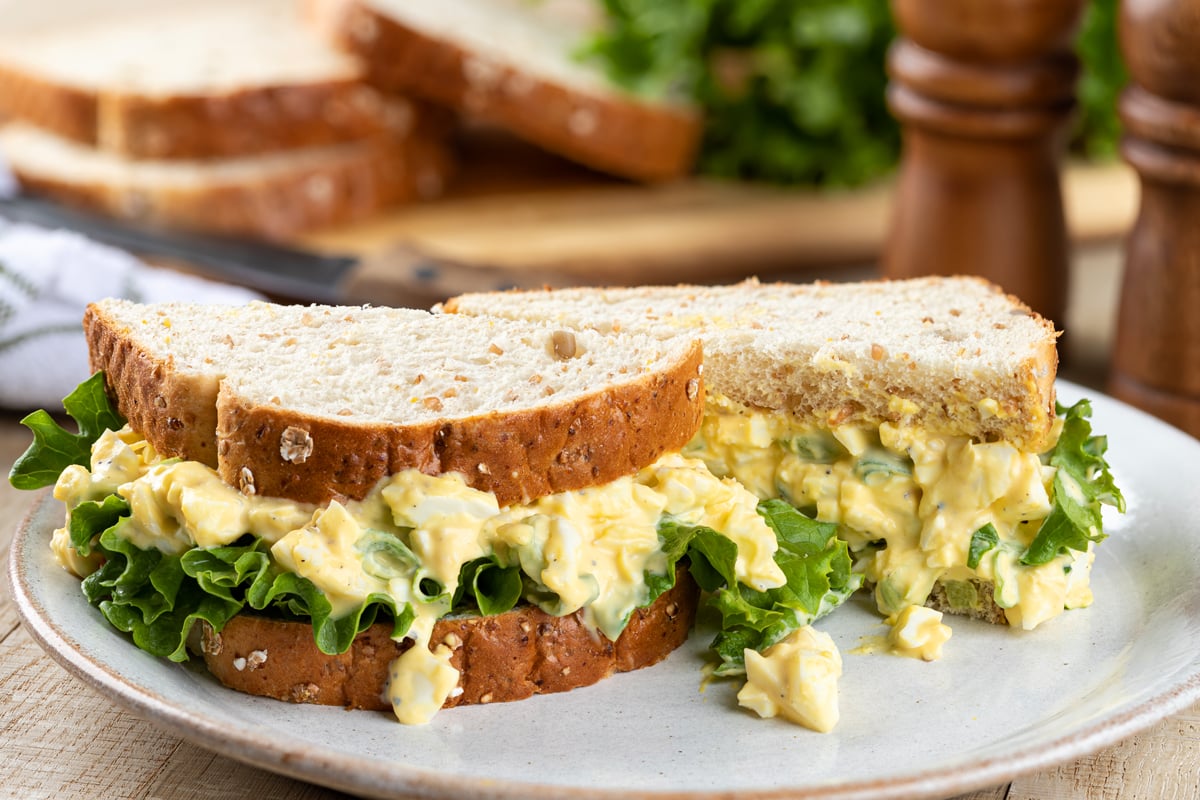
By focusing on the quality of the egg, the precision of the boil, and the art of the yolk-emulsion, you move from merely "making a sandwich" to crafting a classic. In a world of complicated, multi-step recipes, the enduring popularity of egg salad reminds us that the most delicious meals are often the ones that have been perfected over generations.


 Evan Lee Salim