 Raul Delapena Setiawan
 Ammar Sabilarrohman
 Lina Irawan
 Suro Senen
 Asep Darmawan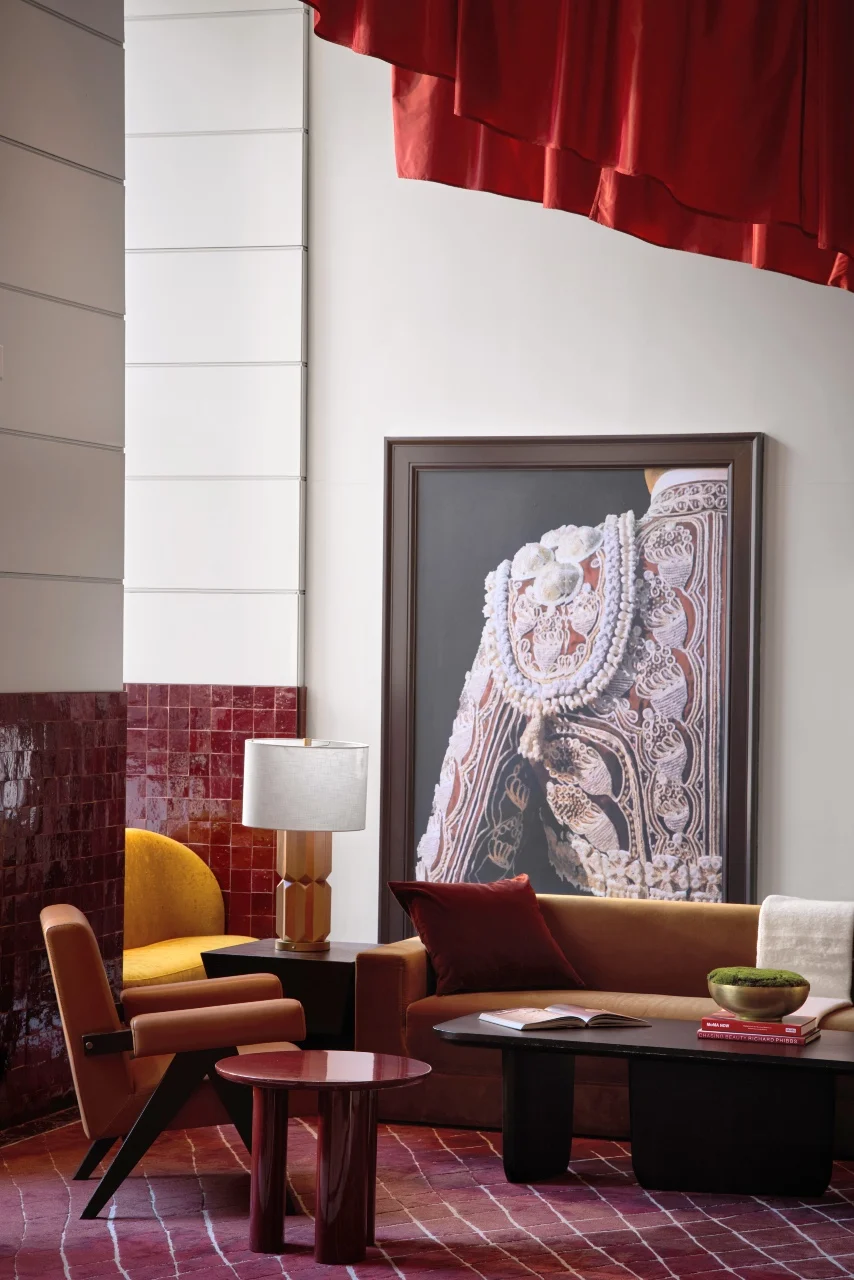
In the hyper-competitive landscape of modern hospitality, the definition of a "successful" restaurant has evolved far beyond the quality of the plate. Today’s diners, particularly in metropolitan hubs like New York City, are no longer just seeking nourishment; they are hunting for an immersive, multi-sensory experience that justifies the premium of a night out.
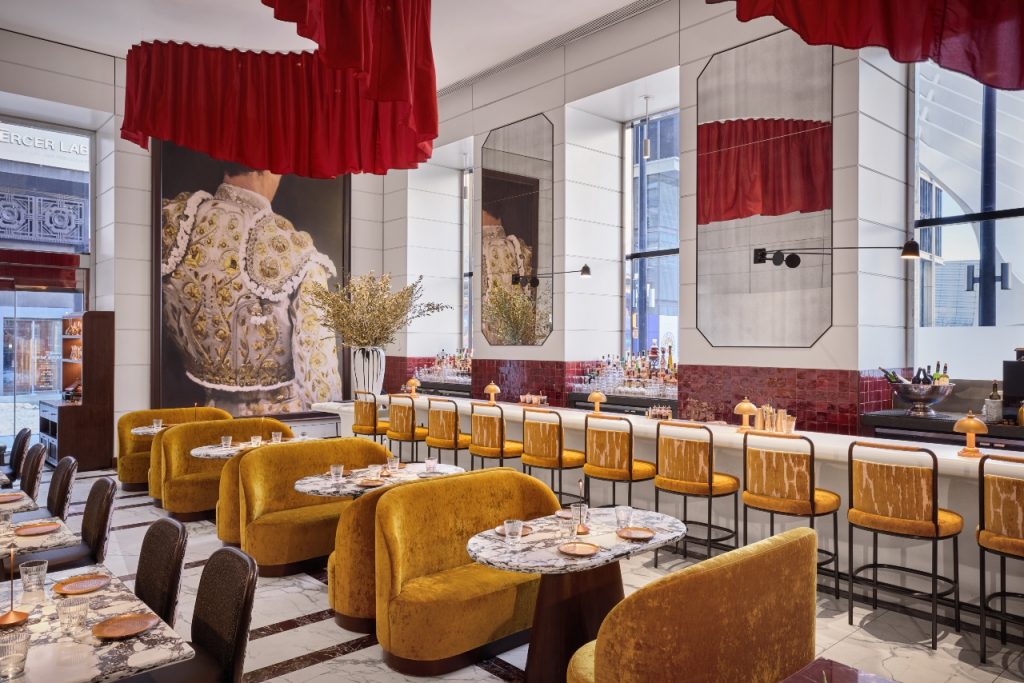
At the newly reimagined M Social Hotel New York Downtown, the restaurant Beast & Butterflies is setting a new benchmark for this philosophy. By integrating large-scale, culturally evocative matador-themed artworks into its interior design, the venue has bridged the gap between culinary concept and physical space. This project, spearheaded by the art consultancy firm Eaton Fine Art in collaboration with interior design powerhouse Mazzarini & Co., serves as a masterclass in how thoughtful curation can act as a silent narrator, deepening the guest’s connection to the brand.
The Convergence of Culinary and Visual Arts
The core objective at Beast & Butterflies was to breathe life into its Spanish-inspired culinary vision. According to Krista Birnbaum, Senior Art Curator at Eaton Fine Art, the art was not merely a decorative afterthought but a foundational element designed to echo the heritage and spirit of the menu.
"Diners are looking for places that feel special and memorable," Birnbaum explains. "Statement art helps restaurants stand out while giving guests something to connect with, in addition to the food and beverage menu. People want more than a meal; they want an experience they’ll remember. A thoughtfully curated collection sets the tone, creates energy, and gives the restaurant personality without distracting from the chef’s creativity."
This shift toward "experiential dining" reflects a broader trend in the industry: the transition from transactional hospitality to narrative-driven environments. When the visual aesthetic of a room speaks the same language as the flavors on the plate, the guest experience is transformed from a simple dinner into a cohesive journey.
A Chronology of Collaboration: From Concept to Canvas
The success of the Beast & Butterflies project was not accidental; it was the result of a rigorous, collaborative process that began long before the first piece of art was hung.
Phase 1: Immersion and Understanding
The partnership between Eaton Fine Art and Mazzarini & Co. began with a deep dive into the brand’s DNA. "The best partnerships are collaborative from day one," says Birnbaum. "We see ourselves as part of the creative team. Our collaboration is to understand the concept and then express it visually through art. That means learning about the cuisine, the neighborhood, the atmosphere they want to create, and what makes the brand unique."
Phase 2: Strategic Curation
Once the story was established, the curation phase commenced. This involved balancing aesthetic impact with functional reality. Large-scale art, while visually stunning, presents unique challenges in a high-traffic environment. The team had to account for sightlines, durability, lighting, and acoustics. The art had to be bold enough to capture attention but tempered enough to allow for the natural flow of service and the comfort of the diners.
Phase 3: Integration and Training
The final stage of the project involved ensuring the staff was equipped to act as ambassadors for the art. By training servers to share brief, genuine stories about the matador pieces and their connection to Spanish culture, the restaurant turned its walls into conversation starters. This integration ensures that the art is not just seen, but understood and appreciated as a vital component of the guest’s time at the table.
Supporting Data: Why Design Drives Revenue
While the emotional impact of art is subjective, the business case for "experience-led" design is backed by the competitive reality of urban hospitality markets. In cities like New York, Las Vegas, and Miami, where the density of high-end dining options is overwhelming, the "aesthetic edge" is often the deciding factor for consumer retention.
- Guest Retention: In saturated markets, a restaurant’s personality acts as a brand loyalty hook. Guests are significantly more likely to return to a space where they felt "transported."
- Social Media Amplification: Statement art provides an inherent "Instagrammability" that serves as organic, high-value marketing. A memorable piece of art encourages guests to share their experience, acting as a force multiplier for the restaurant’s public image.
- Operational Harmony: When design, art, and lighting are synchronized, the "perceived quality" of the food often rises. Research in sensory marketing suggests that the environment in which a meal is consumed directly influences the guest’s perception of taste and value.
Official Perspectives: The Curator’s Philosophy
Krista Birnbaum emphasizes that the most successful restaurant projects treat art as a structural element. "Restaurant projects tend to be more immediate and sensory than other hospitality spaces," she notes. "Guests are taking everything in at once—the lighting, the sound, the food, and the design. So, the art has to work beautifully in that moment and contribute to the atmosphere right away."
For operators looking to follow the Beast & Butterflies model, Birnbaum offers a clear piece of advice: Do not treat art as an afterthought.
"Be clear about your story," she urges. "What do you want guests to feel? What makes your restaurant unique? Once you know that, the right art choices become much easier. Also, don’t be afraid to be bold. Guests remember places that feel original, warm, and full of personality."
Implications for the Future of Restaurant Design
The implications of this trend for the restaurant industry are significant. We are witnessing the end of the "blank slate" era of restaurant design. As competition continues to mount, developers and restaurateurs are increasingly viewing fine art curation as a necessary investment, rather than a luxury line item.
The Rise of the Storytelling Space
Moving forward, we can expect to see more restaurants utilizing art to bridge the gap between their menu and their physical location. Whether it is a bistro in the Financial District or a rooftop lounge in an urban market, the ability to tell a cohesive story through visual media will become a critical KPI (Key Performance Indicator) for success.
Empowering the Front-of-House
The role of the service staff is also expanding. As seen at M Social Hotel, staff are becoming "docents" of the dining experience. By sharing the "why" behind the design, servers provide a layer of human connection that an algorithm or a review site simply cannot replicate. This adds an educational layer to the dining experience, which creates a deeper, more intellectual connection between the guest and the establishment.
The Competitive Necessity of Personality
Finally, the "Beast & Butterflies" case study confirms that in the modern economy, authenticity is the ultimate currency. An original, curated collection that reflects the restaurant’s specific culinary traditions creates a sense of "place" that is difficult for competitors to replicate.
As Birnbaum aptly summarizes: "In cities like New York, guests have endless choices. Strong design and a thoughtful art collection can be what makes someone choose your restaurant and also come back. When the art and food speak the same language, the whole experience feels much richer."
Conclusion: A New Standard for Hospitality
The integration of matador-themed art at Beast & Butterflies is more than a design trend; it is a strategic maneuver that elevates the restaurant from a place of consumption to a destination of culture. By prioritizing the narrative, fostering collaboration between designers and curators, and empowering staff to share the story behind the walls, the venue has successfully created an environment that is as memorable as the cuisine it serves.
For the modern diner, this represents the gold standard of hospitality: an experience that satisfies the palate, stimulates the intellect, and leaves an indelible mark on the memory. As the industry continues to evolve, those who understand that art and food are two sides of the same coin will undoubtedly lead the way.

 Laily UPN
 Rifan Muazin