 Dwi Wanna
 Nana Wu
 Muslim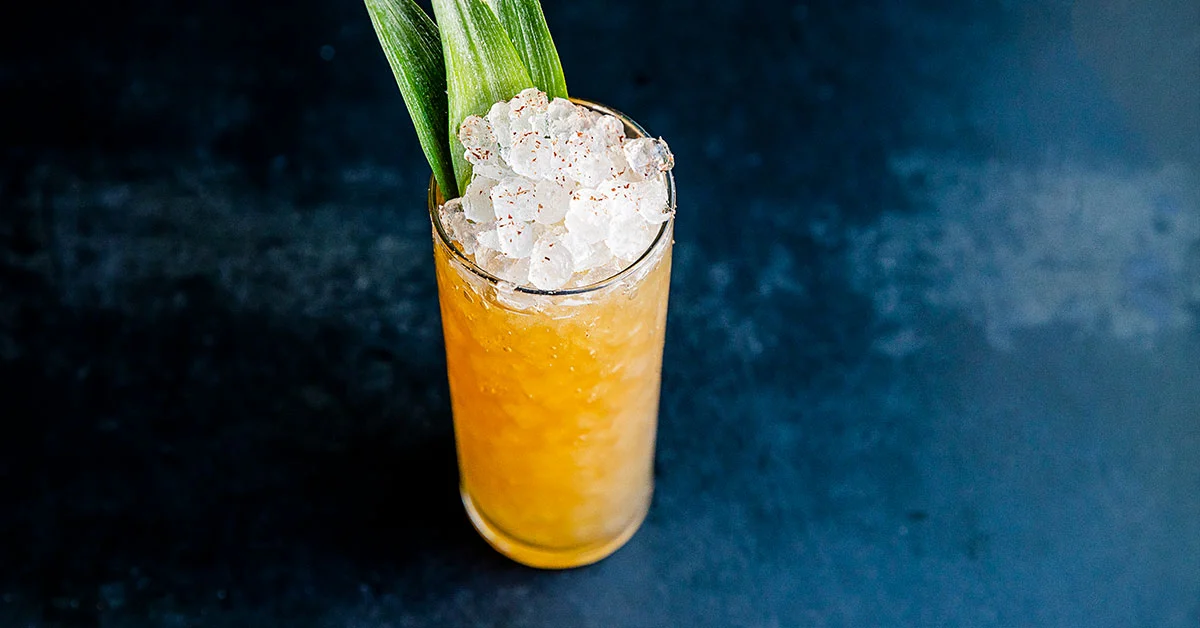
 Reynand Wu
 Ammar Sabilarrohman
 Azzam Bilal Chamdy
The quick-service restaurant (QSR) industry, often viewed as a monolith of price sensitivity, is currently navigating a profound psychological shift. According to the latest Q1 2026 trend report from Revenue Management Solutions (RMS), the sector is experiencing a "value-indulgence paradox." While the broader economic climate continues to exert pressure on consumer wallets, forcing a collective tightening of belts, a distinct segment of the population is simultaneously driving growth through strategic, high-end splurges.
For operators, this presents a complex challenge: how to maintain a reputation for affordability while capturing the discretionary income of younger diners who demand premiumization in specific categories.
Main Facts: The New Consumer Dichotomy
The RMS data reveals that the modern diner is no longer a monolith. The core finding of the Q1 2026 report is that while value remains the primary driver for total restaurant visits, it is no longer the sole determinant of what happens at the point of sale.
Instead, consumers are increasingly engaging in "bifurcated spending." They are aggressively hunting for base-level value—often through mobile app deals or bundle pricing—while simultaneously allocating their remaining budget toward "premium add-ons." These include higher-quality protein options and sophisticated beverage categories.
This trend is not distributed evenly across age demographics. The primary engine behind this shift is the Millennial and Gen Z cohort. Unlike older generations, who are currently pulling back on their dining frequency in response to inflationary concerns, these younger groups are actually increasing their visits. By leveraging a "value-first, treat-second" mentality, they are effectively sustaining the QSR sector’s growth even as foot traffic stagnates among Baby Boomers and Gen X.
A Chronology of the 2026 Shift
To understand how we arrived at this current landscape, one must look at the progression of the QSR market over the last 18 months:
- Q3–Q4 2025: The industry saw a "value fatigue" set in. As menu prices stabilized after years of rapid inflation, consumers became increasingly resistant to standard price hikes. Operators responded by leaning heavily into value menus and aggressive discounting.
- January 2026: As the new year began, data indicated that while discounting drove traffic, it severely eroded margins. Brands that relied solely on deep discounts found themselves in a "race to the bottom" that failed to build long-term brand loyalty.
- February 2026: A secondary trend emerged: "The Protein Push." Brands that introduced higher-quality protein options (premium cuts, grass-fed labels, or increased portion sizes) saw unexpected success. Consumers weren’t just buying food; they were buying nutritional value.
- March 2026: The beverage category underwent a transformation. The introduction of functional drinks—prebiotic sodas, adaptogenic teas, and vitamin-enhanced refreshers—moved from a niche market trend to a mainstream demand. This shift solidified the "indulgence" aspect of the paradox, as consumers proved willing to pay $4.00 to $6.00 for a specialty drink that felt like an investment in their health rather than just a sugary accompaniment to a meal.
Supporting Data: The Anatomy of the Spend
The RMS research, which surveyed 850 consumers, provides granular evidence of this behavior. The numbers highlight a significant shift in consumer psychology:
The Protein Premium
Data shows that nearly 50 percent of Millennials are willing to pay a premium for meals that explicitly highlight high-quality or increased protein content. For these diners, protein is seen as the "anchor" of the meal, justifying a higher price point even within a fast-food environment.
The Beverage Revolution
Perhaps the most striking data point concerns the specialty beverage sector. Nearly 80 percent of consumers surveyed are now aware of functional beverage categories such as prebiotic sodas. More importantly, nearly half of all guests surveyed stated they would be willing to pay a premium for these options.
Currently, 28 percent of those surveyed reported ordering a specialty beverage at least once per visit. When combined with the fact that these items carry significantly higher profit margins than standard fountain soda, the implications for QSR profitability are massive.
Frequency and Demographics
While the broader market has seen a retraction in spending, the frequency of visits among Gen Z and Millennials has defied the trend. This suggests that for these generations, the QSR visit is not merely a utility—it is a lifestyle choice. By segmenting their budget to allow for premium upgrades, they are successfully navigating the high cost of living while still enjoying the "small luxuries" that the QSR experience provides.
Official Perspectives: Expert Analysis
Richard Delvallée, Senior VP of Consulting Services at Revenue Management Solutions, has been at the forefront of analyzing these shifts. In his assessment of the Q1 data, he noted that the behavior of younger consumers is the single most important indicator for future market success.
"These two generations are also the ones increasing their restaurant frequency in 2026, even as the broader market pulls back," Delvallée stated. "They are the architects of the modern QSR strategy."
Delvallée’s insights suggest that operators who fail to provide a "premium path" within their menu architecture are effectively alienating the most active segment of their customer base. The key, according to his analysis, is not to raise the price of everything, but to create "choice architecture" where the base meal remains affordable, but the upgrades—the proteins and the functional drinks—offer a compelling enough value proposition to justify the splurge.
Implications: The Future of QSR Strategy
For stakeholders, investors, and operators, the 2026 Q1 data provides a roadmap for the next decade of restaurant operations.
1. Menu Architecture and "The Ladder"
Brands must implement a "value-to-premium ladder." This involves keeping the entry-level menu competitive to ensure foot traffic, while simultaneously introducing "hero" products that emphasize protein and health-focused ingredients. The goal is to move the customer up the ladder during the transaction process.
2. The Functional Beverage Opportunity
The success of prebiotic sodas and other functional drinks suggests that the era of "fountain soda as a default" is ending. QSRs that partner with trendy, wellness-oriented beverage brands will likely capture the younger demographic more effectively than those sticking to traditional carbonated sugar-water options.
3. Precision Marketing
Because Millennials and Gen Z are the primary drivers of this growth, marketing efforts must be hyper-targeted. Generic "value" advertising is becoming less effective. Instead, messaging should focus on the "upgrade experience"—emphasizing the protein quality, the functional benefits of the beverages, and the customization options that define the modern premium QSR visit.
4. Navigating the Economic Divide
It is critical to remember that the "value-indulgence paradox" only exists for those with the discretionary income to indulge. Brands that lean too far into premiumization risk alienating the lower-income demographic, which remains highly price-sensitive. The most successful brands in 2026 will be those that maintain a "bifurcated menu"—a menu that speaks to the bargain hunter on the left side of the page and the "health-conscious splurger" on the right.
Conclusion
The first quarter of 2026 has served as a wake-up call for the QSR industry. The traditional model of "cheap food for everyone" is rapidly being replaced by a more nuanced approach. Younger consumers have proven that they are willing to spend, provided the offering feels personalized, healthier, and worth the price.
As the industry moves through the remainder of the year, the winners will be the brands that can successfully balance the austerity of a tight economy with the consumer’s human desire for a treat. The paradox of value and indulgence is not a hurdle; it is the new frontier of the modern dining experience. By leaning into protein-rich offerings and the burgeoning category of functional beverages, QSRs can ensure they remain not just a convenience, but a vital part of the Millennial and Gen Z lifestyle.


 Pevita Pearce