 Raul Delapena Setiawan
 Ammar Sabilarrohman
 Lina Irawan
 Suro Senen
 Nana Wu
In the sprawling urban landscape of south Dublin, a 38-acre sanctuary offers a radical alternative to the digital, disconnected nature of modern life. Airfield Estate, a working organic urban farm, research hub, and heritage site, has evolved into much more than a scenic attraction. It is a "living classroom"—a transformative space where the complexities of food production, ecological stewardship, and Irish history converge.
As Ireland grapples with the dual pressures of climate change and rapid urbanization, Airfield Estate stands as a testament to the power of place-based education. By bridging the gap between the soil and the plate, the estate is not merely teaching visitors about agriculture; it is fostering a profound cultural shift in how we relate to the land that sustains us.
A Legacy of Philanthropy and Stewardship
The story of Airfield is inseparable from the vision of the Overend sisters. In 1974, these philanthropic pioneers gifted the estate to the Irish people, ensuring that their family home would remain a permanent fixture for community engagement. Their foresight provided the foundation for a unique educational model rooted in the belief that land should serve the public good.
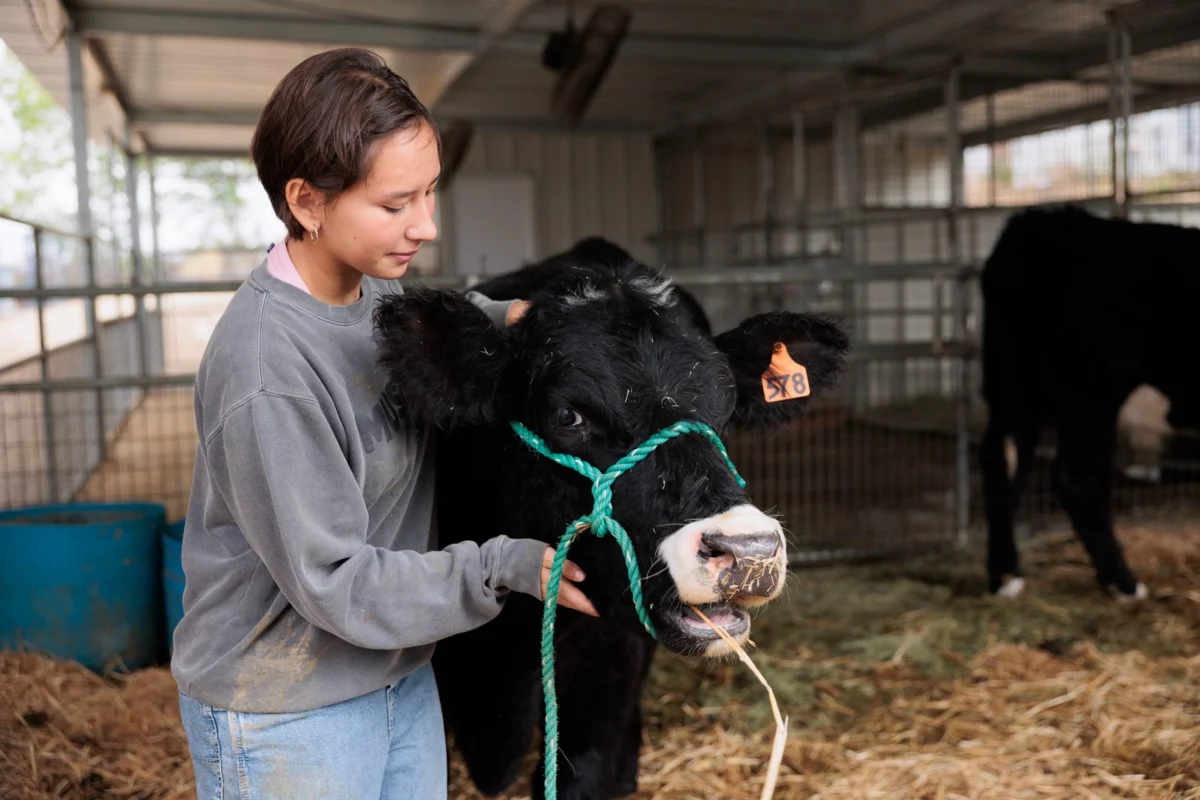
Today, the estate functions as a microcosm of sustainable agriculture. Through hands-on experiences—ranging from milking cows and composting food waste to managing agroforestry—Airfield invites people of all ages to move beyond the passive consumption of goods and toward active, informed participation in their own food systems.
The Disconnection of the Modern Era
Despite Ireland’s profound agrarian identity, the contemporary Irish relationship with food is fraught with contradiction. While the nation’s history is defined by the rhythm of the seasons and the toil of the smallholder, fewer than 4% of the current workforce is directly involved in primary agriculture.
This professional shift has been accompanied by a sociological one. Modern households, increasingly reliant on ultra-processed, convenience-based diets, have lost the "food literacy" that was once a staple of every Irish home. This disconnection is not merely a matter of culinary preference; it is an economic and ecological crisis. Irish agricultural policy has, for decades, prioritized volume and export scale over biodiversity and soil health. The result is a society that is increasingly climate-vulnerable and physically alienated from the ecosystems that provide its sustenance.
The Weight of History: Food, Trauma, and Memory
To understand the significance of Airfield’s work, one must acknowledge the "long psychological shadow" cast by the Great Famine (1845–1852). In Ireland, food is never just a commodity; it is a deeply political entity. From the devastating crop failures of the 19th century to the hunger strikes that defined the struggle for independence, food has been a central pillar of the Irish national consciousness.
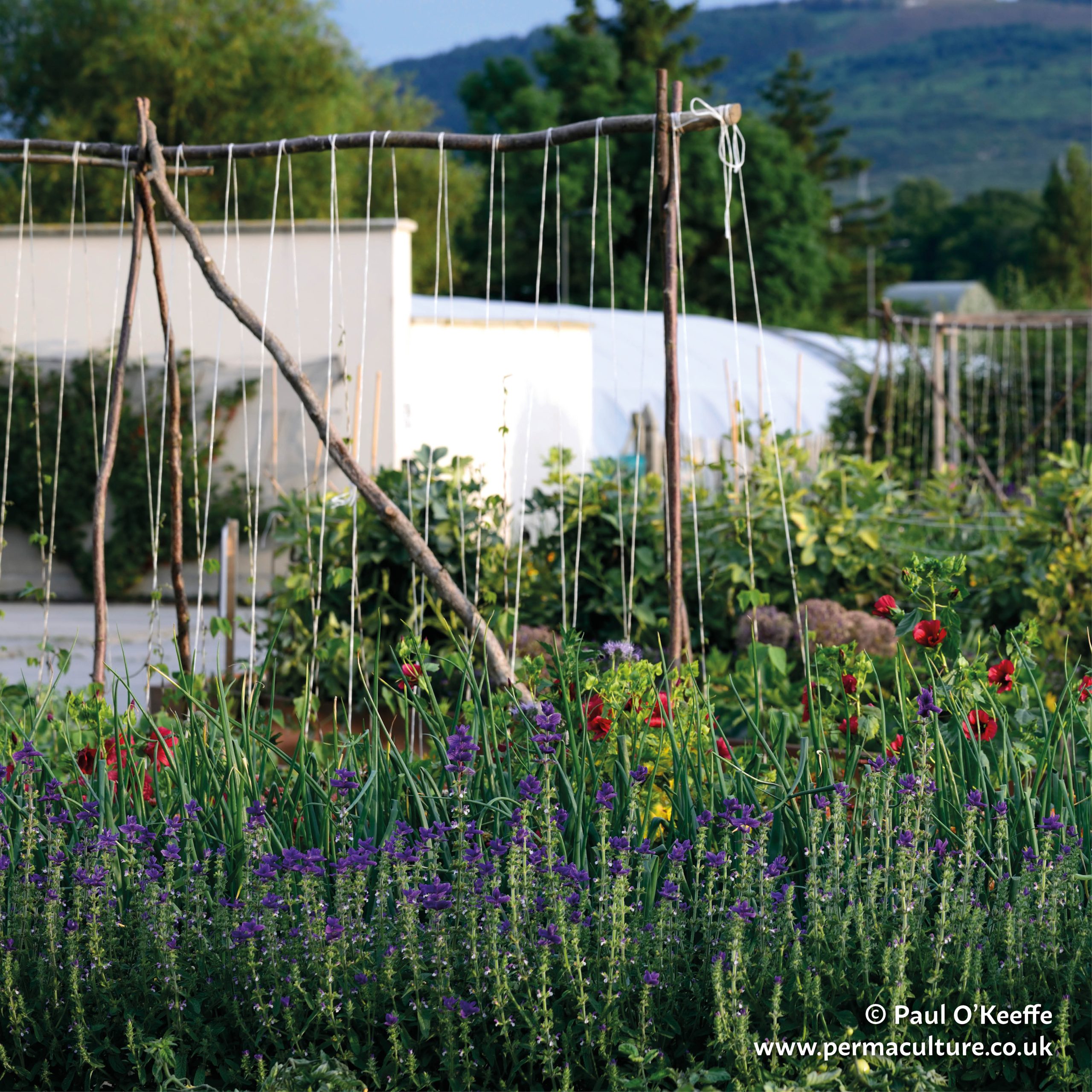
Living classrooms provide a vital space for processing this collective trauma. By reclaiming the act of growing food, Airfield allows visitors to engage with history not as a set of static facts, but as a living dialogue. It creates a space where individuals can reckon with the past while imagining a more equitable and food-secure future.
Experiential Learning: Beyond the Textbook
Traditional classroom settings often struggle to convey the urgency of environmental issues. Airfield’s approach is fundamentally different: it is embodied and sensory.
The Ecosystem as a Teacher
Visitors to the estate encounter a thriving community of beings. It is not uncommon to spot badgers, foxes, bats, and frogs across the 38 acres, serving as a reminder that a farm is an ecosystem, not a factory. The estate’s commitment to agroforestry—utilizing native Irish hedging like hawthorn and hazel—demonstrates that even simple boundaries can serve as crucial wildlife corridors.
Technological Integration
Innovation at Airfield is not synonymous with abandoning the old. The estate manages to marry traditional practices—such as crop rotation and soil resting—with cutting-edge climate solutions. The presence of the MyGug anaerobic digester is a primary example. By demonstrating how household food waste can be converted into clean cooking gas and liquid fertilizer, Airfield demystifies the circular economy. It transforms the abstract concept of "sustainability" into a tangible, actionable lesson for every household.
Reviving Heritage in a Changing Ireland
With over 20% of the population now born abroad, Ireland is undergoing a demographic transformation. Airfield Estate recognizes that cultural heritage is a powerful tool for social cohesion.
Food as a Universal Language
The estate’s community gardening projects act as an equalizer. By inviting migrants and long-term residents to work the same soil, share the same harvests, and participate in traditional practices like butter churning, Airfield breaks down linguistic and cultural barriers. In this context, the farm becomes a site of integration, where the "foreign" is familiarized through the universal human act of cultivating life.
The Harvest Festival
Every Autumn, the estate’s Harvest Festival serves as a nexus for this blend of old and new. It is a celebration that honors traditional Irish farming methods while showcasing modern technologies like 4D printing and renewable energy systems. This juxtaposition serves a specific pedagogical purpose: it tells the visitor that progress does not require the erasure of tradition, and that innovation can be both ecologically sound and deeply rooted in the past.
Implications for Policy and Education
The "living classroom" model is currently an outlier in the Irish educational landscape. While outdoor learning is gaining traction, it often suffers from being ad hoc, underfunded, and peripheral to the formal curriculum.
For Ireland to meet its ambitious climate action and biodiversity targets, this must change. Airfield Estate advocates for the systematic integration of living classrooms into national educational strategy. By formalizing partnerships between the state, schools, and community farms, Ireland could create a robust network of "delivery sites" for sustainability education.
The implications of such a shift are profound:
- Public Health: Improved food literacy leads to better dietary choices and reduced reliance on processed foods.
- Social Cohesion: Shared agricultural spaces provide a neutral, productive ground for diverse communities to interact.
- Mental Well-being: Environmental psychology consistently demonstrates that direct interaction with nature reduces stress and fosters a sense of stewardship.
- Climate Resilience: A population that understands soil health and biodiversity is better equipped to support the shift toward regenerative farming practices.
Toward a Rooted Future
As the world faces an increasingly volatile environmental future, the model pioneered by the Overend sisters offers a roadmap for resilience. Airfield Estate is a rejection of the idea that we are merely observers of the natural world. Instead, it posits that we are active participants, responsible for the health of our soil, the diversity of our hedgerows, and the sustainability of our food systems.
The power of the living classroom lies in its ability to transform education from the transmission of information into a process of transformation. By drawing on the wisdom of the past—the traditional ecological knowledge that kept the land fertile for centuries—and marrying it to the technological imperatives of the 21st century, Airfield Estate is doing more than just farming. It is planting the seeds for a more just, connected, and sustainable Ireland.
As we look toward the future, the lessons learned at Airfield are clear: our survival depends on our ability to reach back into the earth, literally and metaphorically, and reclaim our role as stewards of the landscape. Education, when grounded in the soil, becomes the most powerful tool we have for survival.
Dr. Paul O’Keeffe serves as the Head of Education and Research at Airfield Estate, leading the initiative to integrate ecological literacy into the heart of the Irish public consciousness.

 Sagoh
Sagoh