 Dwi Wanna
 Nana Wu
 Muslim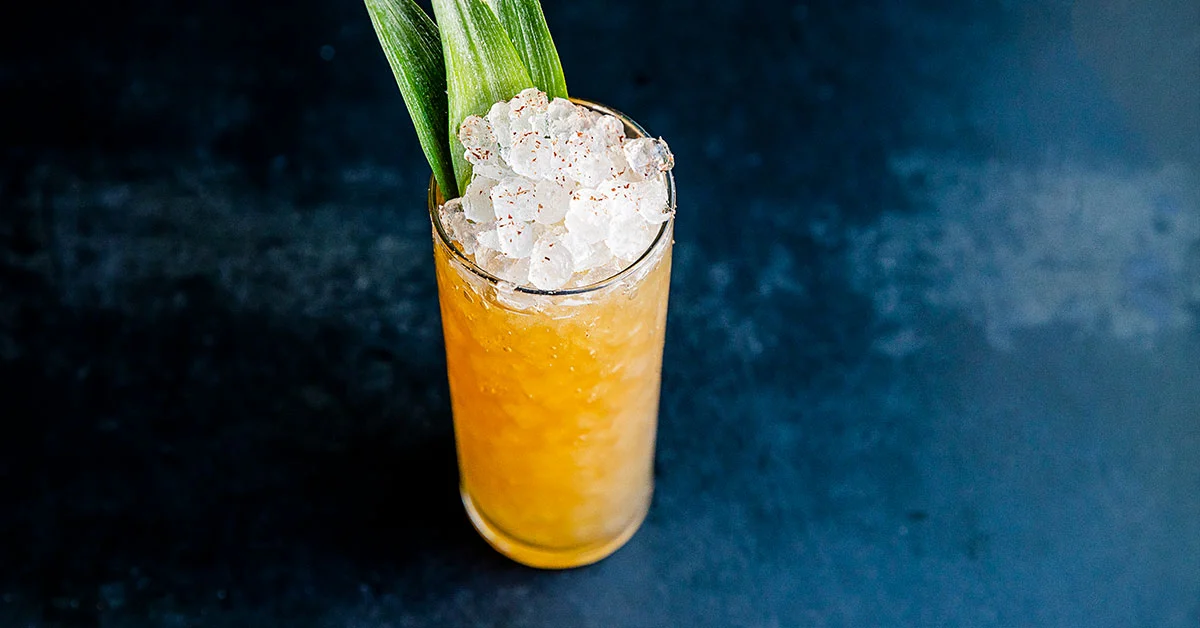
 Reynand Wu
 Ammar Sabilarrohman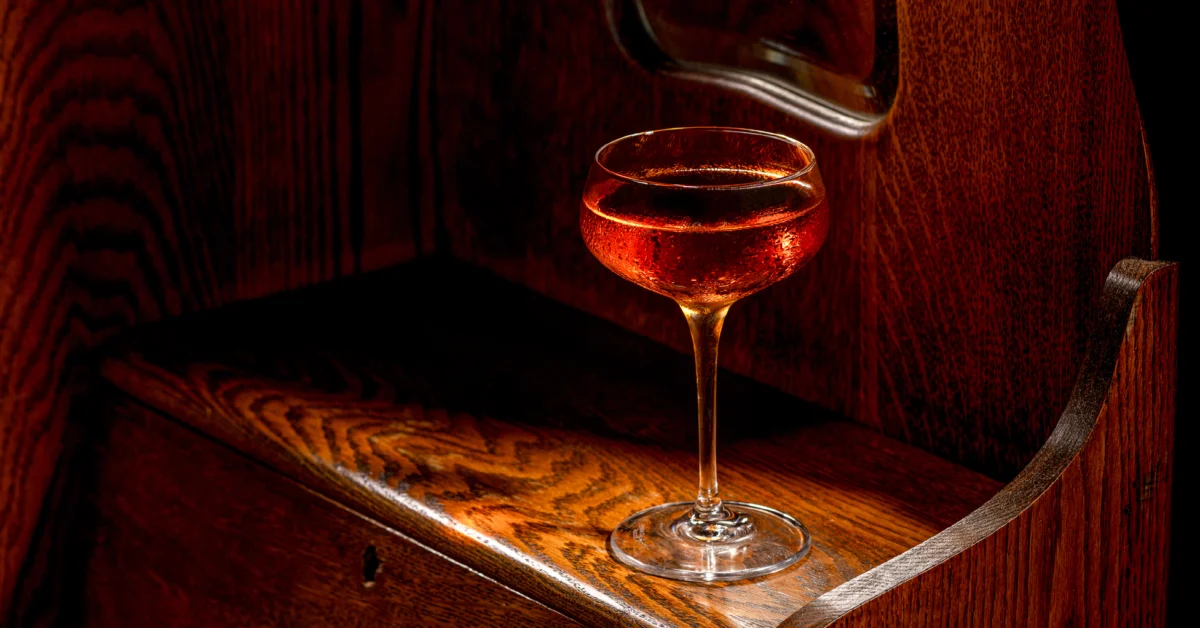
The story of the global cocktail scene over the last decade is, in many ways, the story of mezcal. Once relegated to the dusty back shelves of dive bars or misunderstood as a "tequila with a worm," this ancestral Mexican spirit has undergone a meteoric rise. Today, it is a cornerstone of the modern mixology canon, favored by bartenders for its profound complexity and its ability to lend a savory, smoky, and earthy depth to drinks that have long been defined by more neutral bases like vodka or gin.
With U.S. consumer spending on mezcal and tequila surging—recording a staggering 53 percent value growth in 2021 alone—the spirit has transitioned from a niche curiosity to a powerhouse of the spirits industry. This shift is not merely a trend; it represents a fundamental change in the way consumers perceive agave, prioritizing terroir, craftsmanship, and the raw, unadulterated expression of the plant.

A Chronology of the Agave Takeover
The ascent of mezcal did not happen overnight. Its trajectory mirrors the broader "craft cocktail" movement that began in the early 2000s, which emphasized fresh ingredients and a return to pre-Prohibition classics.
- Early 2000s: Mezcal begins appearing in high-end, agave-focused bars in major cities like New York, San Francisco, and London. It was primarily consumed neat, treated with the reverence of a fine scotch.
- 2010–2015: The "Modern Classic" era. Influential bartenders began experimenting with substituting mezcal into standard templates. The Oaxaca Old-Fashioned, a seminal creation, proved that mezcal could stand up to—and even improve upon—the structural integrity of a whiskey-based drink.
- 2016–2020: The "Mezcal Explosion." As the spirit gained wider distribution, it moved from the back bar to the cocktail menu at nearly every reputable establishment. It became the go-to spirit for riffs on the Margarita, the Negroni, and the Martini.
- 2021–Present: The era of sophisticated simplicity. As mezcal has become a staple, the focus has shifted toward minimalist recipes. Bartenders are now leaning into high-quality, simple pairings—like coconut water or high-end amaros—to let the spirit shine without masking its nuanced flavor profile.
The Data Behind the Smoke
The financial data supports what any frequent patron of a modern bar already knows: mezcal is a goldmine. The 53 percent growth in U.S. spending in 2021 highlighted a shift in consumer behavior. Analysts suggest this is driven by a "premiumization" effect. Unlike the mass-market tequila brands that dominated the 1990s, mezcal is marketed through its artisanal, small-batch production methods.

Market research indicates that the average mezcal consumer is younger, more affluent, and increasingly interested in the provenance of their drink. This demographic is willing to pay a premium for "wild-harvested" agave or expressions distilled in clay pots, further driving up the value of the category despite lower volume compared to global giants like vodka or bourbon.
Understanding the Spirit: A Technical Perspective
To appreciate why mezcal works so well in cocktails, one must understand the production process. Unlike tequila, which is strictly regulated and primarily made from Blue Weber agave, mezcal can be produced from over 30 varieties of agave, many of which are wild-harvested.

The heart of the plant, the piña, is roasted in earthen pits, which imparts the signature smokiness that defines the spirit. However, the best mezcals offer far more than just "smoke." Depending on the agave variety and the region (Oaxaca, Durango, Guerrero, etc.), one can find notes of leather, damp earth, tropical fruit, saline, and cracked black pepper. This wide spectrum of flavors makes it a "Swiss Army knife" for mixologists.
The Art of the Easy Mezcal Cocktail
The beauty of modern mezcal mixology lies in its restraint. Because the spirit is so bold, it requires very little to make a world-class drink. The following categories represent how current bars are utilizing this liquid gold.

The Highball Refresh
The Snake Eyes—a brilliant marriage of mezcal and coconut water—is a perfect example of how the spirit interacts with lighter, hydrating ingredients. By replacing the traditional Scotch with mezcal, the drink gains a tropical, nutty depth that feels modern and accessible. Similarly, the Lefty’s Fizz from San Francisco’s ABV highlights how a simple addition of seltzer can "fluff up" the smoke, creating a refreshing, high-volume drink that remains complex.
The Bitter & The Bold
For those who prefer a more assertive profile, the Fumata Bianca and the Guillotine showcase the spirit’s versatility in bitter, stirred drinks. The Guillotine, a dry, mezcal-forward Manhattan, utilizes the dark, vegetal notes of Cynar to provide a backbone that holds up against the intensity of the mezcal. It is a lesson in balance: the sugar in the amaro tames the fire of the alcohol, while the smoke elevates the bitterness of the artichoke-based liqueur.

The Modern Margarita
The Employees Only Mezcal Margarita and the I’m on Fire (a spicy, Cholula-spiked creation) illustrate the most common entry point for the casual drinker. By swapping tequila for mezcal, the Margarita gains a "grown-up" edge. It is no longer just a party drink; it is a savory, complex libation that demands to be sipped.
Implications for the Industry
The rapid rise of mezcal has not come without challenges. The environmental impact of wild-harvesting agave has become a hot-button issue in the industry. As demand outstrips supply, producers are facing pressure to ensure the sustainability of their crops.

Industry leaders and organizations are responding by implementing "agave replanting" programs and promoting the use of cultivated agave varieties to protect the wild populations. Furthermore, there is an ongoing push for transparency in labeling, ensuring that consumers know exactly where their bottle comes from and how it was produced.
The implication for the average drinker is clear: the market is becoming more curated. Cheap, mass-produced mezcal is increasingly being squeezed out by brands that emphasize traditional, sustainable methods. This is a win for the consumer, as it ensures that the "mezcal high" is achieved with a product that respects the history and the land from which it came.

A Future in Flux
As we look toward the future, the role of mezcal in the global spirits market seems secure. It has successfully moved from a regional specialty to a global icon. Yet, the next phase of its evolution will likely be defined by "modern classics"—drinks that don’t just use mezcal as a substitute for something else, but that are designed specifically to showcase its unique chemical makeup.
From the floral notes of a hibiscus-raspberry infusion in an Ocho (a riff on the West Texas Ranch Water) to the sophisticated, layered complexity of the Lust for Life—which uses pineapple and orgeat to bridge the gap between tropical tiki and smoky agave—the creativity is boundless.

Whether you are a seasoned connoisseur or someone just beginning to explore the world of spirits, mezcal offers an invitation. It is an invitation to taste the landscape of Mexico, to appreciate the patience of a decade-long maturation process, and to enjoy a cocktail that is, quite simply, more interesting than the rest.
As you embark on your own journey with these simple, ingredient-forward recipes, remember: the best cocktail is not the one with the most ingredients, but the one that allows the spirit to tell its own story. So, grab a bottle, a glass, and perhaps a slice of orange with some sal de gusano, and participate in the ongoing renaissance of one of the world’s most fascinating spirits.

 Iffa Jayyana