 Dwi Wanna
 Nana Wu
 Muslim
 Reynand Wu
 Ammar Sabilarrohman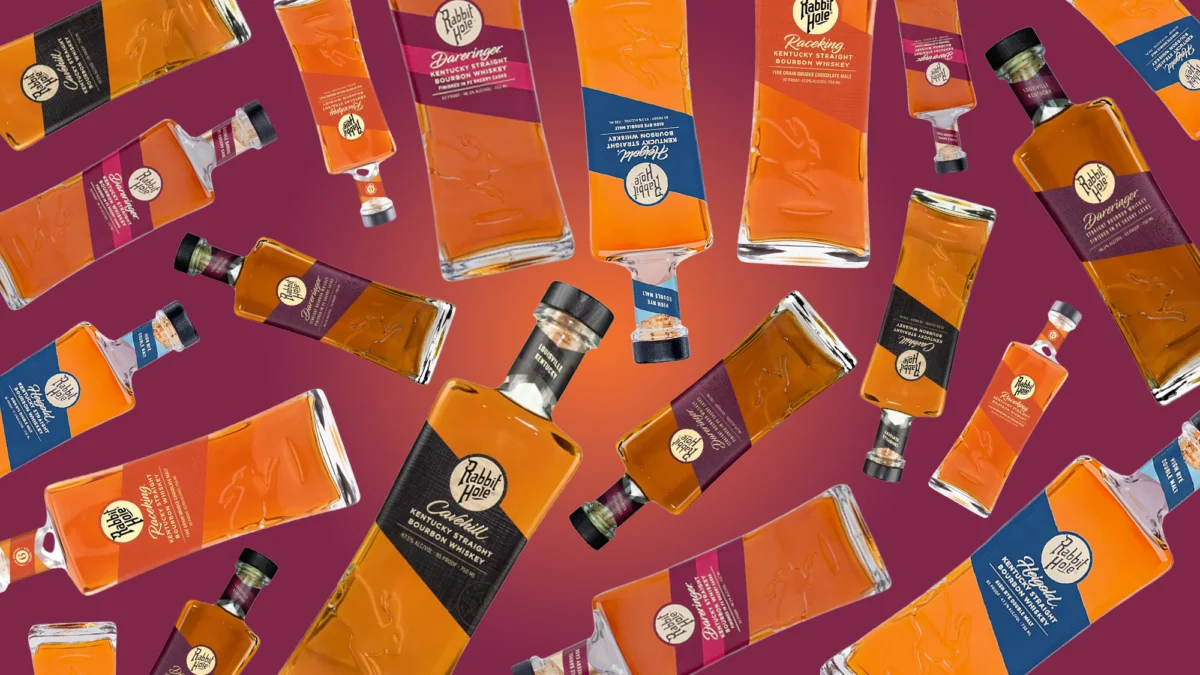
Kentucky bourbon is often viewed through a lens of rigid historical reverence. For decades, the industry has been defined by a deep-seated commitment to tradition, where "classic" is the gold standard and deviation is viewed with skepticism. Yet, in the heart of Louisville—a city that serves as the spiritual epicenter of American whiskey—one producer is actively dismantling the notion that bourbon must be static. Rabbit Hole Distillery, founded by Kaveh Zamanian, has emerged as a vanguard of the modern whiskey movement, proving that one can respect the rigorous regulations of the spirit while simultaneously pushing the boundaries of what it can taste like.
The Philosophy of Possibility: A New Era for Kentucky Spirits
At the core of Rabbit Hole’s identity is the belief that heritage should be a foundation, not a cage. While the legal requirements for bourbon remain strict—a minimum of 51 percent corn, new charred oak aging, and no added flavorings—Zamanian posits that the remaining 49 percent of the mash bill represents a frontier of untapped potential.
This "rebel with a cause" mentality is not merely a marketing gimmick; it is the structural framework of their production. By experimenting with unique grain recipes and unorthodox finishing techniques—ranging from ex-sherry casks to rare Japanese Mizunara oak—Rabbit Hole is inviting a new generation of drinkers into the fold. They are not merely selling a liquid; they are selling a perspective that honors the soul of American whiskey while demanding more from its flavor profile.
Chronology: From Tehran to the Bluegrass State
The trajectory of Rabbit Hole is inextricably linked to the journey of its founder. To understand the distillery, one must understand the unconventional path taken by Kaveh Zamanian.
1979: The Departure
Zamanian’s journey began in Tehran, Iran. Amid the turmoil of the 1979 revolution, he fled his homeland as a teenager, seeking refuge in the United States. This period of displacement instilled in him a nomadic spirit and a profound appreciation for reinvention—a theme that would later define his business career.
The Formative Years
Following his arrival in the U.S., Zamanian lived a life of geographic and professional fluidity. From the sun-drenched landscapes of Southern California to the arid heat of Phoenix, and eventually the bustling urban centers of New York and Chicago, he accumulated a diverse range of experiences. Professionally, he spent years as a clinical psychologist, a role that required deep listening and an analytical approach to human nature—skills he would eventually translate into the art of distillation.
2012: The Vision Takes Root
Despite having no formal background in the spirits industry, Zamanian’s first visit to Kentucky acted as a catalyst. Captivated by the history and the craft, he made the decision to pivot entirely. In 2012, he founded Rabbit Hole in Louisville. The name itself is a nod to his own life: a leap of faith into the unknown, a "rabbit hole" of discovery that defied his previous career trajectory.
2018: The Distillery Opens
After years of refining recipes and operating as a non-distilling producer (NDP), the brand opened its state-of-the-art distillery in the Nulu district of Louisville. This facility was designed not just for production, but as an architectural statement—a glass-walled sanctuary that signaled a transparent, modern approach to a notoriously opaque industry.
Supporting Data: The Anatomy of Innovation
The appeal of Rabbit Hole among professional bartenders and discerning collectors is rooted in the tangible data of their production methods. Unlike many legacy brands that rely on massive industrial stills, Rabbit Hole focuses on precision.
Mash Bill Composition
While traditionalists often stick to high-rye or wheated recipes, Rabbit Hole utilizes custom grain profiles. By increasing the percentage of malted grains, they introduce a texture and creaminess that is rarely found in mass-market bourbons. This shift alters the spirit’s viscosity and mouthfeel, creating a profile that stands up well both neat and in complex cocktails.
Finishing Techniques
The use of Japanese Mizunara oak is perhaps the most significant data point in the brand’s technical history. Mizunara is notoriously difficult to work with; it is porous, prone to leaking, and requires longer aging times to impart its characteristic notes of sandalwood, coconut, and spice. Rabbit Hole’s willingness to risk losing product to evaporation in pursuit of these specific flavor compounds demonstrates a commitment to quality over yield—a rarity in a category often obsessed with volume.
Market Penetration
According to recent industry sentiment surveys, Rabbit Hole has consistently appeared on "best of" lists for professional bartenders. This is not incidental. The brand’s flavor profile—characterized by a balance of traditional sweetness and modern, dry finish—makes it a versatile tool for mixology, effectively bridging the gap between historical whiskey and contemporary craft cocktails.
Official Responses and Industry Reception
The industry’s reaction to Rabbit Hole has been one of curiosity followed by widespread adoption. In interviews, Zamanian has consistently framed his approach as a dialogue with the past. "We aren’t trying to fix bourbon," he has noted. "We are trying to see how much more it can say."
Critics who once questioned the viability of a "psychologist-turned-distiller" have largely been silenced by the brand’s success in competitive spirits rankings. Furthermore, the distillery’s move to embrace transparency—publicly discussing their grain sourcing and barrel management—has put pressure on legacy producers to be more open about their own sourcing practices.
From a regulatory perspective, Rabbit Hole has remained strictly within the "Bourbon" designation. By choosing to innovate within the legal boundaries rather than outside of them, they have earned the respect of the Kentucky Distillers’ Association, proving that one does not need to abandon the rules to change the game.
The Implications: A Shift in the Bourbon Identity
The rise of Rabbit Hole signifies a broader maturation of the American whiskey market. For decades, the consumer base was static, often loyal to a single brand for a lifetime. Today’s consumer is more investigative, educated, and willing to pay a premium for a "story."
The "Craft" Evolution
Rabbit Hole’s success implies that the "Craft Bourbon" label is no longer just about size or location; it is about the philosophy of production. As more distillers enter the market, the ones who survive will be those who can demonstrate a unique voice. Rabbit Hole has successfully articulated that voice through:
- Elevated Sensory Profiles: Moving away from the singular "sweet/vanilla" note common in entry-level bourbons toward more complex, savory, and aromatic profiles.
- Modern Aesthetics: The brand’s packaging and distillery architecture appeal to a demographic that values design as much as liquid quality.
- Experimental Cask Management: Setting a precedent for the use of global wood influences, which has since been adopted by other boutique distilleries across the U.S.
The Legacy of the Outsider
Perhaps the most significant implication of Rabbit Hole’s success is the validation of the "outsider" perspective. By entering the industry without the baggage of generational expectation, Zamanian was able to approach the mash bill with a blank slate. This has opened the door for a new wave of entrepreneurs who see the American whiskey industry not as a closed club, but as a living, breathing landscape of infinite possibility.
Conclusion: The Road Ahead
As the bourbon industry continues to expand, the divide between "traditionalist" and "modernist" producers will likely narrow. Legacy brands are beginning to experiment with cask finishes and unique grains, often following the trail blazed by innovators like Rabbit Hole.
Kaveh Zamanian’s "51 percent corn and 49 percent possibility" mantra serves as a manifesto for the modern era. It suggests that while the history of Kentucky bourbon is etched in stone, its future is still being written. Rabbit Hole Distillery has not only carved a place for itself in the market; it has provided a roadmap for how to honor the past while fearlessly sprinting toward the future. Whether it is through the meticulous selection of wood, the daring experimentation with grain, or the sheer conviction of its founder, Rabbit Hole remains a testament to the idea that in the world of whiskey, the most interesting path is often the one that hasn’t been taken before.

 Iffa Jayyana