

 Dwi Wanna
 Nana Wu
 Muslim
 Reynand Wu
 Ammar Sabilarrohman
 Laily UPN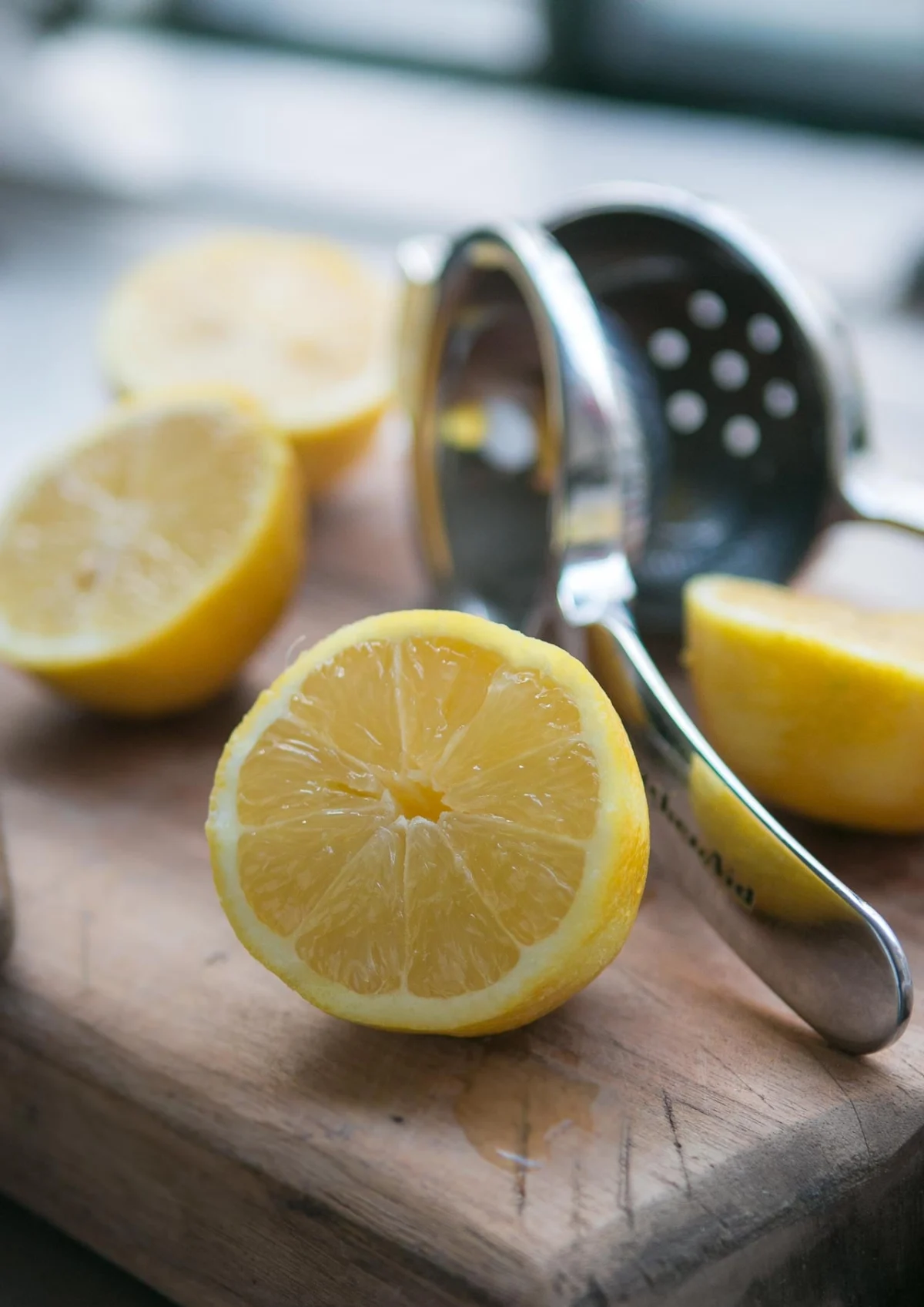
While culinary traditions often categorize citrus as a product of the sun-drenched Mediterranean summer, the reality of the fruit’s peak season tells a different story. Oranges, grapefruits, tangerines, and the quintessential, sharp-edged lemon reach their botanical zenith during the depth of winter. For the discerning home baker, this is a fortuitous alignment; there is arguably no better antidote to the grey malaise of the winter months than the vibrant, electric yellow of a classic French Tarte au Citron.
Main Facts: The Essence of the French Lemon Tart
The Tarte au Citron is more than a mere dessert; it is a foundational pillar of French pastry culture. Found in virtually every boulangerie and pâtisserie lining the streets of Paris, it represents a delicate balance between the bracing acidity of fresh citrus and the rich, crumbly indulgence of a buttery pastry crust.
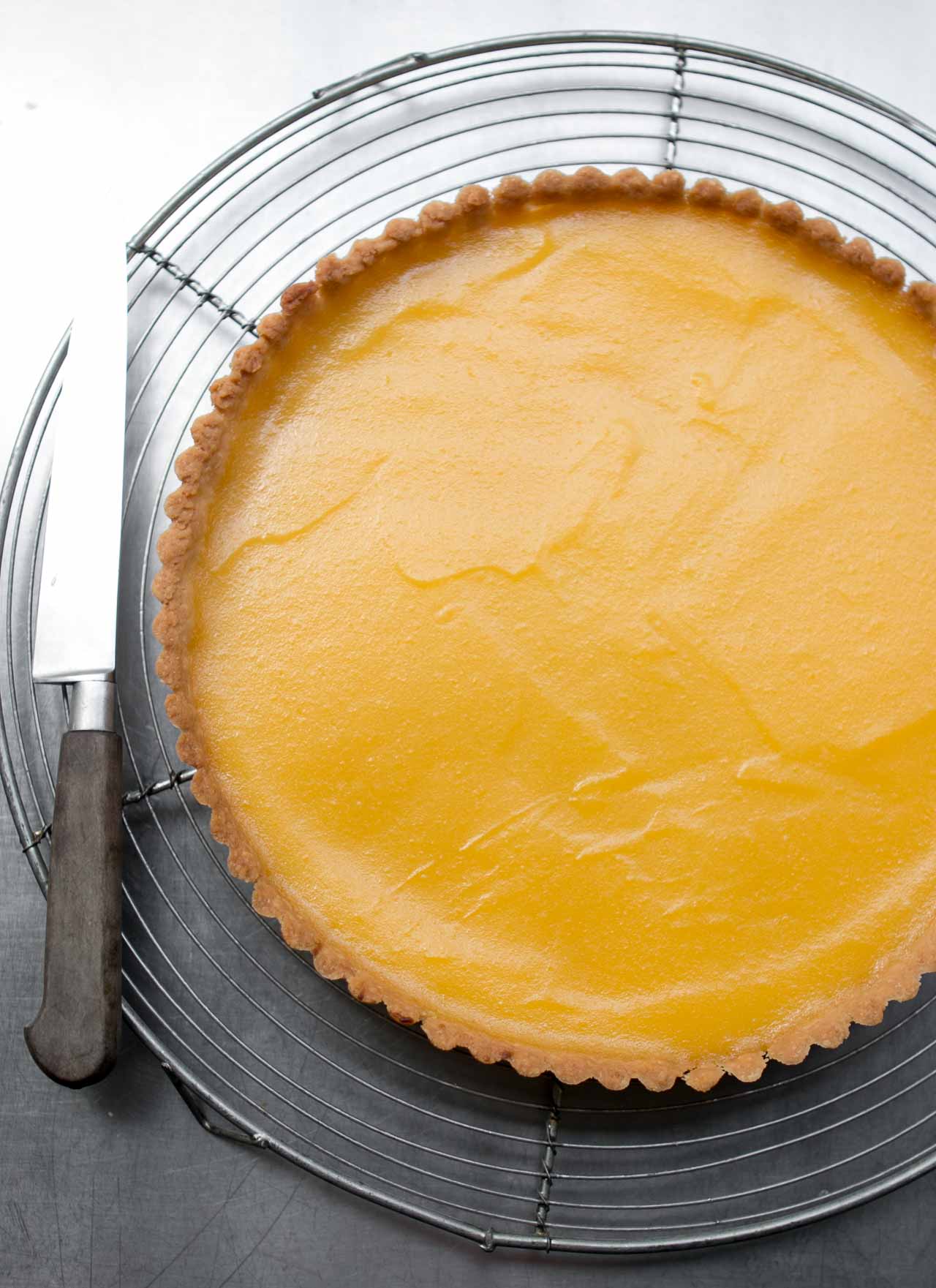
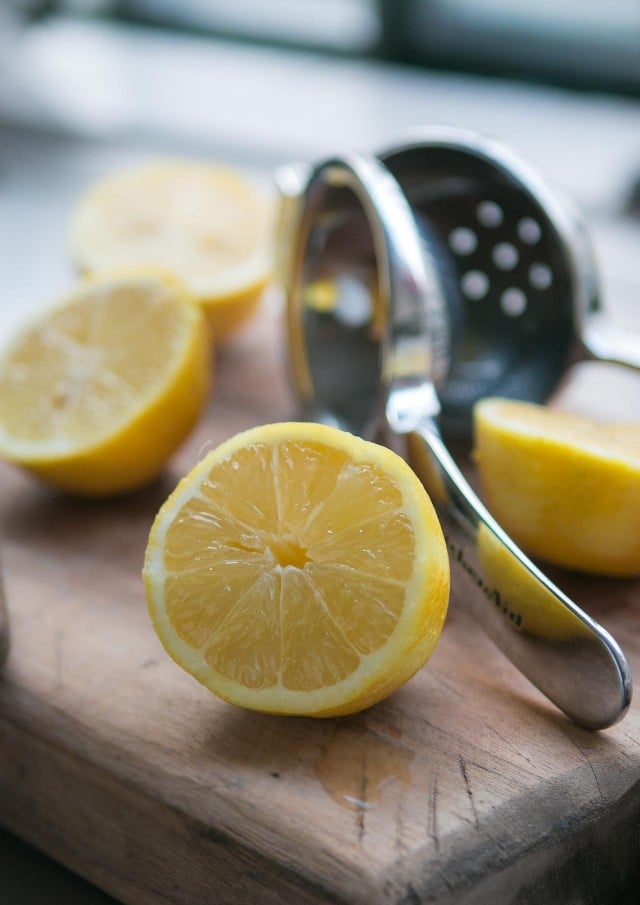
At its core, the dish relies on three primary components: a pâte sucrée (a crisp, sweet shortcrust pastry), a vibrant lemon curd, and—depending on the regional or personal preference—a flourish of garnish. While some iterations lean into a sweeter profile, the true hallmark of a high-quality French lemon tart is a pronounced, unapologetic tartness that cleanses the palate. Achieving this requires the selection of the finest, plumpest, and most juice-heavy lemons available. While French lemons are often the gold standard, the global accessibility of high-quality citrus means that this elegant dessert is no longer the exclusive domain of professional chefs.
Chronology: A Culinary Evolution
The journey of crafting a superior Tarte au Citron is one of deliberate steps, rooted in traditional techniques that prioritize texture and flavor clarity.
The Foundation: The Crust
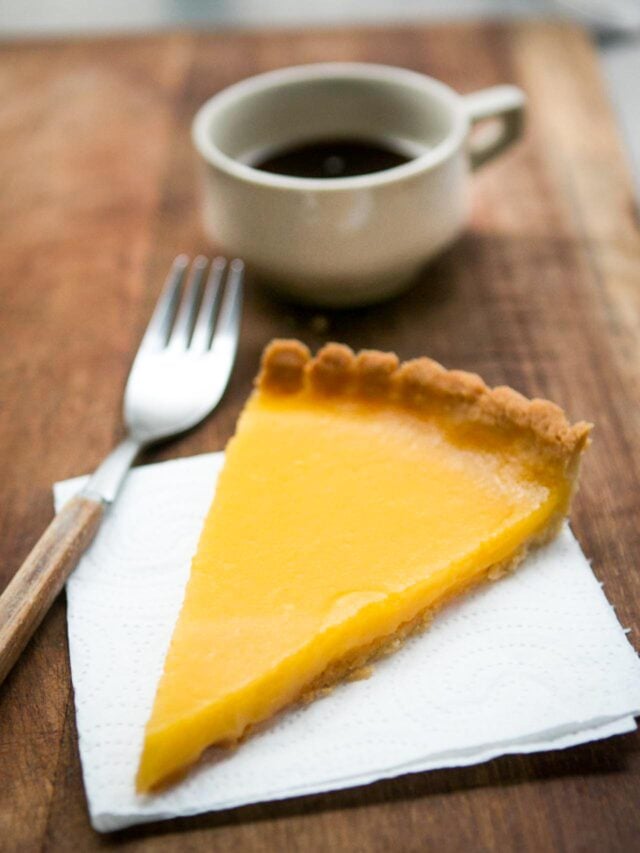
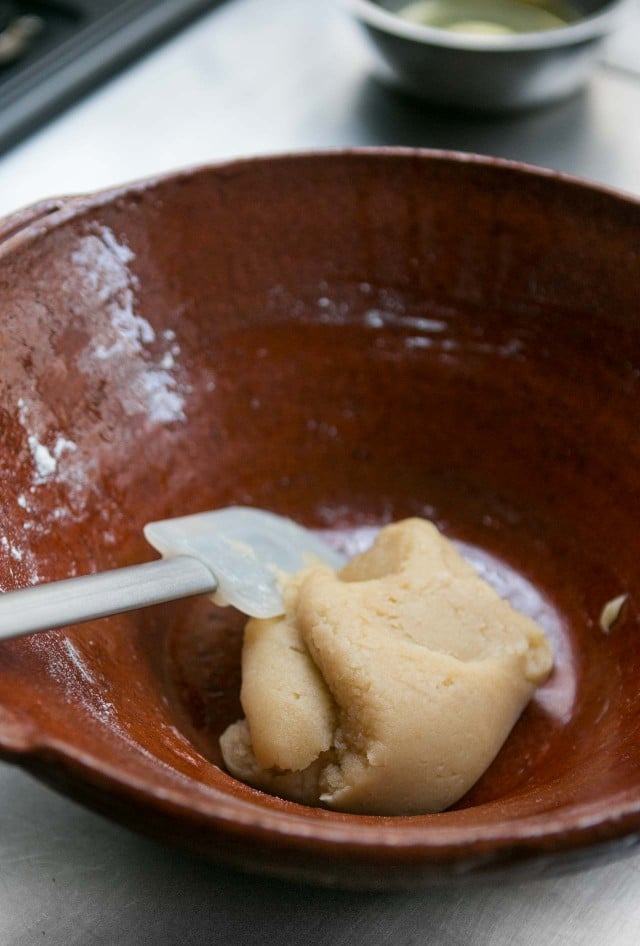
The process begins with the base. Success in pastry work is rarely accidental; it is the result of precision. A reliable pâte sucrée is essential. Many expert bakers rely on long-standing, time-tested recipes—such as the classic French pastry dough—which balances flour, butter, sugar, and egg to create a sturdy yet delicate vessel. The dough is rolled, fitted into a fluted tart pan, and blind-baked until it achieves a pale, golden hue.
The Curd: The Stovetop Transformation
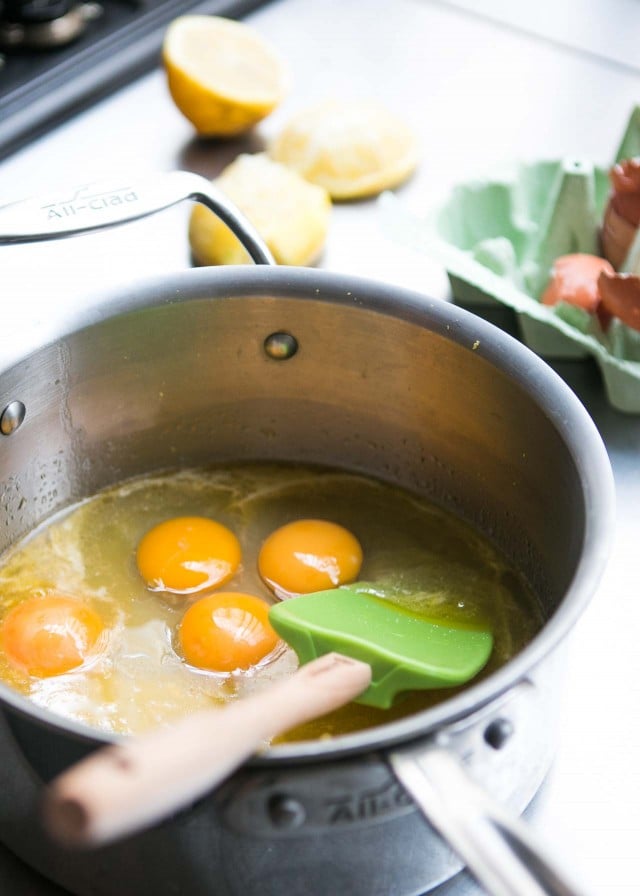
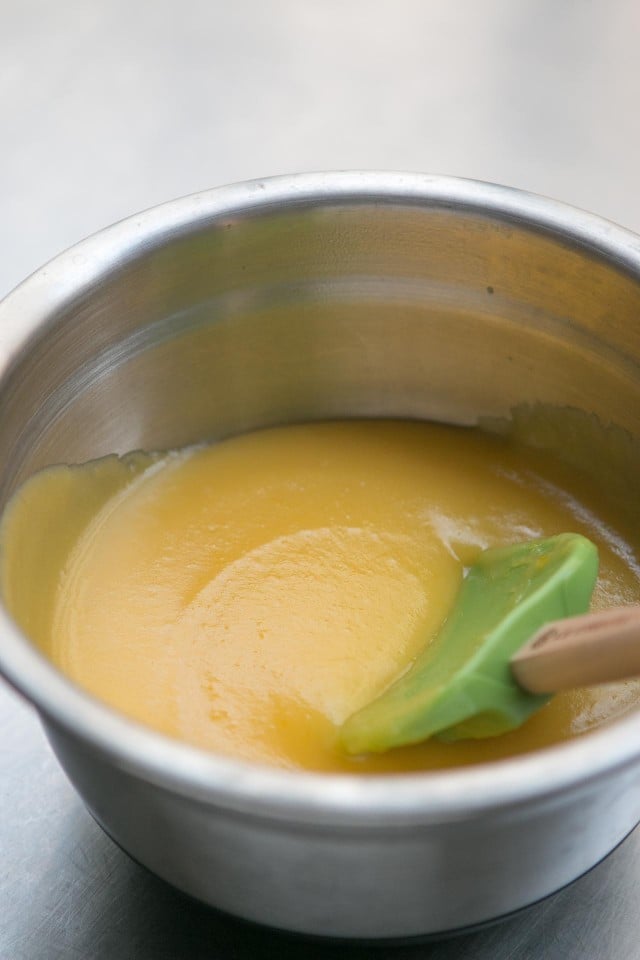
Once the crust is prepared, the focus shifts to the filling. This is the "sunny" heart of the tart. The process involves whisking eggs, sugar, and fresh lemon juice over a gentle heat. The inclusion of fragrant lemon zest is non-negotiable; it provides the essential oils that elevate the flavor from simple acidity to a complex, aromatic profile. As the curd thickens, the chef must monitor the consistency carefully to ensure a glossy, luscious texture.
The Refinement: Straining for Perfection
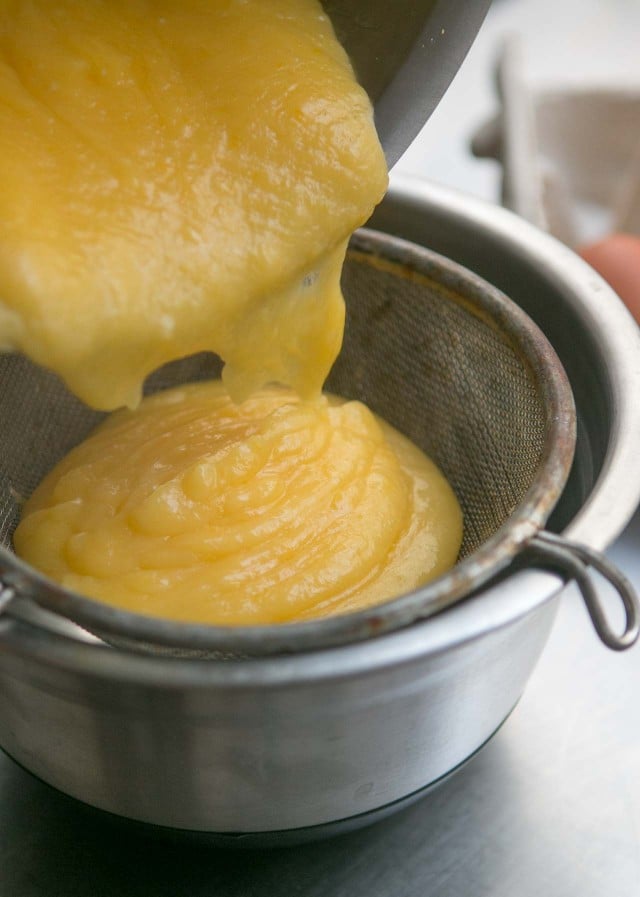
A critical step, often overlooked by novices, is the straining of the warm filling. By passing the curd through a fine-mesh sieve, the baker removes any stray bits of zest or incidental coagulated egg, resulting in a silk-like finish that defines professional-grade patisserie.
The Finishing Touches
Once the filling is poured into the pre-baked shell, the tart must be allowed to cool and set. At this juncture, the baker faces a choice: to decorate or to leave it nature. While some prefer the clean, minimalist look of a plain lemon tart, others opt to enhance it. This may involve piping whipped cream for a lighter, dairy-forward finish, or incorporating meringue—a technique that adds a dramatic, toasted aesthetic.
Supporting Data: Refinements and Modern Adaptations
Modern culinary science and feedback loops have allowed for the iterative improvement of the classic recipe. Recent adjustments to traditional formulas have focused on two primary areas: sugar content and structural integrity.
Balancing the Profile
There has been a notable shift in consumer preference toward lower sugar levels. By dialing down the sugar in the curd, the inherent brightness of the lemon is allowed to shine more prominently. Modern recipes now often suggest a baseline, with the flexibility for the baker to taste and adjust the sweetness by up to a quarter-cup, depending on the specific acidity of the lemons sourced.
Ingredient Variables
- Meyer Lemons: These cross-pollinated fruits, prized for their floral notes and lower acidity, require a reduction in sugar (typically down to 100g) to prevent the filling from becoming cloying.
- Alternative Citrus: For those seeking a variation, fresh lime juice can be substituted with minimal adjustment, offering a punchier, more exotic flavor profile.
- Surplus Management: A common issue for home bakers is the variance in the depth of tart shells, which can lead to leftover curd. This "liquid gold" should never be discarded; it serves as an excellent spread for toast, fresh biscuits, or scones.
Official Perspectives: The Philosophy of the "Nature" Approach
In the world of professional patisserie, there is an ongoing debate regarding the necessity of toppings. While meringues and whipped creams offer visual appeal and texture contrast, many purists argue for the nature approach.
"Nature," in this context, refers to the tart in its unadorned, essential state. The argument is that if the curd is prepared with technical precision and the crust is buttery and crisp, the addition of external toppings only serves to distract from the harmony of the two primary components. When one works with high-quality ingredients, the acidity of the lemon and the richness of the butter should be allowed to stand on their own.
Implications: The Accessibility of Professional Baking
The broader implication of the enduring popularity of the Tarte au Citron is the democratization of high-level baking. With the proliferation of information regarding non-reactive cookware, egg storage techniques, and the science of pastry, the barrier to entry for mastering this dish has effectively collapsed.
Furthermore, the versatility of the recipe suggests a broader trend in home cooking: the move toward "master recipes." By mastering a single, high-quality lemon curd and a reliable pastry dough, a home cook can branch out into endless variations—from lemon verbena ice cream infusions to the incorporation of preserved lemons for savory applications.
Essential Tips for the Modern Baker:
- Use Non-Reactive Cookware: When cooking acidic ingredients like lemon juice, always use stainless steel or glass to avoid a metallic aftertaste.
- Understand Egg Management: Leftover egg whites from the curd-making process need not be wasted. They can be utilized for financiers, meringues, or frozen for future use.
- Temperature Control: Always allow the curd to cool before attempting to pipe or garnish the tart to ensure the structural integrity of the final presentation.
In conclusion, the Tarte au Citron remains a timeless beacon of culinary craft. Whether served as a centerpiece for a winter gathering or enjoyed as a simple, bright afternoon treat, its combination of sharp citrus and rich pastry continues to define the very best of what the kitchen can produce. By focusing on the quality of the base ingredients and adhering to the foundational techniques of French pastry, any cook can bring a piece of a Parisian bakery into their own home.

 Nana Muazin
 Evan Lee Salim