

 Dwi Wanna
 Nana Wu
 Muslim
 Reynand Wu
 Ammar Sabilarrohman
 Suro Senen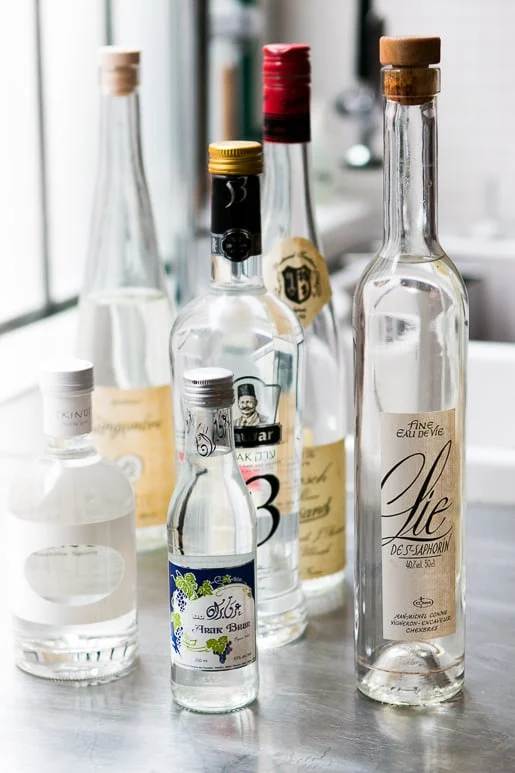
In the pantheon of rustic Italian desserts, few items command as much quiet, steadfast devotion as the Amor Polenta. Despite its name—often mistranslated by starry-eyed travelers as "Polenta Love"—the cake remains a culinary enigma that transcends linguistic misunderstandings. Whether one interprets "amor" as the French-inspired "love" or the more accurate Italian preposition meaning "for the sake of," the result remains the same: a sophisticated, textured, and deeply satisfying cake that challenges the traditional American conception of dessert as a "buttery bomb of richness."
The Main Facts: Defining the Polenta Cake
At its core, Amor Polenta is a testament to the versatility of stone-ground cornmeal. Unlike the sugary, overly leavened cakes found in many commercial bakeries, this Italian staple relies on the structural integrity of polenta and the moisture of ground almonds.
The primary characteristic of a successful polenta cake is its unique crumb. The cornmeal provides a subtle, savory undertone and a gentle crunch that contrasts beautifully with the dense, nutty moisture provided by almond meal. It is a "snacking cake" in the truest sense—unassuming, shelf-stable, and perfectly paired with a morning coffee or an afternoon glass of wine.
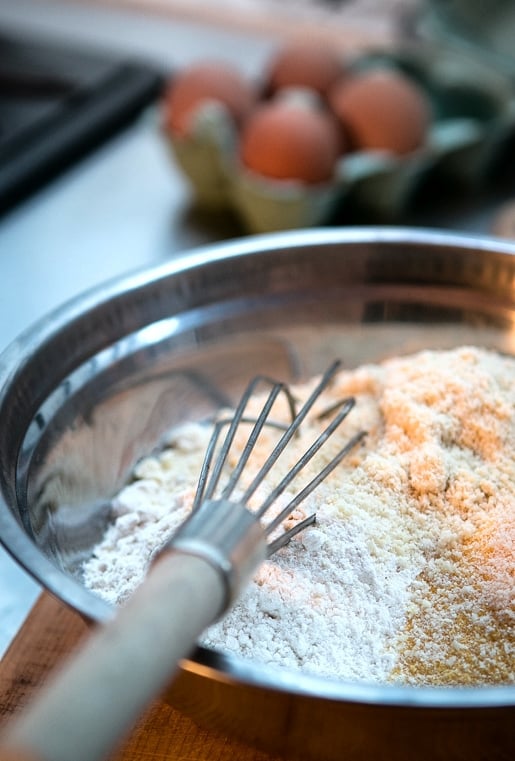
The recipe is remarkably forgiving regarding its dry ingredients. While purists may insist on stone-ground polenta for its superior texture and flavor profile, the cake is versatile enough to accommodate instant polenta, making it an ideal candidate for "pantry-clearing" baking projects.
Chronology: From Pantry Staple to Pastry Perfection
The journey of the polenta cake from a humble, utilitarian grain to a celebrated dessert is a story of creative evolution.
- The Origins: Historically, polenta was the bedrock of Northern Italian cuisine. As a staple crop, it was prepared in every conceivable fashion—boiled, fried, and eventually, baked into sweet treats.
- The Modern Adaptation: Over the last few decades, bakers began experimenting with the incorporation of nut flours (almonds, specifically) to offset the potential dryness of cornmeal. This marriage of ingredients transformed the polenta cake from a dense, rustic bread into a moist, luxurious dessert.
- The Incorporation of Spirits: A significant evolution in the modern Amor Polenta is the addition of liqueurs. Whether it be the subtle floral notes of maraschino, the citrus punch of limoncello, or the herbaceous bite of absinthe, the addition of alcohol serves to brighten the flavor profile and acts as a preservative, allowing the cake to remain fresh for up to five days.
- The Glazing Technique: The final stage of the modern iteration involves a citrus glaze. By drizzling a mixture of orange juice, liqueur, and sugar over the baked, cooled cake, bakers create a "dribbly" crust that firms up, providing an essential textural contrast to the soft interior.
Supporting Data: Why Texture and Ingredients Matter
To understand why this cake has maintained its popularity, one must look at the science of the crumb.
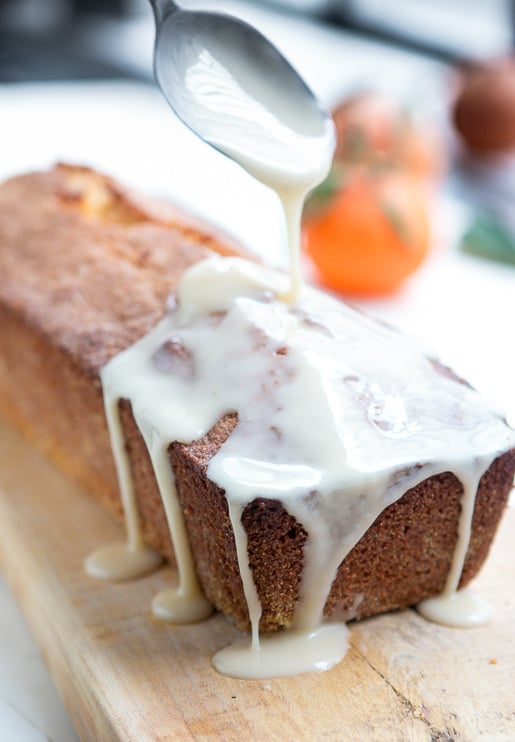
The Role of Almond Flour
Almond flour is the secret weapon of the Amor Polenta. Because almonds contain high levels of natural fats, they function as an internal hydrator. As the cake sits—particularly 24 hours after baking—the nut oils permeate the crumb, resulting in a moister, more complex texture than it possessed immediately upon exiting the oven. For those unable to procure pre-ground almond flour, the solution is simple: pulsing blanched, sliced almonds with a portion of the recipe’s flour in a food processor provides an excellent, fresh alternative.
The Polenta Variable
The texture of the finished cake is directly proportional to the grind of the cornmeal used:
- Stone-ground: Provides a significant, satisfying crunch. Ideal for those who enjoy a more rustic, textured mouthfeel.
- Fine-ground/Instant: Yields a smoother, more uniform crumb. This is the preferred choice for those looking for a "traditional" cake-like experience.
Flavor Infusions
The "snacking" nature of the cake is enhanced by the choice of aromatics. The inclusion of orange zest is standard, but the secondary layer—the liqueur—is where the cake becomes highly customizable. The following table highlights common pairings:
| Liqueur Type | Flavor Profile | Recommended Pairing |
|---|---|---|
| Limoncello | Bright, tart citrus | Fresh tangerine segments |
| Maraschino | Subtle, cherry-like | Poached pears |
| Anise | Herbaceous, licorice | Dark chocolate shavings |
| Ginger | Sharp, warming | Fresh apricots or peaches |
Official Perspectives: The Baker’s Philosophy
For renowned pastry chefs and food writers like David Lebovitz, the appeal of Amor Polenta lies in its honesty. There is no pretense in this cake; it does not rely on heavy frostings or excessive sugar to mask inferior ingredients.
"I find myself constantly drawn to the savory quality that polenta imparts to desserts," notes Lebovitz. "It bridges the gap between the breakfast table and the dessert plate."
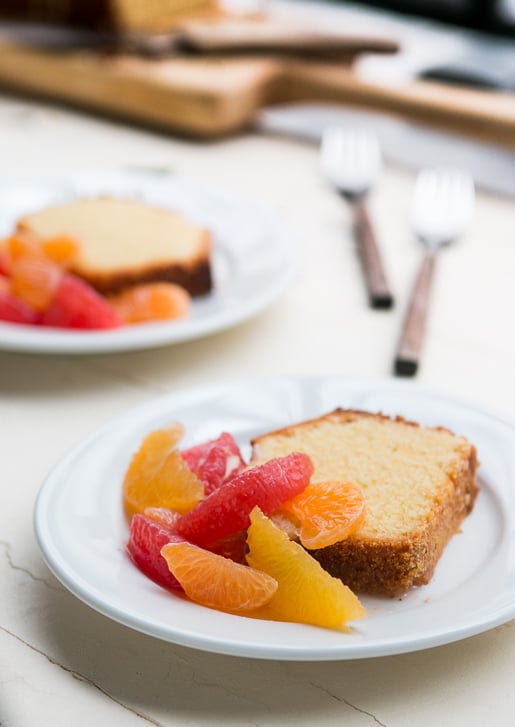
The professional consensus is that this cake should not be served hot. The flavor profile requires time to settle. By allowing the oils from the butter and the almonds to integrate with the starch of the cornmeal, the baker ensures a consistent experience. Furthermore, the practice of serving it with a fruit compote—such as honey-drizzled citrus segments—elevates the snack to a plated dessert, suitable for even the most discerning dinner guests.
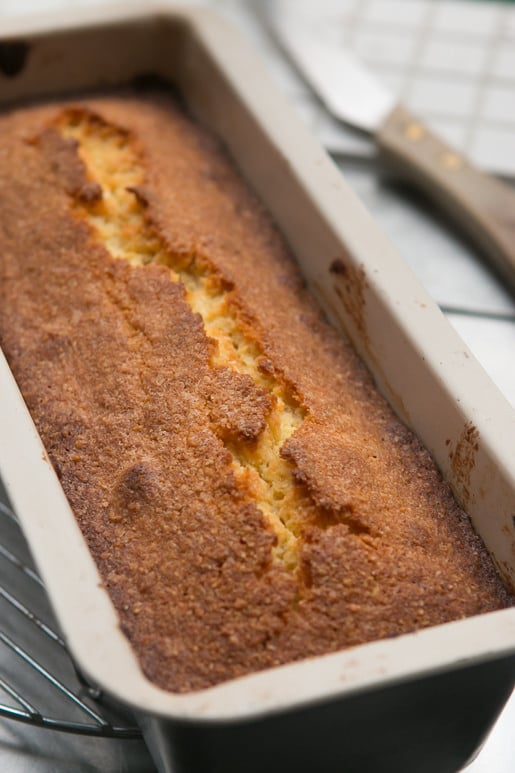
Implications for Home Bakers
The enduring popularity of this recipe has significant implications for modern home baking. It marks a shift away from the "butter-bomb" aesthetic toward a more balanced, ingredient-conscious approach to sweetness.
Storage and Longevity
One of the most practical benefits of the Amor Polenta is its shelf life. Unlike delicate sponges that dry out within hours, this cake is designed to be made ahead.
- Room Temperature: When well-wrapped, it maintains its quality for up to five days.
- Freezer: For long-term planning, the cake freezes remarkably well, keeping for up to two months without significant degradation in quality.
Addressing the "Liqueur Hoarding" Dilemma
Many home bakers find themselves with half-empty bottles of various spirits—anise-based, ginger, or even eau-de-vie. The Amor Polenta provides the perfect mechanism for utilizing these bottles. Because the alcohol evaporates during the baking process, the cake captures the essence of the spirit without the harshness of high-proof ethanol. It is a sustainable, creative way to reduce kitchen waste while expanding one’s repertoire.
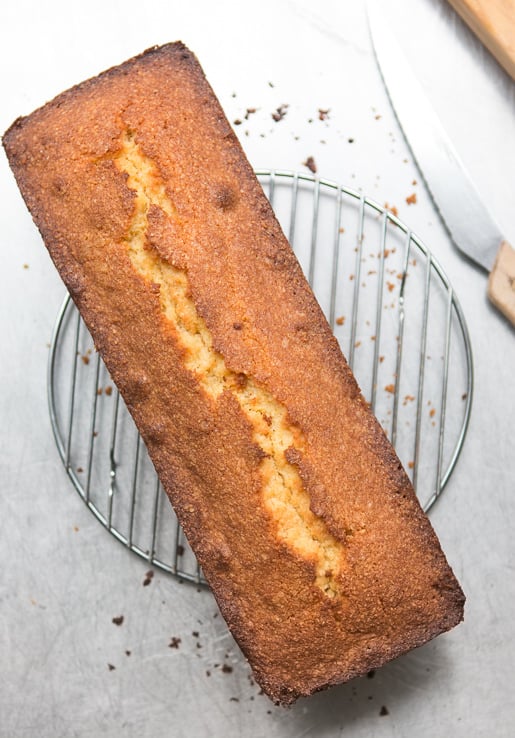
The "Dressed Up" Potential
While perfectly acceptable as a "naked" cake, the Amor Polenta serves as a blank canvas. The implication here is that the home baker can control the "formality" of the dish. A plain, glazed slice is perfect for a casual morning tea, while a slice adorned with a warm sabayon and seasonal fruit compote is a restaurant-quality finale to a meal.
Conclusion
The Amor Polenta is more than just a cake; it is a culinary lesson in patience and simplicity. Whether one interprets its name as a poetic declaration of love or a functional preposition, the cake stands as a masterclass in texture. By embracing the crunch of the cornmeal and the moisture of the almond, and by treating the recipe as a fluid, adaptable framework, the home baker can produce a dessert that is as timeless as the Italian landscapes that inspired it. It is, ultimately, a cake that rewards the curious, the pantry-organized, and anyone who appreciates the quiet sophistication of a well-made, enduring classic.

 Nana Muazin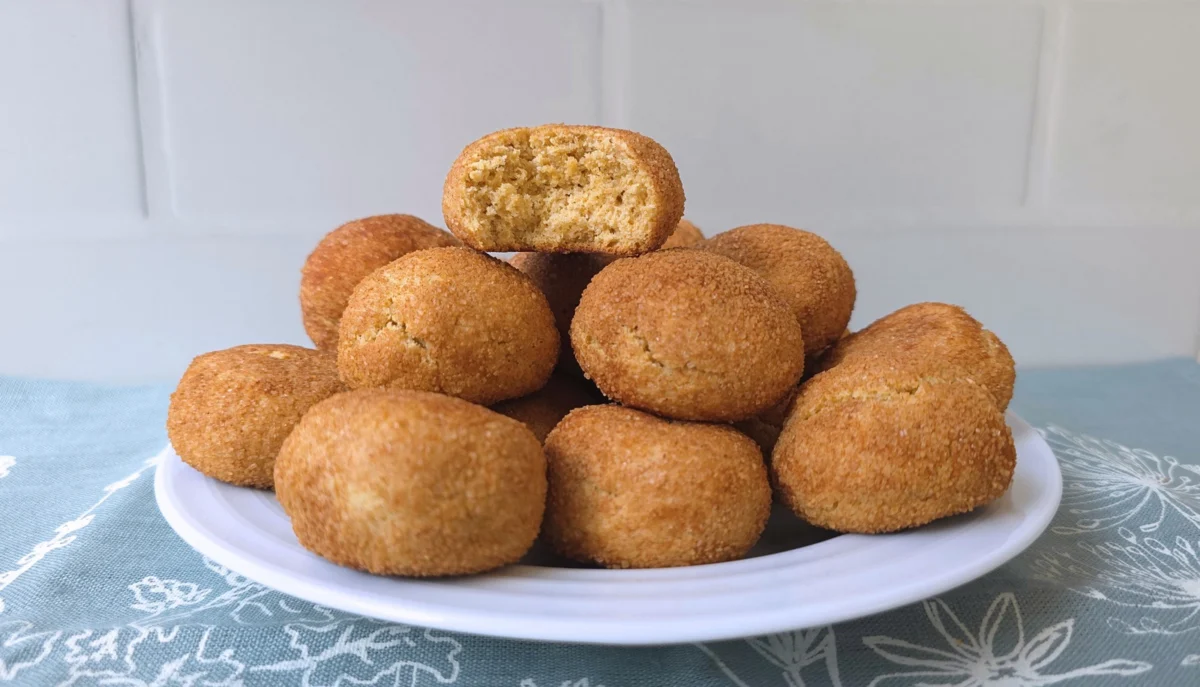
 Evan Lee Salim