 Dwi Wanna
 Nana Wu
 Muslim
 Reynand Wu
 Ammar Sabilarrohman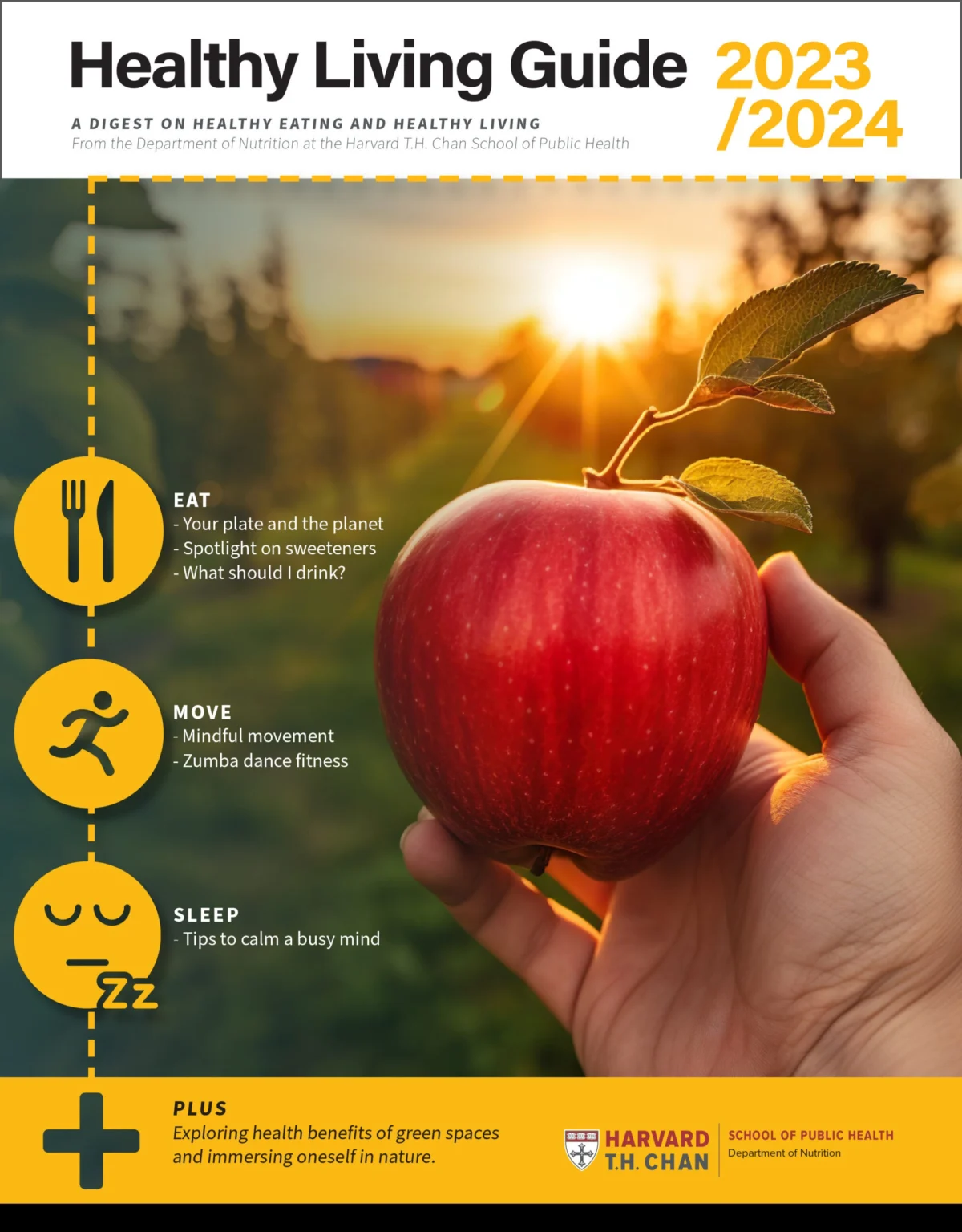
As we step into 2024, the global conversation surrounding health has shifted from a narrow focus on calorie counting and gym routines to a more integrated, holistic approach that considers the intersection of mental clarity, environmental sustainability, and physiological longevity. The release of the fourth edition of the Healthy Living Guide by the Harvard Department of Nutrition serves as a cornerstone for this paradigm shift, offering a comprehensive roadmap for those seeking to optimize their well-being in an increasingly complex world.
Main Facts: A New Era of Mindful Nutrition
The 2023-2024 edition of the Healthy Living Guide is more than just a collection of dietary advice; it is a manifesto for sustainable, conscious living. The central theme of this year’s publication is the integration of mindfulness into public health, a mission propelled by the recent launch of the Thich Nhat Hanh Center for Mindfulness in Public Health.
The core philosophy of this edition is anchored by the late Zen master Thich Nhat Hanh’s poignant observation: "The apple in your hand is the body of the cosmos." This perspective invites readers to view their food not merely as fuel, but as a complex interaction between personal health and planetary stability. By fostering a mindful relationship with what we consume, individuals can influence their own health outcomes while contributing to broader environmental well-being.
The guide functions as an essential resource for navigating the modern "food swamp"—an environment saturated with ultra-processed, nutrient-poor options. Through evidence-based articles, printable tip sheets, and expert summaries, the publication equips readers with the tools necessary to make informed, deliberate choices that support long-term vitality.
Chronology: The Evolution of the Healthy Living Guide
To understand the significance of this current release, one must look at the progression of the Healthy Living Guide over the past four years.
- 2020-2021: The inaugural editions were largely reactionary, focusing on foundational health pillars during a time of global uncertainty. These early guides emphasized basic nutritional integrity and home-based exercise strategies.
- 2021-2022: As the pandemic persisted, the focus expanded to include the "mental health-nutrition axis," exploring how gut health influences mood and cognitive function.
- 2022-2023: This period marked a transition toward more specialized lifestyle interventions, covering sleep hygiene, stress management, and the nuances of plant-based dieting.
- 2023-2024: The current iteration represents the "Mindfulness Era." It synthesizes previous research with the cutting-edge work of the Thich Nhat Hanh Center, moving beyond the individual to examine how population-level mindfulness can serve as a public health intervention.
Supporting Data: Addressing Modern Health Challenges
The 2023-2024 guide addresses three critical pillars of modern health: nutritional quality, physical movement, and sleep architecture. Each section is backed by rigorous scientific inquiry.
The Ultra-Processed Food Crisis
One of the most significant features of this year’s guide is the critical look at ultra-processed foods (UPFs). Research highlighted in the guide suggests a robust correlation between the consumption of highly industrial, shelf-stable foods and declining mental health markers, including increased risks of depression and anxiety. Unlike whole foods, which contain complex matrices of fiber and micronutrients, UPFs are engineered to trigger reward pathways in the brain, often leading to overconsumption and metabolic inflammation.
The Science of Movement
The guide moves away from the "no pain, no gain" mentality of the past. Instead, it promotes "joyful movement." The inclusion of Zumba and other rhythmic, dance-based activities highlights the necessity of coupling physical exertion with social and emotional engagement. The research indicates that when movement is linked to pleasure rather than punishment, adherence rates skyrocket, leading to more consistent metabolic health benefits.
Chronotypes and Sleep
Sleep is often the most neglected pillar of health. The 2023-2024 guide delves into the biology of "chronotypes"—the natural inclination of a person’s body to sleep and wake at certain times. By acknowledging that one size does not fit all, the guide provides evidence-based strategies for "night owls" and "early birds" to optimize their sleep hygiene without fighting their innate circadian rhythms. This personalized approach to sleep is essential for hormonal balance, immune function, and cognitive sharpness.
Official Responses and Expert Insights
The Department of Nutrition at Harvard has positioned the Thich Nhat Hanh Center for Mindfulness in Public Health as a primary authority on the future of wellness. The official stance of the department is that "mindful eating" is not a luxury or a meditative fad; it is a critical public health tool.
By teaching populations to slow down and acknowledge the origins of their food, the Center aims to curb the rapid consumption of processed goods, thereby reducing the burden of chronic diseases such as Type 2 diabetes and cardiovascular disease. Experts at the Center argue that when public policy is combined with personal mindfulness, the result is a "virtuous cycle" where healthier individuals demand higher-quality food systems, which in turn benefits the planet.
Implications: Building a Mindful Future
The implications of the 2023-2024 Healthy Living Guide are vast. For the individual, the takeaway is clear: self-care is a form of community care. When an individual chooses to prioritize sleep, seek joy in physical activity, and consume minimally processed, nutrient-dense foods, they are participating in a larger movement toward systemic health.
Improving Population Health
On a global scale, the integration of these practices could drastically reduce the strain on healthcare systems. As we face rising rates of sedentary behavior and mental health crises, the shift toward mindfulness provides a low-cost, high-impact intervention. The Guide suggests that by training ourselves to be present during meals, we can improve digestion, reduce emotional eating, and cultivate a deeper appreciation for the resources required to produce our food.
The Role of Technology
While the guide advocates for a "slower" life, it cleverly utilizes technology to disseminate its message. By offering the Healthy Living Guide as a downloadable PDF and providing direct links to comprehensive online databases, the Department of Nutrition ensures that this evidence-based information is accessible to anyone with an internet connection, effectively democratizing health knowledge.
Conclusion: A Call to Action
The 2023-2024 Healthy Living Guide concludes with a gentle but firm invitation: test your knowledge. By reviewing the materials from previous years and engaging with the new content, readers are encouraged to view health as a dynamic, lifelong process of learning.
As the new year progresses, the Harvard Department of Nutrition emphasizes that consistency, rather than perfection, is the key to longevity. Whether you are adjusting your sleep schedule to match your chronotype, incorporating more mindful eating practices, or finding a rhythm that makes exercise feel like a celebration, every small action counts.
The guide is more than a PDF document; it is a tool for liberation from the pressures of modern, fast-paced life. As we navigate 2024, let us heed the wisdom shared in these pages: to eat well, move often, rest deeply, and remain mindful of our connection to the world around us.
For those ready to begin their journey, the full 2023-2024 Healthy Living Guide can be accessed and downloaded via the Harvard T.H. Chan School of Public Health website. Embrace the change, and let 2024 be the year of your most mindful, healthy living yet.

 Nila Kartika Wati
 Iffa Jayyana