
 Raul Delapena Setiawan

 Ammar Sabilarrohman
 Lina Irawan
 Suro Senen
 Jia Lissa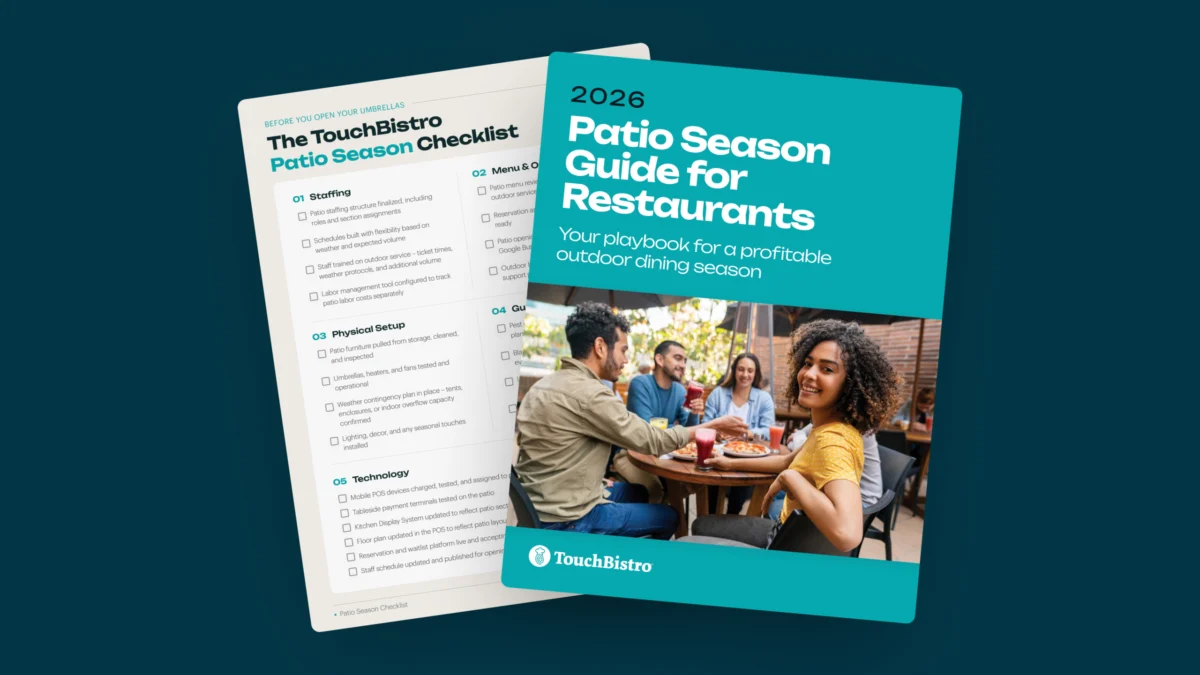
Main Facts: The Strategic Shift to Outdoor Dining
As the hospitality industry moves further into the mid-2020s, the definition of a "prime table" has undergone a fundamental transformation. Once considered a seasonal bonus or an afterthought for overflow seating, the restaurant patio has emerged as a critical engine of revenue and a cornerstone of brand identity. According to recent industry benchmarks, we are entering what experts describe as one of the busiest and most lucrative patio seasons on record. This surge is driven by a confluence of consumer preference shifts, technological advancements, and a looming calendar of global events that promise to bring unprecedented foot traffic to North American metropolitan centers.
The stakes have never been higher. With the 2026 FIFA World Cup approaching—an event expected to draw millions of international visitors to cities across the United States, Canada, and Mexico—the "outdoor experience" is no longer a luxury; it is a competitive necessity. Operators who fail to optimize their outdoor spaces risk leaving significant revenue on the table. Current data suggests that a well-executed patio does more than just add seats; it increases a restaurant’s visibility, extends its operating hours, and taps into a post-pandemic consumer psychology that prioritizes open-air environments.
For modern restaurateurs, the focus has shifted from "How many tables can we fit outside?" to "How can we integrate the patio into our core operational strategy?" This involves a sophisticated blend of weather-mitigation technology, mobile point-of-sale (POS) integration, and curated atmospheric design. As we look toward the 2024–2026 window, the patio is being redefined as the "front line" of restaurant profitability.
Chronology: From Emergency "Streateries" to Permanent Profit Centers
To understand the current importance of the patio, one must look at the rapid evolution of outdoor dining over the last five years. The timeline of this transformation reflects a broader shift in urban planning and consumer behavior.
2020–2021: The Era of Survival
In the wake of the COVID-19 pandemic, outdoor dining was a lifeline. Municipalities across North America bypassed traditional zoning laws to allow "streateries"—temporary setups on sidewalks and in parking lanes. During this period, the "patio" was often a collection of folding chairs and makeshift barriers. Despite the lack of polish, these spaces proved that consumers were willing to dine outdoors in almost any weather, provided the atmosphere was right.
2022–2023: The Transition to Permanence
As indoor dining restrictions lifted, many expected the outdoor dining craze to fade. Instead, the opposite occurred. Consumers had developed a habit. This period saw a wave of legislative battles as cities like New York, Toronto, and Chicago moved to make temporary outdoor dining programs permanent. Operators began replacing temporary tents with high-end pergolas, retractable roofs, and integrated heating systems. The patio became a year-round consideration rather than a three-month summer project.
2024 and Beyond: The Professionalization of the Outdoor Space
Today, the industry is in a phase of "professionalization." The focus is now on the "frictionless" outdoor experience. This includes the widespread adoption of handheld POS terminals that allow servers to process orders at the table without walking back to an indoor station, and the use of sophisticated CRM data to manage outdoor reservations with the same precision as indoor dining rooms. Looking toward 2026, the focus is on scale—preparing these outdoor hubs to handle the massive, high-velocity crowds associated with global sporting events.
Supporting Data: Quantifying the Patio’s Impact
The financial case for outdoor dining is supported by robust data. New research from TouchBistro, conducted in partnership with The Harris Poll, provides a comprehensive look at the economic reality of the modern patio. The study surveyed more than 1,200 full-service restaurant operators across the U.S. and Canada, revealing that outdoor spaces are no longer "extra" seating—they are primary revenue drivers.
Revenue Contribution
The research found that, on average, patios account for approximately 20 percent of total annual sales. However, for a significant portion of the industry, the impact is even more dramatic. A substantial number of operators reported that their outdoor spaces contribute between 25 and 49 percent of their total revenue during peak months. For restaurants in warmer climates or those in high-traffic tourist zones, this figure can climb even higher, effectively doubling the restaurant’s earning potential during the summer season.
The ROI of Infrastructure
The data also highlights the correlation between infrastructure investment and profitability. Operators who invested in "weather-proofing"—such as high-end misting systems for heat or industrial-grade heaters and windbreaks for cold—saw a 15-20% increase in patio utilization during shoulder seasons (spring and autumn).
Consumer Demand and Capacity
Furthermore, the survey indicates that 68% of consumers prefer outdoor dining when the weather permits, and nearly 40% are willing to wait longer for an outdoor table than an indoor one. This "wait-list elasticity" allows restaurants to maintain higher occupancy rates throughout the day, as the patio acts as a secondary "anchor" for the brand.
Official Responses: Industry Leaders on Operational Excellence
Industry experts and technology providers emphasize that the difference between a "good" summer and a "great" one lies in operational preparation. Leaders from TouchBistro and hospitality consultants suggest that the "patios of the future" must address three core pillars: technology, staffing, and atmosphere.
The Technological Mandate
"Operators have to be ready to keep up with the demand," says a leading industry analyst. "You cannot run a 50-seat patio using a fixed POS terminal located inside the building. The ‘step count’ for servers becomes a bottleneck that slows down table turns and frustrates guests."
Official recommendations from hospitality tech firms suggest that implementing handheld devices can increase table turnover by as much as 15%. By allowing servers to send drink orders to the bar immediately from the patio, the "time-to-first-sip" is reduced, which is a key driver of guest satisfaction and secondary drink sales.
Staffing and Training
From a management perspective, the response to the patio boom has been a total rethink of staffing models. Experts suggest that the "patio section" should be treated as its own micro-restaurant. This includes dedicated "patio runners" and "weather marshals" who are trained to manage umbrellas, heaters, and sudden weather shifts without disrupting service.
Designing for the "Instagrammable" Moment
Designers specializing in hospitality argue that the patio is the "billboard" of the restaurant. "Your patio is your first impression for every pedestrian walking by," says one prominent architect. Official design trends for 2024 emphasize "biophilic design"—integrating natural greenery, water features, and soft lighting to create an oasis that feels separate from the urban bustle.
Implications: The Road to the 2026 FIFA World Cup and Beyond
The implications of this "patio-first" mindset extend far beyond the current fiscal year. The upcoming 2026 FIFA World Cup serves as a looming deadline for North American infrastructure. This event is expected to be the largest in the tournament’s history, with 48 teams playing in 16 host cities.
Urban Planning and Policy
The success of restaurant patios will likely influence future urban planning. Cities are seeing the "vibrancy" that outdoor dining brings to downtown cores, leading to more permanent pedestrian-only zones. This shift suggests that the "patio" of the future may not just be a deck attached to a building, but a fully integrated part of the city’s public realm.
The Competitive Gap
There will be a widening gap between "prepared" and "unprepared" operators. Those who invest now in durable furniture, robust Wi-Fi for outdoor POS systems, and weather-mitigation technology will be positioned to capture the influx of international spending in 2026. Those who rely on temporary, low-quality setups will likely struggle with the high-velocity demands of world-class crowds.
Sustainability and Innovation
Looking ahead, the next frontier for patios will be sustainability. As energy costs rise, operators are looking for "green" ways to heat and cool outdoor spaces. Solar-powered lighting and energy-efficient radiant heaters are becoming standard. Furthermore, we are seeing the rise of "smart patios"—spaces equipped with sensors that automatically adjust awnings and heaters based on real-time weather data.
Conclusion: The New Standard of Hospitality
The data is clear: the patio has evolved from a seasonal luxury into a fundamental component of the restaurant business model. With nearly half of some restaurants’ revenue flowing through their outdoor spaces, the "outdoor dining room" deserves the same level of investment, technological integration, and strategic planning as the main kitchen.
As we head into a historic cycle of global events, culminating in the 2026 World Cup, the message for restaurant operators is one of urgency. Preparation is the bridge between simply surviving the summer rush and achieving record-breaking profitability. In the modern era of hospitality, the sky is no longer the limit—it is the ceiling of the most profitable room in the house.

 Layla Zulfa