

 Dwi Wanna
 Nana Wu
 Muslim
 Reynand Wu
 Ammar Sabilarrohman
 Raul Delapena Setiawan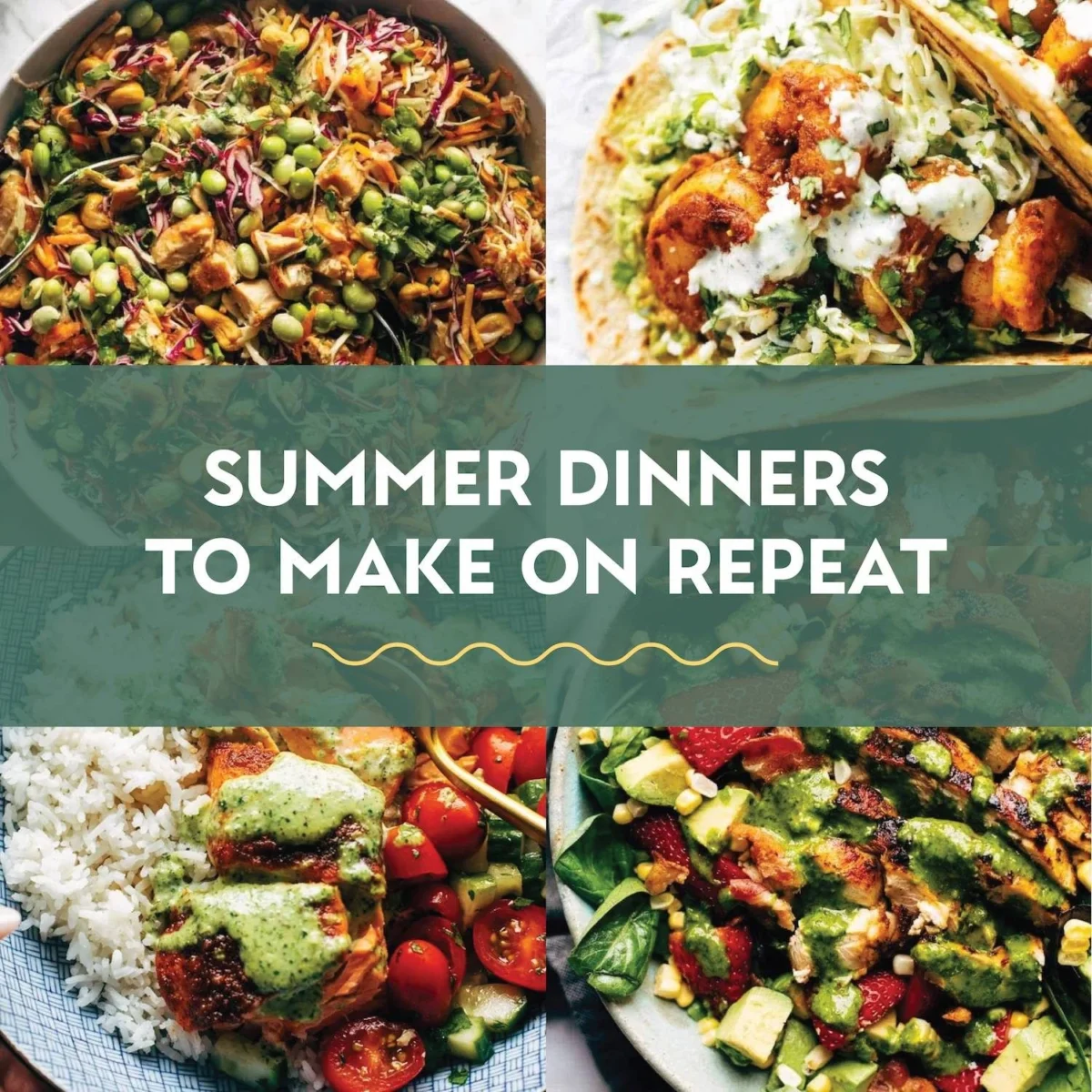
As the thermometer climbs and the days lengthen, the culinary landscape undergoes a transformation. For the modern home cook, the height of summer offers a unique opportunity: a reprieve from complex, heavy, oven-dependent cooking. Instead, the season ushers in an era of "produce-forward" dining, where the quality of the ingredient dictates the success of the meal. By focusing on the peak ripeness of tomatoes, the crunch of sweet corn, and the aromatic intensity of garden herbs, home chefs are finding that they can craft sophisticated, restaurant-quality dinners in as little as 30 minutes.
This shift isn’t just a matter of preference—it is a practical response to the seasonal bounty. When vegetables are at their peak, they require minimal intervention to shine. This article explores the phenomenon of "repeatable" summer cooking, providing a curated roadmap for those looking to simplify their weeknights without sacrificing the depth and vibrancy of their meals.
The Philosophy of Effortless Summer Dining
The core appeal of summer cooking lies in the concept of "low-effort, high-reward." In the winter months, culinary satisfaction often comes from slow-braised meats and long-simmering stews. In July and August, however, the kitchen becomes a place of assembly rather than labor.
The Power of 30-Minute Ingredients
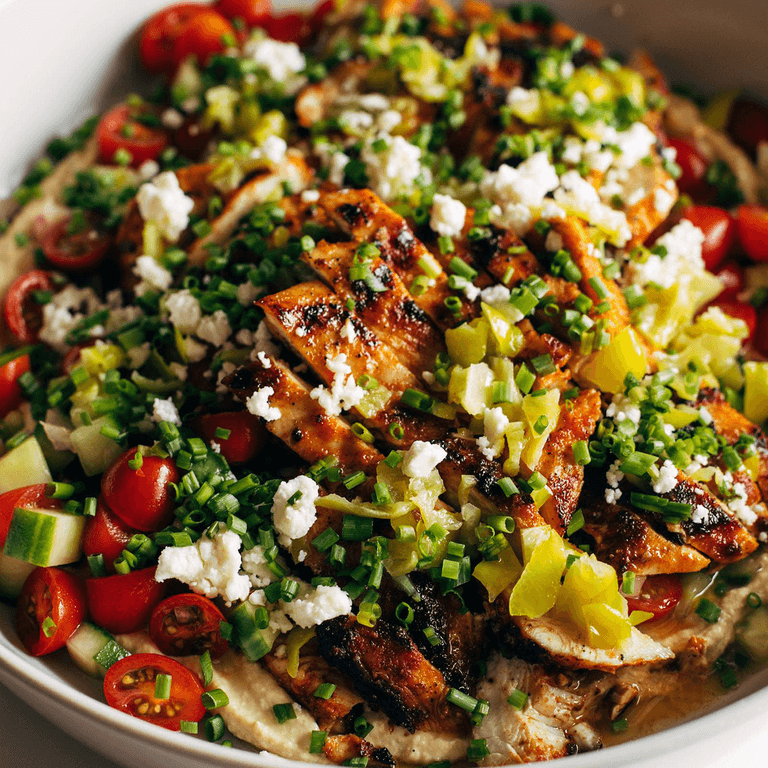
The culinary community has increasingly pivoted toward recipes that capitalize on the natural sugars and textures of summer crops. Professional chefs often note that the "work" of a summer dish is performed by the farm, not the stove. A tomato, vine-ripened and warm from the sun, needs only a pinch of sea salt and a splash of olive oil to achieve excellence. When this philosophy is applied to proteins—like quick-searing shrimp or grilling thin cuts of chicken—the result is a dinner that feels intentional and fresh.
The "On-Repeat" Strategy
Consistency in the kitchen is often the antidote to the "what’s for dinner?" fatigue. By mastering a collection of versatile summer recipes, home cooks can streamline their grocery lists and reduce waste. Utilizing recurring ingredients—such as fresh basil, cucumbers, and stone fruit—across different meal types (salads, bowls, and pasta) allows for a more sustainable approach to feeding a family.

A Curated Selection: 35 Recipes to Master
To provide a framework for this seasonal approach, we have categorized 35 tried-and-true recipes that serve as the bedrock of a successful summer menu.
The Seafood Staples
Seafood is the quintessential summer protein, offering a lightness that pairs perfectly with the heat.
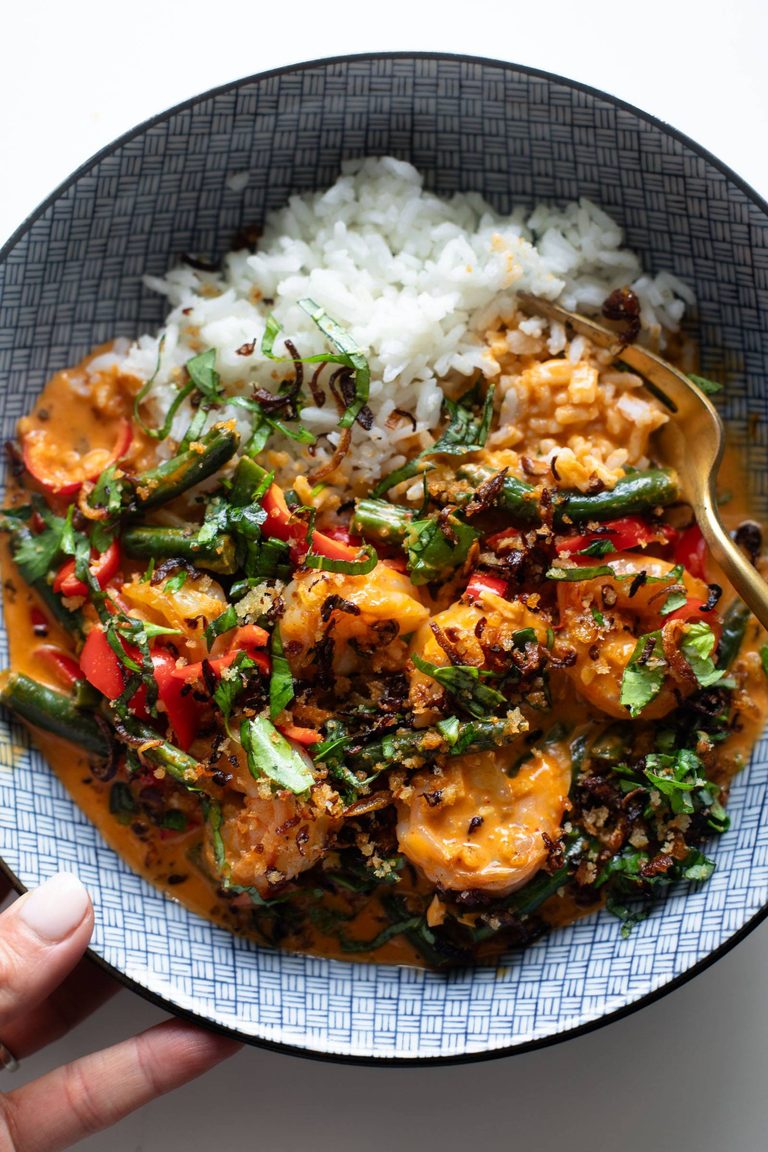
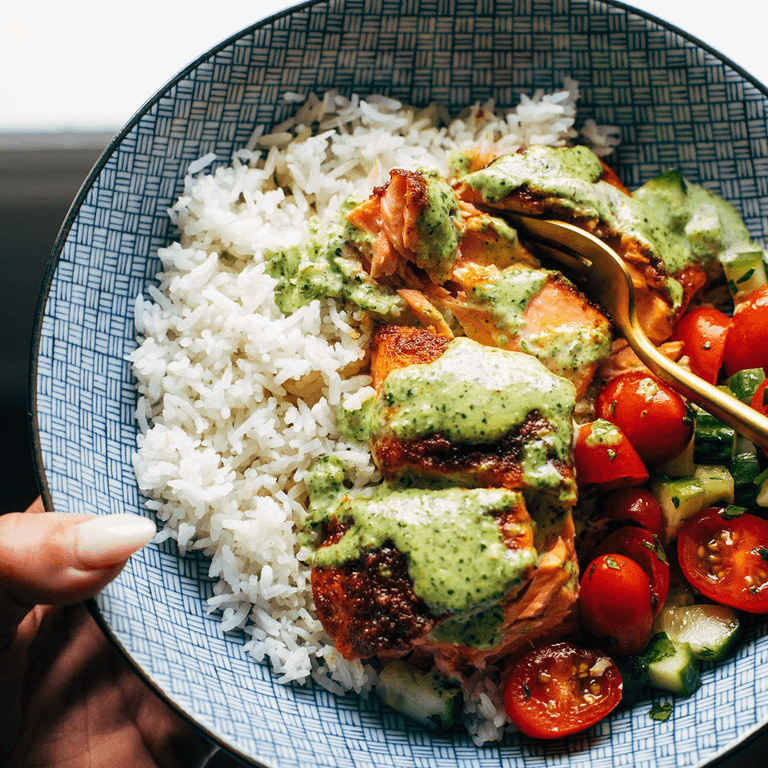
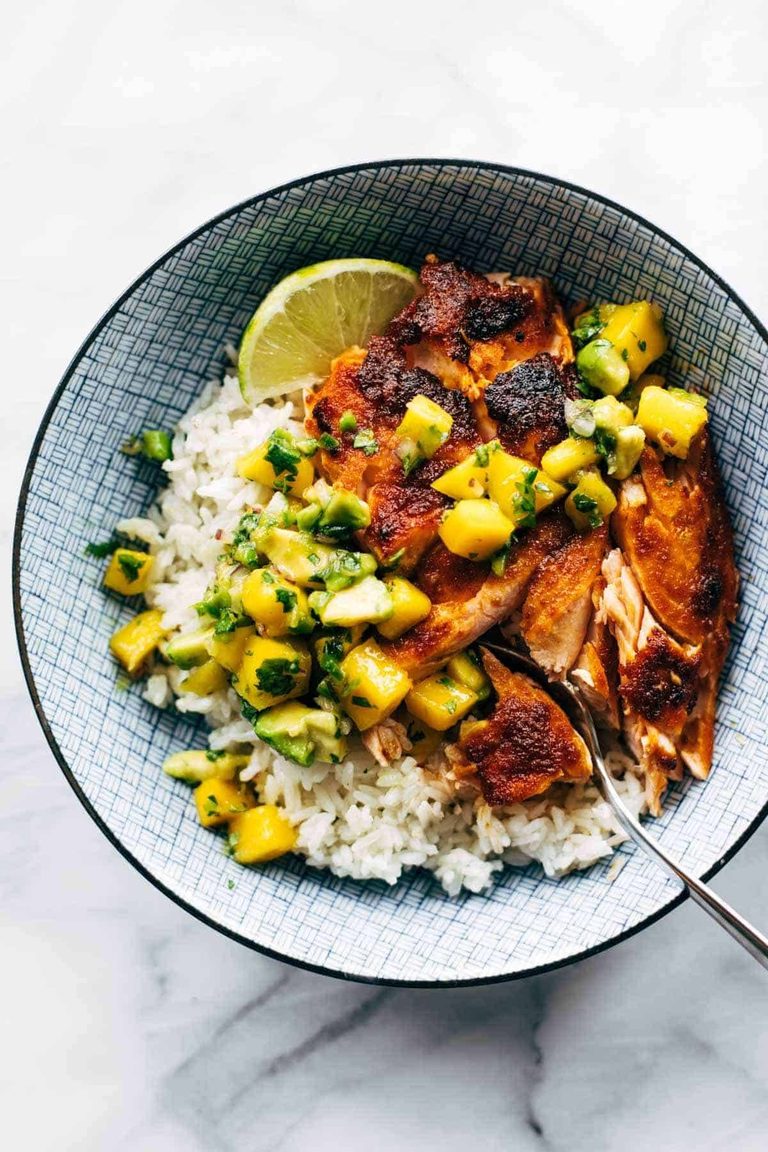
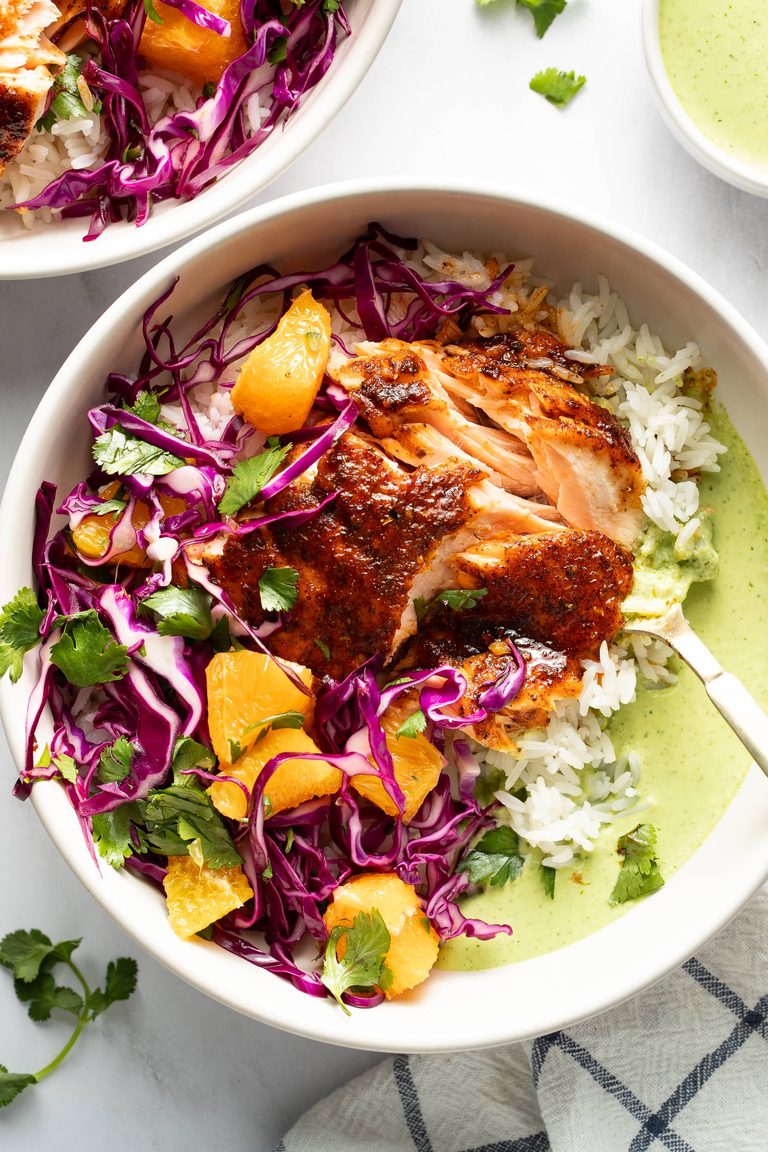
- Salmon with Basil Sauce and Tomato Salad: A masterclass in balance, pairing rich, fatty fish with the sharp, herbaceous notes of fresh basil.
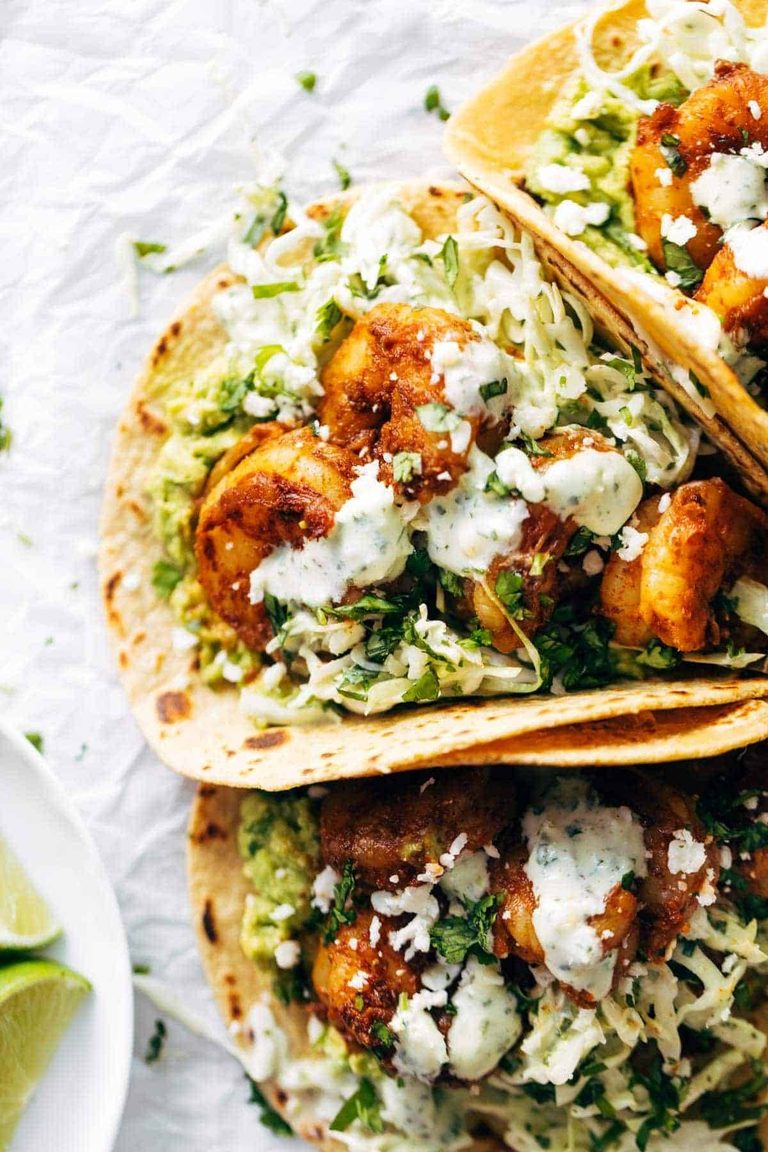
- Spicy Shrimp Tacos with Garlic Cilantro Lime Slaw: An essential for the taco-Tuesday rotation, relying on the crunch of a homemade slaw to provide textural contrast.
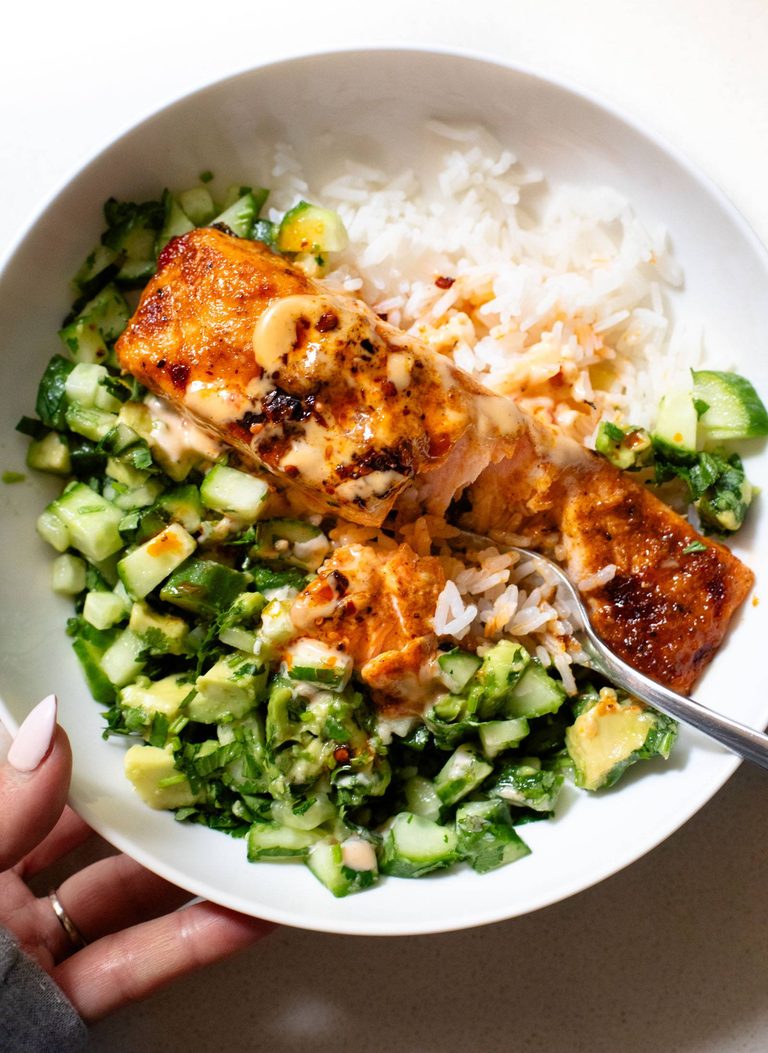
- Bang Bang Salmon with Avocado Cucumber Salsa: A trend-forward dish that uses a creamy, punchy sauce to elevate simple oven-baked fillets.
- Spicy Shrimp Veracruz: A briny, pepper-forward dish that brings the coastal flavors of Mexico to the home kitchen.
The Poultry Powerhouses
When done correctly, chicken becomes a canvas for summer produce.
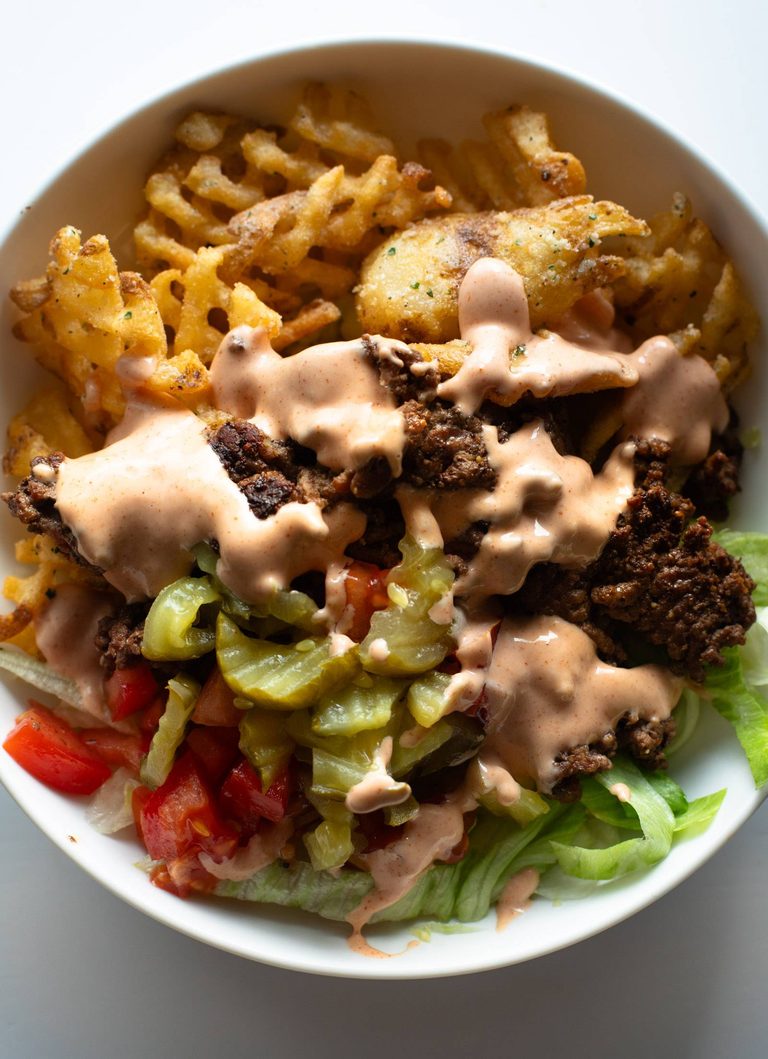
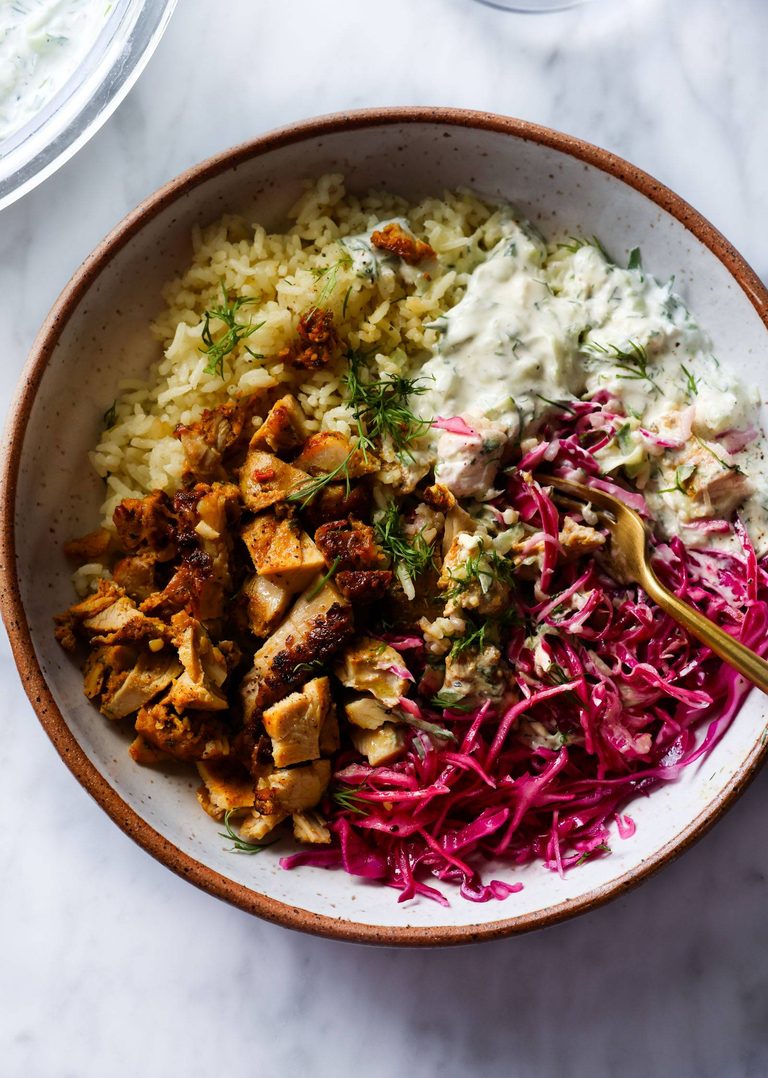
- Grilled Chicken with Pepperoncini Garlic Butter: A dish that highlights the power of compound butters to add complexity to a simple grill.
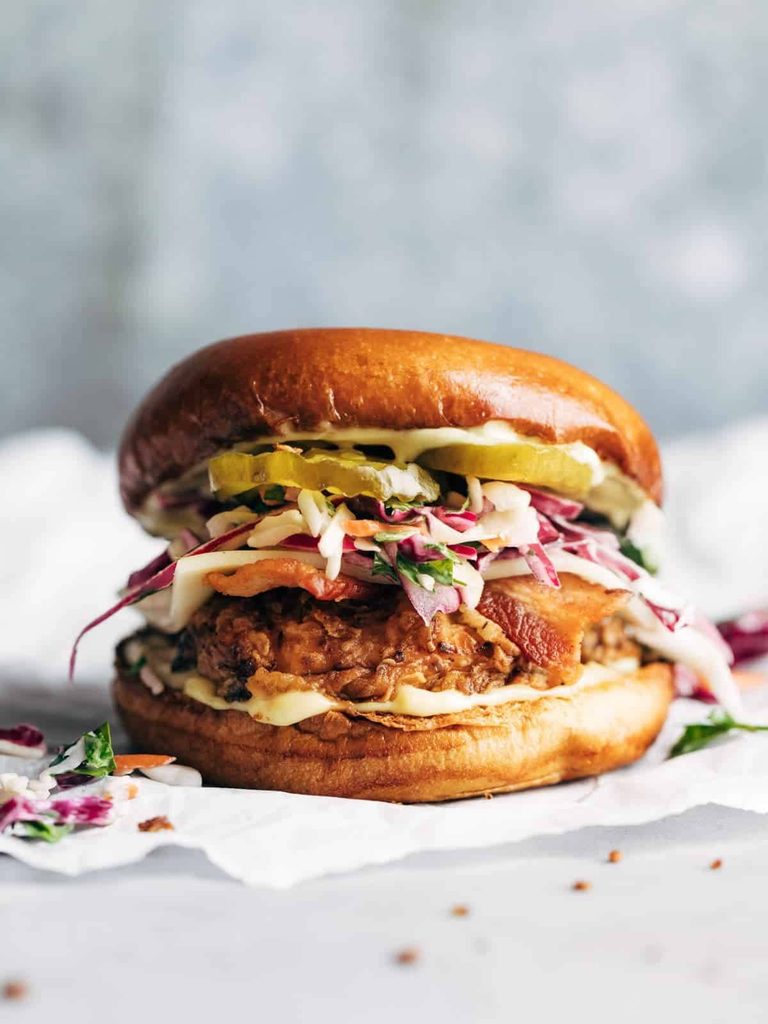
- Summertime Fried Chicken Sandwiches with Tangy Slaw: A decadent weekend treat that relies on a proper brine to keep the meat juicy while the crust stays crisp.
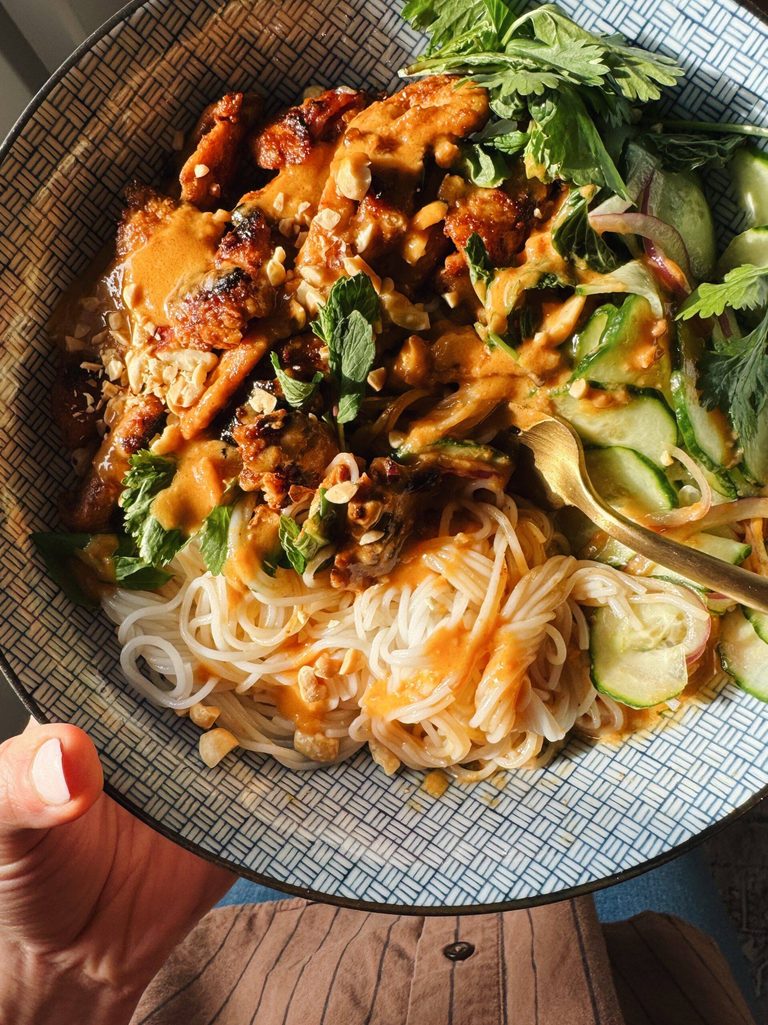
- Thai Peanut Chicken Bowls: An excellent example of the "shortcut" hack, using vermicelli noodles and fresh cucumber salad to create a balanced, one-bowl meal.
- Gochujang Chicken Burgers with Kimchi Bacon Jam: A bold, fusion-inspired recipe that pushes the boundaries of traditional summer grilling.
The Pasta and Grain Renaissance
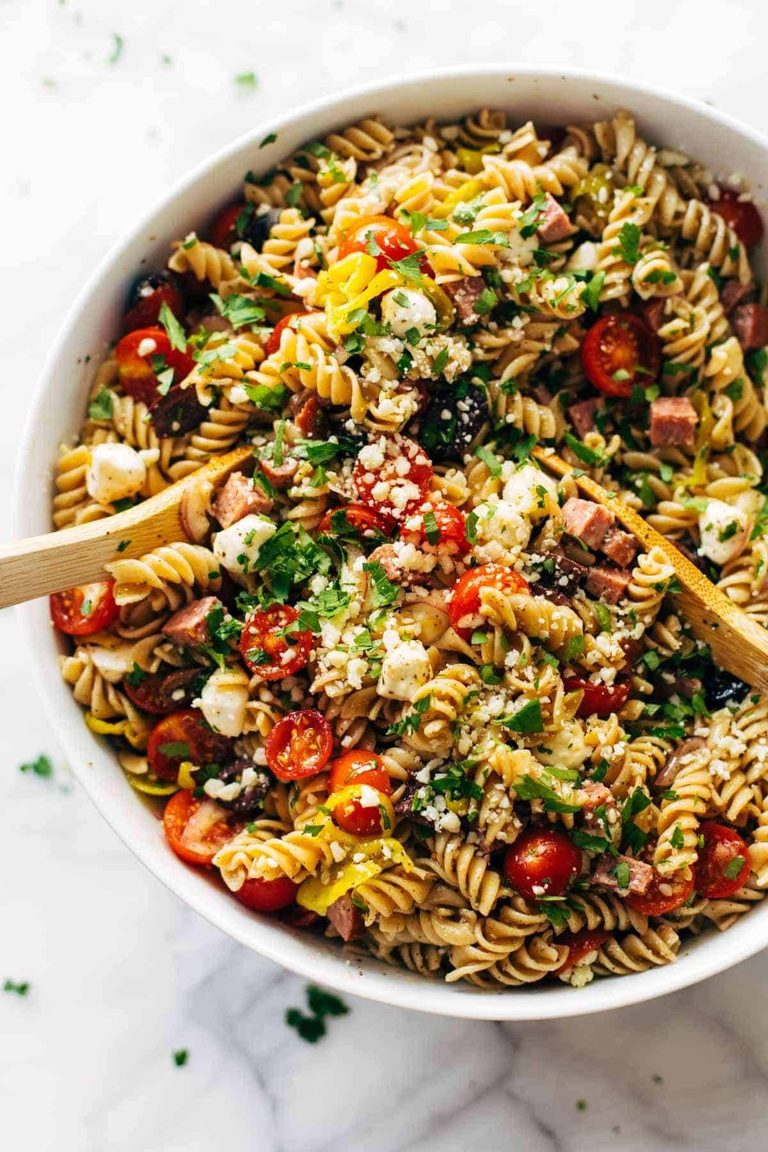
Summer pasta is less about heavy cream and more about the "sauce" created by heat and produce.
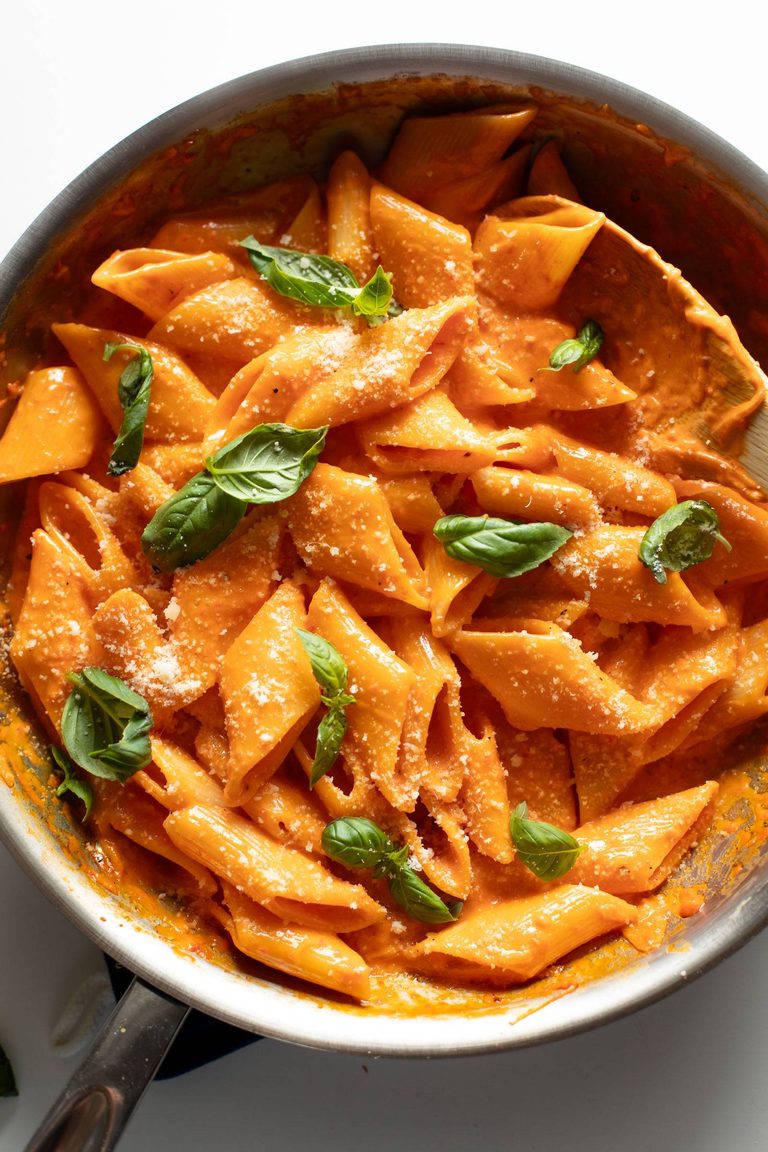
- Roasted Tomato Puttanesca: A rustic, pantry-friendly staple that benefits from the intensity of roasted cherry tomatoes.
- Creamy Shrimp Pasta with Corn and Tomatoes: The ultimate seasonal transition dish, marrying the sweetness of corn with the briny bite of shrimp.
- Burst Tomato Pappardelle: A visual and flavorful stunner that highlights the "burst" technique—cooking tomatoes until they collapse into their own juice.
Supporting Data: Why We Crave Freshness
Nutritional science supports the intuitive shift toward summer eating. Research suggests that as ambient temperatures rise, the human body’s metabolic requirement for dense, calorie-heavy fats decreases. We naturally gravitate toward high-water-content foods—cucumbers, melons, tomatoes, and leafy greens—which aid in hydration and digestion during hotter months.
Furthermore, the "farm-to-table" movement has provided the data to prove that produce consumed within hours of harvesting maintains a higher nutrient profile than produce that has been stored for weeks. This is why a simple salad in August tastes significantly more vibrant than a similar salad in February.
Official Perspectives: The Culinary Consensus
Prominent food writers and home-cooking advocates agree: the modern kitchen should be a flexible space. The consensus is that the "rules" of cooking—such as needing to cook every component from scratch—are being replaced by "assembly cooking."
"The most successful summer meals are those where the chef acts as a curator rather than a laborer," says one culinary expert. "When you have high-quality, seasonal ingredients, your only job is to get out of their way. You aren’t creating a dish; you are highlighting a moment in the growing season."
Implications for the Modern Kitchen
The shift toward these "on-repeat" summer recipes has broader implications for our relationship with food.
- Reduced Food Waste: By focusing on a core group of ingredients (e.g., corn, tomatoes, herbs), households are less likely to let random produce perish in the vegetable crisper.
- Economic Efficiency: Shopping for what is currently in season is almost always more cost-effective. During the summer, the abundance of produce drives prices down, making fresh, healthy eating more accessible to a wider demographic.
- Mental Well-being: The reduction in kitchen labor directly correlates to lower stress levels. For the parent managing a busy household or the professional working long hours, the ability to produce a nourishing meal in under 30 minutes is a significant quality-of-life improvement.
Conclusion: Embracing the Season
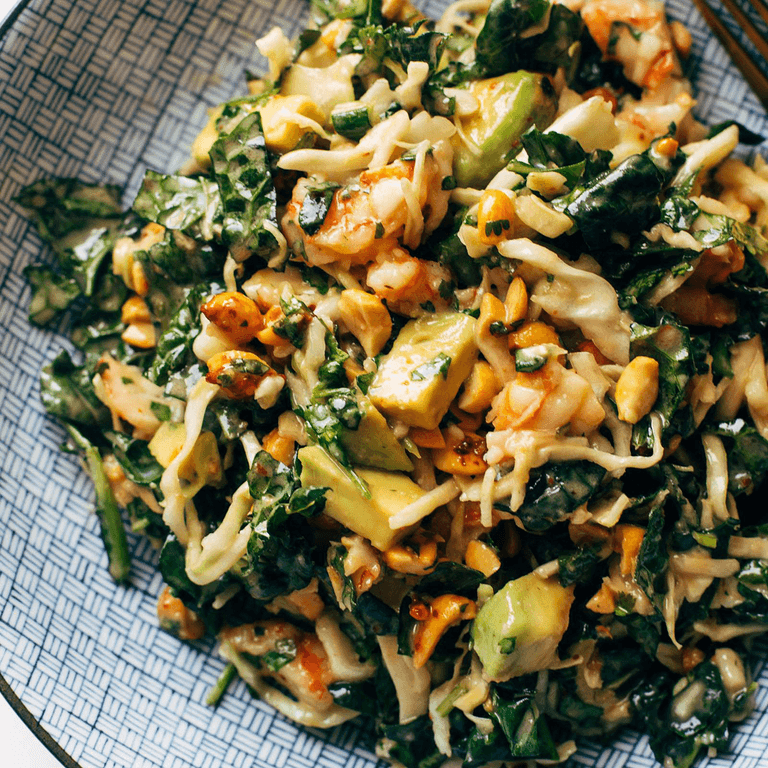
As the sun sets on another long summer day, the dinner table should serve as a place of refreshment rather than a site of exhaustion. Whether it is the zippy, vibrant kick of a chipotle-infused cobb salad or the comforting, rustic warmth of a one-pan farro dish, the goal remains the same: to enjoy the fleeting nature of the season.
By keeping these 35 recipes in your repertoire, you are not just preparing dinner; you are participating in a seasonal rhythm that honors the best of what the earth provides. The summer kitchen doesn’t have to be a place of heat and stress. With the right ingredients and a few simple techniques, it can be the most delicious room in the house.
Quick Reference Guide for Summer Success:
- Keep your pantry stocked: Essential oils, vinegars, and dry grains (like farro or orzo) serve as the foundation for 90% of these dishes.
- Don’t skip the herbs: Fresh cilantro, basil, and mint are the difference between a "good" dish and a "great" one.
- Prioritize the grill: Moving the heat outside keeps the indoor air cool and adds a smoky depth to vegetables that the oven simply cannot replicate.
Embrace the simplicity. Let the ingredients do the heavy lifting. And most importantly, enjoy the season while it lasts.


 Azzam Bilal Chamdy
 Sagoh
Sagoh