

 Dwi Wanna
 Nana Wu
 Muslim
 Reynand Wu
 Ammar Sabilarrohman
 Evan Lee Salim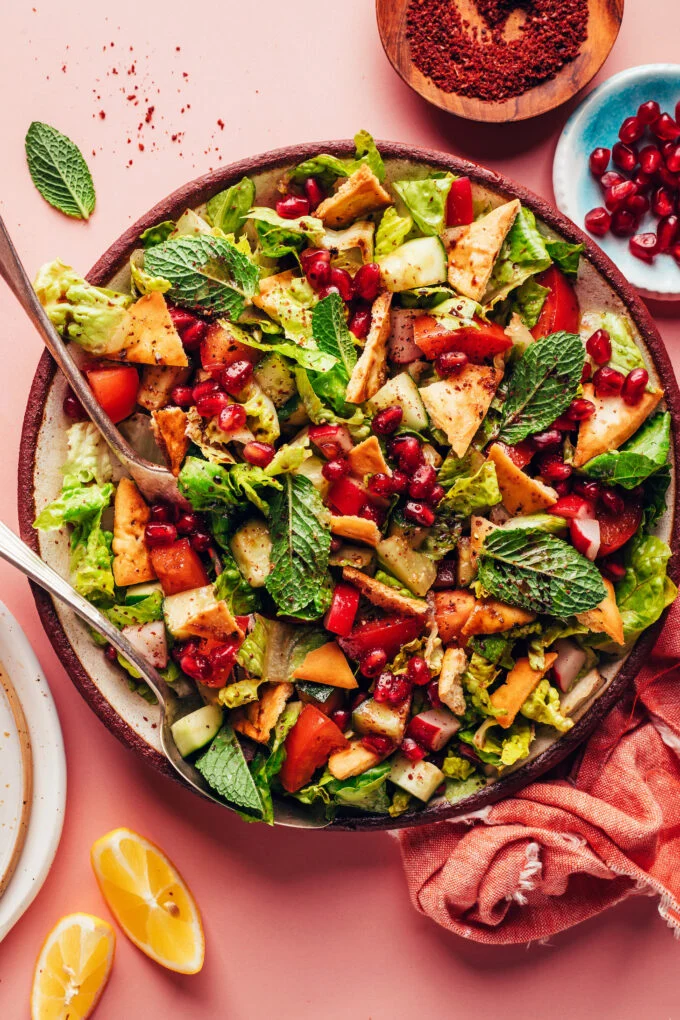
In the modern culinary landscape, where the demand for rapid, nutrient-dense, and globally inspired home cooking has reached an all-time high, the Fattoush salad has emerged as a beacon of efficiency and flavor. Once a regional staple of the Levant—the Eastern Mediterranean region encompassing Lebanon, Syria, Jordan, and Palestine—this vibrant salad is currently undergoing a renaissance. Minimalist kitchens are embracing a streamlined, 20-minute, one-bowl iteration of this classic dish, proving that authentic cultural flavors do not require hours of complex preparation.
Main Facts: Deconstructing the Modern Fattoush
At its core, Fattoush is a peasant dish—a "bread salad" designed to utilize leftover flatbread, transforming stale pita into a crisp, savory component that anchors fresh, seasonal produce. The modern, weeknight-friendly version preserves the soul of the traditional recipe while optimizing the workflow for the contemporary cook.
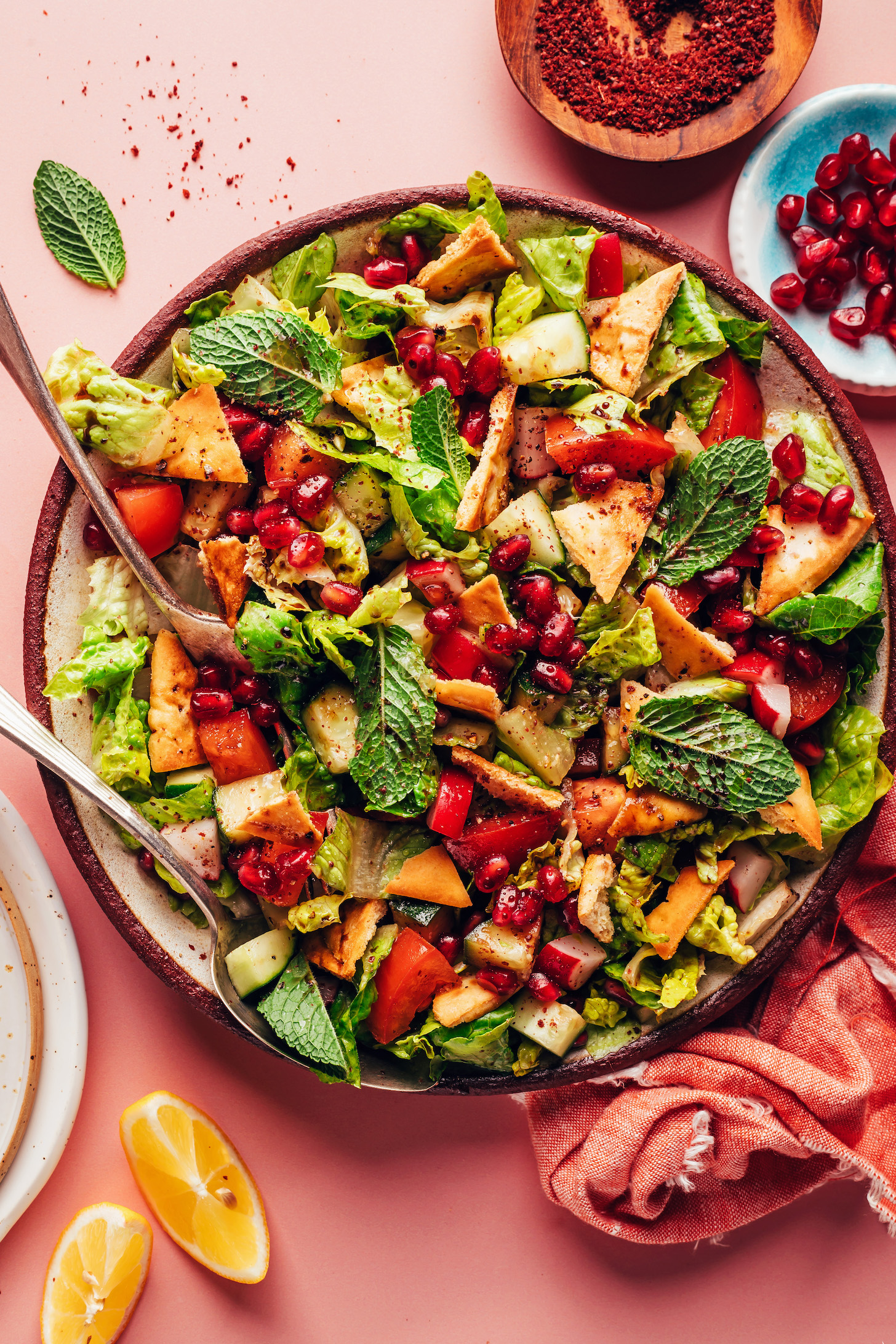
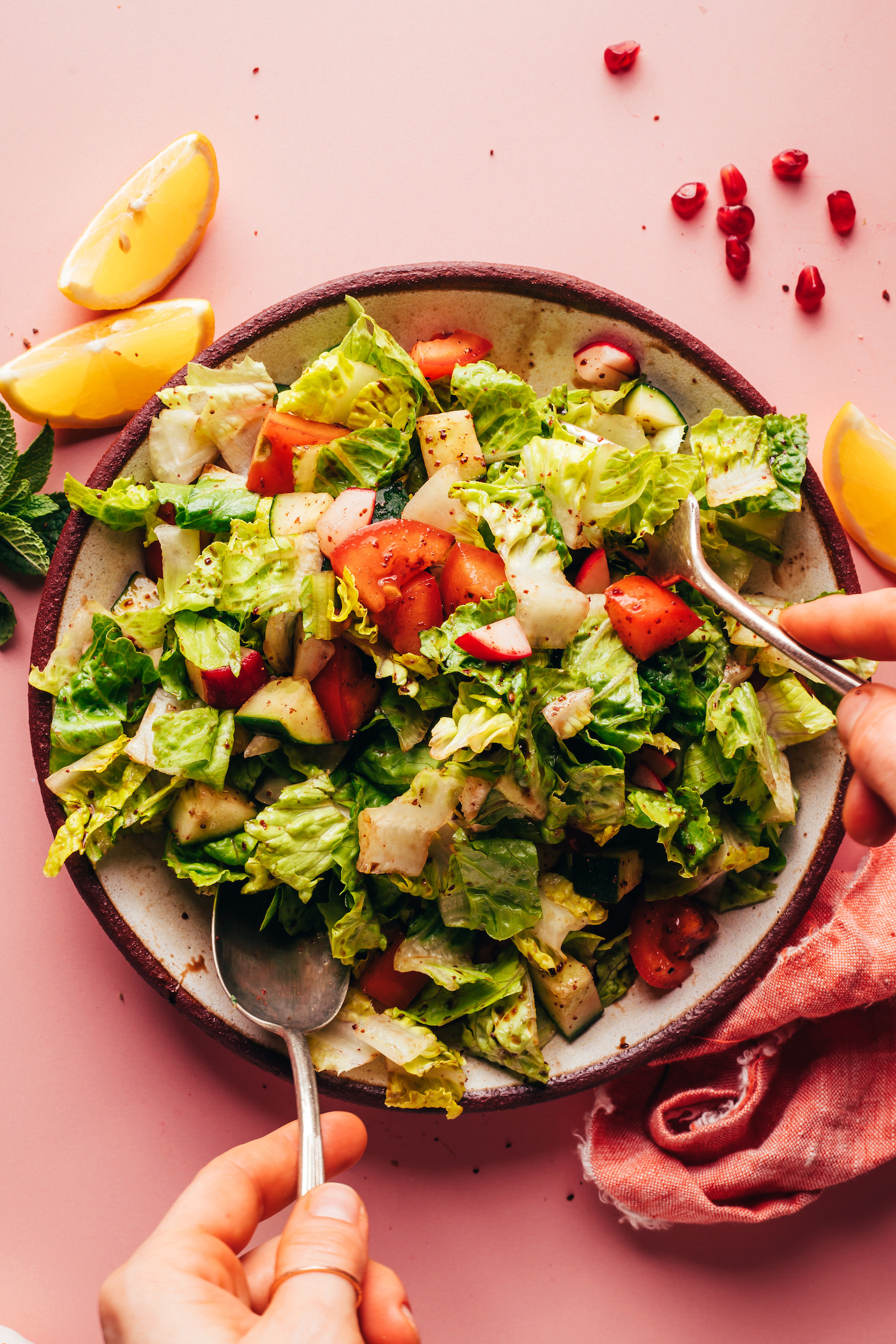
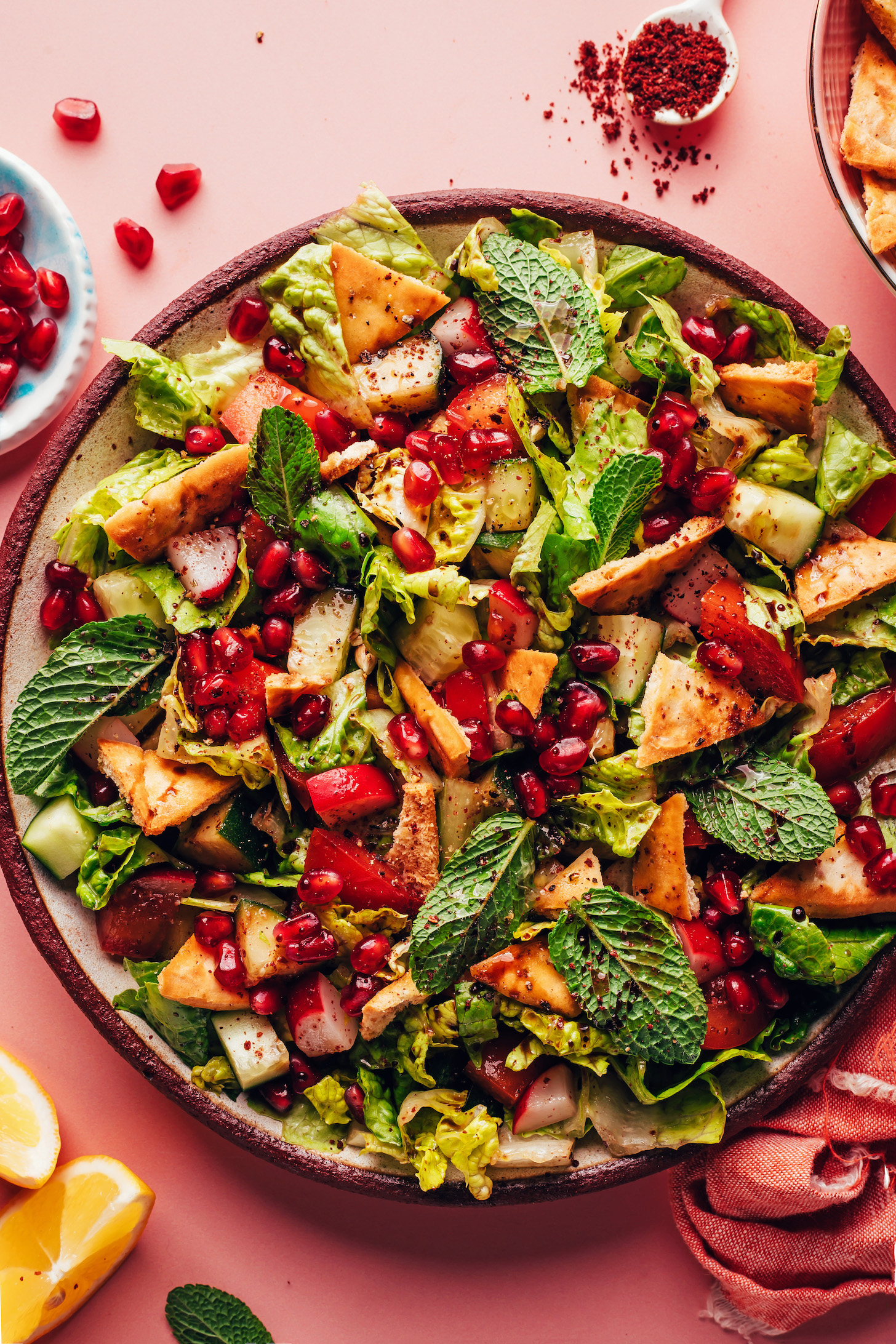
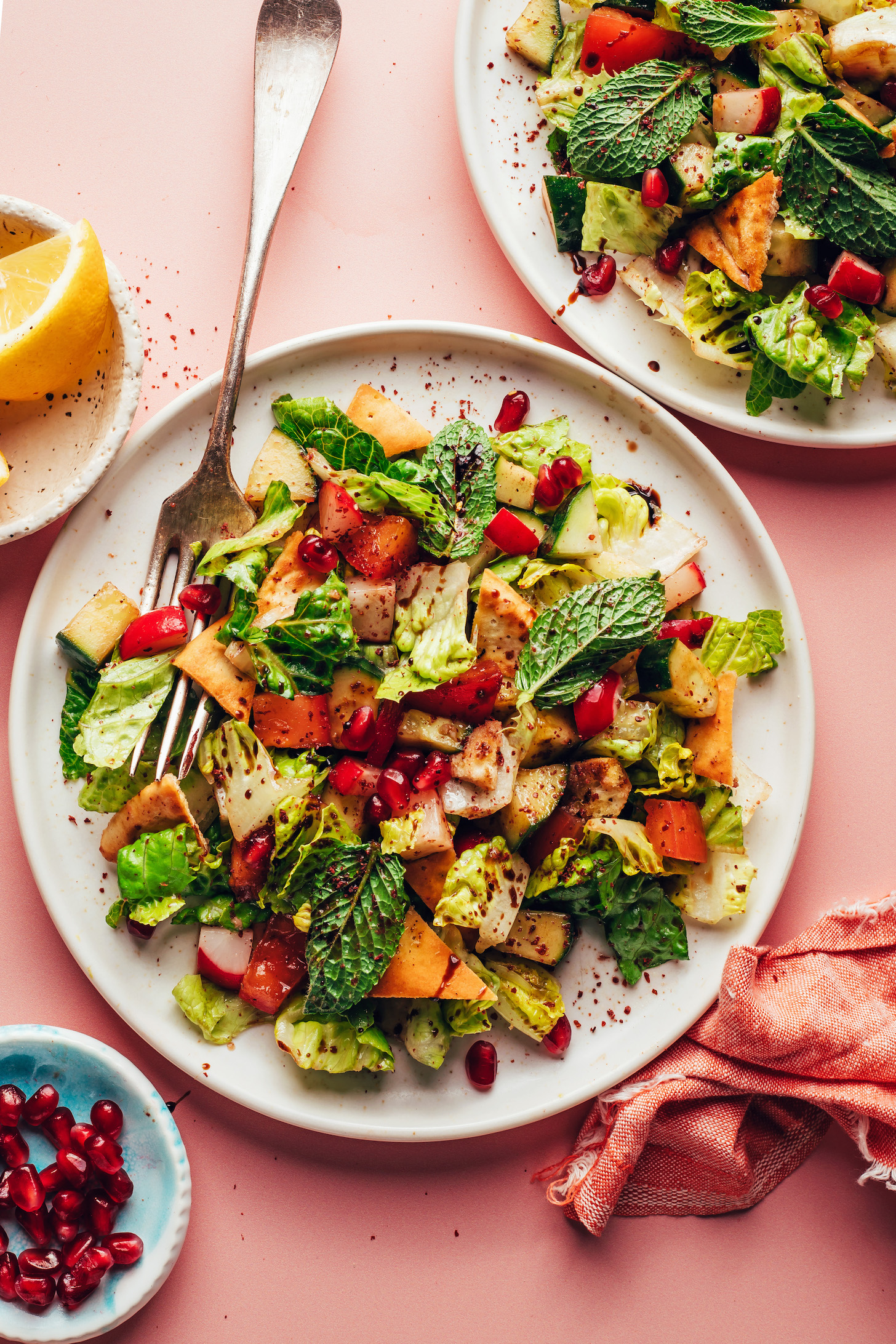
The dish is defined by its distinctive textural contrast: the snap of fresh romaine lettuce, the crunch of radish, the cool hydration of cucumber, and the shattering crispness of toasted pita chips. These elements are unified by a dressing that eschews heavy mayonnaise or cream-based emulsions in favor of a bright, acidic, and slightly sweet profile. The signature ingredients include:
- Sumac: A deep-red spice made from ground berries, providing a tart, citrus-like acidity that is the hallmark of Levantine cooking.
- Pomegranate Molasses: A concentrated, syrupy reduction of pomegranate juice that balances the tartness of the sumac with a sophisticated, fruit-forward sweetness.
- Fresh Mint: An aromatic herb that cuts through the starch of the pita, providing a cooling finish to the palate.
- Pita Bread: Serving as the salad’s "crouton," this flatbread is either fried or baked until golden, acting as the primary vessel for the vinaigrette.
The Chronology: A 20-Minute Culinary Workflow
For the home cook, the primary barrier to incorporating fresh salads into a weeknight routine is often the prep time associated with washing, chopping, and dressing. The "one-bowl" methodology shifts the paradigm, focusing on a logical sequence of operations that minimizes cleanup and maximizes efficiency.
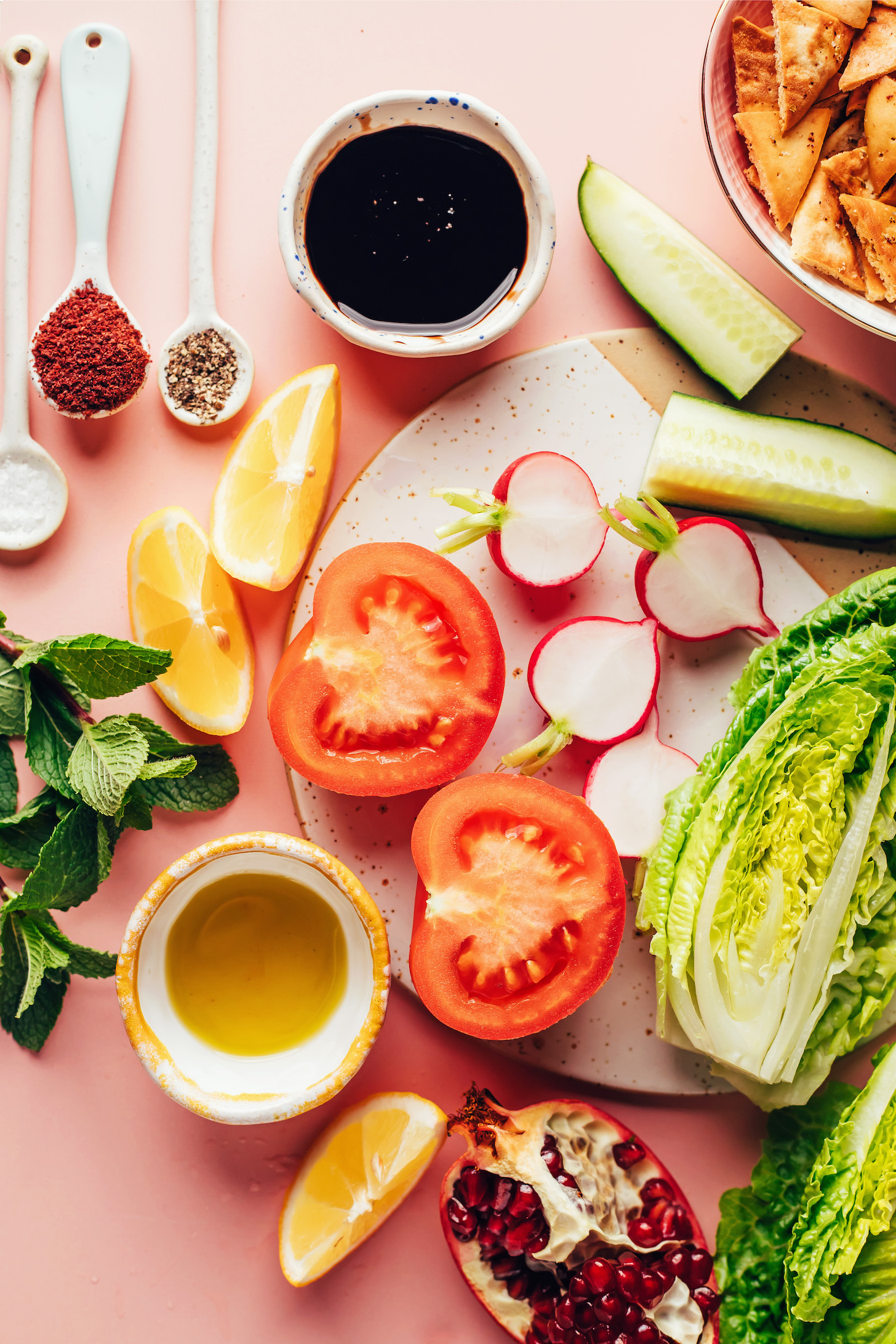
Phase 1: The Foundation (0-5 minutes)
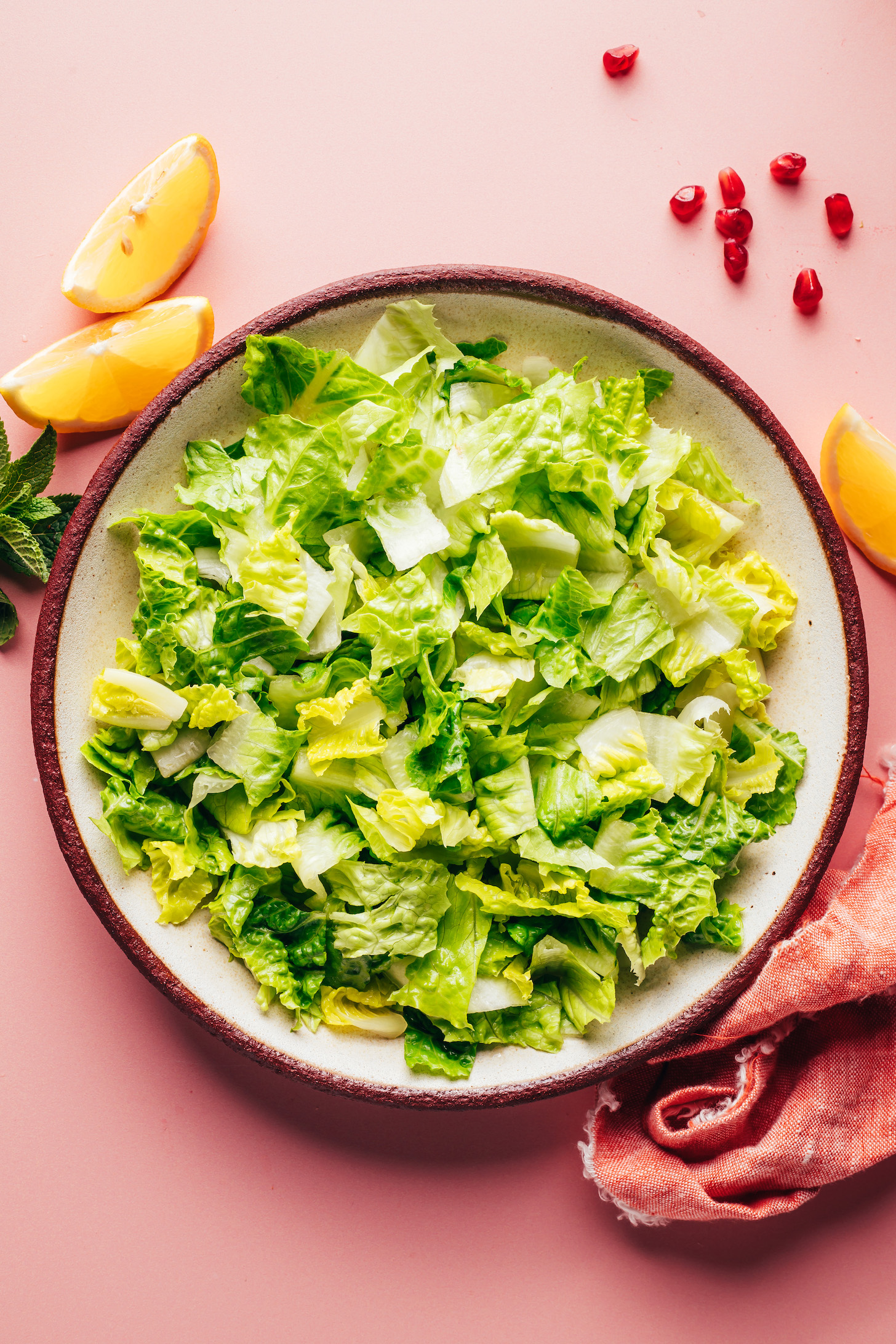
The process begins with the structural components. Romaine lettuce is chopped into bite-sized pieces, providing a robust base that can withstand the weight of the dressing. During this initial window, cucumbers, tomatoes, and radishes are prepared. Using high-quality, seasonal vegetables is emphasized here, as their water content and natural sweetness are vital to the salad’s integrity.
Phase 2: The Dressing Integration (5-10 minutes)
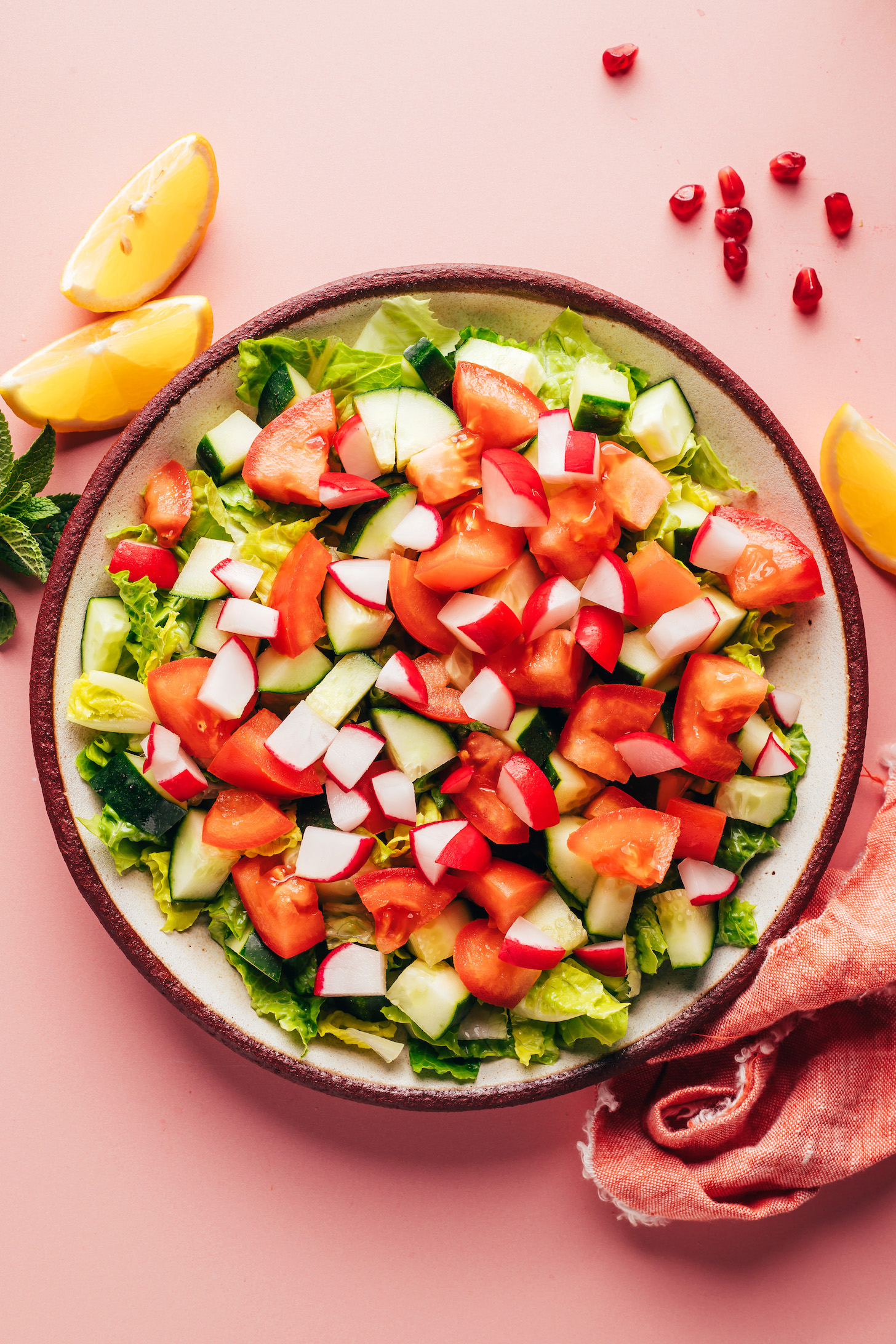
Unlike many salads that require a separate vessel for whisking emulsified dressings, the fattoush philosophy allows for a "no-mix" approach. By tossing the chopped greens and vegetables directly with the lemon juice, olive oil, pomegranate molasses, and sumac, the salt draws out the vegetable juices, which then emulsify with the oil and molasses to create a dressing in situ.
Phase 3: The Finishing Touches (10-20 minutes)
The final stage is critical for maintaining the dish’s signature texture. To prevent the pita from becoming soggy, the crispy flatbread and fresh mint leaves are added only moments before service. This ensures that every bite maintains the desired juxtaposition of tender greens and brittle bread.
Supporting Data and Nutritional Profile
While Fattoush is often viewed through the lens of indulgence due to the presence of fried bread, modern nutritionists point to its high fiber and antioxidant content as a major benefit. A single side serving of this salad—calculated at approximately 127 calories—offers a diverse micronutrient profile.
- Fiber Density: With roughly 4 grams of fiber per serving, the salad contributes significantly to satiety.
- Antioxidants: The inclusion of sumac, pomegranate arils, and fresh herbs introduces polyphenols and Vitamin C, essential for immune health.
- Low Glycemic Load: When using high-quality whole-grain pita and relying on olive oil as the primary fat source, the dish fits comfortably within a heart-healthy, Mediterranean-style diet.
Data suggests that by opting for oven-baked pita chips instead of deep-fried versions, home cooks can reduce the saturated fat content significantly while maintaining the necessary crunch. The shift toward incorporating plant-based proteins, such as chickpeas or lentils, has also been noted as a significant trend, allowing the salad to transition from a side dish to a balanced, macronutrient-complete entrée.
Professional Perspectives and Culinary Implications
Chef-instructors and food historians alike have praised the surge in popularity of simplified Fattoush recipes. According to food researchers, the rise of the "one-bowl" recipe reflects a broader shift in consumer behavior: a move away from hyper-processed "convenience" meals toward "fresh-prep" efficiency.
"The beauty of Fattoush lies in its versatility," notes a leading culinary analyst. "It is a dish that rewards the season. In the spring, it is about the radish; in the summer, it is about the vine-ripened tomato. It forces the cook to engage with local produce while remaining anchored in a tradition that is thousands of years old."
Furthermore, the environmental implications of such recipes are noteworthy. By providing a structured way to utilize "day-old" bread, the recipe serves as a practical tool for reducing household food waste. The culinary industry sees this as a crucial step in the sustainability movement—teaching consumers that the most flavorful meals are often those that value preservation over disposal.
Broader Implications: The Globalization of Levantine Flavors
The mainstream adoption of ingredients like sumac and pomegranate molasses marks a significant milestone in global gastronomy. Ten years ago, these ingredients were largely confined to specialty markets; today, they are ubiquitous in major supermarket chains. This accessibility has lowered the barrier to entry for home cooks who wish to experiment with Middle Eastern flavor profiles.
As the recipe gains traction, we are seeing regional variations emerge. While the traditional Levant recipe remains the gold standard, modern variations now include everything from roasted halloumi cheese to pickled onions and even microgreens. This evolution does not diminish the original dish; rather, it speaks to the enduring nature of a recipe that is fundamentally sound in its balance of acid, fat, salt, and texture.
Conclusion: A Blueprint for the Future of Home Cooking
The 20-minute, one-bowl Fattoush is more than a simple salad recipe—it is a blueprint for the future of the home kitchen. It addresses the modern need for speed without sacrificing cultural heritage or nutritional quality. Whether served as a refreshing accompaniment to grilled proteins or as a stand-alone, chickpea-boosted meal, the Fattoush serves as a reminder that the best food is often the simplest.
For those looking to adopt this culinary trend, the advice from professionals is clear: focus on the quality of the raw ingredients, don’t skimp on the sumac, and always, always wait until the last possible second to add the bread. In doing so, you are not just making a salad; you are participating in a tradition of resourcefulness and culinary excellence that has sustained the Levant for generations.


 Azzam Bilal Chamdy
 Sagoh
Sagoh