

 Raul Delapena Setiawan

 Ammar Sabilarrohman
 Lina Irawan
 Suro Senen
 Nana
Nana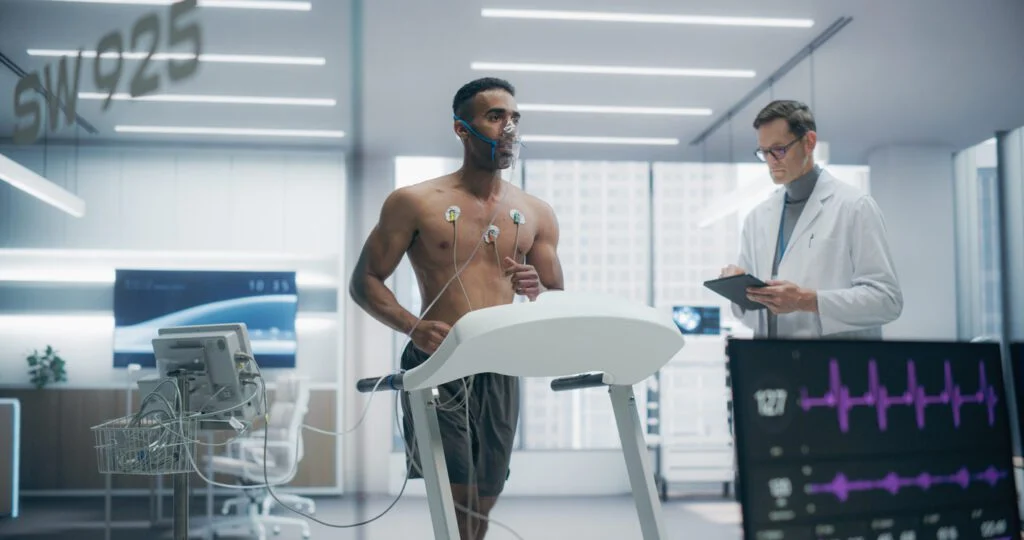
In the high-stakes world of Silicon Valley biohacking, billionaire entrepreneur Bryan Johnson has become the face of a modern crusade. Best known as the subject of the Netflix documentary Don’t Die, Johnson is currently spearheading an exhaustive, multi-million dollar experiment to reverse the aging process. His goal is as audacious as his methods: to lower his "biological age" to that of an 18-year-old.
From weekly acid peels and hyperbaric oxygen therapy to experimental plasma infusions, Johnson’s lifestyle is a testament to the extremes of longevity science. But beyond the headlines and the controversy—including a New York Times investigation that challenged his claims of age reversal—lies a burgeoning industry that is shifting from the eccentric fringes to the mainstream: biological age testing.
As these tests become cheaper and more accessible, the question for the everyday individual and the health professional alike is no longer can we measure aging, but should we—and what does the data actually mean for our lifespan?
The Chronology of a Crusade
The concept of "bio age" is not new, but its commercialization has accelerated rapidly. For decades, researchers have studied biomarkers to understand the pace of aging. However, the movement gained significant momentum as figures like Peter Attia, Joe Rogan, and Andrew Huberman began platforming longevity experts.
The timeline of this obsession can be categorized into three phases:
- The Research Phase (Early 2000s–2015): Scientists developed epigenetic clocks, such as the Horvath Clock, primarily to study how environmental factors and diseases affect cells at a molecular level.
- The Biohacker Integration (2016–2022): Early adopters and tech elites began using these laboratory tools as personal performance metrics, treating their bodies like software to be debugged.
- The Consumerization Era (2023–Present): Mail-order blood and urine kits have flooded the market, promising to reveal your "pace of aging" for a few hundred dollars. We are now in a phase where the average consumer can access data that was previously reserved for university research labs.
What is Biological Age?
Biological age (bio age) is a measurement of cellular function that exists independently of the chronological time elapsed since your birth. While your chronological age is a fixed number of years, your bio age is a dynamic reflection of your internal health.
Consider two 50-year-old men. One lives in a high-pollution urban environment, maintains a sedentary lifestyle, and smokes. The other resides in a rural, clean-air setting, prioritizes strength training, and follows a nutrient-dense diet. While their birthday candles number the same, their cellular "wear and tear" is vastly different. Genetics play a role, but the choices we make daily—from sleep quality to movement patterns—dictate the speed at which our biological clocks tick.
Supporting Data: How We Measure the Invisible
Modern bio age tests rely on specific biomarkers—measurable indicators of biological states. Some of the most common methods include:
- DNA Methylation: This process involves chemical modifications to DNA. By measuring these "epigenetic marks," companies can estimate how quickly an individual is aging compared to their peers.
- Telomere Analysis: Telomeres are the protective "caps" at the ends of chromosomes. As cells divide, these caps shorten, eventually leading to cellular senescence. While length is a biomarker, it is currently more useful for diagnosing rare genetic conditions than for everyday health tracking.
- Cardiovascular and Metabolic Markers: Standard blood panels—measuring cholesterol, blood glucose, and inflammation markers like C-reactive protein (CRP)—remain the gold standard for clinical health. These metrics provide a clear, actionable picture of your risk for heart disease and diabetes, the two greatest drivers of mortality.
The Case for "Free" Biomarkers
You do not need to spend thousands of dollars to assess your aging trajectory. Several scientifically validated, zero-cost physical tests serve as powerful proxies for overall health:
1. The Sitting-Rising Test (SRT)
This test measures muscle strength, balance, and flexibility. Lower yourself to the floor into a cross-legged position and stand back up without using your hands or knees for leverage. A high number of "deductions" suggests a need for improved mobility and strength, which are directly tied to long-term survival.
2. Grip Strength
Often referred to as a "vital sign" of longevity, grip strength is a better predictor of all-cause mortality than blood pressure in many studies. A simple test using a dynamometer or even a sustained squeeze on a tennis ball can reveal the integrity of your musculoskeletal system.
3. The Balance Test
Standing on one foot for 60 seconds (or less, depending on age) is a powerful indicator of neurological and physical health. An inability to balance effectively is frequently a precursor to fall-related injuries, which are a leading cause of mortality in the elderly.
4. VO2 Max
Once the domain of elite endurance athletes, VO2 max—the maximum oxygen consumption during exercise—is increasingly recognized as a primary metric for longevity. Research suggests that a higher VO2 max correlates significantly with a lower risk of stroke, heart disease, and cancer. Whether through lab testing or the 12-minute Cooper Run test, tracking this metric provides an objective measure of cardiovascular efficiency.
Official Perspectives and Professional Skepticism
While the industry is booming, the medical community remains cautious. The primary criticism of commercial bio age tests is the "black box" problem: many companies use proprietary algorithms to calculate a "bio age" number without clear, peer-reviewed evidence that the number can be accurately moved by specific, isolated interventions.
Furthermore, biological age is not uniform across the body. Your kidneys may be "aging" at a different rate than your heart. A single blood-based test may provide a snapshot of one system, but it is not a holistic view of the human organism. The New York Times critique of Bryan Johnson’s methods highlighted that without rigorous, long-term clinical data, much of the "age reversal" narrative is based on speculation rather than settled science.
Implications: Turning Data into Action
If you decide to engage with biomarker testing, whether through a doctor or a commercial kit, you must avoid the "data-only" trap. Collecting numbers without a strategy is akin to looking in a mirror to see food in your teeth and then walking away without cleaning it.
The Two Biggest Mistakes
- Neglecting the "Big Rocks": Many people obsess over exotic supplements while ignoring the basics: consistent sleep, resistance training, smoking cessation, and stress management. No supplement can negate the biological damage of chronic sleep deprivation or a sedentary lifestyle.
- Data Passive-Aggression: Using tests to monitor health is only useful if the data triggers a behavioral change. If your VO2 max is declining, the test hasn’t failed you—it has informed you. The follow-up action must be an adjustment in your training volume or intensity.
Conclusion: A Proactive Approach
Biological age testing can be a potent motivator, but it should never replace standard medical care. Your primary care physician is the most reliable partner in interpreting blood work and cardiovascular risk.
For the health and fitness professional, these tools offer a way to move beyond subjective "feelings" of health and into the realm of objective tracking. By helping clients understand their markers—and more importantly, by teaching them the behavior-change strategies required to improve those markers—coaches can facilitate the "lasting health transformations" that define true longevity.
Ultimately, the goal of "not dying" is secondary to the goal of living well. As we look at the data—whether it comes from a high-tech methylation clock or a simple, free grip-strength test—the message remains consistent: the most effective anti-aging treatment is the one you can stick to for the rest of your life.
Disclaimer: This article is for informational purposes only and does not constitute medical advice. Always consult with a licensed healthcare professional before beginning any new diagnostic testing or supplement protocol.


 Nila Kartika Wati
 Iffa Jayyana