

 Raul Delapena Setiawan

 Ammar Sabilarrohman
 Lina Irawan
 Suro Senen
 Rifan Muazin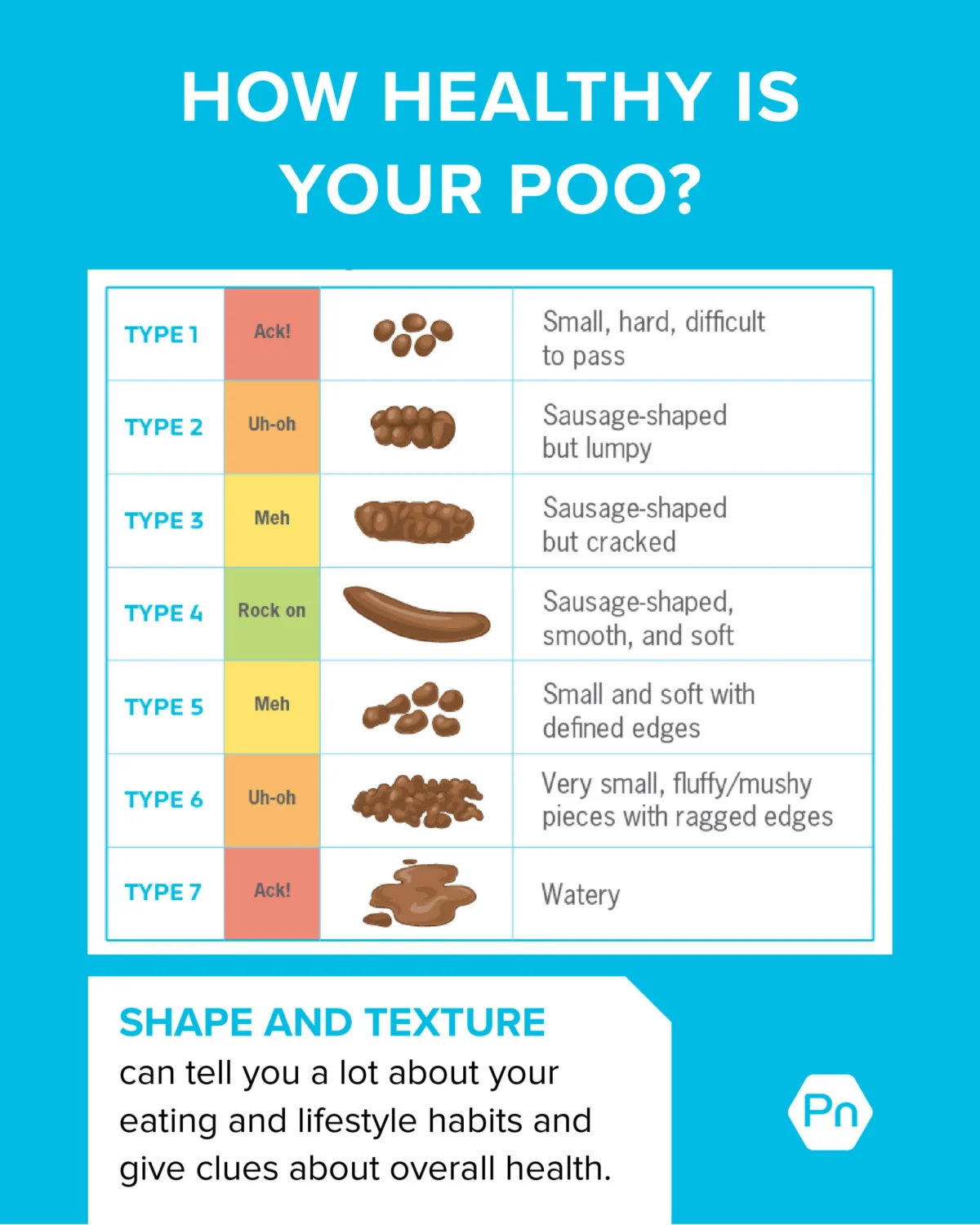
Irritable Bowel Syndrome (IBS) is often trivialized in popular culture as a mere inconvenience. However, for the estimated 14 percent of the global adult population living with the condition, it represents a profound, life-altering challenge that frequently dictates their social, professional, and personal boundaries. The severity of this impact is so extreme that studies have shown many patients would willingly trade 10 to 15 years of their life expectancy for an immediate, permanent cure.
This pervasive condition—characterized by abdominal pain, diarrhea, constipation, and gas—is more than a collection of symptoms; it is a clinical hurdle that leaves many patients feeling isolated, anxious, and desperate for relief.
The Magnitude of the Crisis: More Than Just "Stomach Issues"
The psychological toll of IBS is perhaps its most damaging component. Researchers have identified a phenomenon known as "gastrointestinal-specific anxiety," a persistent state of worry regarding the timing and location of potential flare-ups. This anxiety creates a feedback loop: fear of a sudden, uncontrollable episode leads individuals to withdraw from social activities, exercise, and professional obligations.
In some cases, the pain associated with an IBS flare-up is described by patients as exceeding the intensity of childbirth. When such pain is coupled with the logistical nightmare of requiring immediate, private access to restrooms, it is easy to understand why those with IBS often report a lower quality of life than patients diagnosed with chronic, life-threatening conditions like heart disease or end-stage kidney disease.
A Chronological Shift: From "Spastic Colon" to Neuro-Gastrointestinal Disorder
Historically, the medical community struggled to categorize IBS. Because diagnostic imaging—such as endoscopies and colonoscopies—typically reveals no inflammation, tumors, or structural damage, many practitioners in previous decades dismissed the condition as purely psychological, or "all in the head."
However, medical consensus has undergone a significant evolution. Modern experts now classify IBS as a functional neuro-gastrointestinal disorder. This paradigm shift acknowledges that the issue lies not in the physical architecture of the bowel, but in the signaling pathway between the gut and the brain. In patients with IBS, the "gut-brain axis" malfunctions, leading to erratic communication. The brain may send unnecessary pain signals, or the nerves lining the gastrointestinal tract may become hypersensitive, interpreting normal digestive processes—such as the movement of a small gas bubble—as agonizing events.

Supporting Data: Why Diagnosis Remains a Challenge
Diagnosing IBS is famously difficult because it is a "diagnosis of exclusion." Because symptoms overlap with celiac disease, inflammatory bowel disease (IBD), cancer, and food allergies, a medical professional must first rule out these structural pathologies.
The Symptom Spectrum
IBS presents differently in every patient. To streamline diagnosis and treatment, clinicians categorize the disorder based on bowel habits:
- IBS-D: Primarily diarrhea-predominant.
- IBS-C: Primarily constipation-predominant.
- IBS-M: Mixed bowel habits (alternating between diarrhea and constipation).
- IBS-U: Unclassified, where symptoms don’t fit clearly into the other categories.
Understanding these subtypes is critical for treatment. For instance, a patient with IBS-D might benefit from antidiarrheal medication, while an IBS-C patient might require specific fiber supplements or prokinetic agents.
Expert Perspectives: The Role of Lifestyle Intervention
Sarah Maughan, a PN Super Coach certified through Monash University—a global leader in IBS and FODMAP research—emphasizes that while medicine has its place, lifestyle modifications are the foundation of long-term management.
"My hope is for everyone with IBS to know they have options," says Maughan. "Whether that’s turning to a physician for medication, working with a nutritionist to navigate food sensitivities, or partnering with a health coach to implement sustainable lifestyle changes, relief is possible."
Maughan advocates for a multi-disciplinary approach. For many, the goal is to calm the nervous system, thereby reducing the intensity of the "fight or flight" response that often triggers GI distress.

Five Evidence-Based Strategies for Symptom Management
While no "cure" exists, research suggests five pillars of management that can significantly improve daily function.
1. The Power of Movement
Regular exercise is one of the most effective ways to stabilize gut function. Clinical studies have shown that 60 minutes of moderate walking, three times a week, can lead to a significant reduction in bloating and pain within 12 weeks. Beyond the physical act of digestion, exercise improves mental health, which directly influences the gut-brain axis and dampens the perception of pain.
2. Nervous System Regulation
Stress is a known catalyst for IBS. High cortisol and norepinephrine levels can increase gut transit speed or induce spasms. Because one cannot simply "turn off" stress, coaches focus on techniques that promote self-compassion, meditation, and breathing exercises. By shifting the focus to the "sphere of control"—what a person can influence versus what they cannot—patients often report a decrease in the severity of their anxiety-related flare-ups.
3. The Art of Mindful Eating
Eating speed has a profound impact on digestion. Slower eating encourages more thorough chewing, which initiates the pre-digestion process via salivary enzymes. Furthermore, taking time to eat in a relaxed, non-distracted environment prevents the body from entering a stress state, allowing the digestive system to operate with greater efficiency.
4. Prioritizing Restorative Sleep
The relationship between IBS and sleep is a vicious cycle. Poor sleep quality—a common complaint among IBS patients—elevates stress hormones, which in turn exacerbates gut pain. This creates a state of chronic fatigue that often leads to poor dietary choices, such as consuming high-sugar or high-fat foods that trigger symptoms. Establishing a pre-sleep routine, such as journaling or light stretching, can help break this cycle.
5. Strategic Dietary Investigation
Dietary triggers are highly individual. What works for one person may be detrimental to another. The most common offenders include high-FODMAP foods (fermentable carbohydrates that pull water into the gut and ferment), caffeine, alcohol, and high-fat, greasy meals.

The Implications: Coaching and the Scope of Practice
For health coaches, the rise in IBS cases presents both an opportunity and a responsibility. A coach can be a vital partner in helping a client implement lifestyle changes, but they must operate strictly within their scope of practice.
The Golden Rules for Coaches:
- Encourage Professional Guidance: Always urge clients to see a medical professional for a formal diagnosis to rule out IBD or malignancy.
- Support, Don’t Prescribe: A coach helps a client follow the recommendations of their doctor or dietitian; they do not diagnose the condition or prescribe "cures."
- Use Data-Driven Experiments: Techniques like elimination diets are essentially scientific experiments. A coach helps the client track these experiments to identify personal triggers without creating a culture of fear or rigid, unsustainable restriction.
Conclusion: Knowledge as Empowerment
The journey to managing IBS is rarely linear. It requires patience, medical oversight, and a willingness to listen to one’s own body. Whether it is through the precise application of a low-FODMAP diet or the simple, profound act of slowing down at mealtime, those suffering from IBS can reclaim their quality of life.
As Sarah Maughan notes, the goal is not to live in fear of food or social situations, but to gain the knowledge necessary to make informed choices. With the right support system, people with IBS can transition from a life defined by symptoms to a life defined by the ability to manage them.
For those interested in pursuing a career in supporting others through these complex health journeys, the Precision Nutrition Level 1 Certification provides the foundational science and coaching strategies necessary to guide clients toward sustainable, long-term health.


 Nila Kartika Wati
 Iffa Jayyana