 Raul Delapena Setiawan
 Ammar Sabilarrohman
 Lina Irawan
 Suro Senen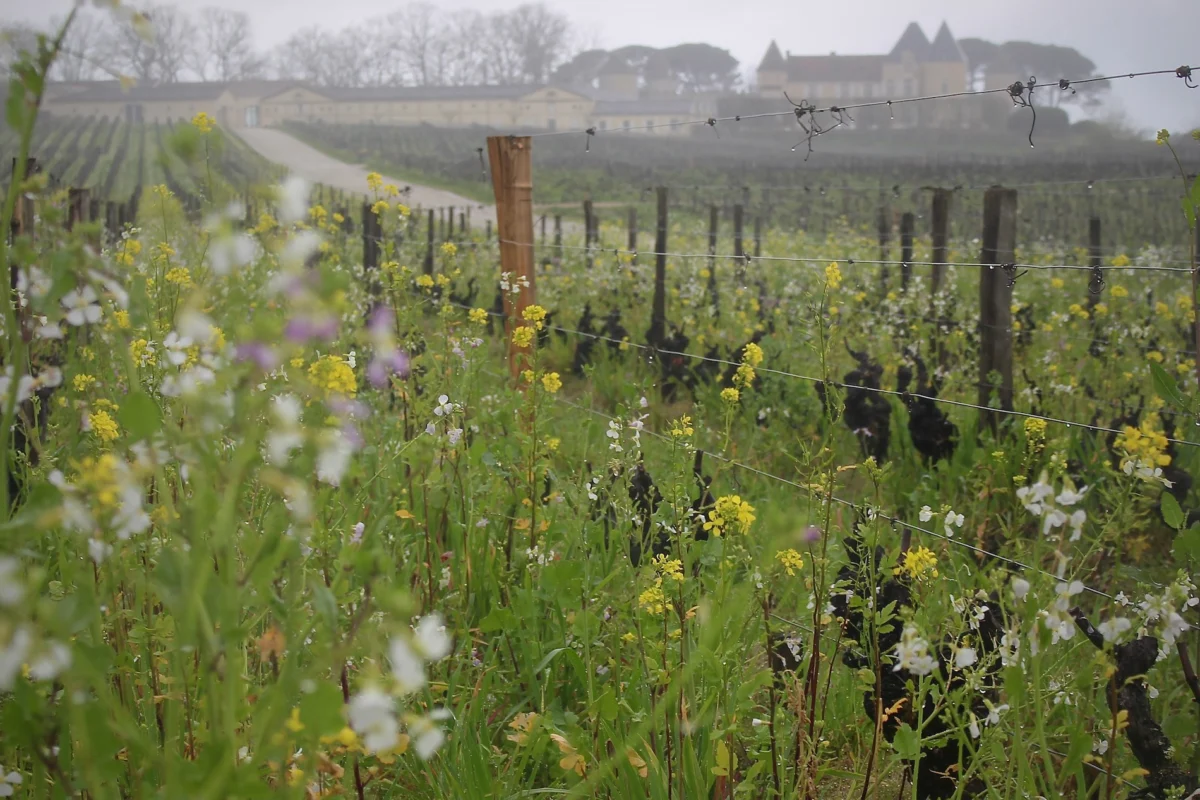
To the casual observer, Sauternes is a beautiful, if somewhat static, relic of the 19th century. Its golden, honeyed nectars—wines capable of outliving their collectors by decades—have long been viewed as time capsules, sedentary treasures resting in the dark corners of world-class cellars. However, this perception of stasis is a dangerous misreading of the current reality. Today, the Sauternes appellation is a hotbed of quiet, calculated, and necessary dynamism. Far from being a region resigned to history, it is a territory actively battling economic headwinds and shifting consumer tastes to reinvent itself for the 21st-century palate.
The Economic Paradox of Sauternes
The most striking facet of the modern Sauternes landscape is the disconnect between the prestige of its wines and their market valuation. Despite producing some of the most labor-intensive wines on the planet—wines that require multiple, painstaking passes through the vineyard to harvest grapes individually affected by Botrytis cinerea—the land itself is remarkably affordable.
Current market data reveals a stark divide: a hectare of land in the prestigious Sauternes appellation commands approximately €30,000. In contrast, a hectare in the neighboring powerhouse of Saint-Émilion often trades for upwards of €3,000,000. This disparity highlights both the crisis of demand for traditional sweet wines and the incredible value proposition available to the modern consumer.
Chronology of Change: A Modern History
The evolution of the region has been a slow-motion transformation, picking up speed in the last two decades.
- 1948: Georges Dubourdieu of Château Doisy-Daëne pioneers the first recognized dry wine of the region, planting a seed that would take nearly 80 years to germinate fully.
- 2000s–2010s: The "Organic Wave" hits the region. Château Guiraud achieves organic certification in 2011, followed by Climens (2013), and eventually the legendary Château d’Yquem, which began its conversion in 2019 and harvested its first certified organic vintage in 2022.
- 2022: A milestone year for Château Climens, which sees a change in ownership, leading to a massive overhaul of its portfolio to emphasize dry wine production, including the launch of the Asphodèle and Lilium labels.
- 2026: The current state of play, where dry wine production, declassified "modern" sweet wines, and high-end enotourism define the new, multifaceted identity of the region.
The Rise of the Dry: Sauternes Sec
The most visible shift is the accelerated production of dry white wines. While once a niche experiment, Sauternes Sec is becoming a strategic pillar for the region’s châteaux.
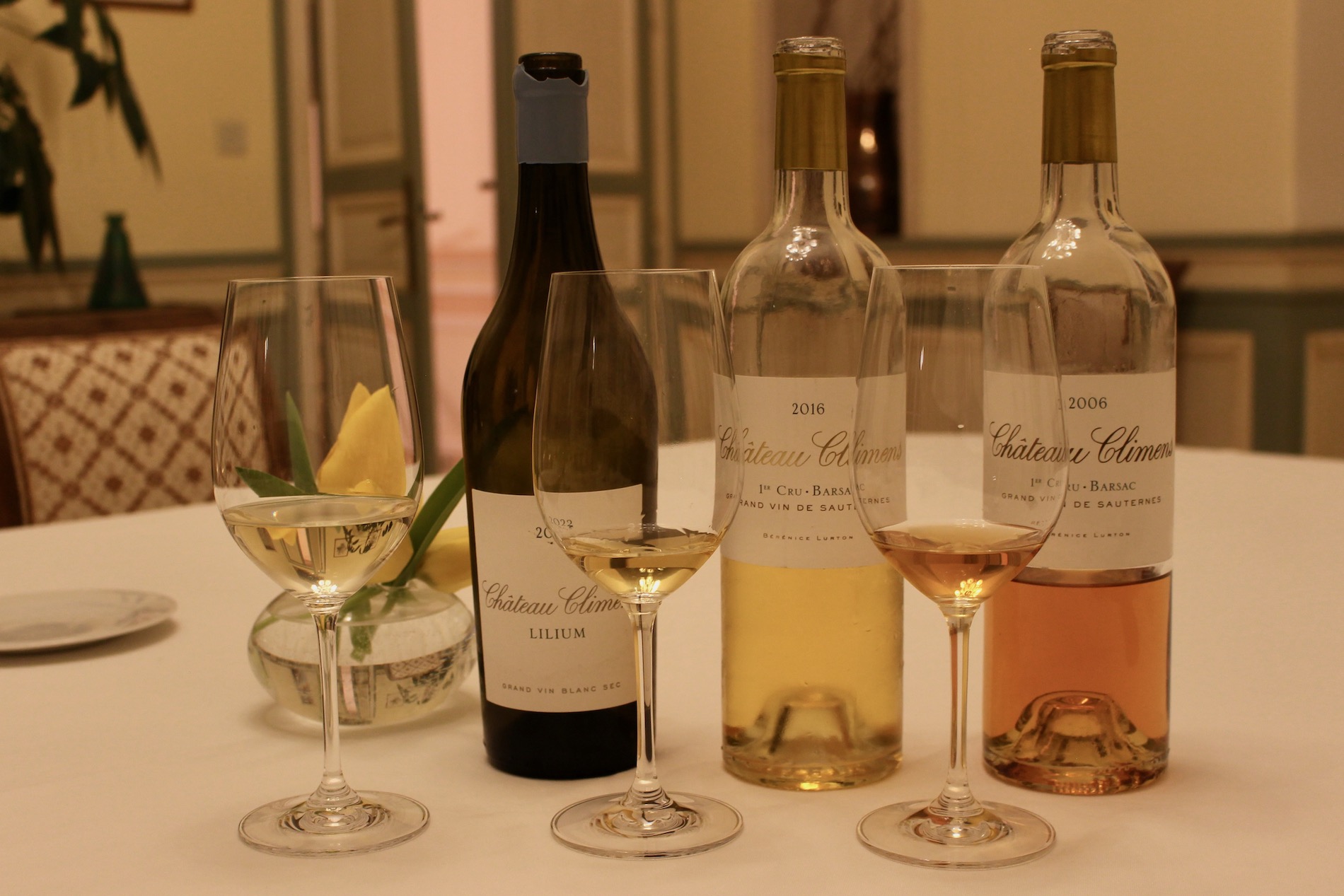
Producers are not merely churning out generic white wine; they are seeking a specific "sauternais" identity. These wines are typically Sémillon-dominant, often retaining a trace of botrytis that lends a unique, waxy, honeycomb, and marmalade character—a nod to their sweet-wine heritage. While Château d’Yquem’s Ygrec retains a touch of residual sugar, most other estates are fermenting their dry offerings to total dryness.
The debate surrounding these wines is largely regulatory. Currently, producers cannot label these wines as "Sauternes," nor can they even utilize the "Graves" appellation. They are relegated to the generic "Bordeaux Blanc" classification. Many in the region advocate for a change in French wine law, citing models like Vouvray or Jurançon, where a single appellation name covers both dry and sweet styles.
However, opposition remains. Jean-Jacques Dubourdieu, appellation co-president, notes that only 17 of the region’s 140 châteaux produce a dry wine. Critics fear that codifying "Sauternes Sec" will lead to consumer confusion. A proposed compromise—similar to the "Coteaux Champenois" designation for still wines in Champagne—remains the most likely path forward.
Viticultural Sustainability and Shifts in Composition
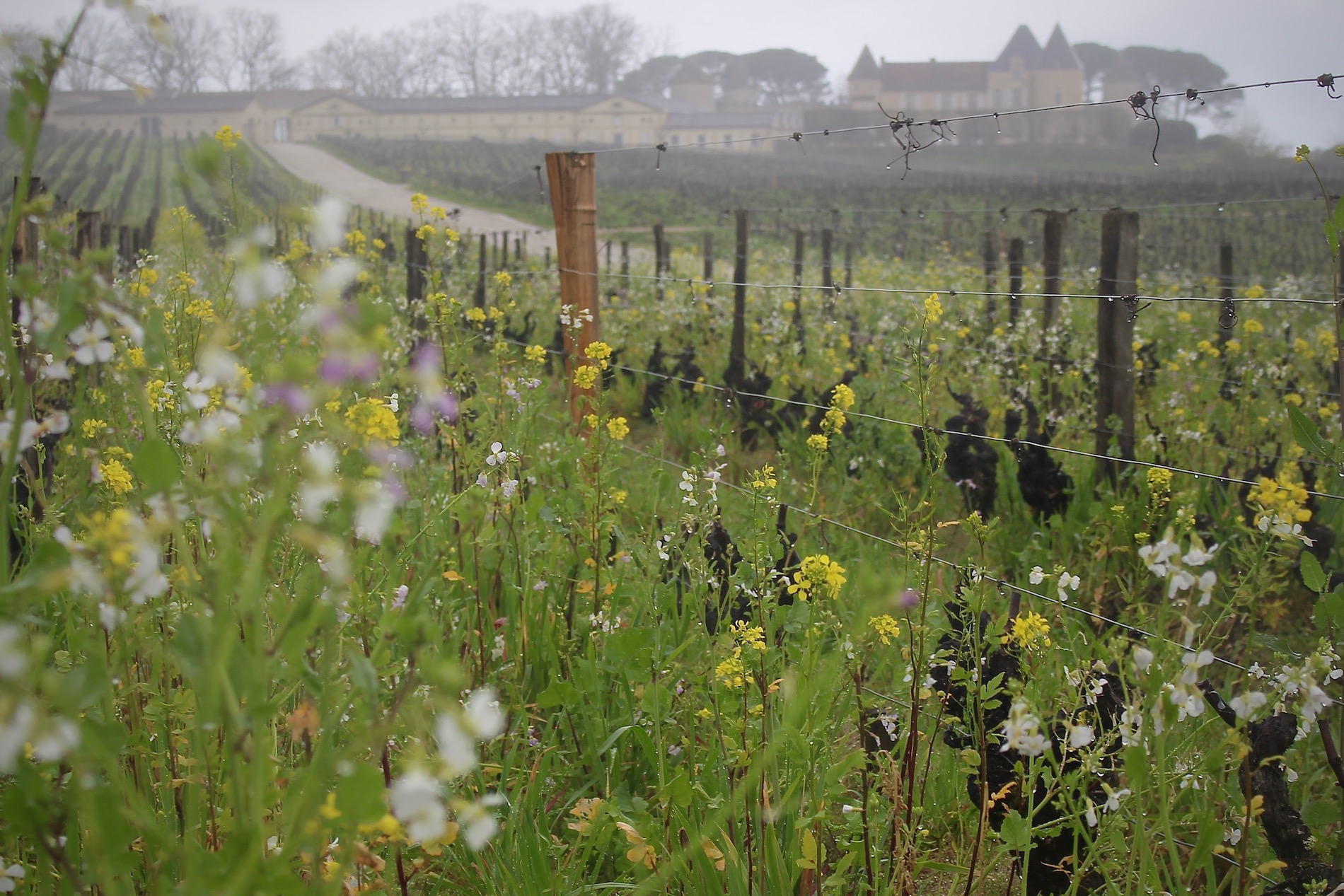
Beyond the bottle, the vineyards themselves are undergoing a fundamental change in philosophy. The movement toward organic and biodynamic farming is not just an aesthetic trend; it is a prophylactic strategy.
"The fundamental change in adopting biodynamic cultivation is to move out from the sole curative approach," explains Jérôme Moitry of Château Climens. "We are using natural products to reinforce the natural defenses of the plant." This has led to measurable increases in microbial activity and healthier soil structures. Notably, these changes have not compromised the development of "noble rot," proving that sustainability and traditional botrytized wine production are not mutually exclusive.
Simultaneously, the region is diversifying its ampelography. The historically fickle Muscadelle is on the decline due to its susceptibility to disease and polarizing floral character. Replacing it is Sauvignon Gris, a pink-skinned variant of Sauvignon Blanc. Sauvignon Gris offers the tropical aromatics expected in a Sauternes but with lower pyrazine levels and higher phenolic grip, providing the structural acidity needed to balance the residual sugar in modern cuvées.
The "De-Parkerization" of Sweetness
The philosophy of sweetness is also undergoing a quiet revolution. For decades, the region chased a maximalist ideal, defined by high viscosity and extreme sugar levels. Today, the pendulum has swung toward freshness and drinkability.
Most grands vins now target 125 to 150 grams of residual sugar per liter—a "healthy notch" above Port, but significantly lower than the heavy-handed wines of the 1990s. This move is designed to combat the "cloying" effect, allowing for a more versatile experience. By aiming for wines that can be enjoyed over a full meal rather than just as a small post-dinner pour, producers are hoping to integrate Sauternes into the modern dining experience.
The Emergence of the "Modern" Second Wine
While the grands vins move toward a more balanced, drinkable profile, the second wines of the region are undergoing a more radical transformation. Many are now produced with little to no botrytis, aged entirely in stainless steel, and bottled with the intention of being consumed young.
At Château Rabaud-Promis, the Omega label is a prime example. Declassified as a Vin de France, it carries only 45 grams of residual sugar and is aged in amphora. It is a "moelleux" style designed for a younger, more dynamic clientele. By stripping away the heavy, liqueur-like intensity of traditional Sauternes, these producers are creating wines that act as a gateway to the category, targeting a Gen Z demographic that values vibrancy and accessibility over traditional, cellared gravity.
Enotourism: Building the Future
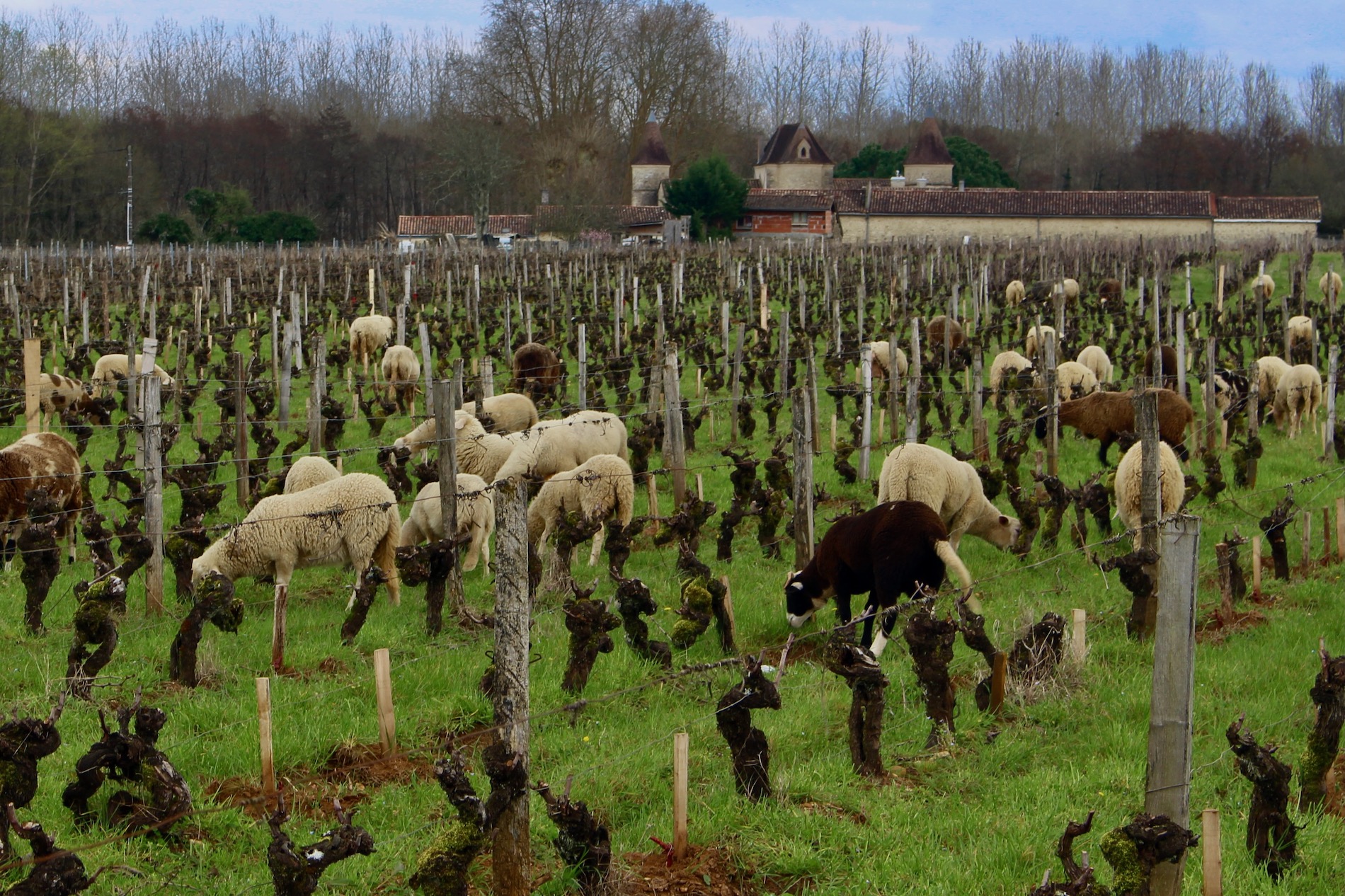
Recognizing that the wines alone are not enough to sustain the region, the châteaux have aggressively expanded their enotourism offerings. The challenge is geographic—Sauternes is roughly an hour’s drive from Bordeaux, making it less accessible than the suburban vineyards of Pessac-Léognan.
To bridge this gap, estates are creating destination experiences:
- Château Guiraud has invested heavily in gastronomy, operating both a Bib Gourmand restaurant and a Michelin-starred venue.
- Château Lafaurie-Peyraguey has leveraged its partnership with the crystal maker Lalique to create a luxury, two-star dining experience.
- Château Rabaud-Promis has turned to the natural world, installing a massive apiary where guests can taste honeyed wines in the presence of the bees that helped inspire them.
As Luc Planty of Château de Malle observes, the goal is to transform dormant historic estates into "dual-purpose ventures" where the history of the house is as much a draw as the liquid in the glass.
Implications for the Future
The modern Sauternes is a story of survival through adaptation. By diversifying into dry wines, embracing sustainable viticulture, and creating entry-level labels that appeal to younger palates, the region is ensuring its relevance.
Crucially, these changes do not signal an abandonment of the grand vin. On the contrary, the focus on dry and second wines allows estates to be more selective, potentially elevating the quality of their flagship products. The "new" Sauternes is not a departure from tradition; it is an expansion of it. As the region continues to navigate these waters, one thing remains certain: the world’s most storied sweet wine region has finally decided that it will no longer wait in the cellar to be discovered. It is, for the first time in a century, actively stepping out into the light.

 Nana Wu
 Asep Darmawan